 Muhammad Ibadurrohman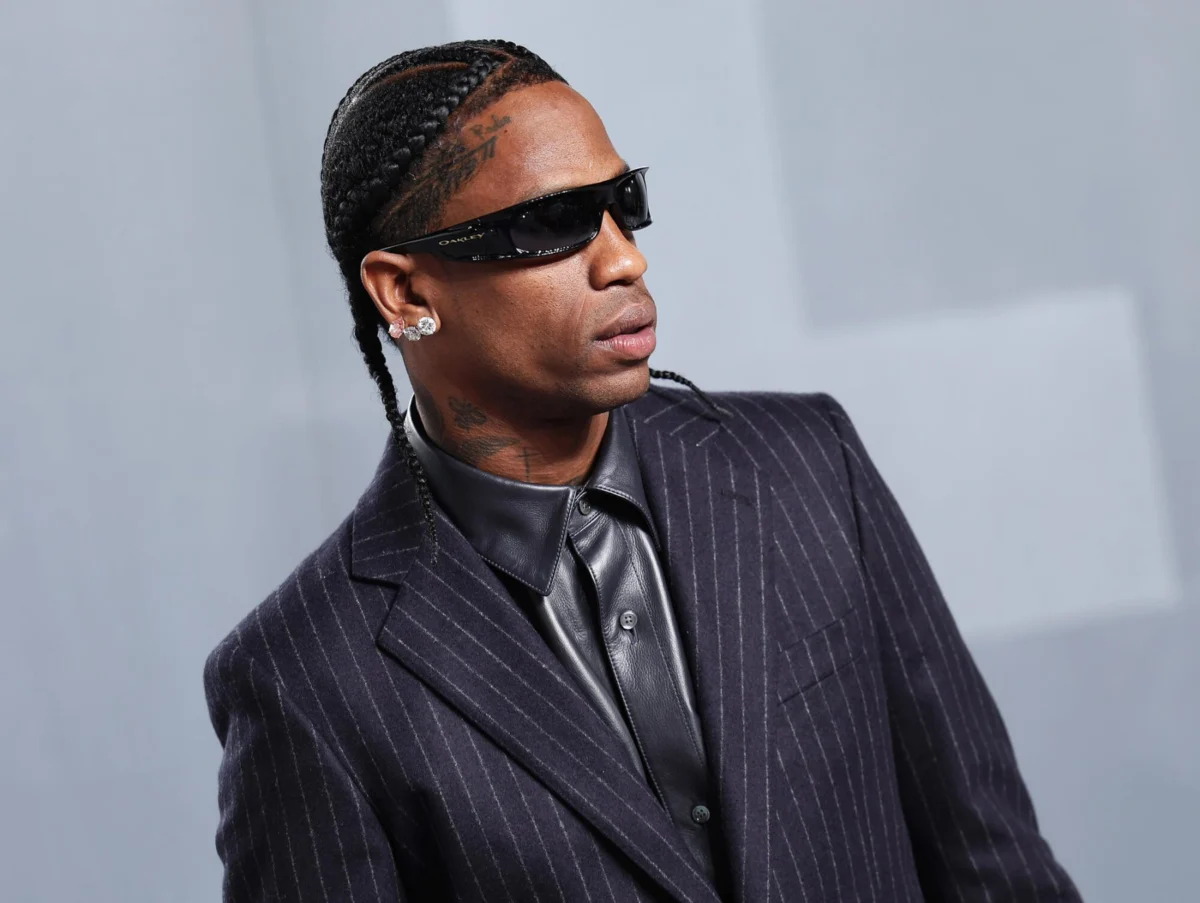
The long-standing legal battle between superstar rapper Travis Scott and songwriters Dion Norman and Derrick Ordogne has come to an abrupt conclusion. On Friday, October 9, 2026, the plaintiffs voluntarily dismissed their nearly three-year-old copyright infringement lawsuit against Scott and his distribution partner, Sony Music. The litigation, which centered on allegations that Scott misappropriated elements of a 1992 recording for his own commercially successful tracks, had been a significant point of contention in the music industry since the suit was initiated at the start of 2024. While the court filings did not disclose the terms of a settlement, the dismissal marks a definitive end to a case that touched upon the complexities of sampling, artistic inspiration, and the thresholds of copyright protection in modern hip-hop.
Origins of the Litigation
The dispute originated from the 1992 song B—’s Reply by DJ Jimi, a track that Norman and Ordogne co-authored. The plaintiffs alleged that Scott, a dominant force in contemporary rap, had incorporated an unauthorized sample of their work into two of his most prominent songs: Stargazing, a standout track from his 2018 album Astroworld, and Til Further Notice, featured on his 2023 follow-up record, Utopia. Both albums achieved immense commercial success, with both tracks reaching the top 40 of the Billboard Hot 100, fueling the plaintiffs’ argument that their intellectual property had been utilized for significant financial gain without proper licensing or attribution.
The central point of contention was the rhythmic repetition of the word "alright." Norman and Ordogne maintained that the vocal cadence and arrangement of the word in Scott’s tracks were lifted directly from their 1992 composition. The lawsuit argued that this specific vocalization was a distinct creative element of their work, one that had been recognized and licensed by other high-profile artists in the past.
A History of Previous Licensing
To bolster their claims, the plaintiffs pointed to a track record of other industry giants who had sought clearance for the same vocal sample. The songwriters noted that the "alright" motif had been previously licensed and credited in notable recordings, including Kid Cudi’s 2013 song Girls, Cardi B’s 2018 hit Bickenhead, and Diddy’s 2023 release Need Somebody. By highlighting these instances, the legal team for Norman and Ordogne aimed to establish that the vocal sample was not merely a common musical trope but a specific, identifiable, and valuable piece of intellectual property that required clearance from its original creators.
The Defense Strategy: Challenging Copyrightability
In response to the allegations, legal representatives for Travis Scott and Sony Music mounted a robust defense centered on the fundamental principles of copyright law. Their primary argument was that the phrase "alright," when repeated in the manner used by Scott, did not meet the legal threshold for copyright protection.
Attorneys for the defense categorized the repetitive use of the word as "trite" and "clichéd." They argued that under United States copyright law, protection is granted only to original works that possess a minimum level of creativity. The defense contended that a common, everyday word like "alright," even when repeated, lacks the creative originality required to be considered proprietary. By framing the sample as a generic musical building block rather than a unique composition, the defense sought to demonstrate that Scott’s production choices were well within the bounds of standard artistic expression and did not infringe upon the plaintiffs’ rights.
Chronology of the Legal Conflict
The timeline of the dispute highlights the protracted nature of modern copyright litigation. The suit was initially filed in early 2024, nearly six years after the release of Astroworld and only months after the arrival of Utopia. Throughout the discovery process, the legal team for the plaintiffs expanded their scope, initially including high-profile producers Metro Boomin and James Blake as co-defendants, given their roles in the creation of Til Further Notice.

However, the legal landscape shifted earlier in 2026 when the court dismissed the claims against the two producers, leaving only Scott and Sony Music as primary targets. The voluntary dismissal by Norman and Ordogne on October 9, 2026, effectively ends the proceedings. While the lack of a public settlement agreement leaves the exact nature of the resolution to speculation, legal analysts often point to the high costs of litigation and the unpredictable nature of jury trials as primary drivers for the quiet termination of such disputes.
Broader Implications for the Music Industry
The dismissal of the Travis Scott case serves as a poignant reminder of the increasing scrutiny placed on sampling in the streaming era. As digital music platforms make it easier for fans and experts to identify potential samples—or coincidental similarities—between songs, artists and labels have faced an uptick in copyright litigation.
The defense’s argument regarding the "minimal creativity" of common phrases is a significant point of discussion within music law. Courts have historically been hesitant to grant exclusive rights to common words or short musical phrases, fearing that doing so would create a "chilling effect" on musical composition. If every common phrase used in a song could be claimed as protected property, the creative process could become bogged down by endless litigation and licensing hurdles.
Furthermore, this case underscores the importance of the clearance process for major labels like Sony Music. While Scott and his team maintained that their usage was non-infringing, labels typically prioritize settling or clearing disputed elements to mitigate the risk of adverse court rulings that could set legal precedents against their catalogs.
The Role of Attribution in Modern Hip-Hop
Beyond the legal arguments, the case reflects the evolving relationship between classic regional sounds and modern chart-topping production. The use of older, often underground or regional hip-hop elements in mainstream music has been a cornerstone of the genre’s evolution. However, as the financial stakes grow—with albums like Astroworld and Utopia generating hundreds of millions of streams—the original creators of those regional sounds are increasingly seeking to reclaim their share of the royalties.
The fact that Norman and Ordogne were able to point to successful licenses with other artists underscores a reality of the industry: the value of a "sample" is often determined by its pedigree and its history of successful usage. When an artist of Scott’s caliber utilizes a sound that has already been validated in the market, the expectation for compensation and attribution becomes a standard, if occasionally contentious, part of the business transaction.
Looking Forward
With the litigation now closed, Travis Scott remains focused on his ongoing career and the promotional cycle for his recent projects. For the plaintiffs, the end of the lawsuit concludes a years-long effort to assert their claims. While this specific chapter has closed, the music industry continues to grapple with the tension between artistic innovation and the protection of intellectual property. As legal standards for what constitutes an "original" sample continue to be tested, producers and artists will likely continue to face a delicate balancing act, navigating the fine line between drawing inspiration from the past and inadvertently triggering the ire of those who helped build the foundations of the sound.
The dismissal without prejudice, or with undisclosed terms, allows all parties to move forward without the weight of a public trial. However, the case will undoubtedly be cited in future discussions regarding the limits of copyright protection for common vocal patterns, providing a touchstone for how the law views the intersection of everyday language and musical composition in the 21st century. As the dust settles, the industry is left with a reminder that in the high-stakes world of global music, even the most common words can become the center of complex and expensive legal inquiries.