Muhammad Ibadurrohman
The NFL is aggressively transforming its international presence, shifting from a strategy of basic exhibition to a model of high-octane global entertainment. As the league’s 2026-2027 season kicked off in Melbourne, Australia, on September 10, it marked the beginning of an unprecedented logistical and creative undertaking. Under the guidance of Tim Tubito, the NFL’s senior director of global game presentation and entertainment, the league has expanded its international halftime show slate to seven major performances across four continents, signaling a definitive departure from the traditional, domestic-only focus of its entertainment programming.
A Strategic Evolution of International Spectacle
The NFL’s foray into large-scale international halftime shows is not merely an aesthetic choice; it is a calculated effort to bridge the gap between American football culture and global sports entertainment expectations. Historically, the Super Bowl Halftime Show has served as the gold standard for stadium performance, characterized by immense production value, A-list talent, and viral moments. When the league began its international series, particularly in London, initial entertainment offerings were modest, often limited to local talent or abbreviated segments.

However, the rapid growth of the NFL’s international footprint—bolstered by consistent sell-outs in the United Kingdom, Germany, and Brazil—has shifted the league’s strategy. As Tubito explains, the successful pilot programs conducted last year served as a critical test run, proving that global fans expected the same high-level production value associated with domestic NFL games. The current 2026-2027 slate, which features a diverse array of global artists, reflects the league’s commitment to creating a "spectacle-first" atmosphere, regardless of the venue’s geographic location.
2026-2027 International Halftime Performance Chronology
The 2026-2027 season represents the most robust international music calendar in NFL history. The following timeline outlines the league’s deliberate movement across time zones and cultural landscapes:
- September 10, 2026 (Melbourne, Australia): The season opened with a high-energy performance by the Jonas Brothers, setting the tone for the international series.
- September 27, 2026 (Rio de Janeiro, Brazil): Pedro Sampaio and Ricky Martin took the stage, highlighting the league’s focus on the rapidly expanding South American market.
- October 11, 2026 (London, United Kingdom): Ayra Starr headlined the contest between the Philadelphia Eagles and the Jacksonville Jaguars, underscoring the importance of the London market as the league’s primary international hub.
- October 25, 2026 (Paris, France): Burna Boy is scheduled to bring his global influence to the stage, marking a key expansion into the French market.
- November 8, 2026 (Madrid, Spain): Manuel Turizo is set to perform, further solidifying the NFL’s connection to Latin music fans.
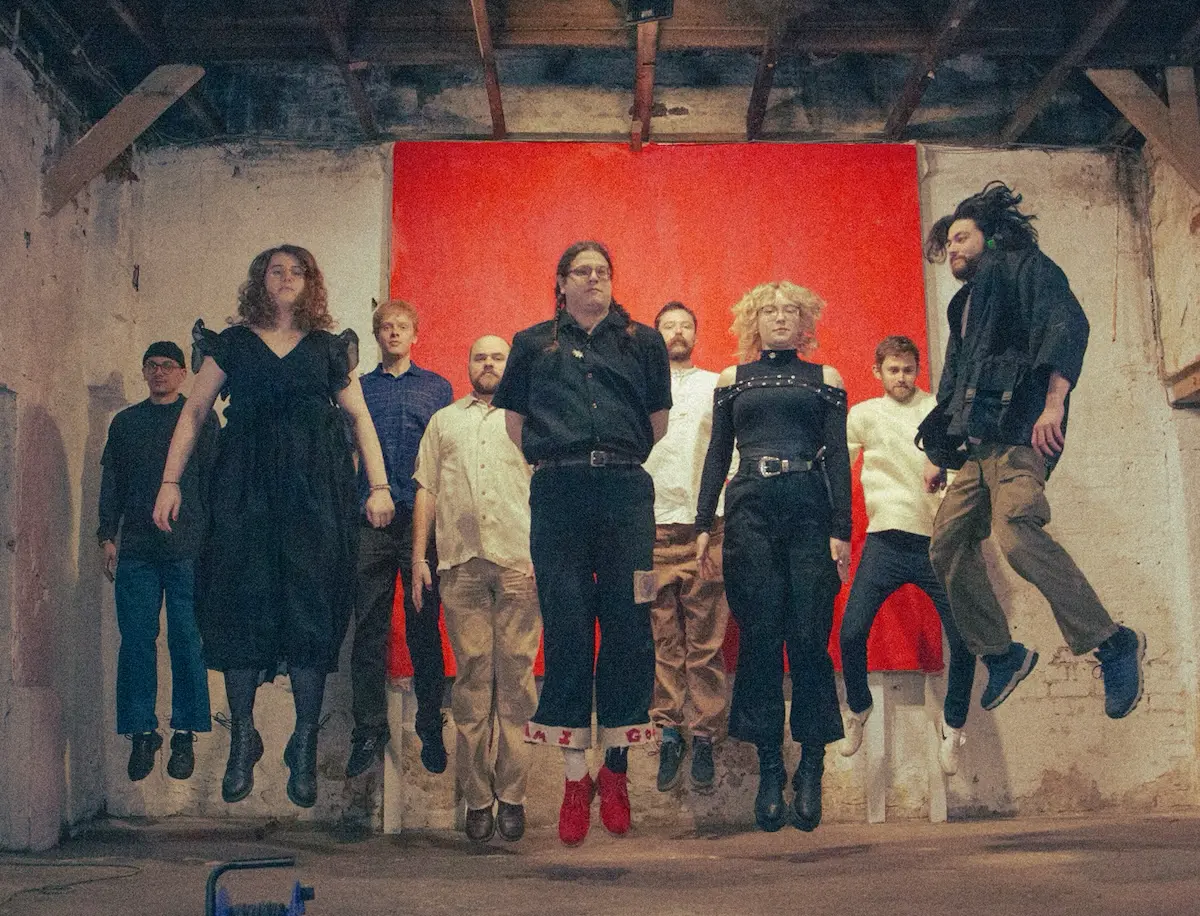
- November 15, 2026 (Munich, Germany): Cage the Elephant will provide a rock-oriented performance for the German audience, a market known for its deep engagement with the NFL.
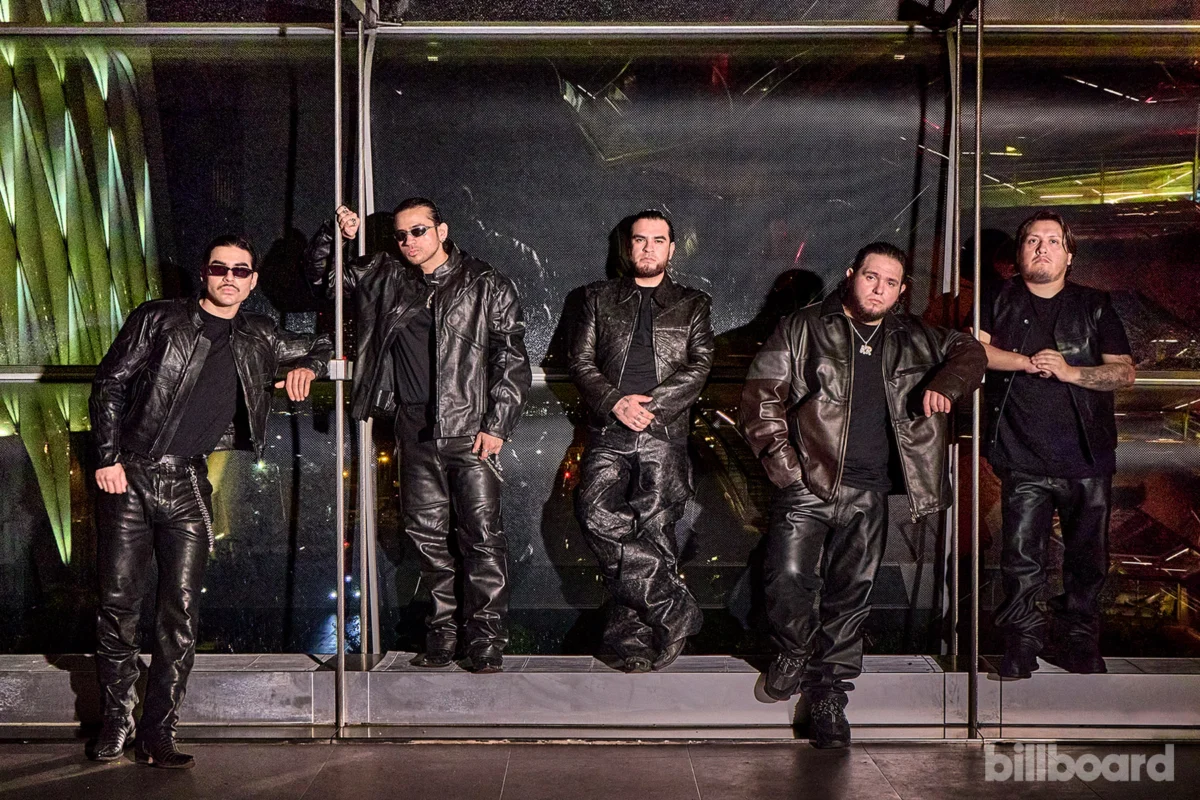
- November 22, 2026 (Mexico City, Mexico): The series concludes for the year with a performance by The Warning, rounding out a diverse international tour that spans multiple musical genres and cultural demographics.
The Logistics of Global Production
Hosting a halftime show in a stadium not originally designed for the NFL presents a unique set of engineering and logistical hurdles. Unlike the purpose-built stadiums in the United States, international venues—often historic soccer arenas—require meticulous planning to ensure that the field’s integrity remains intact while accommodating high-level production equipment.

Tubito notes that one of the most significant challenges is the constraint of physical space. In domestic NFL stadiums, infrastructure is often integrated into the design. Abroad, the league must work with local stadium operators to develop storage solutions for stages and sound equipment that do not obstruct the view of fans or interfere with the sightlines required for the football game. The goal, Tubito emphasizes, is to protect the game above all else. The logistical choreography required to transport, set up, and dismantle these stages within the limited time frame of an NFL halftime window requires a precision that rivals the most complex touring rock concerts.
Cultural Integration and Talent Curation
The process of selecting performers for these international games is rooted in deep market research. The league does not simply aim for the largest possible global name; rather, it seeks artists who resonate deeply with the local culture while maintaining a broad enough appeal for the global broadcast audience.
This strategy is evident in the selection of genres. For instance, the league has recognized the explosive growth of Latin music and has prioritized Latin artists for games in Brazil, Spain, and Mexico. Similarly, in markets like Germany and Australia, the league has identified a surprising but strong appetite for country music, alongside global pop and rock acts. By aligning the musical talent with the cultural fabric of the host city, the NFL is able to convert casual observers into potential lifelong fans.

Furthermore, the NFL looks for "year-round partners" in its artists. The ideal performer is one who is willing to engage with the league beyond the 15-minute halftime window—through social media campaigns, promotional appearances in local news, and active participation in league-affiliated charitable causes. This symbiotic relationship ensures that the artist’s fanbase is exposed to the NFL, while the NFL’s broadcast audience is exposed to the artist’s musical narrative.
The Role of Music in the Broader NFL Ecosystem
Beyond the halftime show, music functions as the sonic architecture of an NFL game. From the "bump-in" and "bump-out" music used during television broadcasts to the carefully curated stadium playlists that play after a touchdown, the league treats sound as a vital component of fan engagement.
Tubito describes this as a "subliminal" yet critical element. A touchdown followed by an energetic, familiar track can sustain the emotional momentum of a stadium crowd, whereas a mismatch in music selection can dissipate that energy. This philosophy extends to the league’s storytelling. When the NFL presents the Vince Lombardi Trophy, the music is chosen specifically to narrate the season’s arc, effectively using audio to cement the emotional impact of a championship win.

Implications for the Future of Sports Entertainment
The NFL’s commitment to these performances has broader implications for the sports industry. As other major global leagues—such as FIFA or international soccer leagues—increasingly adopt the "Super Bowl model" of entertainment, the competition for both artist time and fan attention is intensifying. The successful inclusion of halftime shows in the 2026 World Cup Final, for example, demonstrates that the demand for high-end musical spectacle within sporting events is becoming the new global expectation.
However, Tubito cautions against the notion of over-saturation. While there is a strong appetite for music, the league remains wary of "watering down" the experience. A halftime show must feel like an event, and by limiting these experiences to specific, high-profile international games rather than every regular-season match, the NFL preserves the "event status" of the performance.
Looking Ahead: The "Pie in the Sky" Ambition
As the NFL continues to refine its global entertainment strategy, the long-term vision is increasingly ambitious. Tubito envisions a future where the halftime show becomes a collaborative, cross-generational experience that transcends the capabilities of a solo act. He expresses a desire to curate "supergroups"—bringing together legendary guitarists or vocalists from across genres and generations for a singular, once-in-a-lifetime musical moment.

Whether or not this specific vision comes to fruition, the trajectory is clear: the NFL is no longer just a football league; it is a global media and entertainment entity. By treating music as a foundational pillar of its international expansion, the league is effectively diversifying its audience, ensuring that even if a viewer does not yet understand the complexities of the gridiron, they are drawn into the stadium by the promise of a world-class performance. This convergence of sport and sound is the new frontier for the NFL, and with seven major cities now hosting its signature entertainment, the league is firmly establishing its presence on the global stage.