 Mia Khoirunisa
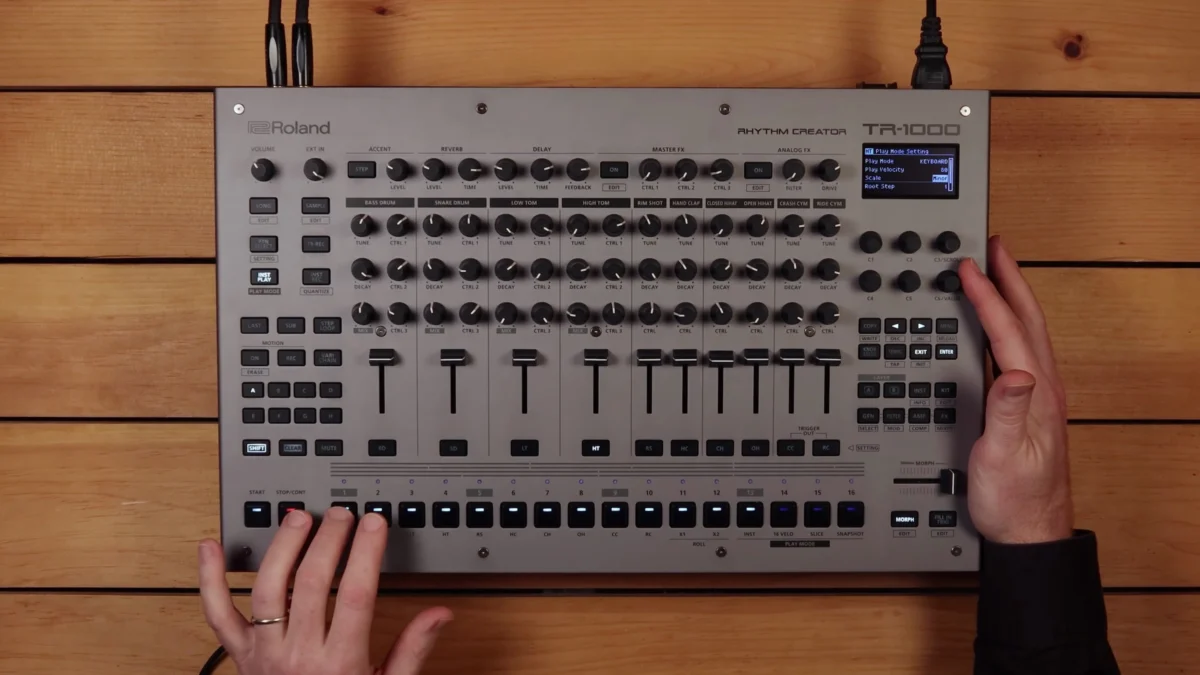
The evolution of modern electronic music hardware continues to accelerate as Roland corporation officially releases the comprehensive Version 1.50 firmware update for its flagship TR-1000 rhythm creator and drum machine. Rolled out to coincide with the global gathering of electronic music producers and industry professionals at the annual Amsterdam Dance Event, this significant system software update directly addresses some of the most persistent feature requests submitted by the global user community since the flagship hardware’s initial market debut. By introducing sophisticated note sequencing capabilities, a highly anticipated keyboard mode for melodic and bassline performance, and seamless, uninterrupted kit-and-pattern switching with active effects tails, Roland aims to solidify the TR-1000’s position at the pinnacle of high-end production gear.
Main Facts of the Version 1.50 Update
The core of the Version 1.50 update centers on expanding the compositional and live-performance utility of the TR-1000. While the hardware has long been praised for its robust rhythm-generating architecture and deep sound-shaping toolset, producers frequently cited limitations when attempting to integrate melodic elements and execute smooth, uninterrupted live transitions between contrasting song sections.
The newly implemented keyboard mode fundamentally changes how users interact with the hardware by mapping pads or external control sources to chromatic scales. This addition allows performers to effortlessly lay down intricate basslines, leads, and melodic counterpoint directly within the rhythm machine environment, bridging the traditional gap between drum programming and synthesizer performance. Furthermore, the inclusion of advanced note sequencing tools grants precise control over step durations, probability, and sub-steps, offering a level of generative complexity usually reserved for DAW-based environments.
Equally crucial for live electronic musicians is the integration of seamless pattern and kit switching with effects retention. In previous iterations, transitioning between heavily processed drum kits often resulted in audio dropouts or abrupt truncation of delay and reverb tails. Version 1.50 eliminates this limitation, allowing external audio inputs and master effects to persist dynamically across changes. This ensures a fluid, continuous sonic landscape during live sets, removing the technical constraints that previously forced artists to compromise their live arrangements.
Background Context and Event Timeline
The release of the TR-1000 firmware update arrives during a period of intense activity within the electronic music technology sector. Unveiled during the Amsterdam Dance Event—a premier summit where hardware manufacturers frequently showcase their latest innovations to an international audience of artists and technologists—the update demonstrates Roland’s continued commitment to post-launch product support and lifecycle enhancement.
Historically, hardware drum machines followed a rigid development cycle where features were permanently fixed at the time of purchase. However, the paradigm has shifted significantly over the past decade. Modern flagship instruments are increasingly treated as hardware-software hybrids requiring ongoing development to meet the evolving demands of contemporary producers. The rollout of Version 1.50 for the TR-1000 reflects this industry-wide trend, reinforcing the value proposition of high-end instruments by continually expanding their functional capabilities long after the initial retail launch.
Supporting Data and Technical Ecosystem
Alongside the core system update, Roland and independent technical educators have provided extensive documentation and hands-on demonstrations to help users navigate the new features. Platforms such as Unit:E have published detailed breakdown tutorials analyzing the practical application of both the keyboard mode and the seamless effects transition parameters. These resources illustrate how the updated firmware alters real-world studio workflows and live performance routines.
Additionally, prominent electronic artists have begun incorporating the updated hardware into their professional workflows. Producer Nadia Struiwigh, showcasing the TR-1000 during her appearances in Amsterdam, has highlighted the machine’s adaptability in generating complex ambient textures and rhythmic foundations. Her engagement with the hardware underscores its versatility, proving that the instrument extends far beyond traditional genre boundaries into experimental and ambient sound design.
Broader Industry Impact and Market Implications
From an analytical perspective, the release of Version 1.50 carries significant implications for both Roland’s product strategy and the broader electronic instrument market. While the TR-1000 remains positioned at the premium end of the price spectrum—reflecting its extensive physical footprint, weight, and professional-grade componentry—continuous software support enhances its long-term viability for professional studios and touring musicians.
Moreover, industry observers note that robust firmware development on flagship hardware often serves as a testing ground for technologies that may eventually filter down into more accessible, mid-tier product lines. As discussions circulate regarding potential future successors to popular mid-range units like the TR-8S, the engineering solutions perfected in the TR-1000—such as seamless transition architecture and advanced melodic sequencing—establish a technical baseline for upcoming releases across Roland’s broader rhythm instrument catalog.
Availability and Installation
The System Program Version 1.50 update is currently available as a free download directly from the official Roland support portal. Owners of the TR-1000 can install the firmware via standard USB transfer protocols by following the detailed instructions provided in the release notes. The hardware itself remains widely available through major global music technology retailers, including Sweetwater, Thomann, and Perfect Circuit, continuing to serve as a central fixture in contemporary electronic music production setups worldwide.