 Mia Khoirunisa
The contemporary geopolitical landscape is increasingly defined by physical barriers, bureaucratic blockades, and systemic inequalities that routinely stifle cross-border artistic collaboration. Yet, within this restrictive global framework, music continues to serve as an uncompromising sanctuary. Released this month on Montreal’s renowned Constellation Records, the collaborative album Bethlehem brings together the distinct talents of Palestinian and Lebanese artists Lawrence Sammour, Sary Moussa, and Abed Kobeissy. The resulting work transcends the fragmented realities of occupation and conflict, weaving together dispersed acoustic elements into a cohesive, resonant sonic tapestry that defies the physical boundaries imposed by modern geopolitics.
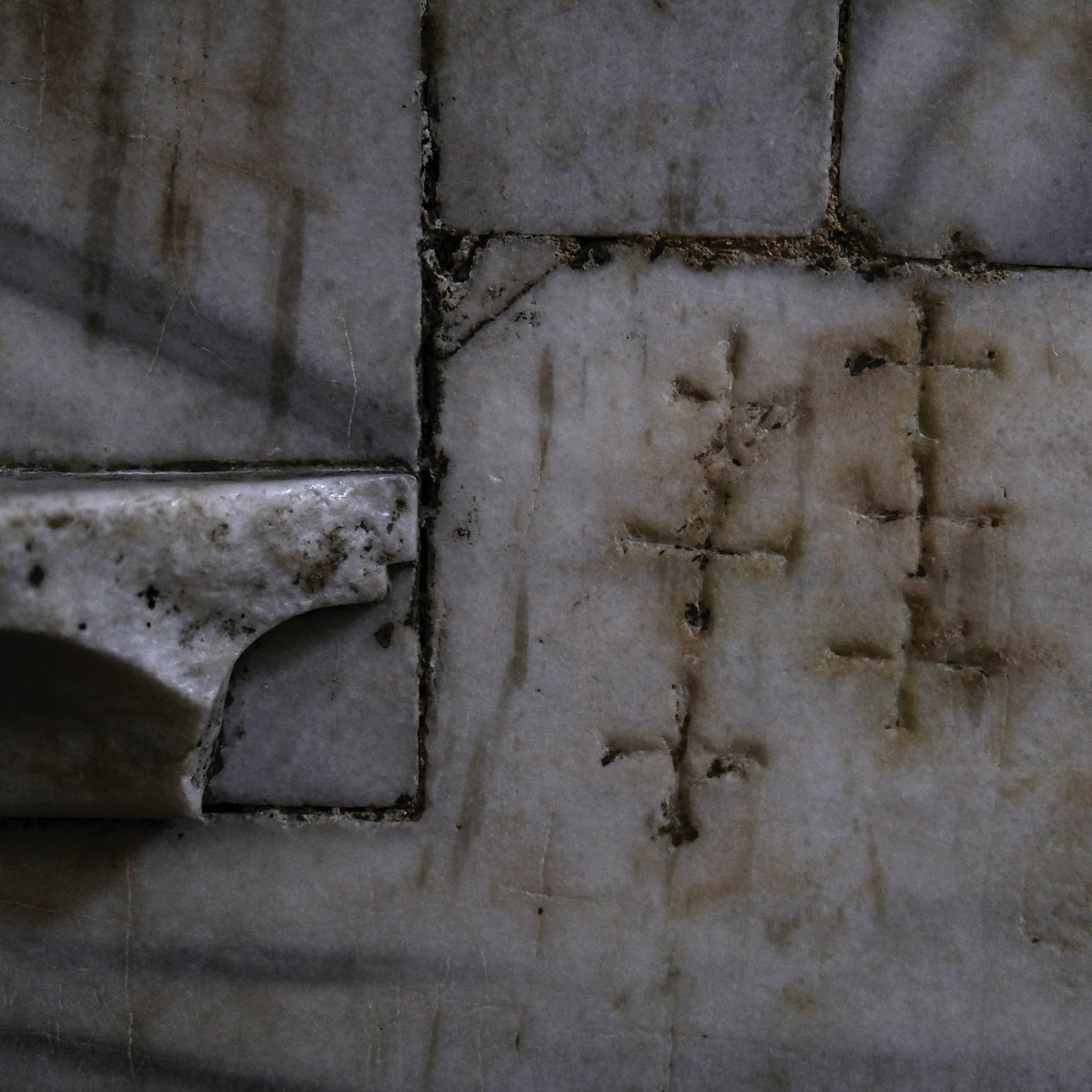
Main Facts and Production Anatomy
At its core, Bethlehem is an auditory document born of geographic impossibility. Contemporary border controls, military occupations, and stringent visa regulations create a labyrinth of inequality for artists in the Middle East, often preventing creative practitioners from neighboring countries from meeting in person. Consequently, the creation of Bethlehem required a decentralized, multi-site recording process that mirrors the very fragmentation the artists seek to heal.
The album’s architecture is divided across distinct regional recordings. Side A captures recordings made in the West Bank by Sary Moussa and Abed Kobeissy, alongside contributions from Lawrence Sammour—who has served as the choir director of the historic Church of the Nativity since 1970. Sammour’s vocal performances were recorded at the Wonder Cabinet in Bethlehem, facilitated by architects and cultural producers Ibrahim Owais and Yousef Anastas.
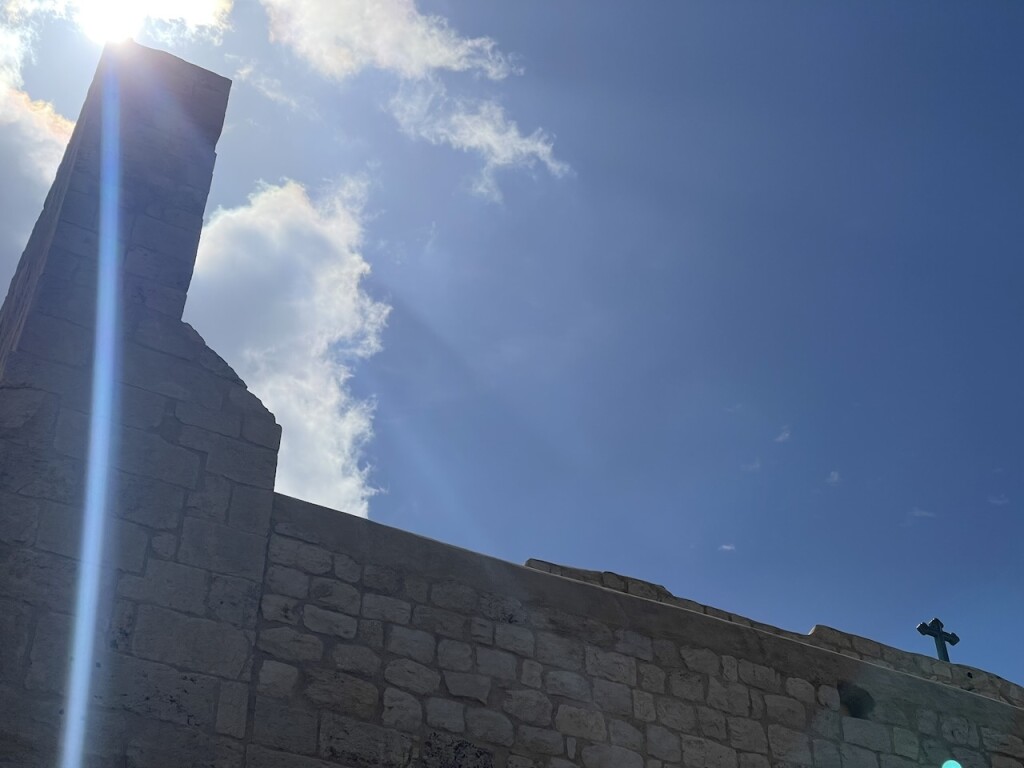
Side B shifts the geographic focus northward to Beirut, capturing the acoustic environment of the Lebanese capital. Recordings were engineered by sound artist Joy Moughanni at Dar El Nimer, a prominent cultural foundation whose physical space was shuttered earlier this year due to ongoing regional hostilities. Additional audio was captured in downtown Beirut at Metro Al-Madina during the Beirut & Beyond International Music Festival. Despite ongoing disruptions to civil infrastructure, including threats to the region’s main transportation hubs, the collaborative project underscores Beirut’s enduring cultural engagement with the wider international community.
Chronology and Evolution of the Collaboration
The realization of Bethlehem unfolded through a deliberate sequence of remote cooperation and eventual physical convergence, highlighting the adaptability of modern experimental musicians facing systemic constraints.
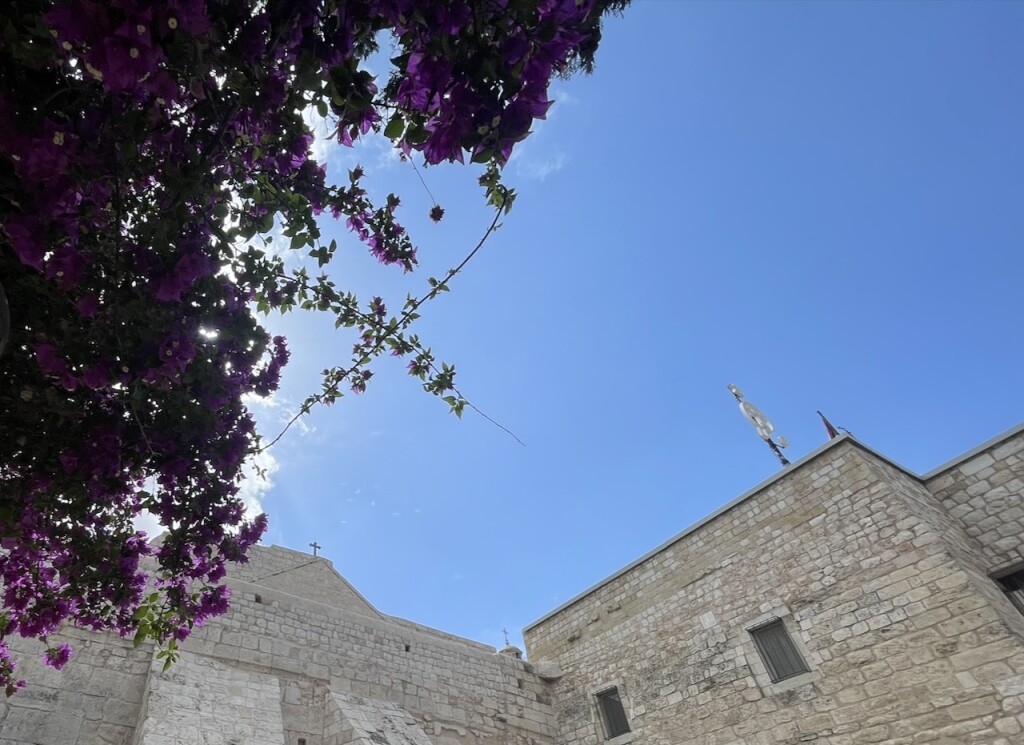
- Initial Phase (Remote Development): Due to strict travel prohibitions and administrative barriers, the initial conceptualization and early performance iterations of the project were executed remotely. Artists exchanged audio files, digital stems, and improvisational ideas across closed borders, utilizing telecommunications to bridge the physical gap between the West Bank and Lebanon.
- Live Debut (Utrecht, Netherlands): The project transitioned from a purely digital exchange to a physical reality during a live performance at the Le Guess Who? festival in Utrecht, Netherlands. This engagement marked the first time the musicians gathered in the same physical space to perform the material together.
- Album Release (Current Milestone): The multi-year development culminated this month with the official physical and digital release of Bethlehem via Constellation Records, accompanied by visual art and cover design by architect Elias Anastas.
Musical Style and Aesthetic Framework
Stylistically, Bethlehem resists strict categorization within traditional folkloric parameters. Instead, the album establishes a dialogue between ancient liturgical idioms and contemporary electronic sound design. Quivering electronic textures, sustained ambient drones, and precise digital delays co-mingle with sacred choral hymns and acoustic instrumentation, such as the resonant strings of the buzuq.
Rather than treating these elements as disparate, the compositions allow the end of one sonic texture to organically bleed into the beginning of another. Hymn melodies gradually unfold into dissonant, ringing frequencies, expanding traditional modal structures into a contemporary experimental language. This juxtaposition creates an immersive listening experience characterized by both delicate, solemnly intimate passages and sweeping, sonorous expanses—exemplified by tracks like "Khatima II," which swells with dynamic emotional intensity.
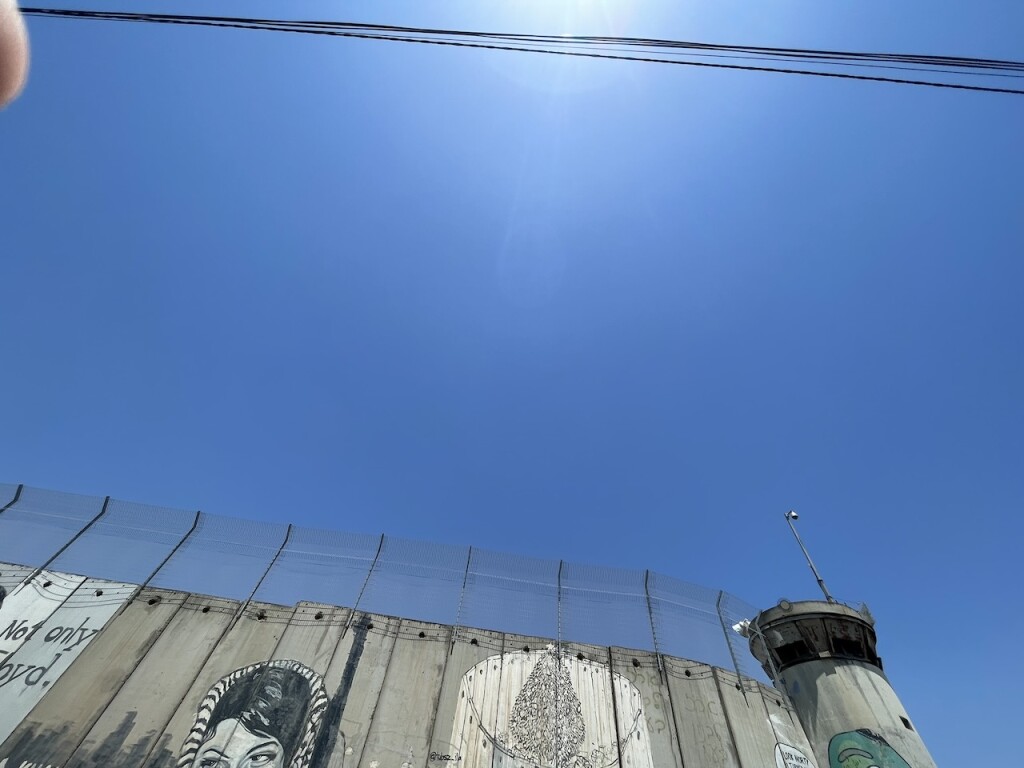
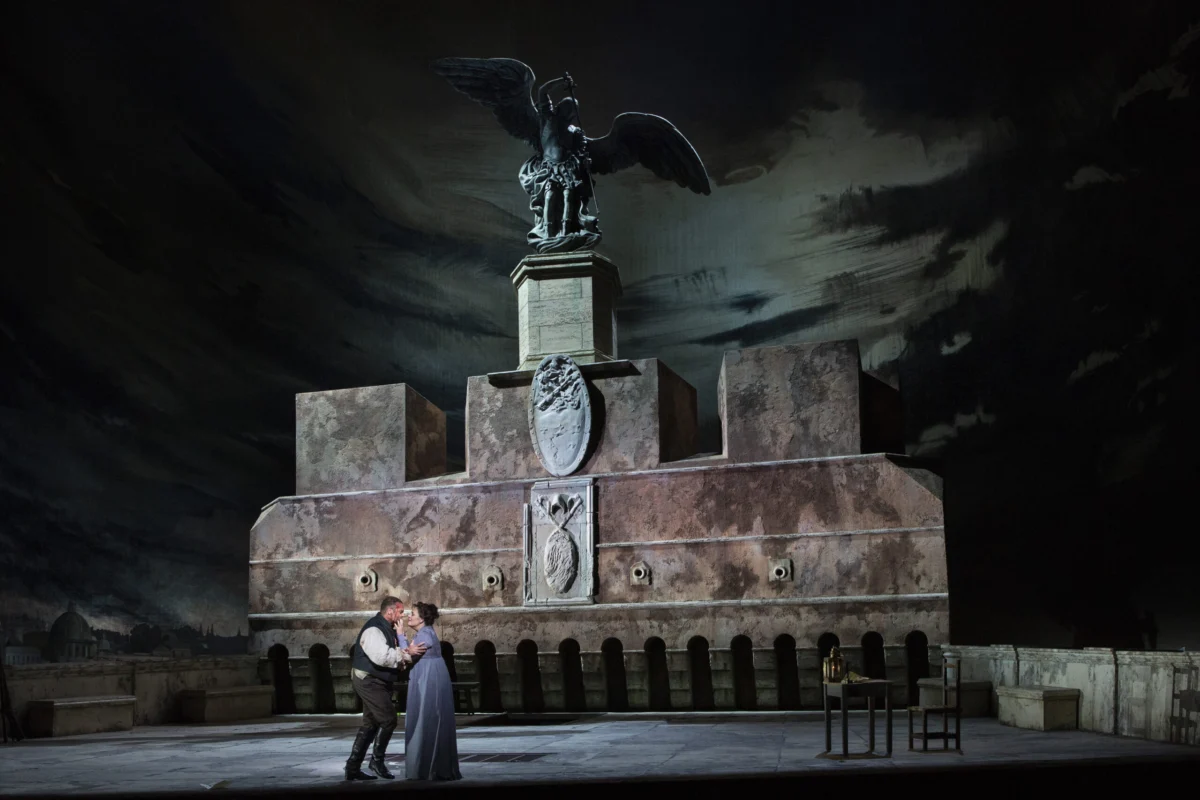
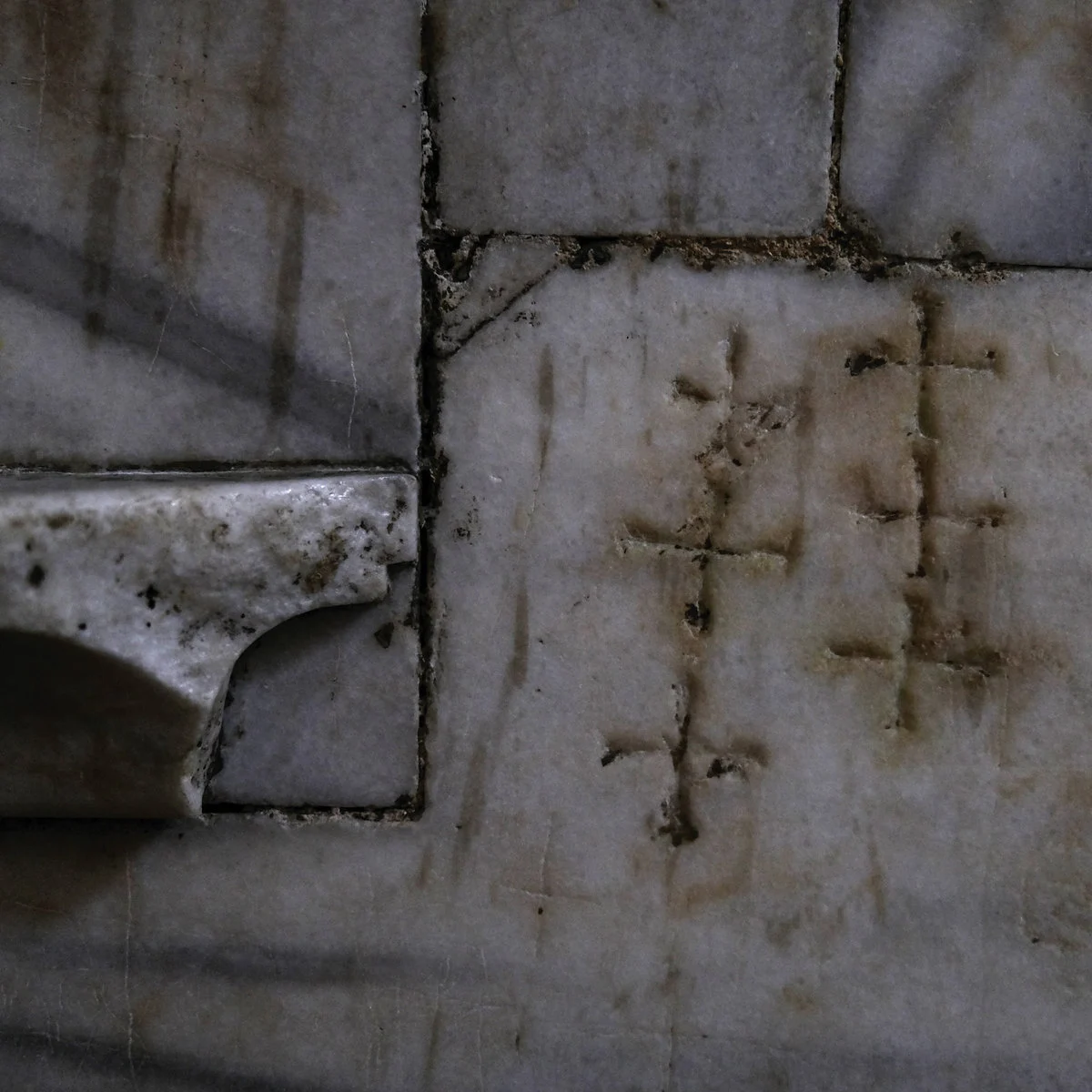
The incorporation of liturgical elements carries profound historical and cultural weight, particularly given the multi-denominational heritage of the Church of the Nativity in Bethlehem. The site traditionally accommodates diverse Christian traditions—including Catholic, Armenian Apostolic, Coptic, Syriac, and Ethiopian rites—while existing in immediate proximity to local Islamic architecture. The album mirrors this architectural and spiritual pluralism by framing sacred vocal traditions within an avant-garde electronic context.
Architectural Context and Cultural Spaces
The physical and institutional spaces that facilitated the creation of Bethlehem are integral to its narrative. Portions of the album were recorded at the Wonder Cabinet in Bethlehem, a multidisciplinary architectural project spearheaded by architects Elias and Yousef Anastas, who were awarded the 2026 Berlin Art Prize. The Wonder Cabinet functions not merely as a physical structure, but as an active cultural hub that also hosts the experimental broadcasting platform Radio alHara.
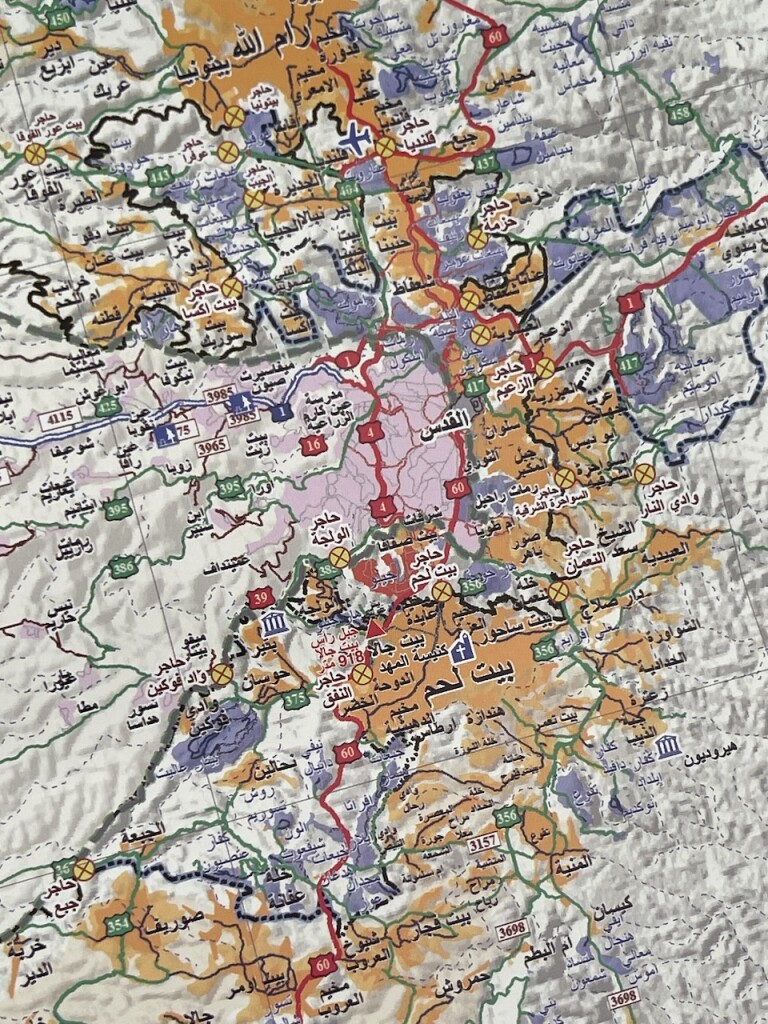
The involvement of such architectural and cultural spaces emphasizes the concept of spatial politics. In an era where urban environments in conflict zones are subjected to destruction, and major Western metropolitan centers increasingly implement restrictive immigration and border policies, spaces like the Wonder Cabinet and Beirut’s cultural venues operate on principles of radical hospitality. They serve as physical manifestations of the album’s core premise: creating communal environments that invite participation and shared emotional processing across geographical divides.
Broader Impact and Implications
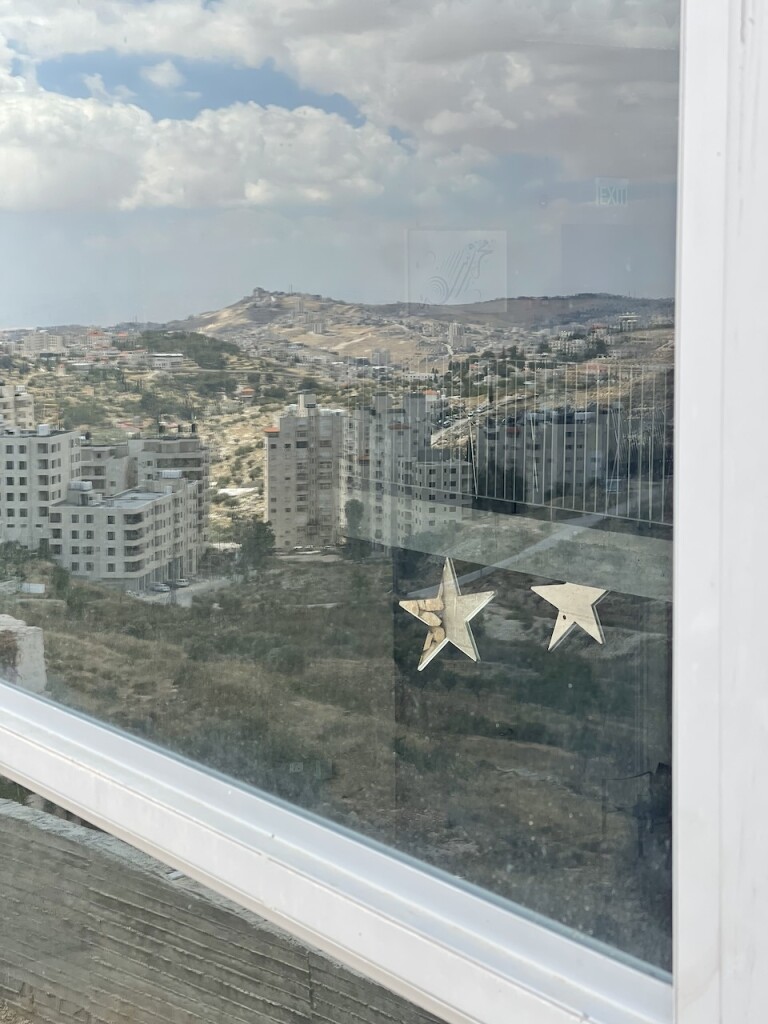
The release of Bethlehem arrives during a period of acute humanitarian and cultural crisis across Palestine and Lebanon. By uniting artists who are systematically partitioned by military checkpoints, administrative barriers, and active conflict, the album challenges the efficacy of borders as instruments of cultural erasure.
Furthermore, the project follows closely behind related international collaborations and digital broadcasts originating from besieged areas, such as experimental electronic music transmissions from Gaza. These initiatives collectively demonstrate how digital networks and avant-garde sound art can circumvent physical blockades, ensuring that cultural production remains active and resilient under duress.
In academic and musicological terms, Bethlehem offers a case study in transnational solidarity through art. It prompts a re-evaluation of how contemporary music communities define collaboration in the face of geopolitical fragmentation. By anchoring modern electronic experimentation in deep-rooted regional vocal traditions, the collaborators have constructed a permanent sonic archive—one that records a specific historical inflection point while asserting an enduring claim to shared cultural space.