Muhammad Ibadurrohman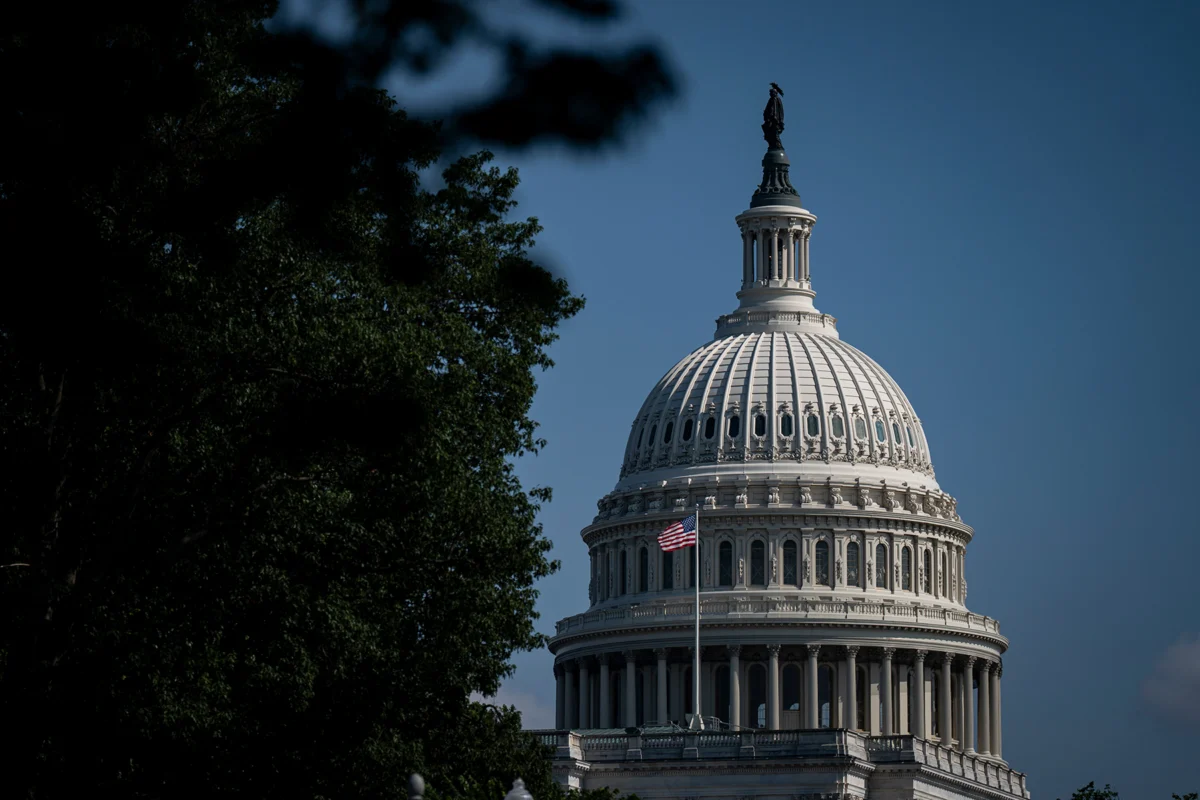
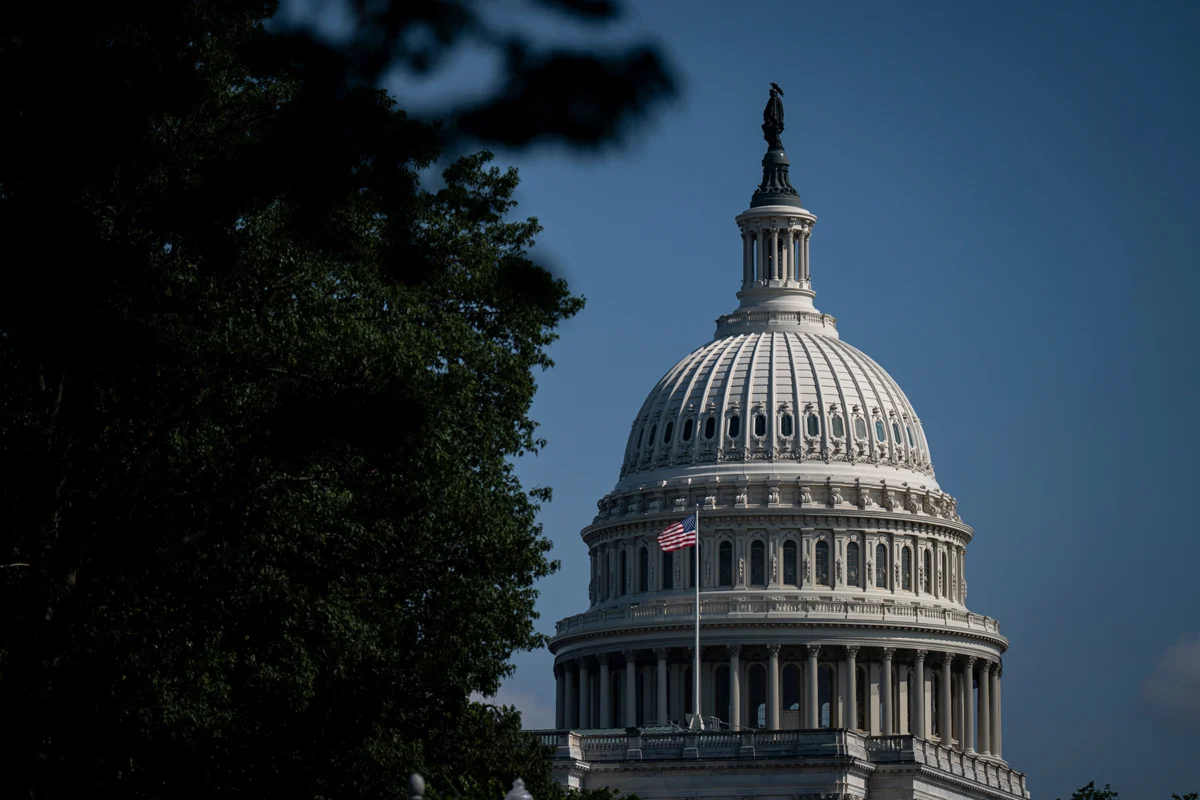
The esteemed music industry publication, Billboard, has undertaken a comprehensive initiative to track and analyze every piece of federal legislation introduced in the 119th Congress that holds potential ramifications for the music business. This proactive surveillance provides an indispensable guide for artists, executives, policymakers, and consumers, illuminating the complex interplay between Washington D.C.’s legislative machinery and the dynamic landscape of the global music economy. The 119th Congress, spanning a critical period, is deliberating a diverse array of bills that could reshape established norms and introduce new frameworks across various facets of the industry, from the intricacies of songwriting and intellectual property rights to the operational realities of live performances and digital licensing.
The Legislative Imperative for the Music Industry
The modern music industry, a vibrant ecosystem encompassing creators, publishers, labels, distributors, live venues, and digital platforms, operates under a complex web of legal and regulatory frameworks. These frameworks, largely shaped by federal legislation, dictate everything from how artists are compensated for their work to the competitive practices within the ticketing market. As technology continues to evolve at an unprecedented pace, introducing new challenges such as artificial intelligence’s role in creation and copyright, the need for adaptive and forward-thinking legislation becomes increasingly critical.
Historically, legislative action has played a pivotal role in safeguarding the interests of music creators and businesses. Landmark acts, such as the Digital Millennium Copyright Act (DMCA) of 1998 and the more recent Music Modernization Act (MMA) of 2018, illustrate the profound impact federal law can have. The MMA, for instance, significantly reformed mechanical licensing for digital streaming, aiming to ensure songwriters and publishers receive fairer compensation. Such legislative precedents underscore why the industry remains keenly engaged with congressional proceedings, recognizing that policy decisions made today will echo through the industry for decades to come. The economic footprint of the music industry in the United States is substantial, contributing billions to the GDP and supporting millions of jobs directly and indirectly. According to recent economic impact reports, the creative industries, with music at their core, are significant drivers of innovation and cultural export, making their regulatory environment a matter of national economic interest.
Key Legislative Areas Under Scrutiny in the 119th Congress
The legislative agenda for the 119th Congress affecting the music industry is broad, addressing both longstanding issues and emerging concerns. Billboard‘s tracking efforts categorize these bills into several critical domains:
1. Songwriting and Copyright Royalties: This remains a perennial focus. Bills in this category often aim to adjust royalty rates, improve collection mechanisms, or clarify ownership rights in the digital age. Discussions may revolve around the fairness of streaming royalty splits, the transparency of collection societies, and the ongoing debate surrounding statutory rates set by the Copyright Royalty Board. The rise of user-generated content and the potential for copyright infringement on digital platforms also continue to prompt legislative proposals.
2. Licensing and Intellectual Property (IP) Protection: Beyond songwriting, broader IP issues are always on the table. This includes proposals to strengthen enforcement against piracy, refine compulsory licensing schemes, and adapt copyright law to new technological realities. With the increasing global reach of digital music, international IP harmonization efforts might also feature in legislative discussions, impacting how American artists’ works are protected abroad and vice-versa.
3. Ticketing and Live Performance Regulation: The live music sector, a cornerstone of the industry’s revenue and cultural impact, faces persistent challenges, particularly concerning ticketing practices. Bills here often seek to combat ticket scalping, regulate secondary markets, enhance transparency in pricing, and protect consumers from deceptive practices. Issues such as speculative ticketing, hidden fees, and the use of bots to unfairly purchase large quantities of tickets are frequently targeted by proposed legislation. The post-pandemic resurgence of live events has intensified scrutiny on these issues, as fans and artists alike seek a more equitable and accessible experience.
4. Artificial Intelligence (AI) and Creativity: An emergent and rapidly evolving area of concern is the intersection of AI with music creation and copyright. The 119th Congress is expected to grapple with fundamental questions: How should AI-generated music be treated under existing copyright law? What protections are needed for artists whose work is used to train AI models without consent or compensation? Bills in this category could range from requiring disclosure of AI-generated content to establishing new frameworks for licensing musical works used in AI development, posing significant implications for future creative processes and intellectual property rights.
5. Tourism and Economic Development: While less direct, legislation supporting arts funding, cultural tourism, and small business development can significantly benefit the music industry. Policies that encourage investment in music venues, support local artists, or promote cultural events contribute to a healthy ecosystem for music production and consumption.
The 119th Congress: A Detailed Look at Advocacy and Bipartisan Support
A notable characteristic of much of the music-related legislation before the 119th Congress is the significant degree of bipartisan support it garners. Issues affecting artists and creators often transcend traditional political divides, allowing for broader consensus-building. Both Democratic and Republican members of Congress have shown a willingness to engage with industry stakeholders to craft legislation that aims to foster innovation, protect creators, and ensure fair market practices. This bipartisan backing is crucial, as it increases the likelihood of bills progressing through the legislative gauntlet.
Industry players are not passive observers; they are actively engaged in advocating for the passage of these bills. Prominent organizations such as The Recording Academy, which represents music creators, and the Recording Industry Association of America (RIAA), representing record labels, have publicly endorsed numerous legislative proposals. Their advocacy often involves detailed briefings for congressional staff, testimony at committee hearings, and grassroots campaigns to mobilize artists and fans. Beyond these industry associations, major corporate entities, including the largest record labels (e.g., Universal Music Group, Sony Music Entertainment, Warner Music Group) and live entertainment giants like Live Nation, also dedicate substantial resources to lobbying efforts, recognizing the direct impact of legislation on their business models and profitability.
For example, on ticketing reform, coalitions involving artist representatives, consumer advocacy groups, and smaller venue operators have united to push for greater transparency and anti-bot measures. Their collective voice highlights the broad dissatisfaction with current market conditions and the perceived exploitation of fans. Similarly, discussions around AI and copyright see a convergence of traditional copyright holders, artist unions, and even some tech companies seeking clarity and a level playing field. This broad coalition demonstrates the industry’s unified stance on many of these critical issues, leveraging collective influence to drive legislative change.
Navigating the Legislative Labyrinth: A Bill’s Journey
The legislative process in the United States Congress is notoriously complex and arduous, often likened to a labyrinth. For a bill to become law, it must successfully navigate multiple stages, each presenting potential hurdles:
1. Introduction: A bill typically begins its journey when a member of the House of Representatives or the Senate introduces it. At this stage, it is assigned a bill number and referred to a committee. Often, identical or similar versions of a bill are introduced in both chambers simultaneously to expedite the process and demonstrate widespread support.
2. Committee Review: This is often the most critical and time-consuming stage. Committees, composed of members with expertise in specific policy areas, hold hearings, gather expert testimony, and conduct extensive mark-ups (revisions). Bills can be significantly altered, combined, or even shelved indefinitely at this stage. Industry advocates frequently engage heavily with committee members and staff during this phase. For instance, a bill addressing streaming royalties would likely go through the House Judiciary Committee or the Senate Judiciary Committee.
3. Floor Action: If a bill successfully emerges from committee, it is then placed on the calendar for a vote by the full chamber (House or Senate). Before a vote, there may be further debate and opportunities for amendments. Passing a bill requires a simple majority vote in both the House and the Senate.
4. Conference Committee (if necessary): If different versions of a bill pass in the House and Senate, a conference committee composed of members from both chambers is formed to reconcile the differences and create a unified version. This compromise bill must then be passed by both chambers again.
5. Presidential Assent: Finally, once a bill has passed both the House and Senate in identical form, it is sent to the President. The President can sign it into law, veto it (which Congress can override with a two-thirds majority vote in both chambers), or allow it to become law without a signature.
This multi-stage process means that many bills introduced never make it to the President’s desk. The average success rate for bills introduced is relatively low, underscoring the persistence and strategic advocacy required by industry stakeholders. The 119th Congress, like its predecessors, will see a flurry of introductions, but only a select few will ultimately be enacted.
Potential Impact and Economic Ramifications
The successful passage or failure of these music-related bills carries significant economic and cultural ramifications.
- For Artists and Songwriters: Favorable legislation could mean fairer royalty rates, stronger protection against unauthorized use of their work (including by AI), and a more transparent and equitable live performance market. This translates into increased income, greater creative control, and improved career sustainability. Conversely, inaction or unfavorable legislation could exacerbate existing challenges, diminish earning potential, and stifle artistic innovation.
- For Consumers: Bills addressing ticketing could lead to more affordable and accessible concert experiences, reducing the prevalence of predatory pricing and fraudulent tickets. Enhanced IP protections could ensure a vibrant market of high-quality content, while also potentially impacting the cost of digital services.
- For Businesses (Labels, Publishers, Venues, Tech Companies): Clarity in copyright and licensing laws provides a stable environment for investment and innovation. For record labels and publishers, fair compensation mechanisms are crucial for their ability to invest in new talent and market music globally. Live venues and promoters would benefit from regulations that create a level playing field in ticketing and protect their revenue streams. Tech companies involved in streaming or AI development would either face new compliance requirements or benefit from clear guidelines that foster responsible innovation.
For instance, robust anti-bot legislation in ticketing could potentially inject hundreds of millions of dollars back into the primary ticket market, benefiting artists, venues, and legitimate distributors, rather than illicit secondary market operators. Similarly, a well-crafted AI copyright framework could establish new licensing revenue streams for rights holders, potentially worth billions as AI music generation becomes more sophisticated. The stakes are undeniably high, with potential impacts on market valuations, employment figures, and the overall health of the creative economy.
Looking Ahead: Billboard’s Enduring Role
Billboard‘s commitment to tracking these legislative developments is more than just reporting; it serves as a vital public service for the music community. By consolidating information on bill histories, identifying key supporters, and analyzing potential impacts, Billboard empowers stakeholders to stay informed and engage effectively. The dynamic nature of the legislative process means this resource will be continuously updated as bills progress through various stages in the House and Senate, new proposals emerge, or existing ones are revised.
This ongoing coverage ensures that the music industry remains abreast of policy shifts that could define its future. As the 119th Congress continues its work, Billboard‘s comprehensive legislative tracker will serve as an indispensable tool, illuminating the path from congressional chambers to the recording studios, concert halls, and digital platforms that form the heart of the music world. The intricate dance between policy and creativity will undoubtedly shape the next chapter of music history, and Billboard remains at the forefront, documenting every step.