 Mia Khoirunisa
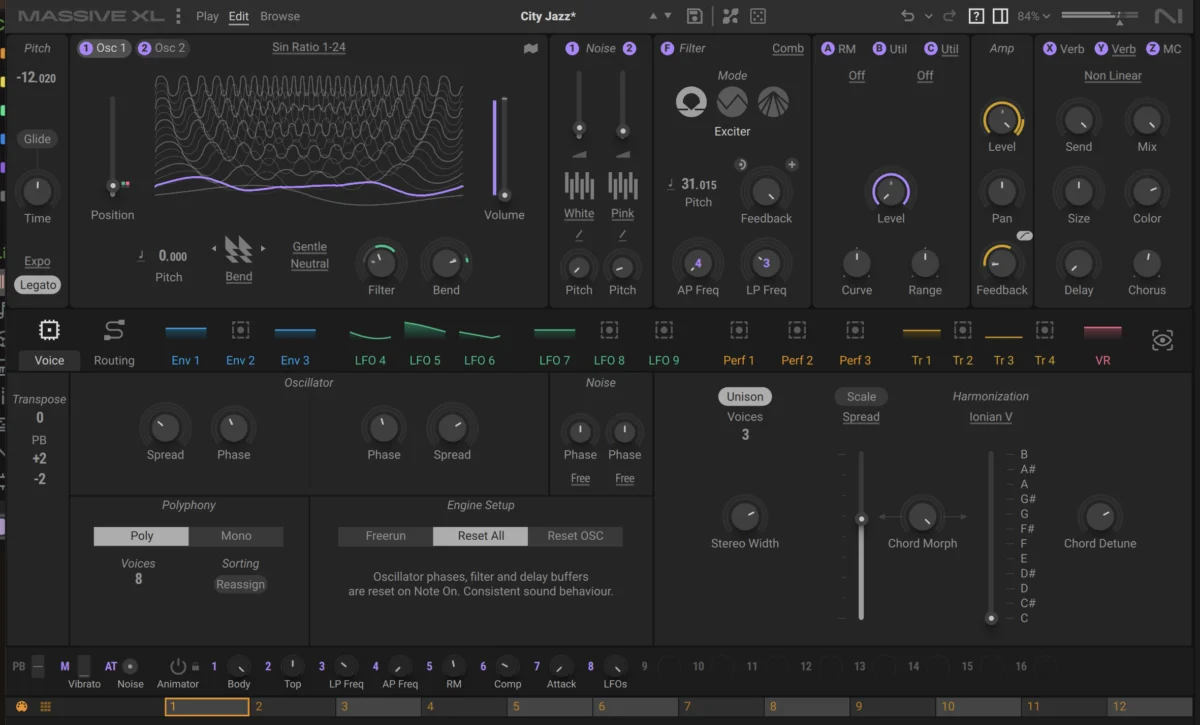
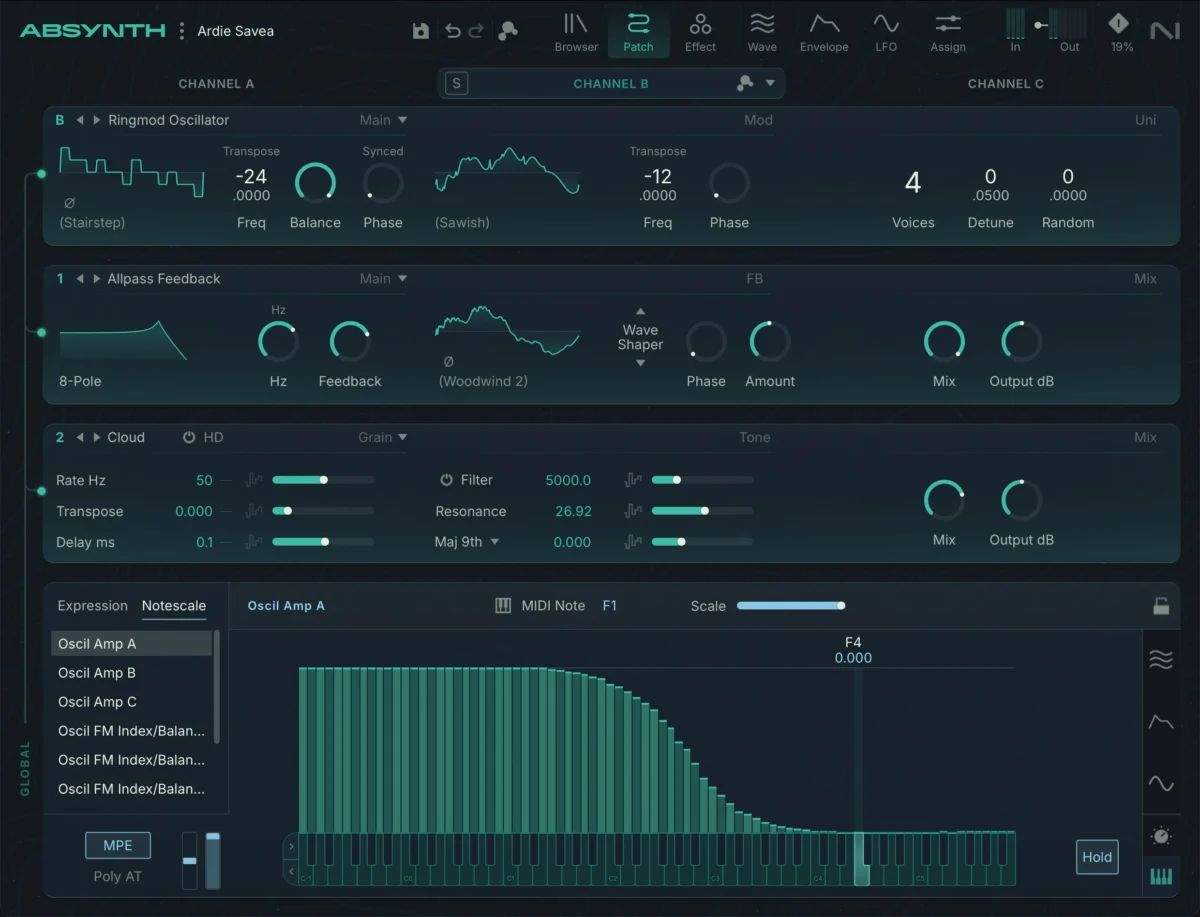
Native Instruments has officially expanded its flagship software synthesizer lineup with the release of Massive XL, a comprehensive evolution designed to address the complex architecture and competitive pressures faced by its predecessor, Massive X. Available immediately at an introductory promotional price of $99, £89, and €99 through January 3, the new instrument arrives alongside updates to legacy platforms like Absynth, signaling a strategic revitalization of Native Instruments’ classic software catalog.
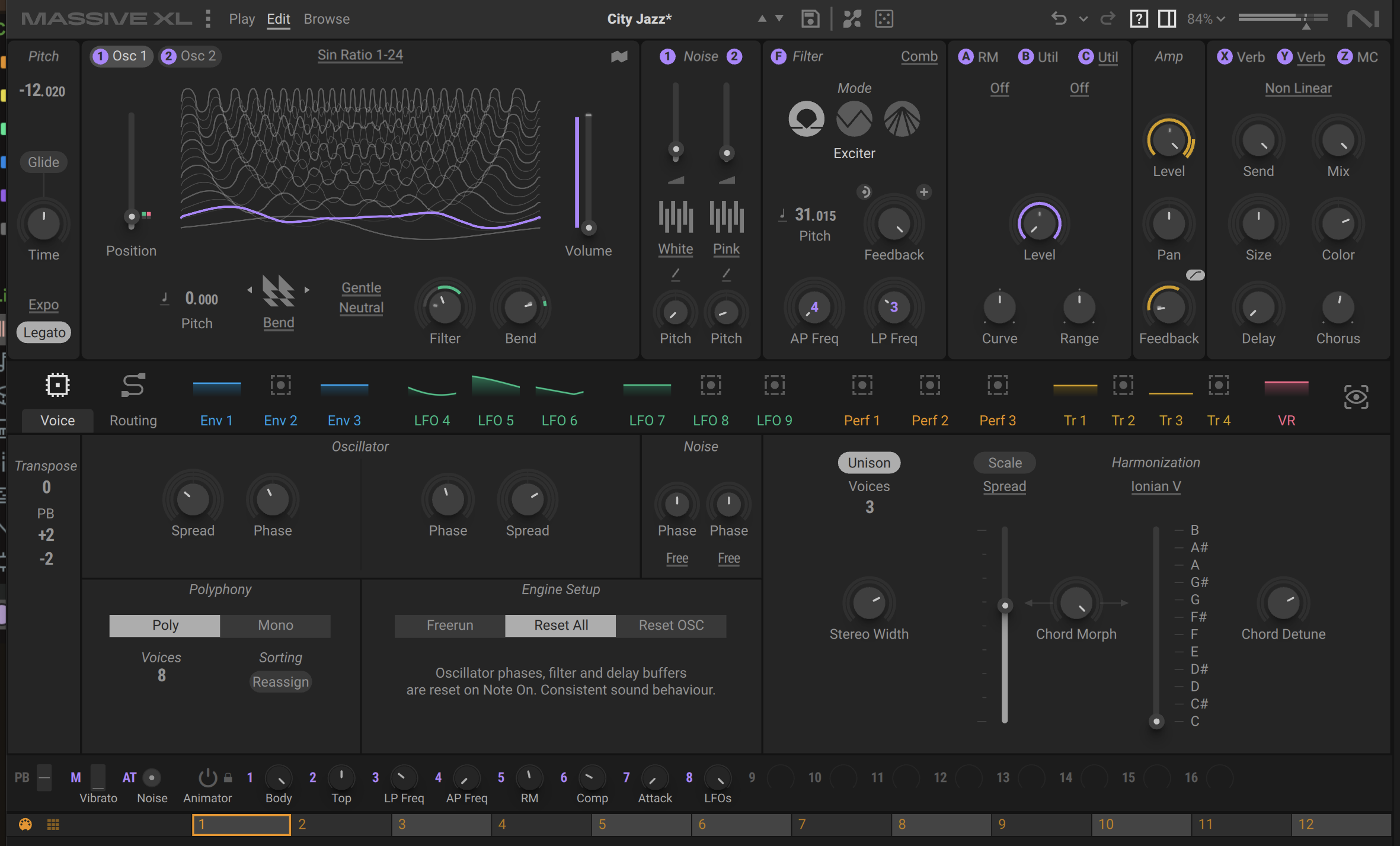
The release of Massive XL positions itself in a crowded virtual instrument market where software synthesizers like Xfer Records Serum, Arturia Pigments, U-he Zebra, and Surge XT dominate modern production workflows. While Massive X introduced a deep, semi-modular wavetable framework capable of producing hard-edged, evolving textures, it often required exhaustive parameter mapping that pulled users away from the creative flow. Massive XL seeks to bridge this gap by prioritizing discoverability, intuitive modulation, and modular-specific generation tools.
Evolution of a Software Icon: From Original Massive to Massive X and XL
To understand the positioning of Massive XL, it is necessary to examine the trajectory of the software series. The original Massive, launched in the mid-2000s, fundamentally altered modern electronic music production. Its drag-and-drop modulation system, highly visual macro controls, and gritty wavetable oscillators became the foundational building blocks for the mid-2010s electronic dance music boom, particularly within genres like dubstep, electro house, and modern bass music.
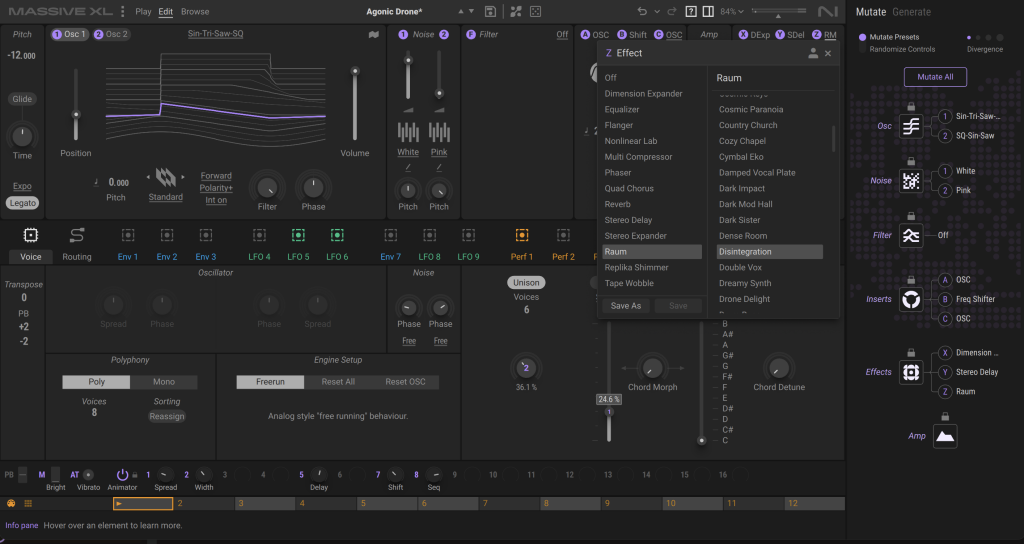
When Native Instruments introduced Massive X, the company aimed to modernize the architecture with a more advanced routing matrix and an expanded sonic palette. However, the sheer density of the interface and the proliferation of equally powerful competitors meant that Massive X struggled to capture the immediate, addictive playability of the original hardware.
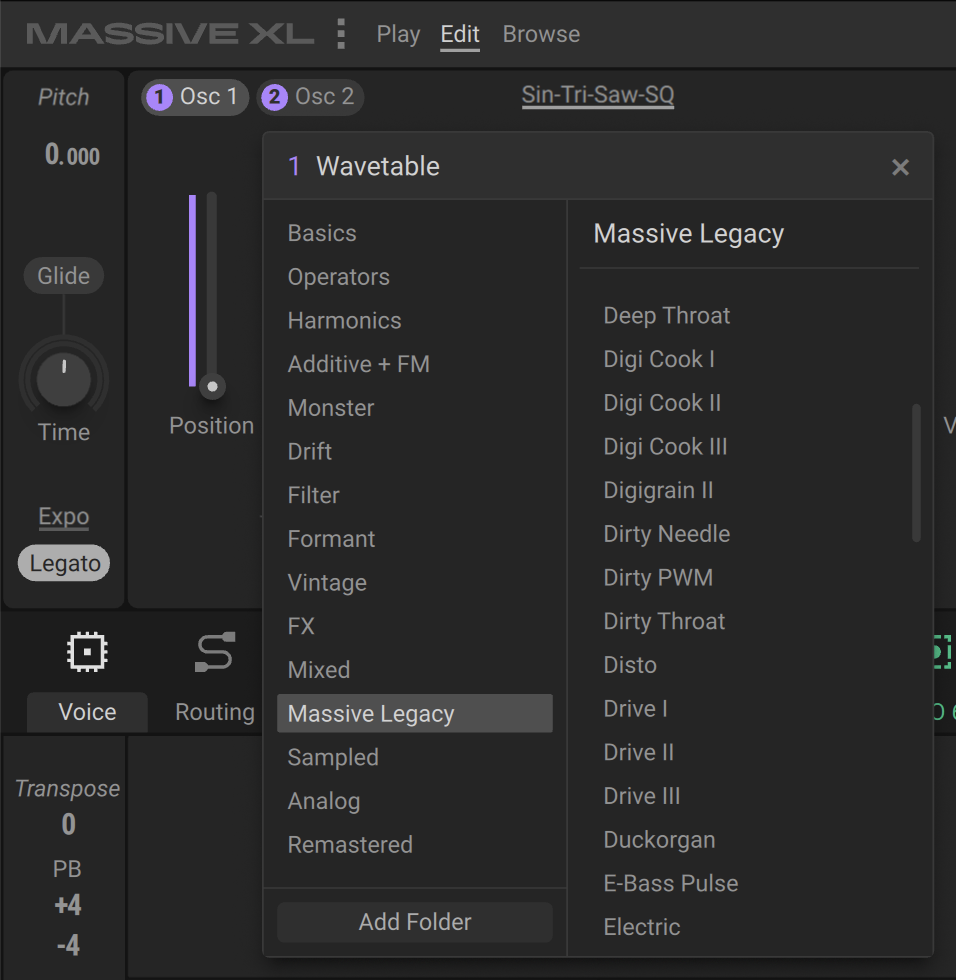
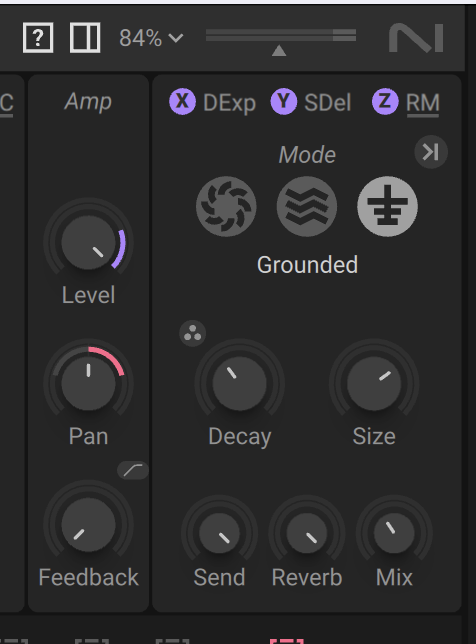
Massive XL adopts a refinement philosophy similar to the recent updates seen across Native Instruments’ software ecosystem. Rather than starting entirely from scratch, the development team focused on streamlining the user experience, enhancing visual feedback, and incorporating legacy elements from historical synths—such as influences from PPG wavetable architecture—while integrating modern effects derived from acclaimed Native Instruments processors like Raum.
Core Feature Set and Architectural Enhancements
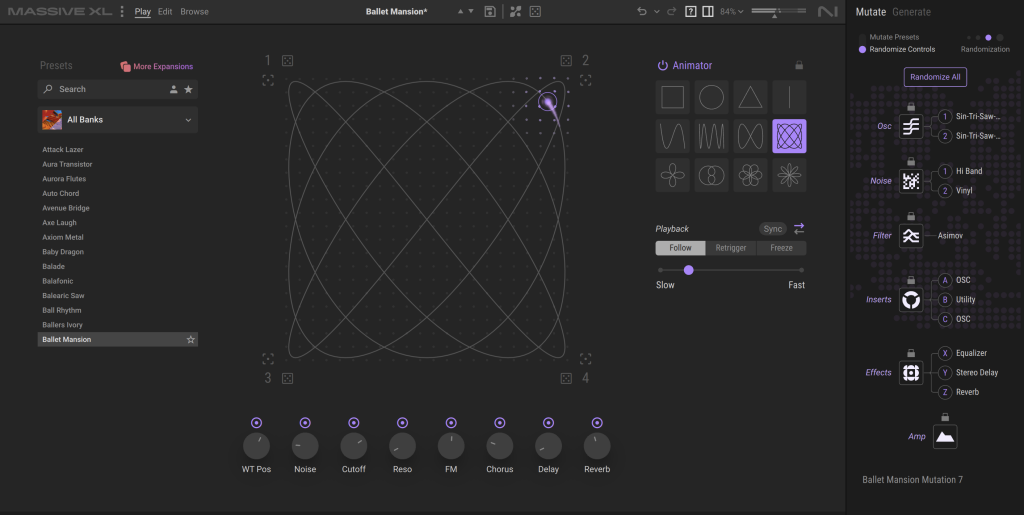
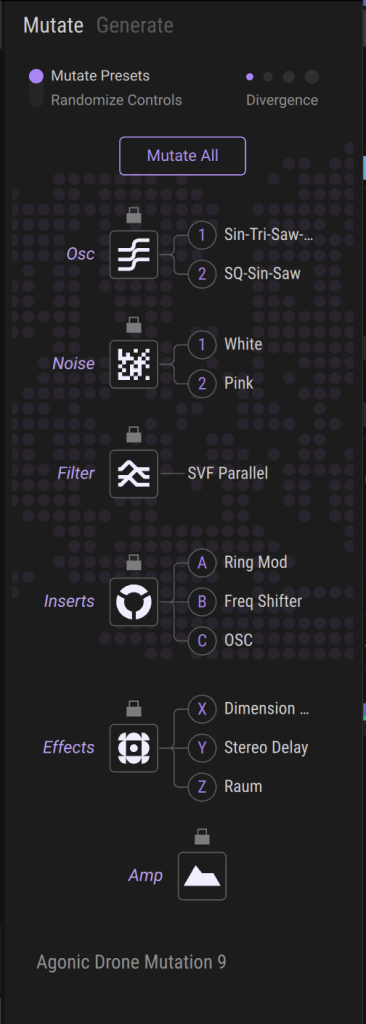
The primary focus of Massive XL is parameter discoverability and inspirational workflow tools. Among the most notable additions are module-specific mutators and advanced randomization engines. Unlike global randomizers that frequently destroy a patch entirely, Massive XL’s guided, similarity-aware mutation features allow producers to shuffle the deck within targeted sections of the synth. This modular approach ensures that users can instantly generate fresh variations of envelopes, oscillators, or filters without losing the foundational character of a sound.
Furthermore, the instrument features expanded morphing and animation capabilities. An interactive X/Y performance pad allows users to capture, lock, transfer, and reuse modulation movements across multiple presets. This tactile approach mimics the expressive nature of hardware workstations from the early 1990s, encouraging real-time performance interaction rather than static mouse-clicking.
Expressivity has also been enhanced through native support for polyphonic aftertouch. This inclusion aligns with modern hardware controller standards, allowing for nuanced, per-voice modulation adjustments that respond directly to finger pressure on compatible keyboards.
The user interface has undergone a significant overhaul to make complex routing more transparent. Traditional elements—such as drag-and-drop modulation assignment, sidechain routing, custom envelopes, LFOs, performers, trackers, and the signature 16 assignable macro controls—remain central to the instrument but are presented within an immersive, visually responsive layout. Additional tonal depth is provided by the inclusion of a rich Chord Morph function and advanced oscillator-bending parameters.
Industry Context and Competitive Landscape
The release of Massive XL occurs within a rapidly evolving digital audio workstation (DAW) plugin market. Software developers are increasingly focusing on workflow acceleration, AI-assisted generation, and organic sound discovery. For instance, tools like audiate-to-patch preset generators—conceptually similar to generative plugins like LennarDigital Sylenth updates or Sonic Charges’ Synplant 2—are reshaping how producers approach sound design by translating audio references or simple controls into fully realized patches.
By offering Massive XL at an accessible introductory price point of $99 through Plugin Boutique, Native Instruments is aggressively targeting both legacy users looking to upgrade and a new generation of producers who may have bypassed Massive X in favor of competitors like Pigments or Serum.
Market Implications and Future Outlook
The launch of Massive XL carries several implications for the software synthesizer market:
- Workflow Prioritization: The industry-wide shift toward "guided discovery" demonstrates that raw synthesis power must be paired with intuitive interfaces to maintain user engagement in fast-paced production environments.
- Legacy Revitalization: Native Instruments’ recent strategy of updating historical pillars like Absynth and Massive indicates a renewed commitment to its foundational intellectual property, appealing to long-term loyalists while updating codebases for modern operating systems (macOS and Windows).
- Pricing Strategy: Sub-$100 introductory pricing tiers for major software updates reflect the highly competitive nature of the virtual instrument market, where lower barriers to entry are essential for capturing market share during release windows.
Massive XL is currently available for purchase through authorized retailers, with the introductory pricing structure remaining active until January 3. As producers continue to explore the instrument’s mutator engine, polyphonic aftertouch integration, and legacy sound-shaping tools, Massive XL stands as a pragmatic refinement of a legendary synthesis platform, successfully blending deep technical architecture with immediate, hands-on playability.