Nayara Elvina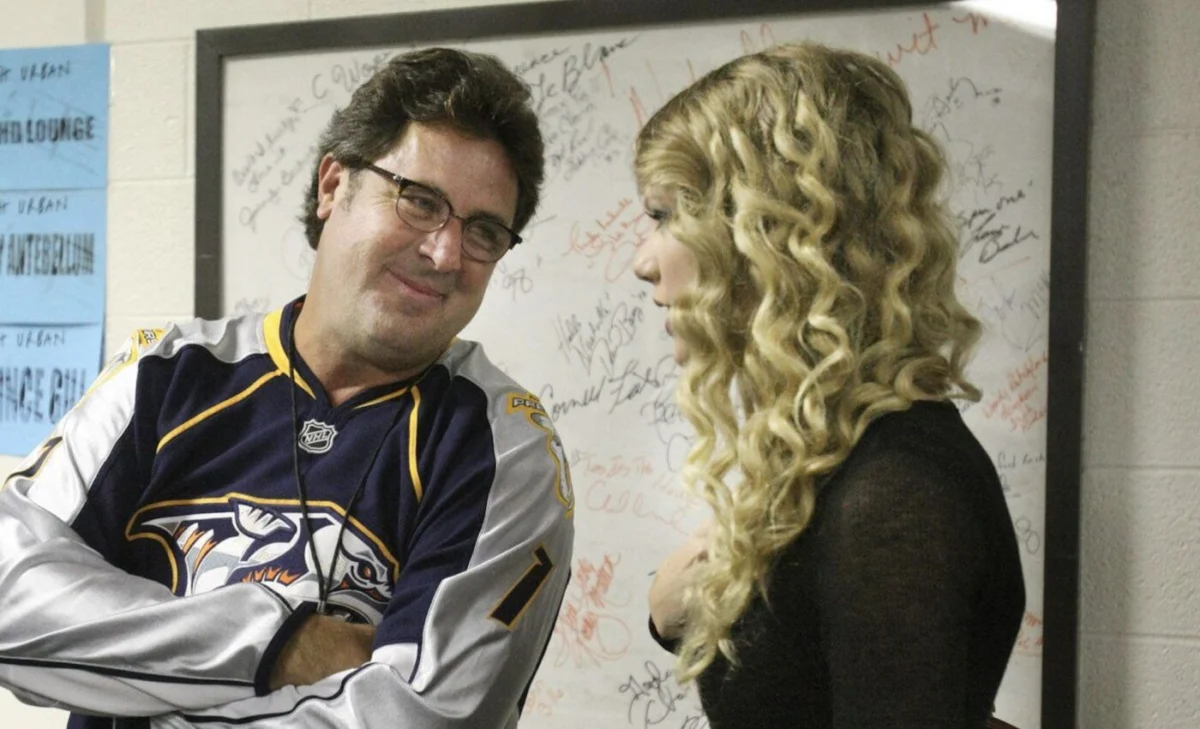
The Country Music Association and the Country Music Hall of Fame and Museum are poised to announce the 2026 class of inductees during a highly anticipated ceremony tomorrow morning, sparking intense debate over whether global icon Taylor Swift will secure a place in the hallowed rotunda during her first year of eligibility. The announcement, scheduled to be livestreamed on the CMA YouTube page at 10:00 AM Central Time, will be hosted by Hall of Fame member Marty Stuart. This year marks a significant milestone in the institution’s history, as it represents the first time Swift meets the strict criteria for the Modern Era artist category, which requires a minimum of 20 years to have passed since an artist first achieved national prominence.
The potential induction of Swift at age 36 would shatter long-standing records and signal a shift in how the institution recognizes contemporary influence versus career-long genre fidelity. While Swift’s transition to pop music in the mid-2010s remains a point of contention for traditionalists, her foundational impact on country music during the first decade of her career remains statistically and culturally undeniable. As the industry awaits the final word, the discussion has moved beyond mere chart success to encompass the broader implications of her candidacy, the backlog of veteran artists still awaiting induction, and the vocal support of established legends like Vince Gill.
The Eligibility Criteria and Swift’s Country Origins
The Country Music Hall of Fame operates under rigorous selection guidelines, with the Modern Era category being one of the most prestigious honors an artist can receive. To be considered, an artist must have reached national prominence at least 20 years prior to their induction year. For Taylor Swift, that clock began in 2006 with the release of her self-titled debut album. At just 16 years old, Swift released "Tim McGraw," a single that not only introduced her to the Nashville scene but also redefined the demographic reach of the genre.
Swift’s country era, which spanned from 2006 to approximately 2012, was characterized by unprecedented commercial success and critical acclaim. Her debut album, Taylor Swift, spent 24 weeks at the top of the Billboard Top Country Albums chart. It was followed by Fearless in 2008, which became the most awarded album in the history of country music, winning Album of the Year at both the CMA Awards and the ACM Awards, as well as the all-genre Grammy for Album of the Year. Her subsequent albums, Speak Now and Red, further solidified her dominance, with the latter serving as her bridge toward a pop-centric sound while still maintaining significant country radio presence through tracks like "Begin Again" and "We Are Never Ever Getting Back Together."
Historical Precedents and the Age Factor
If Swift is inducted in the 2026 class, she will become the youngest person ever to receive the honor. Currently, that distinction belongs to Johnny Cash, who was 48 years old at the time of his induction in 1980. Other notable early inductees include Vince Gill, who was 50, and Loretta Lynn, who was 56. The Hall of Fame has traditionally trended toward honoring artists in the later stages of their careers or after their retirement from active touring.
The prospect of a 36-year-old inductee presents a unique challenge for the Hall’s voting body, which consists of an anonymous panel of industry leaders. Critics argue that the Hall of Fame should remain a destination for those who have dedicated their entire careers to country music, suggesting that Swift’s departure for the pop world in 2014’s 1989 should perhaps delay her entry. However, proponents argue that her impact within those first ten years did more to grow the genre’s global footprint than many artists do in forty years.
The Backlog of Country Legends
One of the primary arguments against Swift’s first-year induction is the significant "backlog" of deserving artists who have been eligible for decades. The Modern Era category is limited to one inductee per year (though occasionally ties or special circumstances allow for more), meaning every year an artist like Swift is inducted, another legend remains in the wings.
Among the names frequently cited as "overdue" are:
- Dwight Yoakam: A pioneer of the neotrustionalist movement who brought a Bakersfield edge back to Nashville in the 1980s.
- Martina McBride: One of the most powerful vocalists of the 1990s and 2000s, with dozens of Top 10 hits and four CMA Female Vocalist of the Year awards.
- Travis Tritt: A key figure in the "Class of ’89" who blended Southern rock with traditional country.
- Clint Black: A prolific songwriter and hitmaker who helped define the sound of the 1990s.
- Alison Krauss: Though a bluegrass icon, her crossover success and 27 Grammy Awards make her a formidable candidate for the country ranks.
The choice of Marty Stuart as the host for tomorrow’s announcement has led some industry insiders to speculate that the 2026 class may lean toward the 1980s or 1990s era, potentially favoring one of Stuart’s contemporaries like Yoakam or Tritt.
Vince Gill and the Case for Swift’s Induction
Despite the potential for controversy, Swift has found a powerful ally in Vince Gill. A member of the Hall of Fame since 2007, Gill is widely regarded as one of the genre’s elder statesmen and a guardian of its traditions. In a recent interview with Rolling Stone, Gill dismissed concerns regarding Swift’s age or her genre-hopping career path.
"I think they’ll put her in there. Why wouldn’t you?" Gill stated, emphasizing that her contributions to the genre’s visibility and her songwriting prowess are undeniable. He further noted her immense personal character and professional conduct, adding, "I’m crazy about her, so I’d fully support that."
Gill also highlighted a pragmatic reason for her induction: her unparalleled philanthropy toward the institution. In 2012, Swift donated $4 million to the Country Music Hall of Fame and Museum to fund the Taylor Swift Education Center. This remains the largest individual artist donation in the museum’s history. The center features three classrooms, a learning lab, and a state-of-the-art instrument room, serving thousands of students and tourists annually. While the Hall of Fame maintains that inductions are based on artistic merit rather than financial contributions, the depth of Swift’s investment in the preservation of country music history is a significant part of her legacy in Nashville.
Chronology of a Country Career: 2006–2026
To understand the weight of Swift’s candidacy, one must look at the timeline of her engagement with the country music industry:
- 2006: Released "Tim McGraw" and her debut album; performed at the Grand Ole Opry for the first time.
- 2007: Won the CMA Horizon Award (now New Artist of the Year) and the ACM New Female Vocalist award.
- 2009: Won CMA Entertainer of the Year, becoming the youngest artist ever to win the top prize.
- 2010: Fearless won the Grammy for Album of the Year, the first time a country artist had won the award since the Dixie Chicks in 2007.
- 2011: Named CMA Entertainer of the Year for a second time.
- 2013: Received the CMA Pinnacle Award, an honor reserved for artists who have achieved the highest level of global success and brought country music to a worldwide audience. Only Garth Brooks had received the award prior to Swift.
- 2021–2024: Through her "Taylor’s Version" re-recordings, Swift has brought her early country hits back to the top of the charts, introducing songs like "All Too Well" and "Love Story" to a new generation of listeners and revitalizing interest in the Nashville songwriting tradition.
Broader Implications and Genre Evolution
The decision made by the Hall of Fame voters will serve as a bellwether for the institution’s future direction. An induction for Swift would be a validation of the "big tent" philosophy of country music—the idea that the genre is defined not just by steel guitars and fiddles, but by the storytelling and the community it fosters. It would also recognize the "Swift Effect," which saw a massive influx of young, female songwriters into Nashville, many of whom are now the genre’s current stars.
Conversely, bypassing Swift in her first year of eligibility would signal a commitment to the "waiting list" tradition, honoring those who have spent four or five decades in the trenches of the industry. It would suggest that while Swift’s impact is acknowledged, the Hall of Fame views induction as a career-capping honor rather than a mid-career celebration.
Regardless of the outcome, the 2026 induction announcement is expected to draw record viewership. The presence of Marty Stuart, a historian and traditionalist himself, ensures that the ceremony will remain grounded in the heritage of the genre, even if it crowns its youngest queen yet. As the 10:00 AM Central deadline approaches, the Nashville music community remains divided between the reverence for the legends of the past and the undeniable gravity of the most successful artist of the modern era.
The Voting Process and Final Considerations
The selection process for the Country Music Hall of Fame is notoriously secretive. After the nominating committee determines a slate of candidates, a panel of approximately 300 experts—including historians, executives, and existing Hall of Fame members—casts their ballots. To ensure the integrity of the process, the names of the voters are never disclosed, and the specific vote counts are kept confidential.
This system is designed to insulate the Hall from temporary trends and commercial pressure. However, in the case of Taylor Swift, the "commercial" success is so intertwined with "cultural" shift that the two are difficult to separate. Her induction would not merely be a nod to record sales, but an acknowledgment of a transformative period in country music history where the genre became a dominant force in the global pop culture conversation.
As the industry looks toward tomorrow morning, the question remains: is the Country Music Hall of Fame ready to embrace the future by honoring its most famous alumna, or will it ask the "Anti-Hero" of the pop world to wait her turn behind the legends who paved the way? The answer will define the narrative of country music for the next decade.