 Nana Wu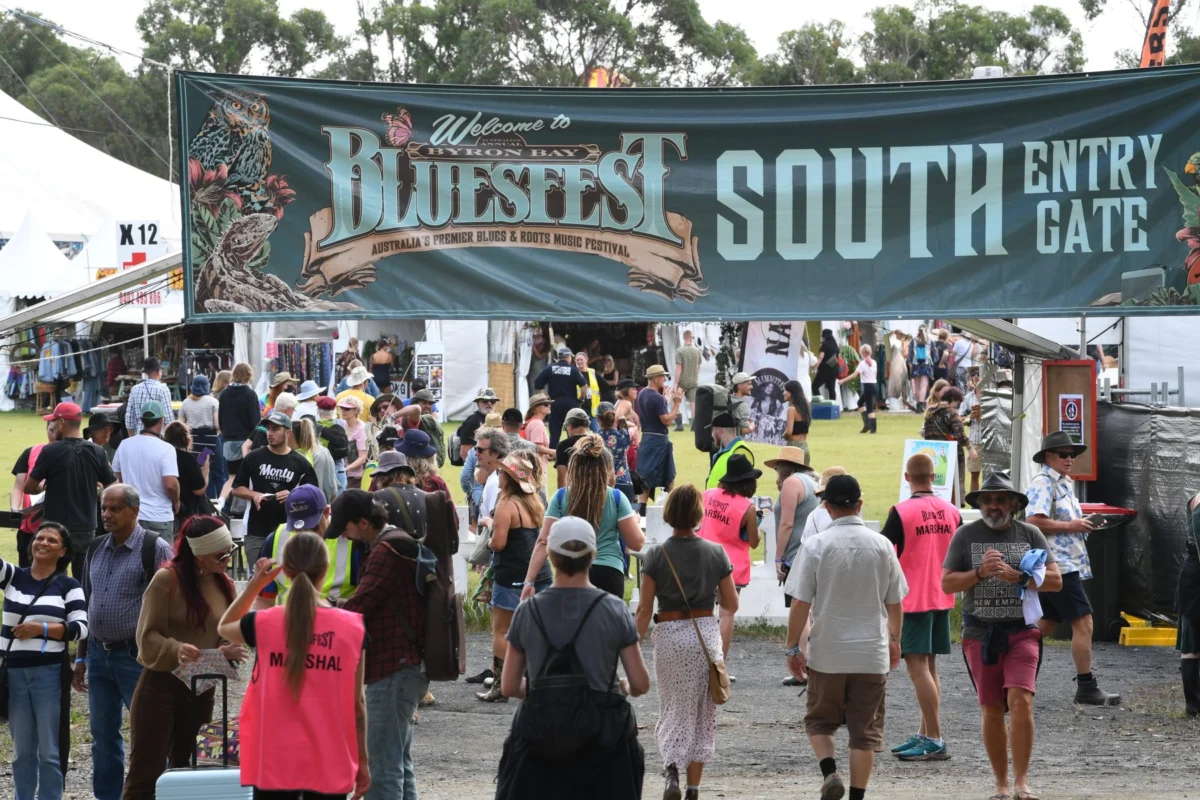
In a significant development offering a lifeline to thousands, PayPal has announced a special refund exception for an estimated 10,000 ticket holders who purchased passes to the now-defunct Byron Bay Bluesfest 2026 using its platform. This unprecedented move by the online payment giant provides a measure of relief to consumers left financially stranded after one of Australia’s longest-running and most beloved music festivals entered liquidation on March 13, just weeks before its scheduled Easter weekend run. The festival’s sudden collapse sent shockwaves through the Australian music industry and the broader consumer landscape, highlighting the inherent vulnerabilities within the live events sector.
The Immediate Fallout: A Wave of Financial Uncertainty
The news of Bluesfest’s liquidation, conveyed by liquidator Worrells, immediately raised alarms among ticket purchasers. A one-day adult ticket for the 2026 edition was priced at $257, with three- and four-day passes escalating to $554 and $686, respectively. These figures did not include additional costs for camping and car parking, meaning individual losses could easily exceed a thousand dollars. For many, the prospect of recovering these funds seemed bleak, as Worrells had warned creditors that refunds from the liquidation process were unlikely given the festival’s financial state. This grim outlook underscored the urgent need for alternative avenues of recourse for affected consumers.
The complexity of the refund situation was further exacerbated by the festival’s ticketing infrastructure. Tickets were primarily sold via Moshtix, a prominent ticketing agent. However, Moshtix quickly disclaimed responsibility for refunds, asserting that payments for Bluesfest tickets were processed directly to the festival via its own merchant facility. This arrangement, common in the industry, effectively shifted the refund obligation squarely onto the event organiser, who, in this case, was no longer solvent. This left thousands of consumers in a precarious position, grappling with significant financial losses and limited immediate options.
PayPal’s Intervention: A Critical Exception to Standard Policy
Responding to the extraordinary circumstances surrounding the Bluesfest cancellation, PayPal, a principal non-bank payment channel for the festival, announced on Monday that it would temporarily relax its standard refund policies. "In light of Bluesfest’s sudden cancellation, and to support our customers, PayPal is making a one-time exception to its standard buyer protection eligibility window," a PayPal spokesperson stated. This crucial exception means that PayPal will now consider "all eligible claims for Bluesfest 2026 (Byron Bay) tickets purchased using PayPal, including those made more than 180 days prior to the dispute."
Typically, PayPal’s Buyer Protection policy covers eligible purchases for up to 180 days from the date of payment. This limitation would have rendered many Bluesfest ticket purchases ineligible, as early bird tickets and initial releases often go on sale well in advance of the festival date, potentially exceeding this timeframe. By waiving this 180-day window, PayPal has extended a vital safety net to a broader cohort of affected ticket holders. Those who utilised PayPal’s "Pay in 4" buy now, pay later service have been specifically directed to contact PayPal through the "contact us" section on the platform’s website to lodge their claims, ensuring a streamlined process for this particular payment method. This move by PayPal is a rare instance of a payment provider stepping beyond its standard terms to address a widespread consumer detriment caused by a large-scale event cancellation.
A Storied History: The Legacy of Bluesfest
To fully grasp the magnitude of Bluesfest’s collapse, it is essential to understand its profound legacy. Established in 1990, Bluesfest was not merely a music festival; it was an institution, a cultural cornerstone that had operated successfully for 36 years. Its annual staging at the Byron Events Farm in Tyagarah, near Byron Bay, cemented its status as one of Australia’s premier music and cultural events. Over more than three decades, Bluesfest cultivated a reputation for its unparalleled lineups, consistently attracting an eclectic mix of legendary international and acclaimed local artists spanning blues, roots, rock, folk, and world music genres. Past headliners have included iconic figures such as Bob Dylan, B.B. King, Paul Simon, John Mayer, Jack Johnson, and countless others, solidifying its position as a must-attend event on the global festival circuit.
The festival’s economic contribution to the Northern Rivers region of New South Wales was immense. Each year, Bluesfest drew tens of thousands of visitors, injecting millions of dollars into the local economy. Accommodation providers, restaurants, cafes, retail outlets, transport services, and countless small businesses in Byron Bay and surrounding towns relied heavily on the influx of tourists generated by the festival. Beyond direct economic activity, Bluesfest fostered significant employment opportunities, from event production and security to hospitality staff and local vendors. Its cancellation represents not only a cultural loss but a substantial economic blow to a region that has faced numerous challenges, including natural disasters and the lingering impacts of the global pandemic. The festival also served as a vital platform for emerging artists, a meeting point for industry professionals, and a celebrated destination for music enthusiasts, making its sudden demise a deeply felt loss across multiple sectors.

Chronology of Collapse: The Final Weeks
The journey to Bluesfest 2026’s liquidation was swift and unexpected, particularly given the festival’s long-standing success and the anticipation surrounding its announced lineup.
- Mid-2025 onwards: Initial lineup announcements for Bluesfest 2026 began, featuring a star-studded roster including Parkway Drive, Erykah Badu, Earth, Wind & Fire, Sublime, Counting Crows, The Black Crowes, The Wailers, The Pogues, and Split Enz. These announcements generated significant excitement and drove early ticket sales, many of which would now fall outside standard refund windows.
- Early 2026: Preparations for the festival, scheduled for April 2-5, 2026, at the Byron Events Farm in Tyagarah, were ostensibly underway. However, behind the scenes, financial difficulties were escalating.
- March 13, 2026: The devastating news broke: Bluesfest went into liquidation. This announcement came less than three weeks before the festival was due to commence, leaving artists, vendors, staff, and ticket holders reeling. The appointed liquidator, Worrells, began the process of assessing the festival’s assets and liabilities.
- Days following liquidation: Worrells issued communications to creditors, including ticket holders, outlining the bleak prospects for recovering funds through the liquidation process. The complexity of the financial situation, with multiple creditors and significant debts, quickly became apparent.
- March 18, 2026 (Approx.): Moshtix, the primary ticketing platform, issued its statement, clarifying that it was not responsible for refunds as payments were directed to the festival’s own merchant facility.
- March 20, 2026 (Approx.): PayPal announced its special refund exception, offering the first tangible hope for a significant portion of affected ticket holders.
Financial Entanglements: Creditors and Debts
The financial intricacies of Bluesfest’s collapse are extensive. Documents filed with the Australian Securities and Investments Commission (ASIC) reveal the significant debts owed to various parties, including key payment processors. PayPal itself is listed as a creditor, owed a substantial $1.73 million, indicating its deep involvement in the festival’s ticketing operations. Another major non-bank payment channel, Stripe, is listed with an even larger debt of $3.92 million. These figures underscore the considerable financial exposure of these payment platforms and their integral role in facilitating large-scale event transactions.
Beyond these payment providers, the list of creditors is expected to include artists and their management, production companies, suppliers, contractors, local businesses, and staff. The total scale of the festival’s liabilities and the limited nature of its recoverable assets mean that many creditors will likely face significant losses, reinforcing the liquidator’s initial assessment regarding the unlikelihood of comprehensive refunds for all parties.
Navigating Refunds: Options and Limitations
While PayPal’s intervention provides a crucial pathway for many, it is not the only recourse, nor does it cover all ticket purchasers.
- Credit Card Chargebacks: For those who purchased tickets using a credit card, the option of initiating a chargeback through their bank remains a viable possibility. A chargeback allows a cardholder to dispute a transaction and request a reversal of funds, particularly in cases where goods or services were not rendered. Consumers are generally advised to contact their bank or credit card provider as soon as possible to understand the specific terms and deadlines for chargeback claims, which can vary by institution and card type.
- Liquidation Process: As previously stated, refunds from the official liquidation process are highly improbable for individual ticket holders. Creditors are typically prioritised based on legal frameworks, and unsecured creditors, such as ticket purchasers, are often at the bottom of the hierarchy, receiving little to no recovery once secured creditors and administrative costs are settled.
- Third-Party Resale Platforms: Ticket holders who purchased through unofficial resale platforms may face even greater challenges, as their rights and refund options would depend on the specific terms of those platforms and the original seller.
Broader Implications: A Wake-Up Call for the Industry
The collapse of Bluesfest 2026 and PayPal’s subsequent refund exception carry significant implications for the broader live music industry and consumer protection frameworks.
- Fragility of the Live Events Sector: The incident serves as a stark reminder of the inherent fragility of the live events industry, even for established players. Post-pandemic, festivals globally have grappled with a confluence of challenges: soaring operational costs, including talent fees, production, logistics, and insurance; inflationary pressures impacting consumer spending; labour shortages; and increasing regulatory compliance. These factors have created a challenging economic environment where profit margins are thin, and unexpected setbacks can quickly lead to financial distress.
- Precedent for Payment Providers: PayPal’s decision to extend its buyer protection window is an extraordinary step that could set a precedent. While framed as a "one-time exception," it raises questions about the evolving role and responsibility of payment platforms in mitigating consumer risk associated with large-scale event cancellations. This could prompt other payment providers to re-evaluate their policies or face increased pressure from consumer advocacy groups in future similar scenarios.
- Consumer Protection and Trust: The Bluesfest situation underscores critical gaps in consumer protection within the event ticketing ecosystem. The disclaimers from ticketing agents like Moshtix, while legally sound based on their operational model, leave consumers feeling exposed. There is a growing call for clearer, more robust consumer safeguards, potentially through industry-wide insurance schemes, escrow accounts for ticket revenues, or enhanced regulatory oversight to ensure funds are protected until services are delivered. The incident could erode consumer trust in advance ticket purchases, particularly for events organised by independent promoters.
- Impact on Byron Bay Tourism: The cancellation is a substantial blow to Byron Bay’s tourism sector. Beyond the direct spending by festival-goers, the event generated significant positive publicity and showcased the region to a global audience. The loss of such a marquee event will necessitate concerted efforts from local tourism bodies and government agencies to mitigate the economic void and maintain the region’s appeal as a cultural destination.
- Regulatory Scrutiny: It is plausible that consumer protection bodies, such as the Australian Competition and Consumer Commission (ACCC), may intensify their scrutiny of ticketing terms and conditions, as well as the financial transparency of event organisers, particularly for major festivals. The aim would be to prevent future situations where thousands of consumers are left out of pocket with little recourse.
In conclusion, while PayPal’s unprecedented move offers a critical measure of relief to thousands of Bluesfest 2026 ticket holders, the festival’s collapse remains a sombre reminder of the live music industry’s enduring vulnerabilities. It highlights the urgent need for a more resilient and transparent ticketing ecosystem that prioritises consumer protection alongside the artistic and economic contributions of major events. The long-term implications for festival organisers, payment providers, and regulatory bodies will undoubtedly shape the future landscape of live entertainment in Australia and beyond.