 Jia Lissa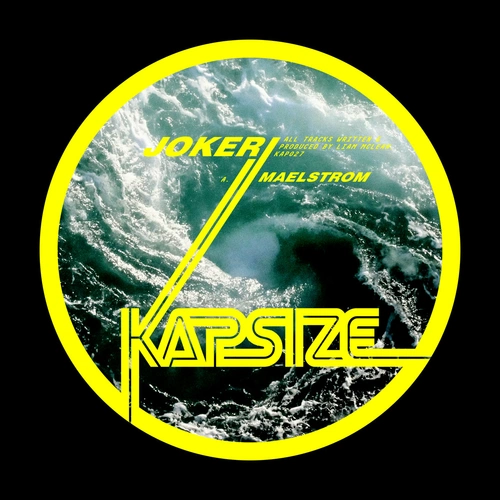
The release of "Maelstrom" by the esteemed producer Joker signals a potent return to form, demonstrating an undiminished artistic edge and a masterful evolution of his signature sound. This latest offering, following a notable hiatus from consistent releases, immediately lives up to its evocative title, plunging listeners into a swirling vortex of deep sonic intensity that is simultaneously heavy, warm, and undeniably funky. The track expertly weaves together threads from Joker’s foundational "purple" and "wonky" eras, yet steadfastly refuses to merely revisit past glories, instead forging a new path that balances visceral power with an infectious, danceable groove.
The Return of a Vanguard: Joker’s Continued Influence
Joker, born Liam McLean, has long been recognized as a pivotal figure in the evolution of UK bass music, particularly during the late 2000s and early 2010s. His pioneering sound, often described as "purple" or "wonky," carved out a distinct niche within the burgeoning dubstep and grime landscapes. After a period where new releases were less frequent, "Maelstrom" emerges as a declarative statement, asserting his continued relevance and innovative spirit. This return is not merely a nostalgic echo but a testament to an artist’s capacity for reinvention and sustained creativity.
The electronic music scene has witnessed numerous cycles of innovation and consolidation. For an artist of Joker’s caliber, a hiatus can often lead to speculation about their trajectory or even their continued place within an ever-shifting musical paradigm. However, "Maelstrom" emphatically dismisses such notions, showcasing a producer who has utilized this period for refinement and an even deeper exploration of his sonic palette. Industry observers note that the return of established pioneers often invigorates the scene, providing both a historical anchor and a forward-looking impetus for younger artists.
Deconstructing "Maelstrom": A Sonic Analysis
"Maelstrom" is characterized by a pulsing throb of sub-bass that forms its visceral core. This deep, resonant foundation is not just a background element but an active, almost sentient force driving the track’s intensity. The weight and raw power of the low frequencies are immediately apparent, setting a tone of deep immersion. Yet, what distinguishes "Maelstrom" from many contemporary heavy bass tracks is Joker’s signature ability to imbue this intensity with an undeniable warmth and a sophisticated funk sensibility. This juxtaposition prevents the track from becoming merely aggressive, instead offering a rich, enveloping sonic experience.
The production showcases meticulous attention to detail. Synthesizer melodies, reminiscent of the cosmic psychedelia that defined the "purple" sound, shimmer and weave through the dense bassline. These melodic elements are not overtly dominant but rather serve as intricate counterpoints, adding layers of texture and emotional depth. Simultaneously, the rhythmic thump associated with the "wonky" era—characterized by its off-kilter, hip-hop-inflected grooves and robust drum programming—provides the track with its infectious, skankable quality. The fusion of these elements creates a dynamic interplay: the heart-racing power derived from the sheer force of the bass and the intricate, propulsive rhythms, coupled with the skankable fun generated by its inherent funkiness and melodic hooks. This delicate balance is a hallmark of Joker’s enduring artistry.
Technical aspects of the track reveal a mature approach to sound design. The bass frequencies are not simply loud but are sculpted with precision, allowing them to occupy significant sonic space without muddying the overall mix. Mid-range elements, including synth leads and rhythmic percussion, are clear and punchy, cutting through the dense low-end with clarity. High-end frequencies are crisp and well-defined, providing sparkle without harshness. The overall mixdown and mastering suggest a track engineered for maximum impact on large sound systems, a critical consideration for bass music designed for clubs and festivals.
A Chronology of Influence: The "Purple" and "Wonky" Eras
To fully appreciate the significance of "Maelstrom," it is essential to contextualize Joker’s career within the broader evolution of electronic music. His journey began in the vibrant Bristol scene, a hotbed of musical innovation that gave birth to trip-hop, drum and bass, and later, a distinct strain of dubstep.
The Genesis of "Purple" (Circa 2008-2010)
The "purple" sound emerged as a melodic and often melancholic counterpoint to the darker, more aggressive strains of dubstep that had dominated the mid-2000s. While artists like Skream, Benga, and Digital Mystikz were pioneering the deep, dread-inducing sound of Croydon, Bristol producers began injecting dubstep’s rhythmic framework with lush, often cinematic synthesizer melodies and a strong sense of funk. Key figures alongside Joker included Gemmy, Guido, and Rustie (though Rustie’s sound leaned more heavily into the "wonky" sphere).
Joker’s contributions to the "purple" sound were profound. Tracks like "Tron" (2009), "Digidesign" (2009), and "The Vision" featuring Jessie Ware (2010) became anthems, characterized by their shimmering arpeggios, vocoder-esque synth leads, and powerful, yet groovy, basslines. These tracks demonstrated a unique ability to fuse the raw energy of grime and dubstep with the melodic sensibilities of synth-pop and electro-funk. Labels such as Tectonic and Punch Drunk were instrumental in championing this sound, providing a platform for its development and dissemination. The "purple" era was defined by its vibrant color palette, both sonically and aesthetically, often drawing comparisons to early 8-bit video game soundtracks and sci-fi movie scores.
The Rise of "Wonky" and Cross-Pollination (Circa 2009-2012)
Parallel to, and often overlapping with, the "purple" sound was the emergence of "wonky." This term, somewhat playfully applied, described a style of electronic music that embraced irregular rhythms, off-kilter melodies, and often a heavy dose of funk and hip-hop influence. While "purple" had a strong UK identity, "wonky" often found significant traction in the US, particularly among producers associated with the Los Angeles beat scene (Brainfeeder Records, Low End Theory club night), such as Flying Lotus, Hudson Mohawke, and Rustie.
Joker’s music often bridged these two worlds, incorporating the syncopated, almost disjointed rhythms of wonky into his purple sound. His productions were characterized by their refusal to adhere strictly to conventional grid-based timing, injecting a human, almost improvisational feel into electronic music. This fusion allowed his sound to resonate across different scenes and appeal to a broader audience interested in experimental yet danceable electronic music. The term "wonky" also came to encompass a broader sensibility of playful sonic experimentation, often featuring heavily processed samples, unique synth patches, and a general disregard for genre boundaries.
Industry Reaction and Broader Implications
The release of "Maelstrom" has generated considerable buzz within the electronic music community. Early feedback from tastemakers and DJs suggests that the track is being hailed as a powerful statement, indicative of an artist at the peak of his creative powers. DJs who have incorporated "Maelstrom" into their sets report enthusiastic crowd reactions, particularly praising its ability to bridge the gap between heavy bass music and more melodic, groove-oriented sounds.
Industry insiders note that Joker’s return is strategically timed. The current landscape of bass music is diverse, with sub-genres continuously emerging and evolving. In an environment sometimes criticized for homogenization or excessive reliance on formulaic drops, "Maelstrom" offers a refreshing burst of originality while remaining firmly rooted in a rich lineage. It demonstrates that innovation can still flourish within established genres, challenging producers to look beyond current trends and delve into their unique artistic voices.
The implications extend beyond Joker’s individual career. His sustained ability to produce high-quality, genre-defining music serves as an inspiration for both veteran artists seeking to maintain relevance and emerging producers looking for guidance. "Maelstrom" reaffirms the enduring appeal of thoughtfully crafted bass music that prioritizes sonic depth, musicality, and genuine funk over fleeting trends. It underscores the idea that truly influential artists possess a timeless quality, capable of adapting and reinterpreting their core sound for new generations while retaining the essence of what made them unique in the first place.
Furthermore, the track’s blend of power and fun suggests a potential shift or reinforcement in the collective consciousness of bass music audiences. After periods dominated by overtly aggressive or excessively complex sounds, "Maelstrom" provides a blueprint for tracks that can deliver visceral impact without sacrificing musicality or danceability. This balance is crucial for the longevity and broader appeal of electronic dance music, ensuring it remains accessible and enjoyable for a wide range of listeners and dancers.
The Future Trajectory: A New Chapter
"Maelstrom" appears to be more than just a standalone single; it feels like the opening salvo of a new chapter for Joker. Its depth, complexity, and sheer sonic presence hint at a renewed creative output that could potentially lead to further EPs or even a full-length album. Fans and critics alike will be keenly watching to see how this sound evolves and what further explorations Joker has in store.
The track’s successful navigation of past influences and forward-thinking production positions Joker as a master alchemist, capable of transforming familiar elements into something fresh and exhilarating. In an era where music consumption is often fleeting, "Maelstrom" stands out as a piece of music designed for repeated listening, revealing new layers with each engagement. It is a powerful reminder that true artistry transcends temporal boundaries, continuously pushing the envelope while honoring its roots. Joker’s "Maelstrom" is not just a track; it is a statement—a declaration of an artist’s enduring vision and an affirmation of bass music’s vibrant, ever-evolving future.