Johan Budi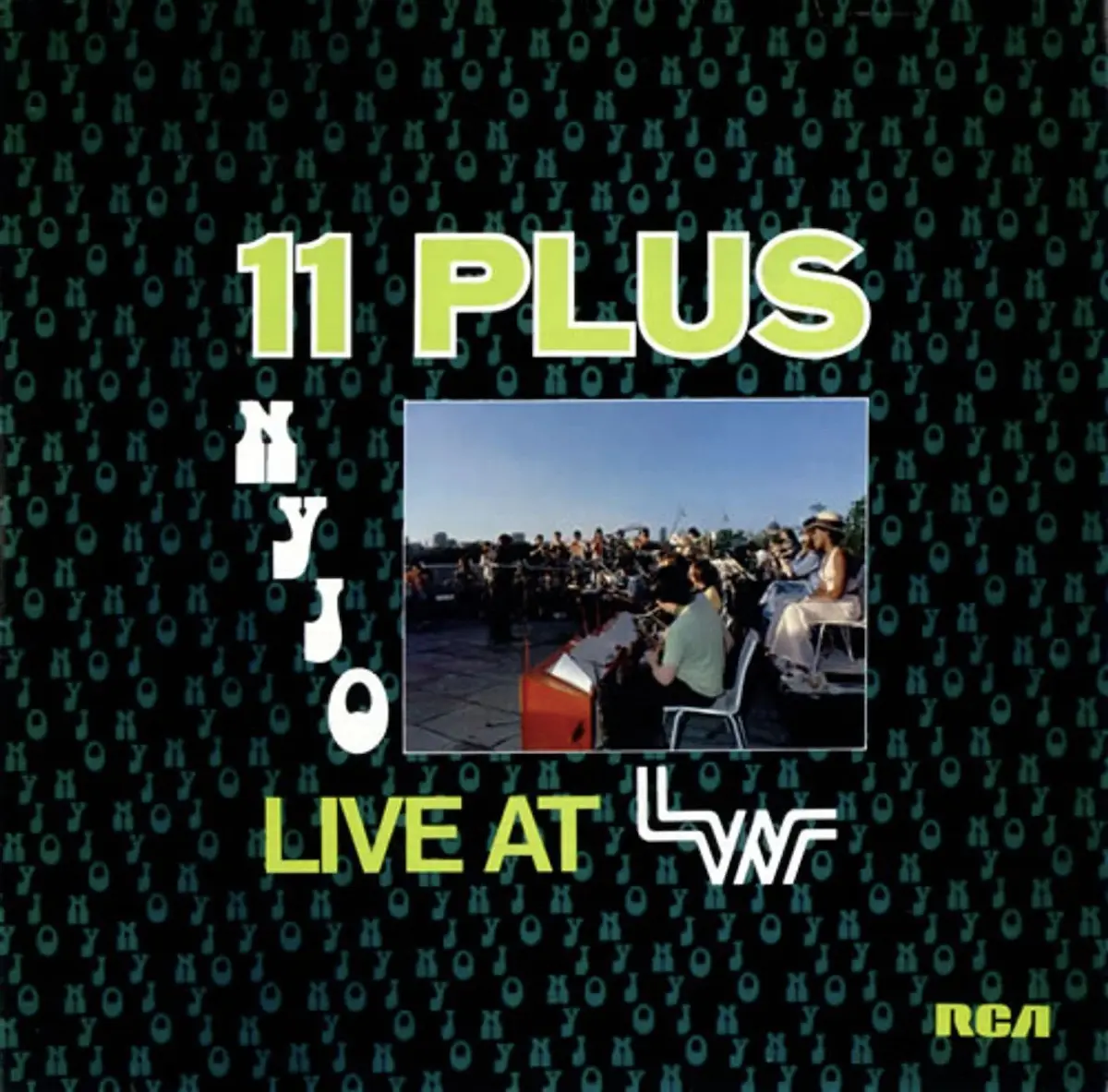
The National Youth Jazz Orchestra (NYJO) has solidified its position as Britain’s premier institution for young jazz talent with the release of its latest recording, Eleven Plus – Live At LWT. Recorded during a notable performance on July 2, 1975, the album serves as a definitive document of the technical prowess and artistic maturity of a group whose members range in age from eleven to their early twenties. Founded and directed by Bill Ashton, a former French teacher at Risinghill School, the orchestra has evolved from a grassroots educational initiative into the nation’s only full-time big band, defying the typical expectations associated with youth ensembles.
The recording, captured on the terrace of the London Weekend Television (LWT) building during a record-breaking summer heatwave, showcases a repertoire that would challenge many professional adult orchestras. Under the leadership of Ashton, the ensemble has cultivated a reputation for precision and power, moving beyond the novelty of their youth to be judged solely on the merits of their musical output. The album, released under the RCA label (SF 8464), features a sophisticated blend of original compositions and complex arrangements that highlight the depth of the current talent pool.
Historical Context and the Vision of Bill Ashton
The National Youth Jazz Orchestra was established in 1965, born from Ashton’s realization that young musicians lacked a formal pathway to master the specific disciplines of big band jazz. At the time of its inception, the British jazz scene was undergoing a period of transition, with traditional styles competing for space against the burgeoning progressive and jazz-fusion movements. Ashton’s vision was to create a "working" band that functioned as a professional apprenticeship, providing young instrumentalists with the opportunity to perform challenging, contemporary scores in high-pressure environments.
Over the past decade, the NYJO has acted as a crucible for some of the most distinguished names in British jazz. The list of "old boys"—alumni who have transitioned into successful professional careers—includes luminaries such as Frank Ricotti, Stan Sulzman, Chris Laurence, and Alan Wakeman. This lineage underscores the orchestra’s role not just as a performing unit, but as an essential pillar of the UK’s musical infrastructure. The current iteration of the band continues this tradition, maintaining a large pool of available musicians to ensure that the ensemble can meet the demands of a rigorous touring and recording schedule despite the inevitable turnover inherent in a youth-focused organization.
Technical Analysis of the LWT Performance
The Eleven Plus – Live At LWT album is characterized by its refusal to "write down" for its young performers. The arrangements provided to the band are among the most rhythmically and harmonically complex in the big band idiom. A centerpiece of the recording is Mike Vickers’ "Eleven Plus," a composition written in the demanding time signature of 11/4. The orchestra’s ability to navigate this unconventional meter with fluidity and swing is a testament to the rigorous training Ashton instills in his players.
Similarly, Ken Gibson’s "Threshing Machine" presents a structural challenge with its 13-bar first chorus. While standard jazz forms typically rely on symmetrical 8, 12, or 16-bar phrases, NYJO tackles these asymmetrical structures with consummate ease. The brass section, in particular, has earned praise for its remarkable power and intonational accuracy, a feat made more impressive by the outdoor recording conditions on the LWT terrace.
The album also highlights the creative contributions from within the band’s own ranks. The track "Marianne" was composed, arranged, and copied by Martin Bunce, who also features as the primary trumpet soloist. This internal creative output demonstrates that the NYJO is fostering not only performers but also the next generation of composers and orchestrators.
Notable Soloists and Section Leaders
The 1975 lineup of the NYJO features several standout individuals who are already being identified by critics as future leaders in the industry. Phil Todd, the ensemble’s lead alto saxophonist, provides several of the album’s most compelling improvisational moments, displaying a technical facility and melodic sensibility that belies his age.
In the rhythm section, drummer Phil James provides a driving, disciplined foundation, essential for anchoring a large ensemble through complex time changes. He is complemented by guitarist Laurence Juber, whose constructive and reliable playing provides a modern harmonic edge to the group’s sound. The vocal contributions of Carol Kenyon on "Wait And See" offer a moment of stylistic contrast; performing with only the rhythm section, Kenyon demonstrates a vocal maturity and control that suggests a significant career ahead in both jazz and contemporary music.
The full personnel for the LWT session includes:
- Trumpets: David Lord, Martin Bunce, Guy Barker, Larry Tyrie, Chris Smith, Tony Hepworth, Mark Chandler.
- Trombones: Mick Harding, Michael Innes, Roger Williams, Darren Critton, Ken Price, Brian Lynn.
- French Horn: Dick Martin.
- Reeds/Woodwinds: Maurice Cambridge, Phil Todd, Cormac Loane, David Bishop, Ashton Tooteli, Jane Bebbington, Sue Hynett.
- Electronics/Piano: Kevin Saviger.
- Guitar: Laurence Juber.
- Bass Guitar: Andrew Pask, Phil Cranham.
- Drums: Phil James.
- Percussion: Ian Chopping, Dick Tait, Judy Webber.
- Vocals: Carol Kenyon.
Financial Realities and the Path to the United States
Despite the critical acclaim and the undeniable cultural value of the organization, the National Youth Jazz Orchestra operates under significant financial constraints. At the time of this album’s release, the NYJO receives no subsidies from the Arts Council or direct government grants. The organization relies heavily on performance fees, album sales, and private donations to sustain its operations.
This lack of institutional funding has placed a particular strain on the band’s upcoming international ambitions. The orchestra is currently scheduled for a landmark tour of the United States, an opportunity that would place British youth jazz on a global stage. However, the realization of this tour is contingent upon raising the remaining balance for airfares and logistical expenses. Bill Ashton’s tireless advocacy for the band has been the primary driver behind these fundraising efforts, highlighting the precarious nature of independent arts organizations in the current economic climate.
Chronology of the LWT Session
The recording of Eleven Plus – Live At LWT took place on July 2, 1975, at the London Weekend Television studios on the South Bank. The session was unique for its outdoor setting on the building’s terrace, an architectural choice that provided a distinct acoustic environment. The timeline of the production is as follows:
- Preparation (Spring 1975): Selection of the repertoire, including commissions from established arrangers like Mike Gibbs, Kenny Wheeler, Alan Cohen, Graham Collier, and Harry South.
- Rehearsals (June 1975): Intensive sessions to master the complex meters and internal compositions like Bunce’s "Marianne."
- Recording (July 2, 1975): The live session at LWT. Despite the high temperatures of the summer of ’75, the band recorded over 55 minutes of high-quality material in a single evening.
- Post-Production (Late 1975): Mixing and mastering for the RCA release, ensuring the clarity of the large ensemble was preserved.
- Release (Early 1976): The official launch of the album, coinciding with the band’s push for North American tour funding.
Broader Impact and Implications for British Music
The success of the National Youth Jazz Orchestra, as evidenced by the Eleven Plus album, has broader implications for the future of music education in the United Kingdom. In an era where music programs in schools often face budgetary scrutiny, NYJO serves as a model for how specialized, high-level instruction can produce professional-grade results from students.
The orchestra’s commitment to contemporary repertoire also ensures that the big band format remains relevant. By commissioning works from modern jazz masters like Mike Gibbs and Kenny Wheeler, Ashton ensures that his players are not merely mimicking the sounds of the swing era, but are engaged with the evolving language of 20th-century music. This approach bridges the gap between traditional jazz education and the avant-garde, preparing musicians for the diverse demands of the modern music industry.
Furthermore, the "pool" system utilized by the NYJO—whereby a rotating cast of musicians is drawn from a larger roster—has created a unique community of players. This structure encourages a healthy sense of competition and collaboration, as younger members learn directly from their slightly older, more experienced peers. It is a self-sustaining ecosystem of talent that has proven remarkably resilient over the past decade.
As the National Youth Jazz Orchestra prepares for its potential American debut, the release of Eleven Plus – Live At LWT stands as a definitive argument for the group’s importance. It is a record of a specific moment in time—a hot summer evening in London—but it is also a testament to a decade of hard work, discipline, and an uncompromising commitment to musical excellence. The "but-they’re-only-kids" narrative is effectively silenced by the sheer quality of the performance, leaving only the music to speak for itself.