Johan Budi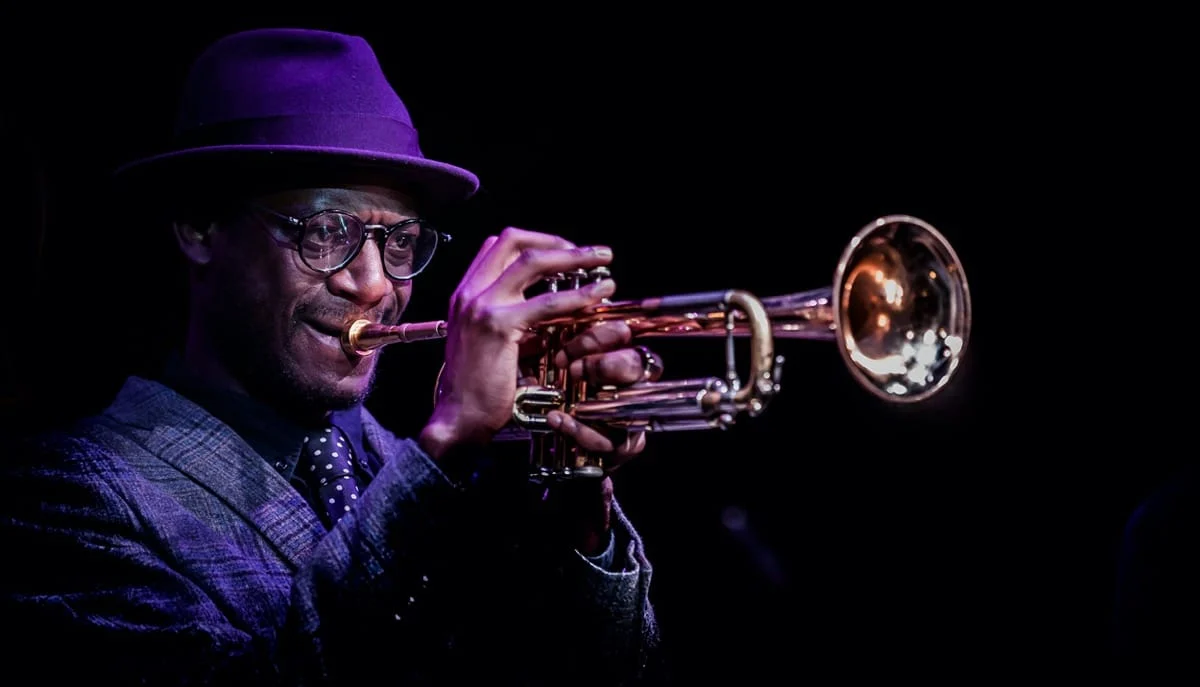
The London Borough of Ealing is preparing to host its long-standing annual jazz festival in Walpole Park this July, featuring a diverse roster of performers including Mark Kavuma, Steve White, Artie Zaitz, and Pete Horsfall. This year’s event, a cornerstone of the Ealing Summer Festivals program, continues a tradition that began in 1984, reinforcing the district’s reputation as a historical epicenter for British music. The festival serves not only as a showcase for contemporary talent but also as a tribute to the borough’s profound influence on the evolution of blues, jazz, and rock music in the United Kingdom. Scheduled for the weekend of July 25-26, the jazz festival will be followed closely by the Ealing Blues Festival on August 1-2, creating a month-long celebration of the "Ealing Sound" that has resonated globally for over six decades.
Historical Significance: Ealing as the Birthplace of British Blues
To understand the weight of the Ealing Jazz Festival, one must consider the geographical and cultural history of the borough. Ealing is frequently cited by music historians as the "birthplace of British blues," a claim rooted in the events of the early 1960s. On March 17, 1962, Alexis Korner and Cyril Davies opened the Ealing Club in a basement across from Ealing Broadway station. This venue became the catalyst for the British blues boom, providing a platform for young musicians who would later achieve international stardom. It was at the Ealing Club that Mick Jagger, Keith Richards, and Brian Jones first met Charlie Watts, eventually leading to the formation of The Rolling Stones. Other luminaries who frequented the venue included Eric Clapton, Jack Bruce, and Ginger Baker.
The musical heritage of the area extends beyond performance to the very technology of sound. In nearby Hanwell, Jim Marshall opened his music shop, where the iconic Marshall amplifier was conceived and developed in 1962. The "Marshall Sound" became the backbone of rock and roll, used by everyone from Jimi Hendrix to Pete Townshend. This intersection of performance and innovation provides the backdrop for the modern festival, which seeks to honor this legacy while pushing the boundaries of contemporary genres.
Programming and Artistic Direction: A Two-Day Sonic Journey
The Ealing Jazz Festival has structured its upcoming weekend to provide a comprehensive overview of the genre’s past, present, and future. By dividing the weekend into thematic sections, organizers aim to cater to traditionalists while attracting a younger, more diverse audience interested in the burgeoning London jazz scene.
Saturday, July 25: Acid Jazz and Heritage Influences
The Saturday program is designed around groove-led sounds, acid jazz, and crossover genres. This selection reflects the "heritage influences" that defined the London music scene in the late 1980s and 1990s. Headlining the Saturday lineup is Galliano, a group synonymous with the acid jazz movement. Led by Rob Gallagher, Galliano was the first act signed to Eddie Piller and Gilles Peterson’s Acid Jazz Records. Their inclusion signals a revival of the eclectic mix of soul, funk, and jazz that once dominated the UK underground.
Joining Galliano is the Steve White Trio. Steve White is widely regarded as one of the most influential British drummers of his generation, known for his long-standing collaboration with Paul Weller in The Style Council and as a solo artist. White’s presence brings a technical sophistication and a direct link to the mod-jazz aesthetics of the 1980s. The Saturday bill is rounded out by New Street Adventure, a band that blends classic soul influences with contemporary indie-pop sensibilities, further emphasizing the "crossover" theme of the day.
Sunday, July 26: The New London Jazz Movement
On Sunday, the festival’s focus shifts toward a "global and forward-looking sound," highlighting the innovative spirit of the current London jazz renaissance. A central feature of the Sunday program is a showcase devised by trumpeter Mark Kavuma and his label, Banger Factory Records. Kavuma has become a pivotal figure in the London scene, known for his ability to fuse hard-bop traditions with the energy of the city’s modern nightlife. The Banger Factory showcase is expected to feature a rotating cast of young virtuosos who are currently redefining what it means to be a jazz musician in the 21st century.
The Sunday lineup also includes Artie Zaitz’s Hammond Combo. Zaitz is a guitarist and organist whose work pays homage to the gritty, blues-infused jazz of the 1950s and 60s, specifically the Blue Note era. His performance will bridge the gap between the festival’s blues roots and its jazz aspirations. Additionally, Pete Horsfall & Electric Relaxation will perform, bringing a mix of lyrical trumpet playing and contemporary production. Horsfall, a member of the award-winning Kansas Smitty’s House Band, represents the sophisticated, multi-disciplinary approach of the modern British jazz artist.
Venue and Logistics: Walpole Park and Pitzhanger Manor
The festival takes place in Walpole Park, a 28-acre Grade II listed urban space that provides a picturesque setting for large-scale cultural events. The park is home to Pitzhanger Manor, the former country estate of renowned architect Sir John Soane. The integration of high-culture architecture with a grassroots music festival creates a unique atmosphere that has sustained the event for nearly 40 years.
Walpole Park is located on Mattock Lane (W5 5EQ), making it highly accessible via the Elizabeth Line and the Central and District lines of the London Underground. The venue’s capacity allows for multiple stages, food and beverage concessions, and family-friendly zones, ensuring that the festival remains a community-focused event despite its international artistic ambitions. Tickets and further details are managed through the Ealing Summer Festivals website, which serves as a central hub for the borough’s seasonal cultural offerings.
Economic and Cultural Impact of the Ealing Summer Festivals
The Ealing Jazz Festival is part of a broader portfolio of events managed by Ealing Council, which includes festivals dedicated to comedy, beer, and blues. This collective effort, known as Ealing Summer Festivals (ESF), plays a critical role in the local economy and the social fabric of West London.
Data and Attendance Metrics
While specific attendance figures for the upcoming year are projected based on historical data, the Ealing Summer Festivals typically attract upwards of 30,000 to 40,000 visitors over the course of the summer season. The jazz and blues weekends are traditionally the highest-attended events within the portfolio. The economic impact is multifaceted:
- Local Business Support: Increased footfall in Ealing Broadway and Hanwell benefits local hospitality and retail sectors.
- Employment: The festivals provide temporary employment for hundreds of event staff, technicians, and local vendors.
- Cultural Tourism: The festival draws visitors from across the United Kingdom and Europe, particularly jazz enthusiasts attracted by the "New London Jazz" movement.
Inferred Community and Industry Reactions
While official statements from the organizers emphasize the "celebratory nature" of the return to Walpole Park, industry analysts suggest that the festival’s survival and growth are indicative of a broader trend. Following the challenges faced by the live music industry during the pandemic years, the Ealing Jazz Festival’s ability to curate a high-caliber lineup suggests a robust recovery for local-authority-backed cultural events.
Musicians within the London jazz community often view the Ealing Jazz Festival as a vital platform. Unlike the high-priced, indoor venues of Central London, Walpole Park offers an outdoor, accessible environment that allows artists to reach a broader demographic. For figures like Mark Kavuma, the festival represents an opportunity to demonstrate the commercial and cultural viability of independent jazz labels.
Analysis of Implications: The Evolution of the "Ealing Sound"
The 2024 lineup reflects a strategic shift in the festival’s identity. By balancing "heritage influences" with "forward-looking" sounds, the Ealing Jazz Festival is navigating the tension between nostalgia and innovation. The inclusion of the Banger Factory Records showcase is particularly significant. It acknowledges that the future of British jazz is increasingly diverse, global, and experimental, moving away from the American-centric models of the past.
Furthermore, the proximity of the Jazz Festival to the Blues Festival (August 1-2) reinforces the historical narrative of the "Ealing Sound." By maintaining these as separate yet sequential events, Ealing Council preserves the distinct identities of both genres while acknowledging their shared lineage. The Blues Festival, which this year will continue to honor the legacy of Alexis Korner and Cyril Davies, serves as a reminder that the technical proficiency found in the Jazz Festival has its roots in the raw, emotive power of the blues.
Conclusion and Future Outlook
As the Ealing Jazz Festival approaches its fourth decade, its role as a guardian of British musical heritage remains undisputed. The upcoming July weekend in Walpole Park is set to provide a comprehensive survey of the jazz landscape, from the acid-jazz grooves of the 90s to the avant-garde explorations of the present day. By leveraging its unique historical connection to the 1960s blues boom and the technological legacy of Marshall Amplification, Ealing continues to assert itself as a vital node in the global music network.
For residents and visitors alike, the festival offers more than just a weekend of entertainment; it provides a connection to a storied past and a glimpse into the future of British creativity. As tickets go on sale and final preparations are made, the eyes of the music world turn once again to a basement legacy that grew into a park-wide celebration of sound.