Reynand Wu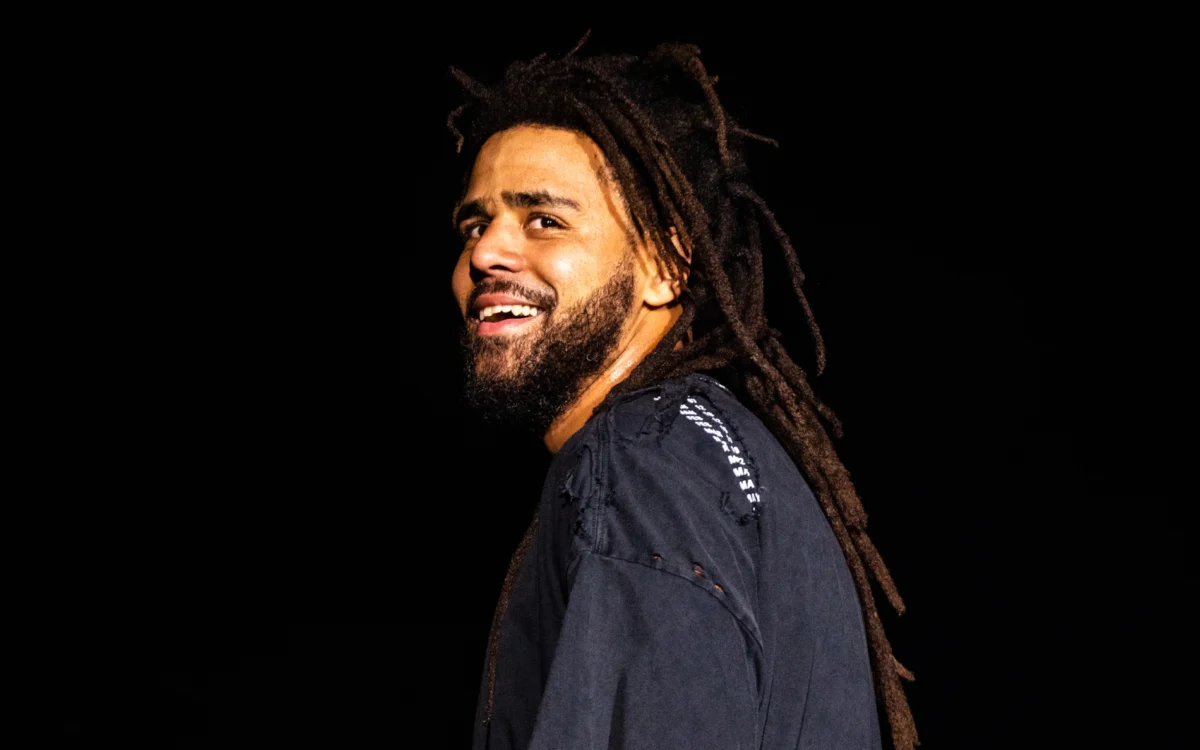
J. Cole, the revered Dreamville co-founder, has offered an intimate glimpse into his latest musical opus, The Fall-Off, by revealing his personal favorite tracks from the album. In a candid dispatch on his personal blog, The Algorithm, the North Carolina native also detailed a robust global tour schedule and a strategic shift toward a more public-facing press run, marking a significant departure from his typically reclusive promotional style. These insights arrive a month after the album’s release, during which Cole has engaged directly with fans through unique initiatives like his "Trunk Sale Tour."
A Month of Reflection: The Artist’s Connection to The Fall-Off
The month following the release of The Fall-Off, described by J. Cole as his "eighth and final album," has been a period of intense activity and reflection for the artist. Instead of immediately engaging in traditional media circuits, Cole opted for a more organic approach, traveling from city to city in his familiar Honda Civic to connect with fans directly via his innovative "Trunk Sale Tour." This grassroots method allowed the music to resonate with listeners on its own terms before the artist provided his interpretations.
Through his blog, The Algorithm, a platform increasingly utilized by artists for unfiltered communication, Cole expressed profound gratitude for the reception of The Fall-Off. "This post is just me checking in and saying thank you for all the love on the album," he wrote, highlighting the genuine connection he feels when fans share their appreciation. "From the YouTube videos I see, to the TikTok videos, IG and Twitter posts that make it to me, it’s the best feeling in the world when I see people feel the same way I do about the music." This sentiment underscores a core aspect of Cole’s artistic philosophy: a desire for his work to connect authentically with his audience, fostering a shared experience rather than a one-way consumption. He further emphasized his personal attachment to the project, stating, "It’s officially a month after The Fall-Off dropped, and I’m still over here playing it every day religiously as if I’m not the one that’s rapping on it." This intimate admission offers fans a rare peek into the artist’s own relationship with his creations, suggesting a deep satisfaction and pride in the album’s final form.
Decoding the Favorites: Sonic Experimentation and Homage
J. Cole’s selection of his favorite tracks from The Fall-Off provides intriguing insights into his artistic evolution and influences. His top pick, "The Let Out," stands out as a testament to his willingness to push sonic boundaries. Described as "rock-flavored" and drawing inspiration from OutKast’s iconic "SpottieOttieDopaliscious," the track represents one of his most "sonically adventurous songs to date."
"SpottieOttieDopaliscious," from OutKast’s seminal 1996 album ATLiens, is renowned for its smooth, jazz-infused instrumental, featuring a prominent horn section and a laid-back, conversational delivery that created an enduring anthem for relaxed urban gatherings. Its influence on "The Let Out" suggests Cole’s deliberate effort to infuse a similar sense of atmosphere and musicality, perhaps moving beyond the traditional boom-bap or trap sounds often associated with contemporary hip-hop. The "rock-flavored" element further hints at a broader palette of influences, potentially incorporating live instrumentation or a more raw, guitar-driven aesthetic. For an artist largely known for his lyrical prowess and often minimalist production, embracing such a diverse soundscape in a lead favorite indicates a significant creative exploration on The Fall-Off. This choice not only showcases his versatility but also reinforces the idea that true artistry often involves venturing into unexpected territories, even on what is purported to be a "final" album.
Beyond "The Let Out," Cole also singled out "Poor Thang" and "I Love Her Again" as strong contenders for his personal favorites. "I Love Her Again" is particularly notable for its deliberate homage to two foundational tracks in hip-hop history: Common’s "I Used To Love H.E.R." and "The Light." "I Used To Love H.E.R.," released in 1994, is a metaphorical masterpiece that personifies hip-hop as a woman, chronicling its evolution, commercialization, and the artist’s enduring love for its purest form. It remains a benchmark for introspective and critical commentary on the genre itself. "The Light," from Common’s 2000 album Like Water for Chocolate, is a soulful, heartfelt ode to love, celebrated for its warm production (courtesy of J Dilla) and Common’s tender, poetic verses. By referencing these two tracks, J. Cole not only pays tribute to Common, a highly respected peer known for his conscious lyricism, but also subtly positions "I Love Her Again" within a lineage of hip-hop songs that explore themes of love, reverence, and the evolving relationship with the culture itself. This choice reinforces Cole’s reputation as a student of the game, deeply rooted in hip-hop’s rich narrative traditions while simultaneously forging his own path.
Chart Performance and The "Final Album" Narrative
While specific first-week sales figures for The Fall-Off are still being analyzed in the context of the album’s release, the industry typically anticipates robust performance from an artist of J. Cole’s caliber. His previous albums have consistently debuted at the top of the Billboard 200, with projects like 2014 Forest Hills Drive achieving multi-platinum status without any guest features, a rare feat in modern music. KOD broke streaming records upon its 2018 release, and The Off-Season (2021) continued this trend, debuting at No. 1 with significant commercial and critical success. The original article’s reference to a link about The Fall-Off potentially "falling off" the Billboard 200 in its first week could be interpreted in several ways: either a predictive narrative that didn’t materialize, a misunderstanding of how chart positions naturally shift after a high debut, or a commentary on the fierce competition in the current music landscape. However, Cole’s subsequent statements of gratitude for "all the love on the album" strongly suggest a positive reception, indicative of his consistent ability to connect with a massive audience.
The designation of The Fall-Off as J. Cole’s "eighth and final album" carries significant weight within the hip-hop community. Discussions around retirement are not new in the genre, with artists like Jay-Z famously announcing and then retracting such plans, and others like Logic taking hiatuses. For J. Cole, an artist celebrated for his consistent quality, lyrical depth, and independent spirit (through Dreamville Records), the idea of a "final" project signals a potential pivot in his career, perhaps towards more behind-the-scenes work, mentorship, or simply a greater focus on personal life. This declaration adds an extra layer of anticipation and scrutiny to The Fall-Off, as fans and critics alike evaluate it not just as another album, but as a potential capstone to a celebrated discography. It compels a deeper consideration of his artistic legacy, the themes he explores, and the overall message he wishes to impart as he potentially concludes a significant chapter of his recording career.
Innovative Fan Engagement: The Trunk Sale Tour
The "Trunk Sale Tour" exemplifies J. Cole’s unique approach to fan engagement, prioritizing direct, unfiltered interaction over conventional promotional tactics. Traveling in his "old Honda Civic," a symbol of his grounded and relatable persona, Cole greeted fans in various cities, selling merchandise and connecting on a personal level. This grassroots initiative stands in stark contrast to the high-gloss, heavily produced promotional events typically associated with major album releases.
The Trunk Sale Tour tapped into a nostalgic, almost guerrilla marketing style reminiscent of early hip-hop, where artists would connect directly with their audience in local communities. For an artist of J. Cole’s stature, choosing this method speaks volumes about his desire to maintain authenticity and gratitude. It allowed fans to experience a tangible connection with an artist who often shies away from the public eye, reinforcing his image as an artist for the people. In an era dominated by digital interactions, the physical, face-to-face nature of the Trunk Sale Tour created memorable experiences that viral social media moments cannot fully replicate. This initiative not only served as a unique album promotion but also solidified Cole’s reputation as one of the most accessible and humble superstars in the music industry, fostering a deeper sense of loyalty among his fanbase.
A Strategic Shift: Embracing the Press Run
Perhaps one of the most surprising announcements from J. Cole’s recent blog post is his intention to embark on a traditional press run for The Fall-Off. Historically, Cole has maintained a notably media-shy stance, often allowing his music to speak for itself without extensive interviews or promotional appearances. This deliberate distance from the media circuit has, in part, contributed to his mystique and cultivated an image of an artist focused solely on his craft.
His explanation for this previous approach sheds light on his artistic integrity: "My intention was to drop the album and let it sit for at least a month before I did any interviews. I wanted to give people a chance to feel whatever emotions the music brought them, and formulate their own thoughts, ideas, opinions or interpretations before I came out and gave mine. I felt it would be best that way; more pure." This strategy allowed listeners to form their own unadulterated connections with the music, fostering a more personal and introspective experience before the artist’s narrative could influence their perceptions.
Now, a month post-release, Cole feels it is the "good time to step out of my comfort zone (home) and do some interviews." This pivot signifies a strategic decision to amplify the album’s message and engage with a broader audience. His intention to connect with "a lot of platforms out there that I f*k with, both big and small," indicates a comprehensive and inclusive approach, aiming to reach diverse segments of his fanbase and the music community at large. This shift not only provides an opportunity for Cole to articulate the deeper meanings and inspirations behind The Fall-Off* but also allows him to engage in a dialogue about his career, his "final album" declaration, and his future aspirations. For an artist who has largely let his music do the talking, this embrace of traditional media represents a significant strategic evolution, promising deeper insights and further contextualization of his monumental project.
The Global Marathon: The Fall-Off Tour
Beyond the album’s personal revelations and media strategy, J. Cole has also unveiled plans for an ambitious global undertaking: The Fall-Off Tour. This massive trek is slated to span 73 dates across four continents over five months, commencing on July 10 and concluding on December 12. Such an extensive schedule underscores the artist’s commitment to bringing The Fall-Off to his worldwide audience, a significant endeavor for any musician, particularly one who has openly discussed the challenges of balancing a demanding career with fatherhood.
Cole himself acknowledged the daunting nature of the tour. "I was exhausted after leaving L.A. on that last [Trunk Sale Tour] stop, it had me thinking about this tour coming up… 6 months long!! Sheeeeeeeeesh!! I’m excited though," he wrote. This candid admission highlights the physical and mental toll of touring, especially on such a grand scale. The fact that he hasn’t undertaken an international tour run of this magnitude since his 4 Your Eyez Only tour further emphasizes the significance of this commitment. He explicitly stated the personal sacrifice involved: "Fatherhood made me not want to be away from the house for that long of a time, but for this album it’s a must that I thug it and hit the world up." This statement powerfully conveys his dedication to The Fall-Off, suggesting that this particular project holds immense personal and artistic importance, compelling him to make considerable personal sacrifices to share it globally.
The tour’s vast geographical reach—spanning four continents—not only caters to his immense international fanbase but also solidifies his status as a global hip-hop icon. Logistically, coordinating such an extensive tour requires immense planning and resources, reflecting the scale of Dreamville’s operations. For fans, it represents a rare opportunity to experience what might be his final album performed live, adding an element of historical significance to each concert. The sheer scope of The Fall-Off Tour is a testament to J. Cole’s enduring influence and the profound connection he shares with his listeners across the globe, signaling a powerful closing chapter to his touring career, at least in its current form.
Solidifying a Legacy
J. Cole’s comprehensive rollout for The Fall-Off—from the album’s intimate revelations and innovative fan engagement to a strategic shift in media approach and an ambitious global tour—paints a picture of an artist meticulously crafting his legacy. By choosing to share his personal favorites, he offers a window into his artistic soul, highlighting his commitment to sonic exploration and his deep reverence for hip-hop’s history. His direct interaction with fans through the "Trunk Sale Tour" reinforces his image as a grounded and authentic figure, while his decision to engage in a formal press run signals a deliberate effort to provide context and deepen the understanding of what he has termed his "final album."
The scale of The Fall-Off Tour underscores his dedication to his global audience and the profound importance he places on this particular project. Together, these multifaceted initiatives contribute to a carefully constructed narrative that celebrates his journey, acknowledges his influences, and potentially sets the stage for a new phase in his career. Whether The Fall-Off truly marks his final studio album or merely the conclusion of a significant chapter, J. Cole’s actions demonstrate an artist fully in control of his narrative, ensuring his impactful contributions to hip-hop are celebrated and understood on his own terms.