Reynand Wu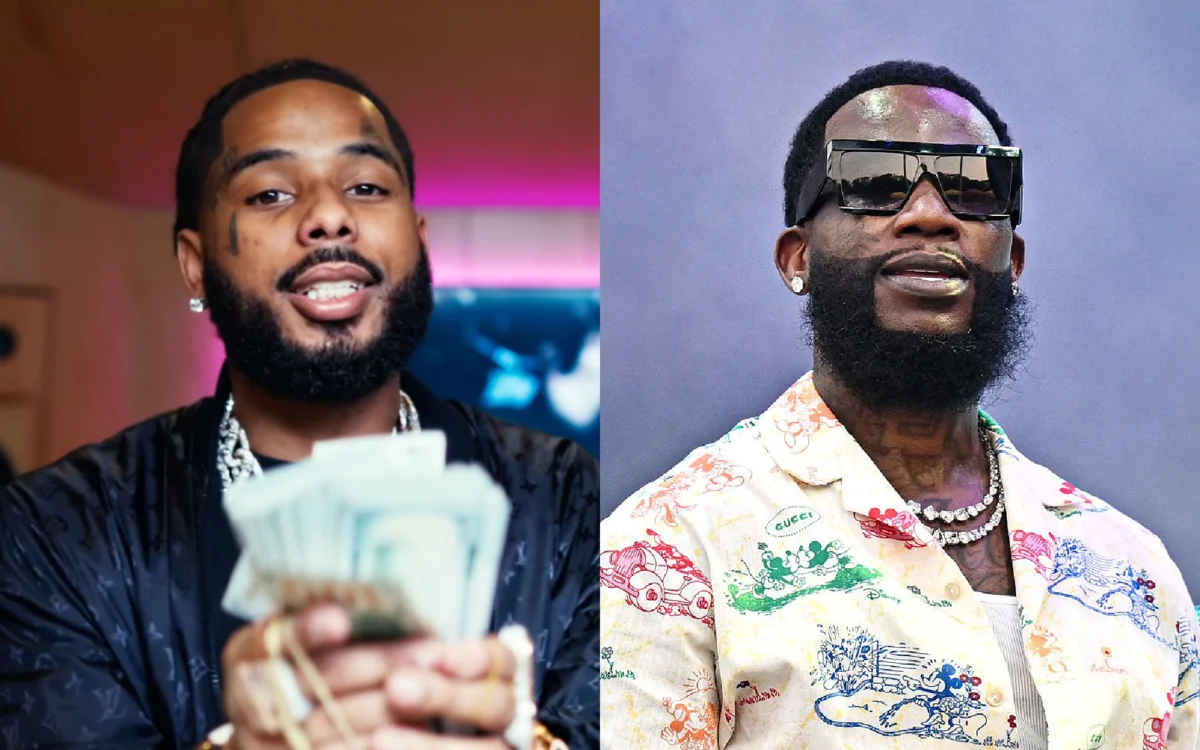
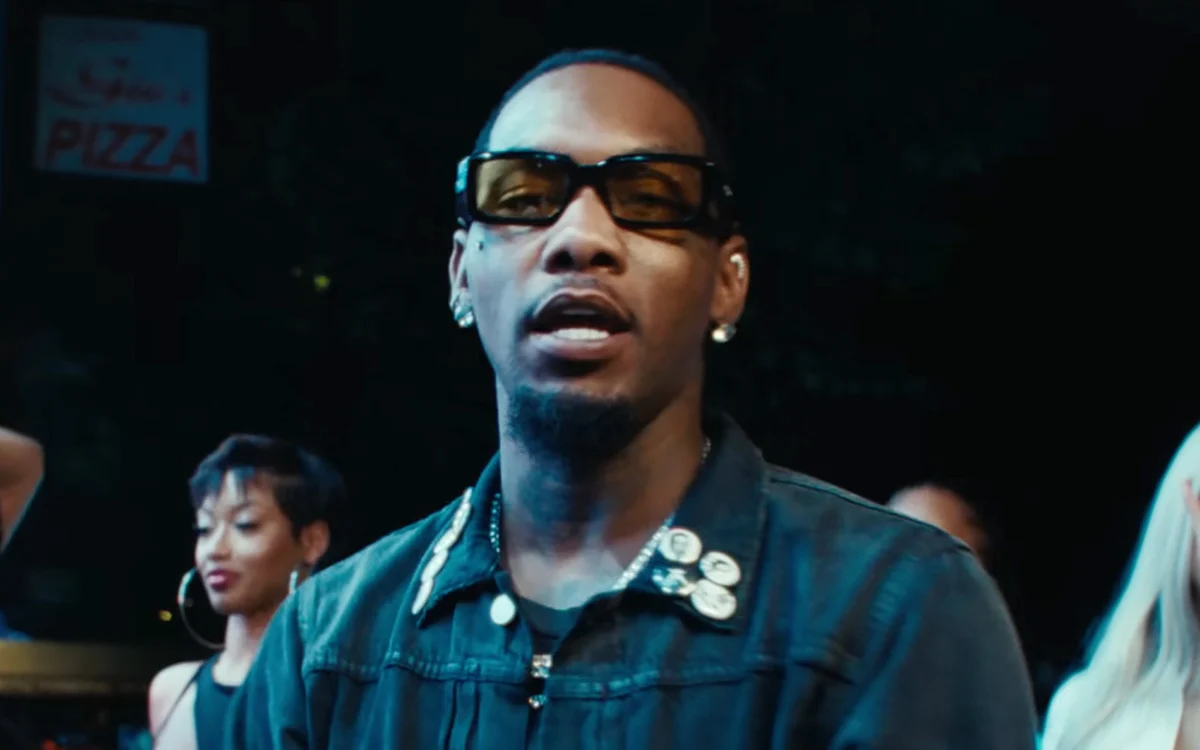
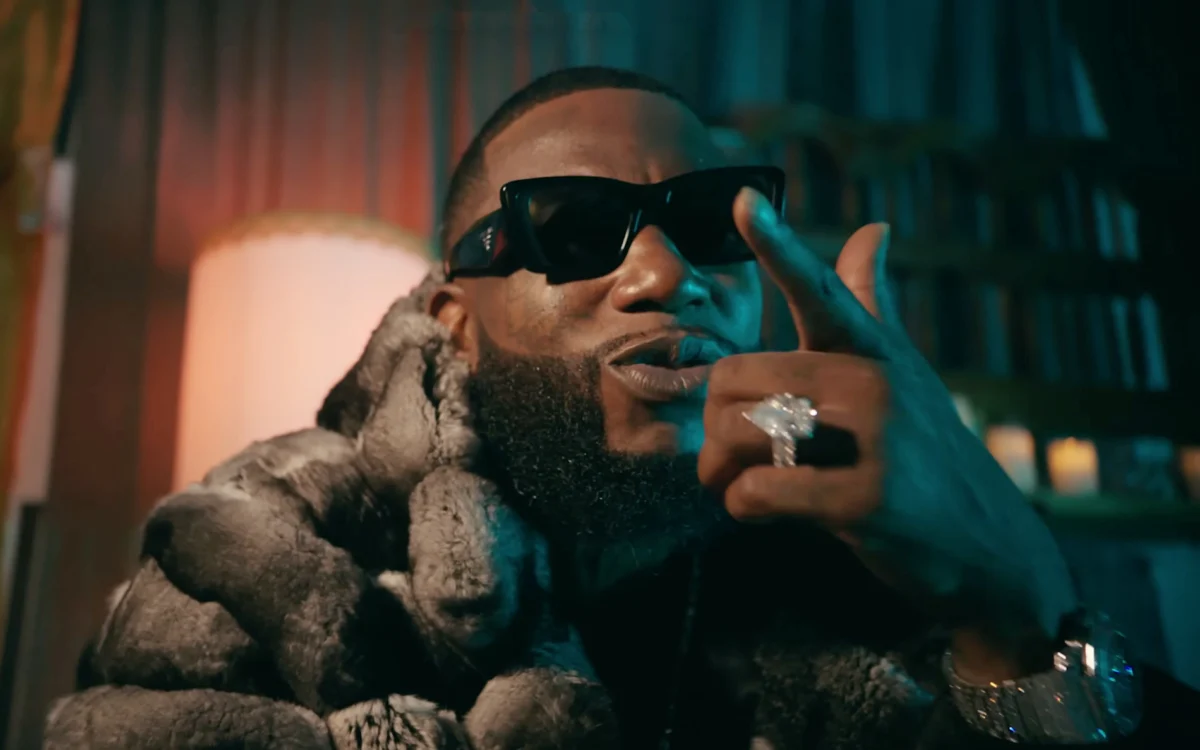
Federal authorities have apprehended acclaimed rapper Pooh Shiesty, whose real name is Lontrell Williams Jr., along with his father Lontrell Williams Sr. and fellow artist Big30, in connection with the alleged armed robbery and kidnapping of hip-hop mogul Gucci Mane and two other music industry professionals earlier this year. The high-profile arrests, which saw Williams Jr. taken into custody by federal agents, stem from an incident on January 10, 2026, in Dallas, Texas, that reportedly escalated into a "coordinated armed takeover" during a business meeting.
The Department of Justice (DOJ) confirmed that Pooh Shiesty is among eight defendants currently in federal custody, with a ninth suspect remaining at large as of the official announcement. The charges are grave, carrying potential sentences of up to life imprisonment, underscoring the severity with which federal law enforcement is treating the allegations. The arrests have sent shockwaves through the music industry, particularly given the prominent stature of both the alleged perpetrator and the alleged victim.
The Alleged January 10 Incident: A Detailed Account
According to a detailed statement released by the Department of Justice, the dramatic events unfolded on January 10, 2026, at a recording studio in Dallas. Pooh Shiesty allegedly initiated a meeting with Gucci Mane, whose legal name is Radric Davis, and two other individuals identified only by their initials, M.M. and B.P. The stated purpose of this meeting was to discuss the terms of Pooh Shiesty’s contract with 1017 Records, a label founded and headed by Gucci Mane.
Upon the arrival of Gucci Mane, M.M., and B.P. at the studio, the atmosphere reportedly shifted dramatically. The DOJ alleges that Pooh Shiesty and his associates swiftly executed what has been described as a "coordinated armed takeover." During this purported ambush, Pooh Shiesty is accused of brandishing an AK-style pistol, using it to intimidate and coerce Gucci Mane into signing contract termination paperwork. This act, if proven, would effectively sever Williams Jr.’s ties with 1017 Records under duress.
Beyond the alleged contractual coercion, the incident quickly spiraled into a full-scale robbery. Federal prosecutors contend that Pooh Shiesty personally stole several high-value items from Gucci Mane, including his wedding ring, an expensive watch, earrings, and a quantity of cash. Simultaneously, the other defendants, armed with firearms, allegedly targeted M.M. and B.P., robbing them of their Rolex watches, various pieces of jewelry, cash, and other valuable possessions.
The DOJ’s account paints a grim picture of the altercation, detailing a particularly violent moment where the victim identified as M.M. was allegedly choked to the brink of unconsciousness. Adding to the gravity of the situation, fellow rapper Big30 (real name unknown at this stage, but often associated with Pooh Shiesty) is accused of physically barricading the studio door with his body, preventing the victims from escaping during the alleged robbery and kidnapping. This alleged act highlights a deliberate attempt to confine the victims and facilitate the crimes.
The Federal Investigation and Evidence Trail
The investigation leading to the federal indictments and subsequent arrests was reportedly meticulous, leveraging a combination of traditional forensic techniques and modern digital evidence. Federal authorities, including units from the U.S. Marshals Service and potentially the FBI, worked to piece together the events of January 10.
Key to the prosecution’s case, as outlined by the Department of Justice, are multiple pieces of corroborating evidence. Investigators reportedly recovered fingerprints from the scene, which were crucial in identifying some of the alleged perpetrators. Furthermore, rental car records were utilized to track the movements of the suspects before and after the incident, establishing a timeline and presence at the crime scene.
Perhaps one of the most compelling and damning pieces of evidence cited by the DOJ involves social media posts. Federal prosecutors allege that, just hours after the alleged robbery and kidnapping, some of the defendants shared images and videos on various social media platforms, openly displaying the very items that had been purportedly stolen from Gucci Mane and the other victims. This practice, often seen in criminal cases involving younger individuals, inadvertently provides law enforcement with a direct link between the suspects and the stolen property, significantly bolstering the prosecution’s case. The quick dissemination of such evidence online allowed investigators to move rapidly, consolidating their case against the accused.
The involvement of federal authorities, rather than state or local police, often signals the perceived seriousness of the crimes, potential interstate implications, or the involvement of organized criminal activity. Federal charges, particularly for offenses like armed robbery and kidnapping, carry significantly harsher penalties and often have higher conviction rates due to the extensive resources of federal agencies.
Background and Context: Pooh Shiesty’s Trajectory
Lontrell Williams Jr., known professionally as Pooh Shiesty, rose to prominence rapidly within the hip-hop scene, largely under the mentorship and co-sign of Gucci Mane. Hailing from Memphis, Tennessee, Pooh Shiesty’s gritty lyrical style and distinctive flow quickly garnered attention, leading to his signing with Gucci Mane’s 1017 Records. His career breakthrough came with hits like "Back In Blood," featuring Lil Durk, which became a viral sensation and solidified his position as a rising star in the drill subgenre. His debut mixtape, "Shiesty Season," released in 2021, achieved commercial success, showcasing a promising future.
Gucci Mane, a pivotal figure in trap music and a veteran of the industry, has a long-standing reputation not only as a prolific artist but also as a discoverer and developer of talent. His 1017 Records label has been instrumental in launching the careers of numerous artists, making the alleged betrayal and armed confrontation all the more shocking. The relationship between a label head and their artist is typically built on trust and mutual benefit, making the allegations of a forceful contract termination deeply unusual and concerning for the industry.
However, Pooh Shiesty’s career has also been marred by prior legal entanglements. At the time of the alleged January 10, 2026 incident, Williams Jr. was reportedly on home confinement. This status stemmed from a previous firearms conspiracy conviction in Florida. He had only recently been released from prison in October 2025, having served four years behind bars for that earlier offense. The fact that the current alleged crimes occurred while he was under federal supervision could have significant implications for his bail status and potential sentencing, potentially leading to the revocation of his previous supervised release and additional penalties. This history paints a picture of an artist struggling with legal challenges even as his musical career was reaching new heights.
The involvement of Big30, another Memphis rapper and frequent collaborator with Pooh Shiesty, also adds a layer to the narrative. Their professional and personal association suggests a pre-existing relationship among some of the alleged perpetrators, further indicating a "coordinated" effort as described by the DOJ.
Legal Ramifications and Broader Implications
The charges of federal armed robbery and kidnapping are among the most serious crimes under U.S. law. Kidnapping, particularly when involving firearms and force, can carry extremely lengthy sentences, including life imprisonment, as mentioned by the Department of Justice. Federal sentencing guidelines take into account various aggravating factors, such as the use of weapons, the level of violence, the number of victims, and any prior criminal history. Given Pooh Shiesty’s previous firearms conviction and his alleged violation of home confinement, the legal road ahead appears particularly challenging for him and his co-defendants.
The legal process will typically involve an initial appearance, an arraignment where the defendants will enter their pleas (likely not guilty at this stage), and then a discovery phase where both sides gather evidence. Should the case proceed to trial, federal prosecutors would need to prove each element of the charges beyond a reasonable doubt. The evidence cited—fingerprints, rental car records, and social media posts—would be central to their presentation.
From an industry perspective, these allegations carry severe implications. For Pooh Shiesty and Big30, a conviction would undoubtedly lead to the complete collapse of their musical careers, erasing years of hard work and artistic development. Even an acquittal or a lesser plea deal would leave a lasting stain on their public image and professional viability. The financial repercussions would be immense, encompassing legal fees, potential restitution, and the loss of future earnings.
For Gucci Mane and 1017 Records, the incident poses a significant reputational challenge, even as they are the alleged victims. It highlights the inherent risks in the music business, particularly when dealing with personal and contractual disputes that can turn violent. The incident may prompt a re-evaluation of security protocols for artist meetings and business dealings, especially when high-value assets or contentious contractual issues are involved.
The silence from Pooh Shiesty, Big30, and Gucci Mane regarding the charges is typical in such high-stakes federal investigations. Legal counsel almost universally advises clients not to comment publicly on ongoing cases to avoid prejudicing their defense or inadvertently providing information that could be used against them. Representatives for all parties involved have yet to issue official statements, indicating that they are likely consulting with their legal teams to navigate the complex legal landscape.
This case also underscores the evolving nature of criminal investigations in the digital age. Social media, once a tool for personal expression and career promotion, has become a significant source of evidence for law enforcement. The ease with which individuals can inadvertently incriminate themselves through online posts serves as a stark reminder of the digital footprint left by nearly every action in modern society.
As the legal proceedings unfold, the hip-hop community and the broader public will be watching closely. The outcome of this case could not only determine the fate of several individuals but also potentially influence how contractual disputes are handled within the music industry and how federal authorities continue to combat serious crimes involving high-profile figures. The gravity of the charges and the potential for life imprisonment emphasize the critical juncture at which Pooh Shiesty and his co-defendants now stand.