Kholidah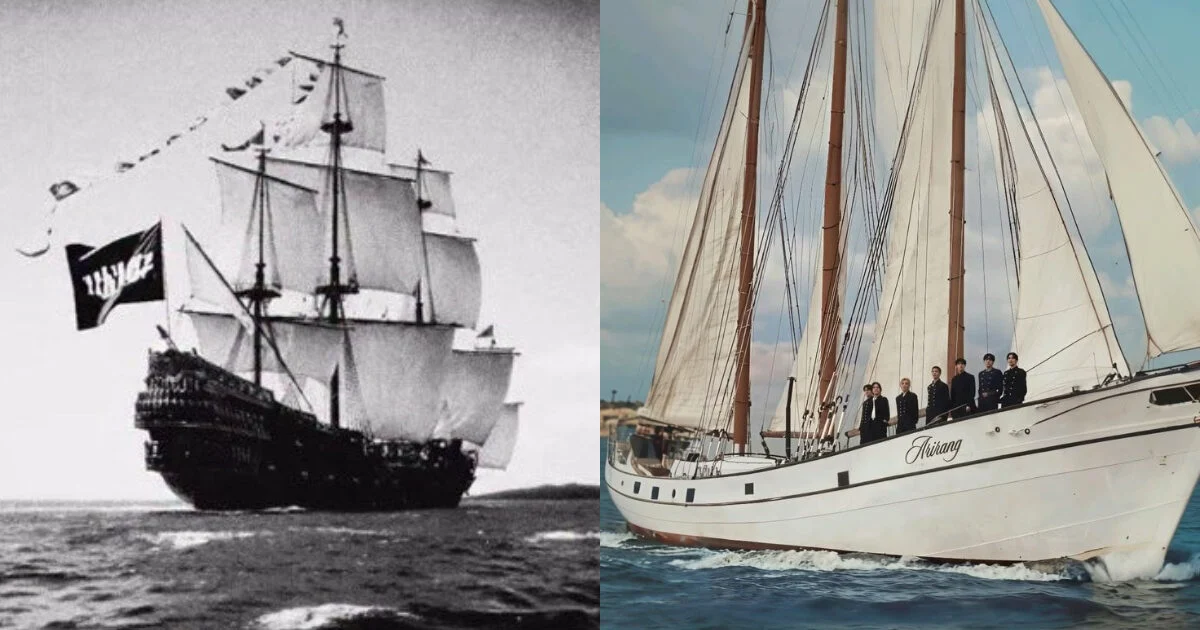
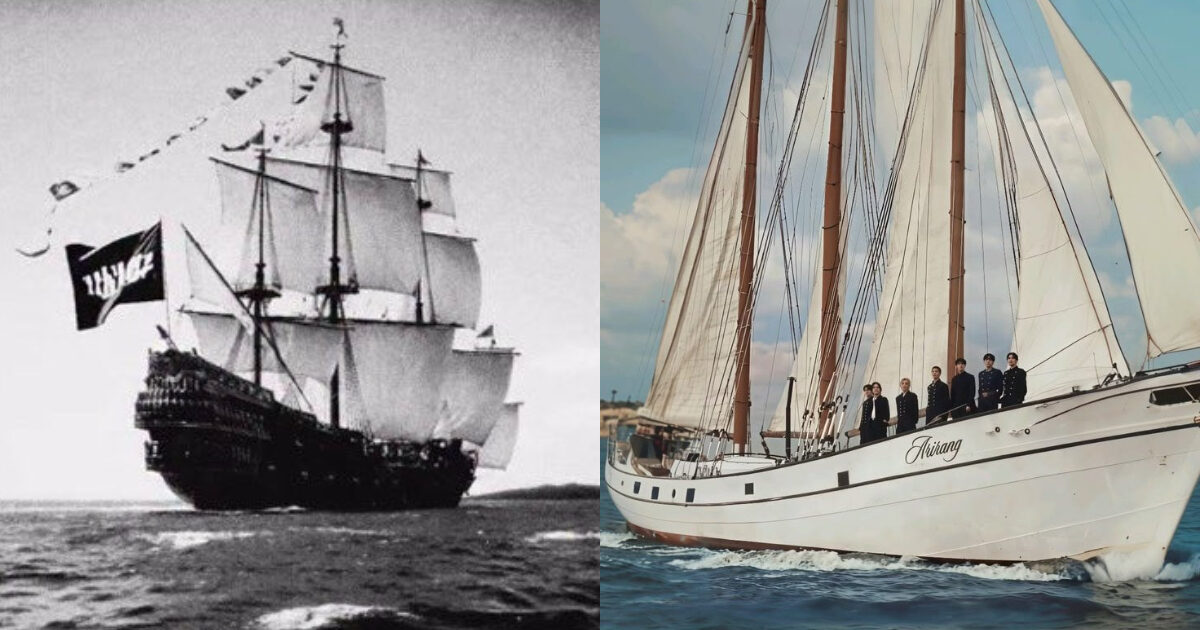
The global K-pop industry is currently witnessing a significant discourse regarding creative intellectual property and visual tropes following the release of promotional material for NCT leader Taeyong’s upcoming solo project. On May 7, 2026, SM Entertainment released a teaser video titled "WYLD Clip pt. 5," a high-production preview for Taeyong’s first full-length studio album, WYLD. While the teaser was initially met with enthusiasm from the artist’s global fanbase, it quickly became the center of a heated online debate involving allegations of conceptual plagiarism from segments of the BTS fandom, known as ARMY. The controversy centers on the use of nautical imagery, specifically a ship, which some fans claim bears an unacceptable resemblance to visual elements used in previous BTS projects, most notably the music video for the track "Swim" and the visual aesthetic of the "Arirang" performance.
The Genesis of the Conceptual Dispute
The controversy ignited shortly after the "WYLD" teaser was uploaded to NCT’s official social media channels. The clip features Taeyong in a cinematic setting involving a large vessel, utilizing lighting and framing that emphasizes a "Neo" futuristic yet gritty aesthetic. Within hours, screenshots began circulating on X (formerly Twitter) and other social media platforms, comparing Taeyong’s teaser to BTS’s "Swim" music video. Critics argued that the specific use of a ship as a central prop, combined with certain atmospheric choices, constituted a derivative work rather than an original creative expression.
One segment of the BTS fandom pointed to the "Arirang" visual production, which is less than a year old in the 2026 timeline, suggesting that the industry was "recycling" BTS’s creative direction too quickly. The rhetoric escalated as some users labeled the teaser a "cheap" imitation, leading to a surge in engagement on posts criticizing SM Entertainment’s creative department. This incident highlights the increasing sensitivity within the K-pop community regarding "concept gatekeeping," where fans of prominent groups claim ownership over broad artistic themes, such as nautical settings, celestial motifs, or specific historical eras.
NCTzens Respond: The Defense of Creative Universality
In response to the allegations, NCT’s fanbase, known as NCTzens, mobilized to defend Taeyong’s creative integrity. The primary counter-argument focused on the universality of nautical themes in art and media. Fans argued that ships, boats, and the ocean have been staple motifs in literature, cinema, and music videos for decades, and no single artist can claim a monopoly over these elements. Supporters pointed to various historical and contemporary music videos across different genres—ranging from Western pop to older K-pop generations—that have utilized similar maritime settings.
Furthermore, fans emphasized the "Neo" concept that has defined NCT’s brand since their debut in 2016. They argued that the gritty, industrial, and experimental aesthetic of the "WYLD" teaser is a natural evolution of Taeyong’s established artistic identity rather than an attempt to emulate another group. The defense also touched upon the psychological aspect of fandom rivalry, suggesting that the accusations were more a product of competitive tension than a legitimate concern regarding artistic plagiarism.
The Significance of Taeyong’s Navy Enlistment
A pivotal element in the defense of the WYLD concept is Taeyong’s personal history and his mandatory military service. Taeyong officially enlisted in the Republic of Korea Navy (ROKN) on April 15, 2024, serving as a member of the Navy’s military band. He completed his service over a period of approximately 20 months, a tenure that concluded shortly before the preparations for his 2026 solo album began.
NCTzens and industry observers have pointed out that Taeyong’s choice of a nautical theme is likely a deeply personal reflection of his time spent in the Navy. Given that he spent nearly two years of his life immersed in naval culture, the use of ship imagery is viewed by many as an authentic narrative choice. "The man spent almost two years of his life in the actual Navy and can’t even use a ship in his album imagery?" one viral post questioned, reflecting the sentiment that his military background provides a legitimate and personal foundation for the visual direction of WYLD.
Chronology of the WYLD Promotional Campaign
To understand the context of the current friction, it is necessary to examine the timeline of Taeyong’s solo activities and the rollout of his first full album:
- April 2024: Taeyong enlists in the Republic of Korea Navy, the first member of NCT to begin mandatory military service.
- Late 2025: Taeyong is officially discharged from his duties, returning to SM Entertainment to begin work on his solo debut full-length album.
- April 2026: SM Entertainment announces WYLD – The 1st Album, scheduled for release on May 18, 2026.
- May 7, 2026: The release of "WYLD Clip pt. 5" triggers the initial wave of plagiarism allegations from the BTS fandom.
- May 10, 2026: The online debate reaches its peak, with hashtags related to both artists trending globally as fans exchange arguments regarding visual originality.
- May 18, 2026: Scheduled release of the full album and the title track’s music video.
Analytical Perspective: The Fine Line Between Plagiarism and Trope
The controversy surrounding Taeyong’s WYLD teaser underscores a growing challenge in the modern music industry: the distinction between "visual plagiarism" and the use of established artistic "tropes." In the legal sense, plagiarism typically requires proof of a direct copy of a unique, non-generic expression. However, in the court of public opinion—particularly within K-pop—the standard is often much more subjective.
Nautical imagery is considered a "scene-a-faire"—a French term used in copyright law to describe elements of a work that are customary or even indispensable to a particular genre or setting. Just as a western film will inevitably feature horses and saloons, a music video exploring themes of journey, isolation, or strength will frequently employ ships and the sea.
From an industry standpoint, SM Entertainment has a long-standing reputation for high-concept world-building. The "Neo Culture Technology" (NCT) brand is built on experimental visuals and "limitless" expansion. Analysts suggest that the creative team likely drew inspiration from Taeyong’s personal growth and his transition from military life back to the stage, using the ship as a metaphor for his new journey as a solo artist.
Fandom Dynamics and the "Culture of Comparison"
The friction between ARMY and NCTzens is reflective of a broader "culture of comparison" that permeates social media. As K-pop has expanded globally, the pressure on artists to be "first" or "unique" has intensified. This has led to a defensive environment where fans act as self-appointed guardians of their favorite artists’ creative "firsts."
In this instance, the overlap in timing—with BTS members also active in solo projects and global tours in 2026—contributed to the volatility of the discourse. When two major forces in the industry release content within similar windows, comparisons are inevitable. However, critics of the plagiarism claims argue that this gatekeeping hinders creative freedom, as it discourages artists from using universal symbols for fear of backlash.
Broader Implications for the K-pop Industry
The "WYLD" controversy may have several long-term implications for how K-pop labels approach creative direction:
- Increased Documentation of Creative Process: Labels may begin to release more "behind-the-scenes" content or mood boards earlier in the promotion cycle to establish the original intent and inspiration behind a concept, thereby pre-empting plagiarism claims.
- Narrative-Driven Marketing: By tying visual concepts directly to an artist’s personal experiences (such as Taeyong’s Navy service), companies can create a "conceptual shield" that makes it harder for critics to claim the imagery was stolen from another source.
- Legal Definitions of Visual IP: As these disputes become more common, there may be a push for clearer industry standards or legal frameworks regarding what constitutes a "protected visual concept" versus a "public domain trope."
Conclusion
As of mid-May 2026, neither SM Entertainment nor HYBE (the parent company of BTS’s label, Big Hit Music) has issued an official statement regarding the fan-led dispute. Taeyong continues to move forward with the promotional schedule for WYLD, which remains one of the most highly anticipated solo releases of the year. While the online debate continues to simmer, industry experts believe that the controversy is unlikely to hinder the album’s commercial success. On the contrary, the increased engagement—though contentious—has brought significant attention to the release.
Ultimately, the situation serves as a reminder of the complex intersection between artist identity, fan loyalty, and the universal nature of creative expression. As Taeyong prepares to launch his first full album, the focus for many remains on the music and the artist’s ability to translate his personal experiences into a cohesive, "Neo" artistic statement. Whether the ship imagery is viewed as a copy or a personal tribute to his Navy service remains a matter of perspective, but the impact of the discourse on the 2026 K-pop landscape is undeniable.