Aveline Kirana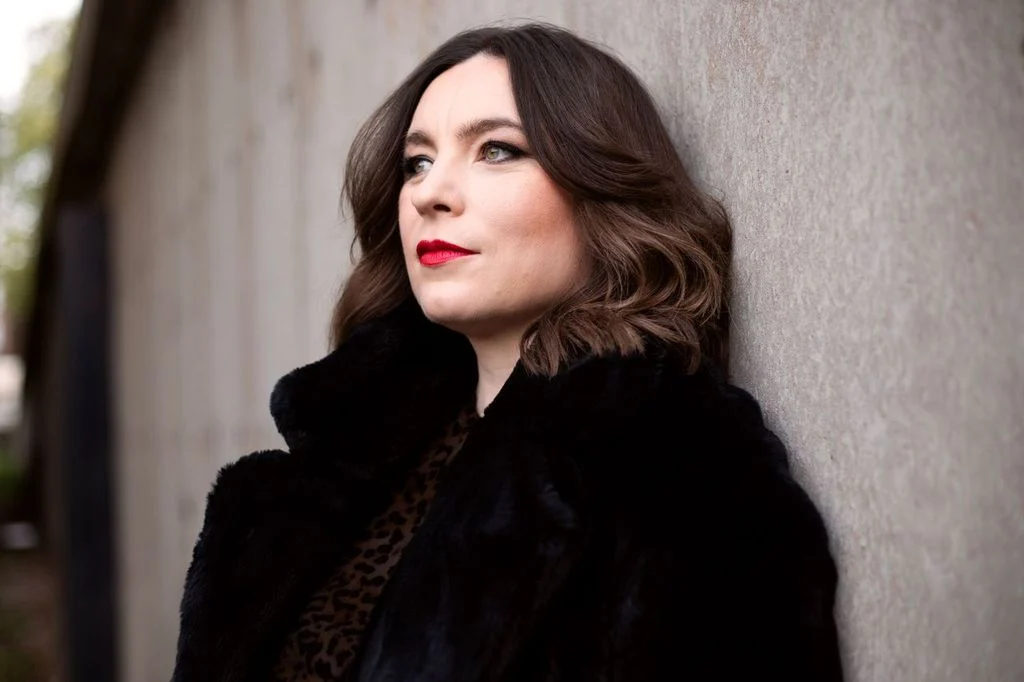
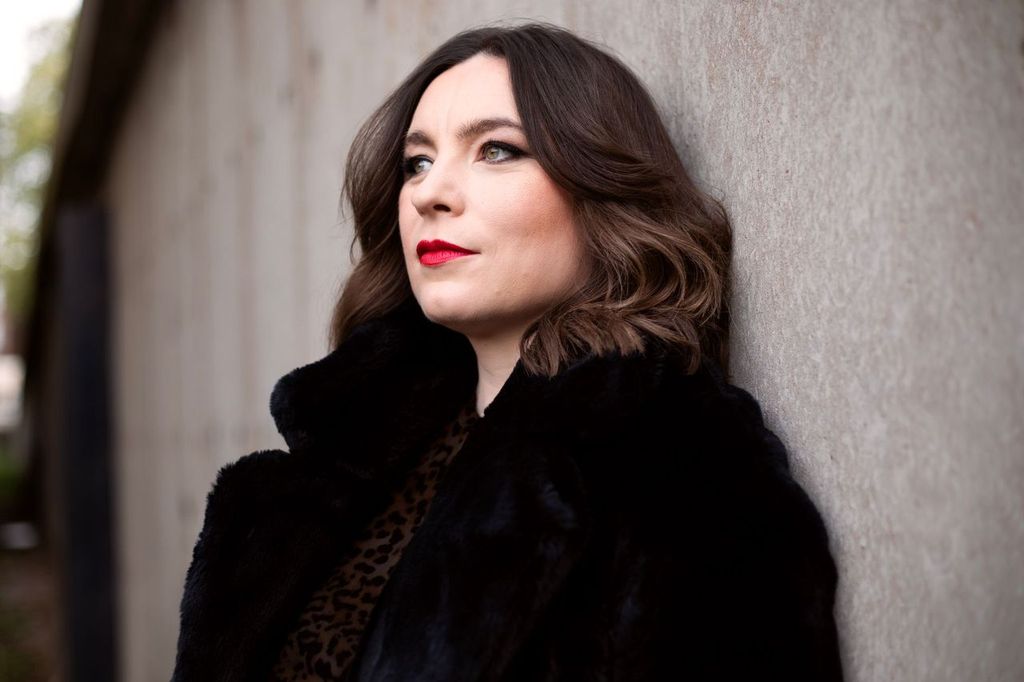
Soprano Natalya Romaniw has announced her withdrawal from the highly anticipated production of Giacomo Puccini’s "Tosca" at the Glyndebourne Festival this summer, citing her pregnancy. The decision, communicated via social media, marks a significant shift for the acclaimed opera house and its audience, as Romaniw was slated to perform the titular role. Her announcement comes with a mix of personal joy and professional regret, underscoring the delicate balance between artistic commitments and personal well-being.
Romaniw expressed her deep disappointment in a heartfelt statement: "With a heavy heart, I share that I will no longer be performing ‘Tosca’ at Glyndebourne this summer. Glyndebourne Festival is an occasion I have longed to be a part of for many years, so this decision has not come easily, and it is filled with genuine sadness and regret." This sentiment highlights the prestige associated with Glyndebourne and the personal significance of her engagement. The festival, renowned for its intimate setting and high artistic standards, represents a pinnacle for many opera singers. Romaniw’s aspiration to perform there for "many years" speaks to the deep-seated ambition and dedication that characterizes a professional opera career.
The soprano continued to elaborate on the circumstances leading to her withdrawal: "However, as many of you will know, I am also very happy to share that I am expecting a baby in June. With rehearsals for ‘Tosca’ beginning in July, it has become clear – on the advice of my consultant – that allowing adequate time for recovery and not rushing back to work is the most important thing for both my health and my family." This candid explanation emphasizes the practical considerations and medical guidance that informed her difficult choice. The timing of her pregnancy, coinciding with the demanding rehearsal and performance schedule of a major operatic role, presented an insurmountable challenge. The advice from her consultant underscores the paramount importance placed on maternal health and the well-being of the newborn, a perspective increasingly recognized and supported within the performing arts.
Romaniw also extended her gratitude to Glyndebourne and expressed well wishes for her replacement. "While I am deeply disappointed to miss this wonderful engagement, I am grateful to Glyndebourne for their understanding, and I send all my very best wishes to Caitlin Gotimer, who will be taking over the remainder of the run. Thank you, as always, for your continued support – I look forward to being back on stage before long." This graceful acknowledgment of the opera house’s support and her confidence in Caitlin Gotimer’s abilities reflects a professional maturity and a commitment to the integrity of the production. The mention of Gotimer stepping into the role is a crucial piece of information for the audience and highlights the collaborative nature of opera companies in managing unforeseen circumstances.
Glyndebourne’s "Tosca": A Look at the Production and Cast Changes
The Glyndebourne Festival Opera is a summer institution in the United Kingdom, attracting opera enthusiasts from around the globe to its idyllic South Downs setting. Established in 1934 by John Christie and his wife, soprano Audrey Mildmay, Glyndebourne has built a reputation for its commitment to artistic excellence, innovative productions, and a unique audience experience that often includes picnics on the manicured lawns between acts. The festival typically stages a diverse repertoire, ranging from classic masterpieces to contemporary works, often featuring emerging talents alongside established stars.
This season’s production of "Tosca," a staple of the operatic canon, promises to be a significant event. Puccini’s thrilling melodrama, known for its intense drama, soaring melodies, and tragic storyline, demands powerful vocal performances and compelling stagecraft. The opera, set in Rome during Napoleon’s invasion, tells the story of the passionate and fiery opera singer Floria Tosca, her lover, the painter Mario Cavaradossi, and the ruthless Baron Scarpia, the chief of police. The role of Tosca is vocally and dramatically demanding, requiring a soprano with both immense vocal power and the ability to convey profound emotion.
The "Tosca" production is scheduled to open on May 21st and will run through August 30th, offering a substantial run for the opera. Prior to Romaniw’s withdrawal, the cast was a notable ensemble. With Romaniw’s departure, American soprano Caitlin Gotimer will now assume the demanding role of Floria Tosca for the remainder of the run. Gotimer, a rising star in the operatic world, has been gaining recognition for her powerful voice and dramatic interpretations. Her stepping into the role at short notice is a testament to her preparedness and the contingency planning inherent in major opera productions.
The supporting cast is equally impressive. Matteo Lippi is set to portray Mario Cavaradossi, the painter and Tosca’s lover. Lippi is known for his lyrical tenor voice and has a strong international career. The villainous Baron Scarpia will be performed by Vladislav Sulimsky, a bass-baritone whose commanding presence and vocal depth are well-suited to the role. Atalla Ayan will sing the role of Spoletta, one of Scarpia’s henchmen, and Alfred Walker will portray the Sacristan. The musical direction for this production is under the esteemed baton of Robin Ticciati and Jordan de Souza, both respected conductors with extensive experience in leading demanding operatic works. Their involvement ensures a high standard of musical execution.
Broader Implications and Industry Perspectives
Natalya Romaniw’s announcement brings to the forefront ongoing discussions within the opera industry regarding the integration of family life and artistic careers, particularly for female performers. While societal attitudes and industry practices have evolved, the demanding nature of operatic performance, often involving extensive travel, rigorous rehearsal schedules, and significant physical exertion, continues to pose unique challenges for singers navigating parenthood.
The decision to prioritize health and recovery after childbirth is a crucial one, and Romaniw’s statement reflects a growing trend of artists openly discussing and prioritizing these aspects of their lives. For many years, there was an implicit expectation that singers, especially women, would return to the stage swiftly after childbirth, often leading to significant personal and physical strain. Romaniw’s proactive approach, informed by medical advice, aligns with a more holistic understanding of well-being in a high-pressure profession.
The Glyndebourne Festival’s understanding and prompt announcement of a replacement highlight the operational resilience of major opera houses. Such institutions typically have contingency plans in place for artist cancellations, whether due to illness, injury, or unforeseen personal circumstances. The swift transition to Caitlin Gotimer demonstrates the depth of talent available within the opera world and the professionalism of both the artists and the administrative teams.
From a broader perspective, Romaniw’s experience serves as a valuable case study for the performing arts sector. It underscores the need for continued dialogue and practical support systems that enable artists to balance demanding careers with family responsibilities. This can include flexible scheduling, greater provision for parental leave, and a cultural shift that destigmatizes these life events. The opera industry, like many others, is continuously adapting to create a more sustainable and inclusive environment for its artists. Romaniw’s public statement, therefore, is not just a personal announcement but also a contribution to this ongoing conversation, advocating for a more supportive framework for artists who are also parents. Her return to the stage "before long" is eagerly anticipated by her admirers and the wider opera community.