Kholidah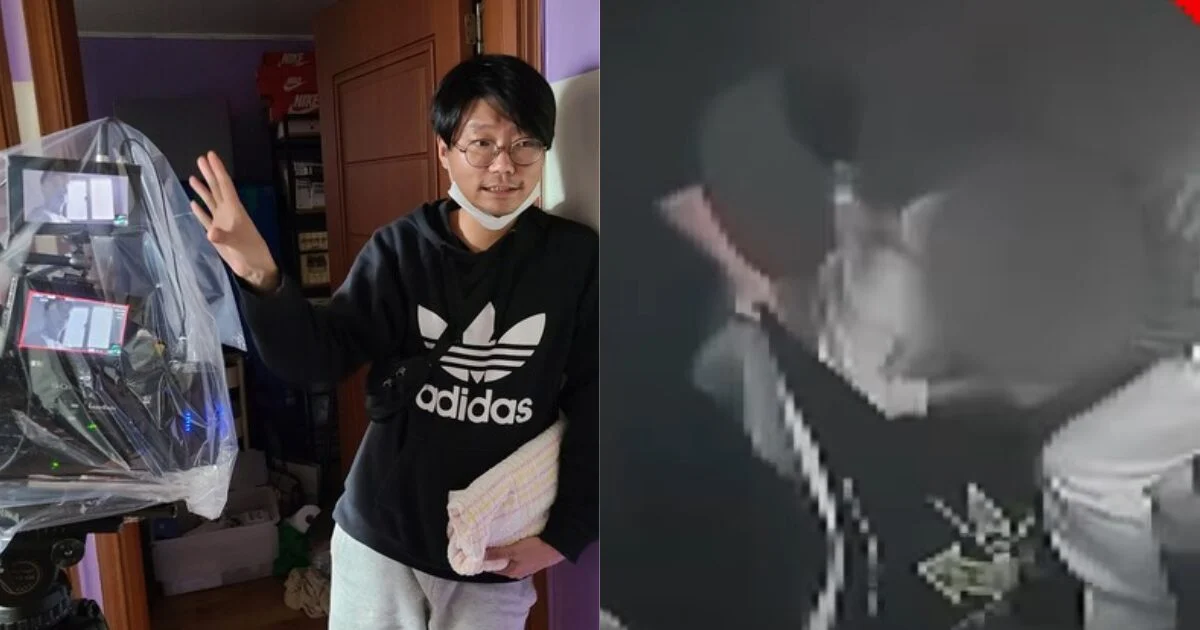
The controversy centers on two men, identified as "A" and "B," who were referred to the prosecution without detention on charges of causing death through injury. While the legal process remains ongoing, the discovery of a song released by "A" last month has shifted the focus from the technicalities of the investigation to the character and conduct of the suspects. The lyrics, which include lines such as "The innocent in me is already gone" and "I’ve become a thug," have been interpreted by many as a direct reference to the violent incident that led to Kim Chang Min’s death. This perceived boasting has triggered a wave of digital vigilantism, with personal details of the accused being shared across various social media platforms and community forums.
The Incident: A Fatal Confrontation in Guri
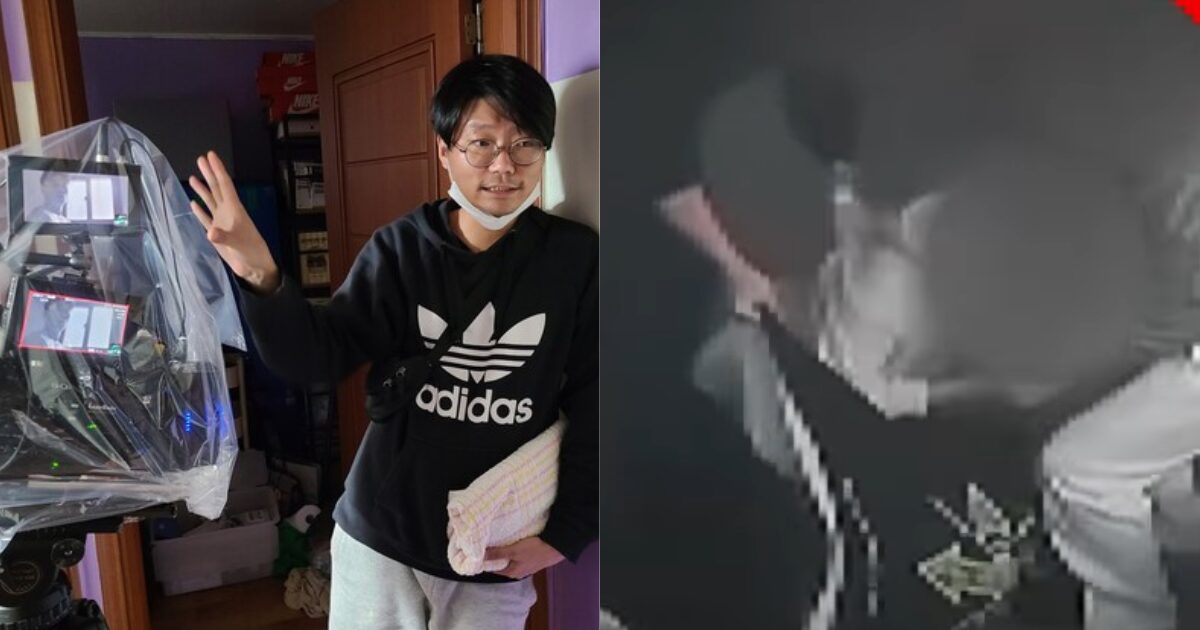
The tragedy that claimed the life of Director Kim Chang Min occurred last year at a restaurant in Guri, Gyeonggi Province. According to investigative reports and eyewitness accounts, the director was enjoying a meal with his son, who has autism. The peaceful evening was interrupted when the two suspects, who were also dining at the establishment, began to complain about the noises being made by Kim’s son.
Witnesses suggest that the situation escalated rapidly. Despite the director’s likely attempts to manage his son’s needs and de-escalate the tension, the suspects reportedly engaged in a verbal altercation that quickly turned physical. The assault was described as brutal and sustained; Kim was subjected to a barrage of strikes from multiple individuals. By the time emergency services arrived and transported him to a nearby medical facility, his condition was critical. Medical professionals eventually declared Kim brain dead, a diagnosis that marked the end of a promising career and left a family shattered.
The release of CCTV footage from the restaurant further fueled public anger. The graphic nature of the assault, showing the disparity in force and the relentless nature of the attack, provided a visual testament to the violence Kim endured. For many, the fact that the dispute originated from a lack of tolerance for a child with a disability added a layer of cruelty to the tragedy that resonated deeply with the public.
Legal Proceedings and the Denial of Arrest Warrants
In the aftermath of the assault, local police conducted a thorough investigation, identifying "A" and "B" as the primary suspects. Given the severity of the victim’s injuries and his subsequent death, law enforcement officials requested arrest warrants for both individuals. However, the South Korean court system denied these requests. The judiciary cited that the suspects did not pose a significant flight risk and that there was no immediate danger of them destroying evidence, allowing them to remain at liberty while the case proceeded to the prosecution.
This decision has been a focal point of criticism. In South Korea, the standard for "detention during investigation" is often a high bar, focusing heavily on the likelihood of the suspect fleeing. Critics argue that this standard fails to account for the gravity of the crime or the potential for the suspects to cause further emotional distress to the victim’s family. The fact that the suspects were referred to the prosecution "without detention" has been perceived by the public as a sign of leniency, despite the fatal outcome of their actions.
The legal categorization of the crime—causing death through injury rather than murder—also plays a significant role in the sentencing guidelines. Under South Korean law, "Injury Resulting in Death" (Sanghae-chisa) carries a different burden of proof regarding intent compared to "Murder" (Sarin). Proving that the suspects intended to kill Kim is more complex than proving they intended to harm him, and this distinction often results in shorter prison sentences, a fact that has contributed to the prevailing sense of injustice among the public.
The Hip-Hop Song: Evidence of a Lack of Remorse?
The emergence of the hip-hop track released by suspect "A" has added a new dimension to the case. In the context of South Korean criminal law, the presence or absence of "sincere remorse" is a critical factor in determining the severity of a sentence. Judges often consider whether a defendant has made efforts to compensate the victim’s family or if they have shown genuine regret for their actions.
The lyrics of the song, which lean heavily into "thug" imagery and celebrate a loss of innocence, are being viewed by legal analysts and the public alike as the antithesis of remorse. The timing of the release—occurring while the suspect is under investigation for a fatal assault—suggests a level of bravado that many find abhorrent. Netizens have pointed out that while the victim’s family is mourning a father and a caregiver, one of the men responsible is seemingly focused on launching a music career built on a persona of violence.

Legal experts suggest that while the song itself may not be direct evidence of the crime, it could be introduced during the sentencing phase to argue against any claims of repentance. If the prosecution can demonstrate that "A" is capitalizing on his "tough" image post-assault, it may negate the standard mitigating factors that defense attorneys typically rely on.
Allegations of Organized Crime Affiliation
Adding to the complexity of the case are reports suggesting that "A" and "B" may have ties to organized crime. Specifically, rumors circulated that the two were affiliated with a syndicate operating in the Guri area. In South Korea, crimes committed by members of organized groups are often met with harsher penalties under the Act on the Punishment of Violence, etc.
However, the syndicate in question took the unusual step of issuing a clarification. Representatives for the group stated that while the suspects may have had acquaintances within their circles, they were not "official members" of the organization. This distinction is legally significant; if the suspects are classified as lone actors rather than gang members, they may avoid the specific enhancements applied to organized criminal activity. Nevertheless, the public remains skeptical, noting that the aggressive behavior displayed during the assault is consistent with the culture of local "kkangpae" (thugs) or street-level enforcers.
Social Media and Digital Vigilantism
As news of the hip-hop song spread, the phenomenon of "doxxing"—the public release of private information—took hold. Frustrated by what they perceive as a slow and overly cautious judicial process, online communities have taken it upon themselves to identify the suspects. Photos, social media profiles, and personal histories of "A" and "B" have been widely disseminated.
While this reflects the depth of public anger, it also raises concerns about the role of digital vigilantism in the modern age. South Korean authorities have previously warned that spreading the personal information of suspects can interfere with the right to a fair trial and may even lead to legal repercussions for those sharing the data. However, the prevailing sentiment online is that the "right to know" and the need for social accountability outweigh these legal concerns, especially when the suspects appear to be mocking the gravity of their alleged crimes.
Broader Impact and Implications for South Korean Society
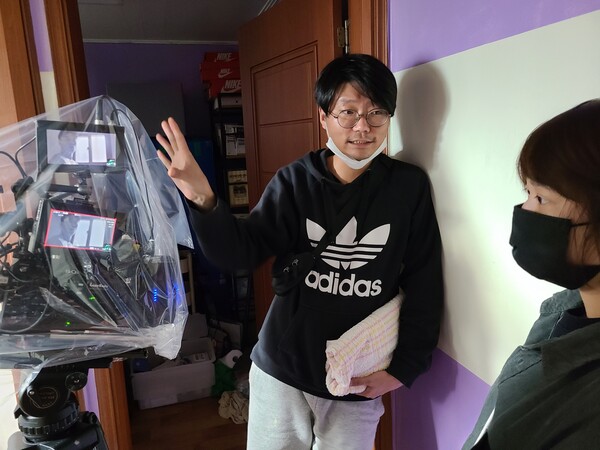
The death of Director Kim Chang Min has resonated beyond the film industry, touching on several sensitive societal issues in South Korea. First and foremost is the protection of individuals with disabilities and their families. The fact that the assault began because of a child’s autistic meltdowns has sparked a conversation about the lack of empathy and understanding toward neurodivergent individuals in public spaces. Disability advocacy groups have called for more stringent protections and a societal shift in how "public disturbances" involving disabled individuals are handled.
Secondly, the case highlights the ongoing debate regarding the "without detention" principle in the Korean legal system. There is a growing movement calling for legislative reform that would allow for the mandatory detention of suspects in cases involving death or extreme violence, regardless of flight risk. Proponents of this reform argue that the current system prioritizes the rights of the accused over the dignity of the deceased and the safety of the community.
Finally, the intersection of entertainment and crime—exemplified by the hip-hop song—reflects a troubling trend where individuals involved in high-profile criminal cases attempt to leverage their notoriety for social media clout or career advancement. The "glorification of the thug life" in certain subcultures is being scrutinized for its potential to desensitize young people to violence and disrespect the victims of real-world tragedies.
Conclusion: Awaiting Justice
As the prosecution continues its review of the evidence against "A" and "B," the memory of Director Kim Chang Min remains at the forefront of the public consciousness. Known for his creative vision and his dedication to his family, his life was cut short by an act of senseless violence that has now been compounded by the perceived arrogance of his attackers.
The upcoming trial will be a landmark case for the South Korean judiciary, as it must balance the technical requirements of the law with the overwhelming public demand for a sentence that reflects the severity of the loss. Whether the controversial hip-hop song will play a formal role in the courtroom remains to be seen, but in the court of public opinion, the verdict is already clear: the actions of the accused since the death of Director Kim have only deepened the tragedy and intensified the call for a justice system that truly holds violent offenders accountable.