Mia Khoirunisa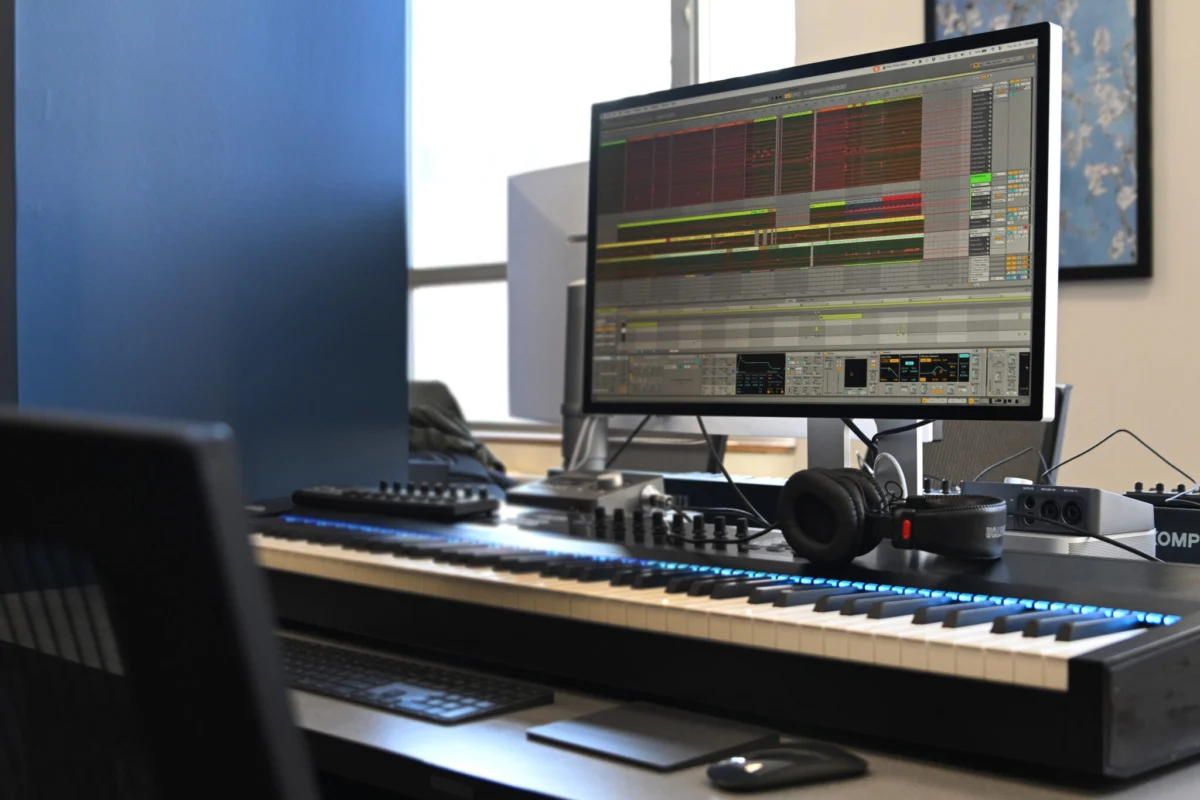
The Eastman School of Music, renowned for its classical training, is expanding its horizons into the dynamic world of electronic music production with a new intensive summer program designed specifically for high school students. The week-long course, running from July 19-24 in Rochester, New York, will be led by distinguished electronic music educators Dennis DeSantis and Erin Barra. This initiative coincides with the University of Rochester’s groundbreaking announcement of a Bachelor of Music degree in Music Creation and Technology, set to launch in Fall 2027, with DeSantis at the helm.
The summer program offers a unique opportunity for aspiring young musicians to dive deep into the creative and technical aspects of electronic music production. The curriculum is centered around Ableton Live, a leading digital audio workstation (DAW), and will cover a comprehensive range of topics including production, composition, mixing, and performance. Participants will engage in private lessons, master classes, and in-depth discussions, culminating in a showcase of the music they create throughout the week. The application deadline for the program has been extended to the end of May, providing a crucial window for interested students to secure their spot.
A Forward-Thinking Educational Vision
The introduction of the Eastman Music Production Summer Session and the forthcoming Bachelor of Music in Music Creation and Technology signal a significant strategic shift for the Eastman School of Music, aligning its venerable tradition with the evolving landscape of contemporary music creation. This move acknowledges the increasing prominence of electronic music production and digital audio technologies in the music industry and academic discourse.
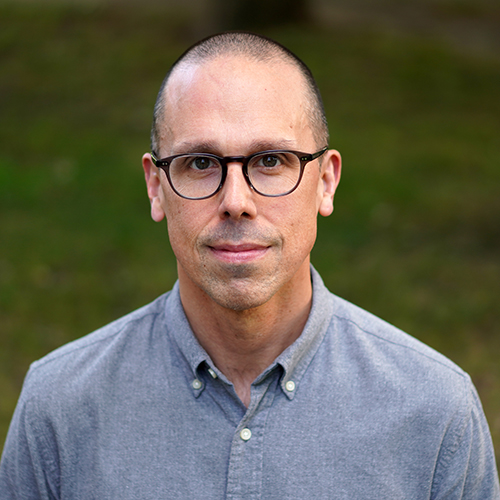
Dennis DeSantis, Associate Professor and the incoming leader of the new Bachelor’s degree program, brings a wealth of experience from his work at Ableton, where he was instrumental in developing educational resources like "Learning Music" and "Learning Synths." His expertise in demystifying complex production techniques and fostering creative exploration is expected to be a cornerstone of both the summer program and the degree curriculum.
"I want to at least plant the seed that the easy path shown to you by the design affordances isn’t the only one. It might not even be the optimal one," DeSantis stated in a recent discussion about his pedagogical approach. "Just by messing with things and making them do the unexpected, you’ll hear things you wouldn’t hear if you were sticking with your own patterns. I think there is value in learning tools as they are. I also just want to encourage people to think beyond that."
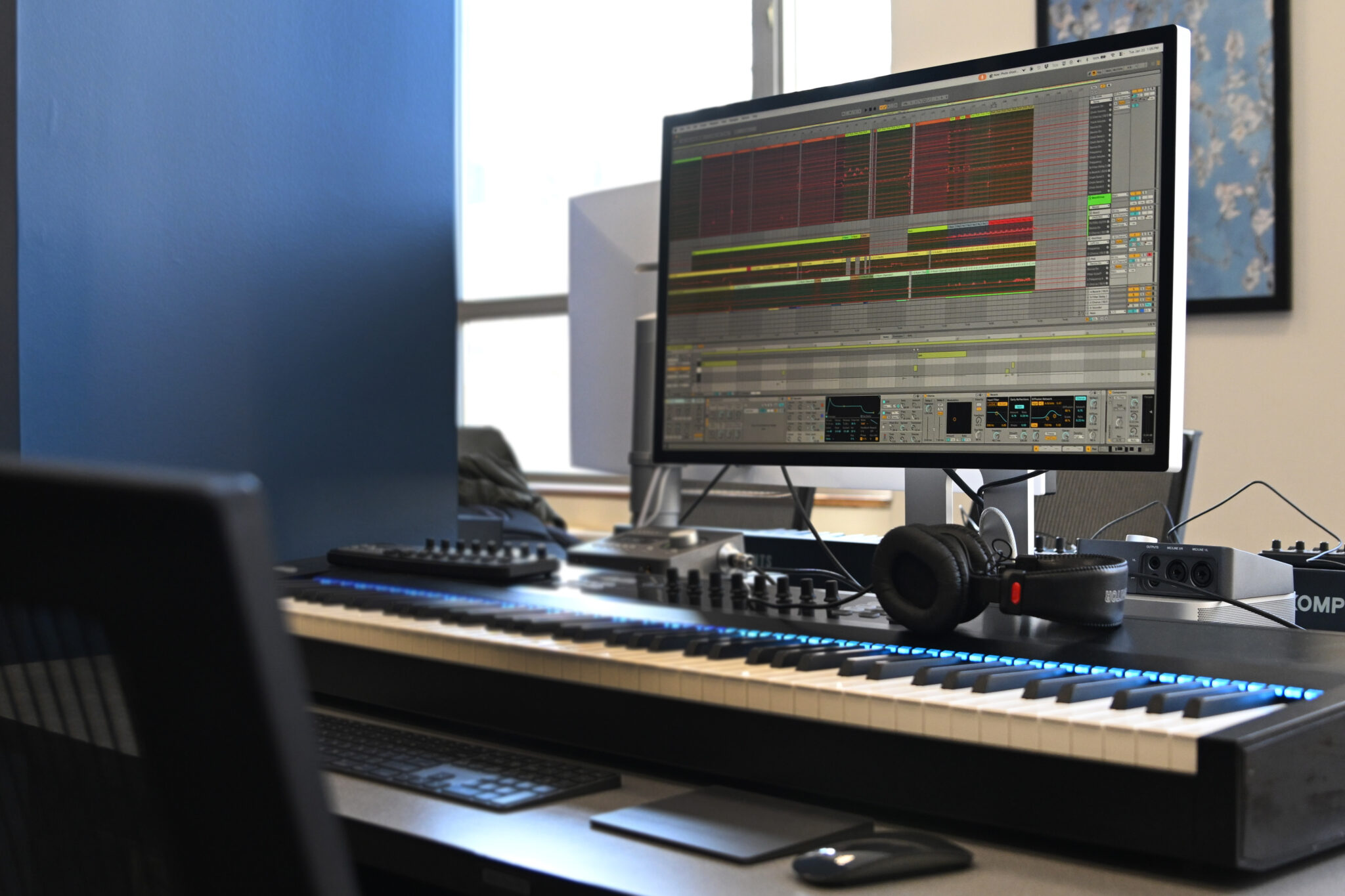
This philosophy underscores a commitment to not only teaching students how to operate music technology but also how to innovate with it, pushing the boundaries of what is conventionally possible within digital audio workstations.
Pedagogical Approaches: Sparking Creativity with Ableton Live
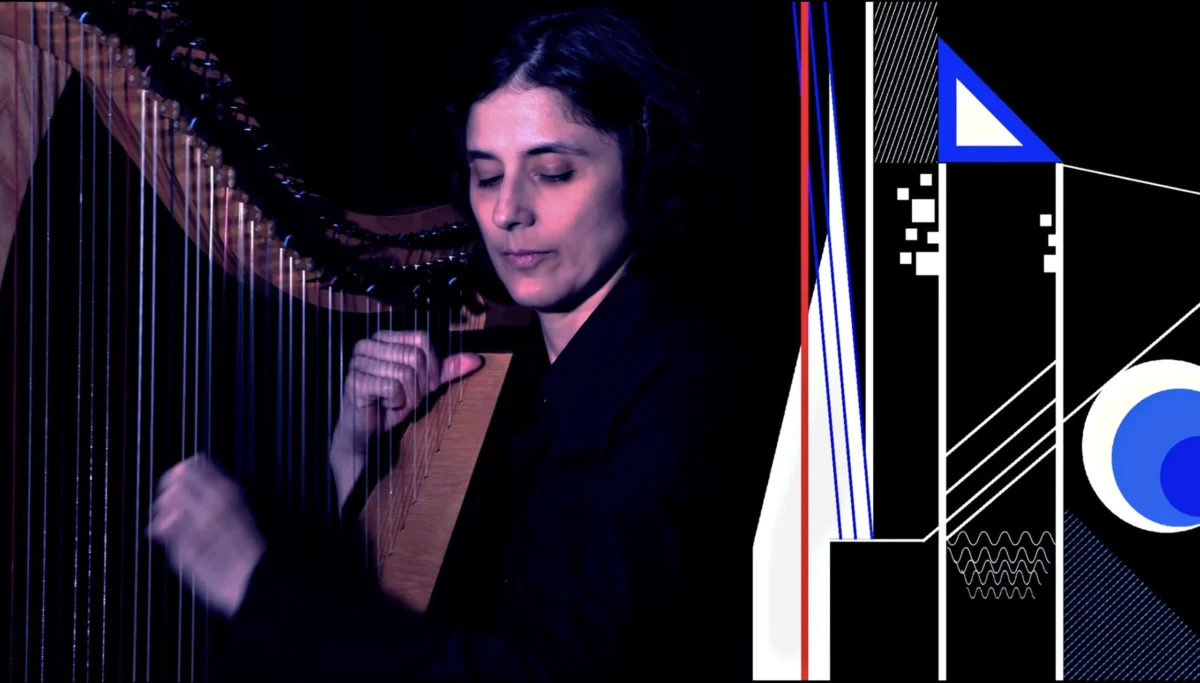
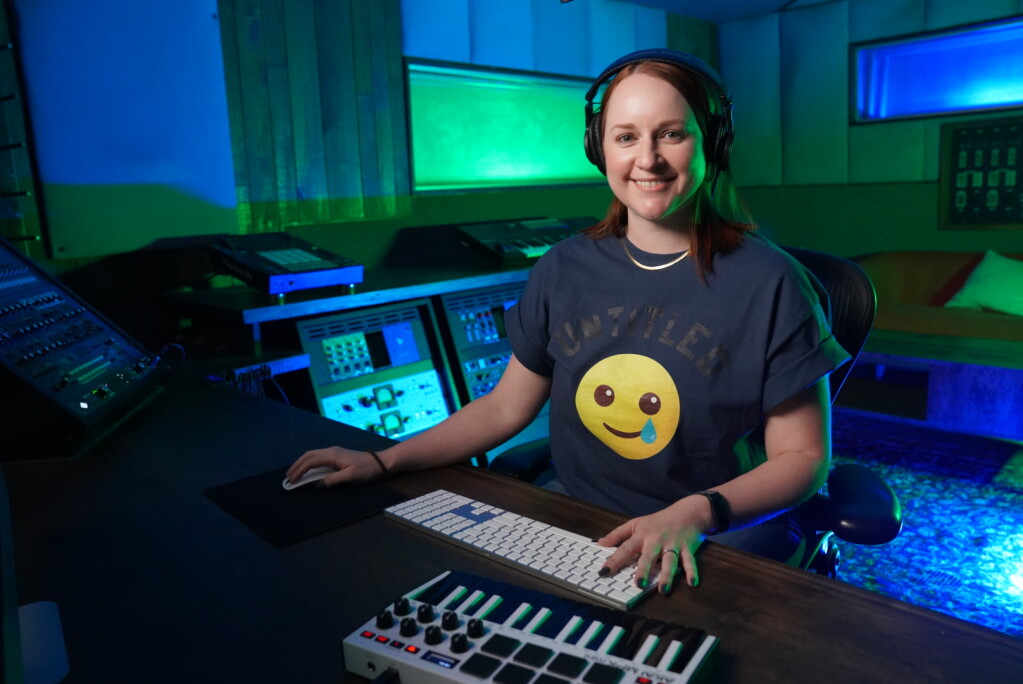
Erin Barra, a seasoned educator and performer in the electronic music sphere, emphasized the importance of making the initial engagement with music technology accessible and personally relevant for young learners. "One of the most exciting things about writing music in a non-linear tool like Live is that there is no single right way in – but that freedom can completely paralyze a beginner," Barra explained. "When I work with high school students, I always try to start somewhere that already means something to them. A beat from a genre they love, a song title that’s been living in their notes app, a chord progression they hummed into a voice memo two years ago and never did anything with. The entry point almost doesn’t matter. What matters is that it sparks something – because once there’s a spark, the tool stops being intimidating and starts being a place where their ideas live."
Barra views Ableton Live not just as a tool but as a creative partner, likening its functionality to "sonic collage." She elaborated, "You’re not writing the first note, then the second, then the third until you reach the end. You create one pattern, stumble into another, layer a texture over here, flip the whole thing upside down and see what it becomes. Music is alive. It moves and breathes and surprises you, and Live is one of the few tools that actually honors that, instead of fighting it. It keeps me in the flow state and out of my own head – out of the timeline, out of the logic of ‘what comes next,’ and into the much more interesting question of ‘what if.’ That’s the same energy I try to bring into the classroom. Stay creative. Stay non-linear. Try a million things and don’t be precious about any of them."
This approach fosters an environment where experimentation and intuition are prioritized, encouraging students to develop their unique artistic voices without the constraints of traditional, linear music composition methods.
The Genesis of a New Degree Program
The Bachelor of Music in Music Creation and Technology represents a significant expansion of Eastman’s academic offerings. Scheduled to begin in Fall 2027, this degree program will equip students with a robust understanding of music theory, composition, and performance, integrated with advanced digital audio technology, sound design, and interactive media. The curriculum is designed to prepare graduates for a wide range of careers in the contemporary music industry, including music production, sound design for film and games, audio engineering, electronic music composition, and music technology education.
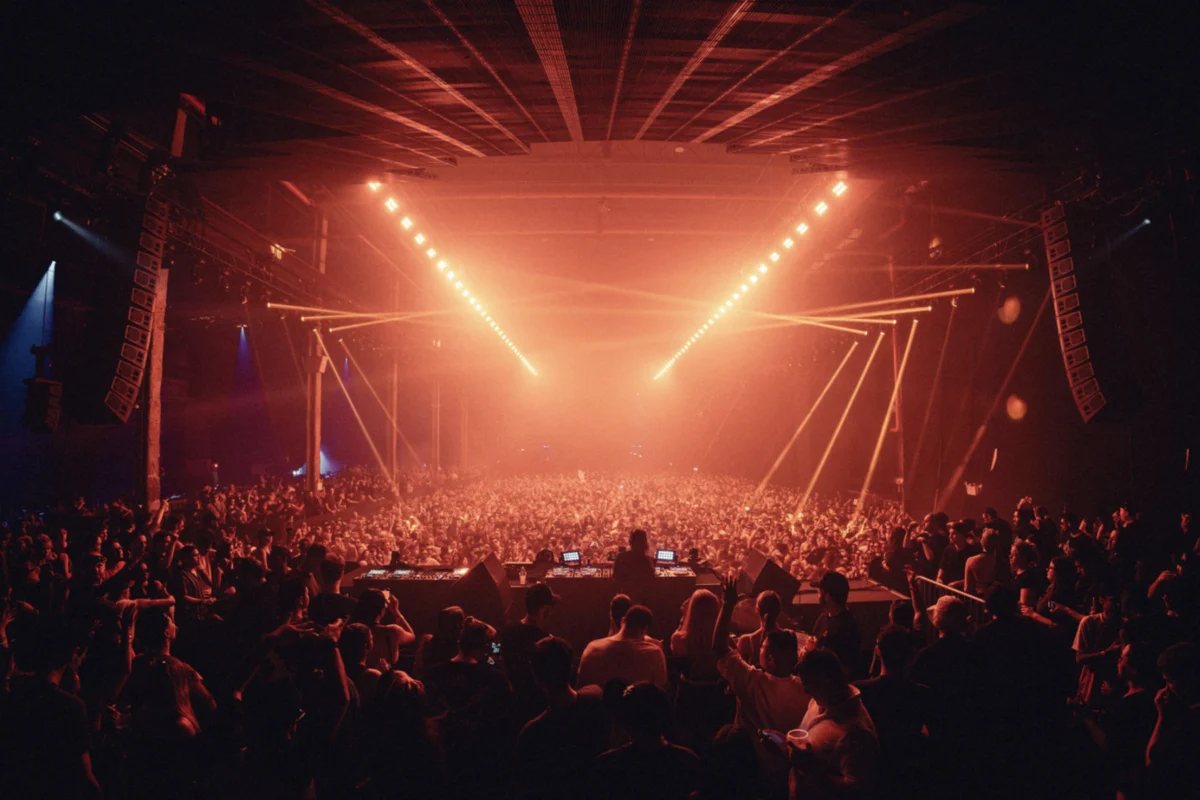
The establishment of this program reflects a broader trend in music education, where institutions are increasingly recognizing the need to provide comprehensive training in both artistic and technological domains. The music industry has undergone a profound transformation, with digital tools and electronic music production becoming central to artistic creation, distribution, and performance. Universities and conservatories are responding by adapting their curricula to meet these evolving demands.
A Look Back and Forward: Personal Journeys in Music Technology
Both DeSantis and Barra shared personal anecdotes that illuminate the transformative power of music technology education. Barra recounted her own experience, noting the scarcity of accessible resources when she began her journey in the early 2000s. "I didn’t encounter music technology until college, and even then, it was pretty minimal – I was a songwriter, and back in the early 2000s, the assumption was that songwriters didn’t really need it," she said. "So I taught myself almost everything I know, the hard way, during a time when the internet was genuinely not a reliable place to find accurate information about any of this."
Her motivation stemmed from a clear artistic vision that outpaced her available tools. "For me, the spark was having a very specific vision of what I wanted to create on stage and not having the tools to make it happen yet. That gap between the idea and the reality is what pulled me in," Barra explained. "When I finally found my way into Live, it gave me a vocabulary I didn’t know I was missing. Suddenly, I could articulate things I had been hearing in my head for years. That feeling – of being able to finally say what you mean creatively – was genuinely transformative. It made me feel powerful in a way I hadn’t before, and I’ve been chasing that feeling for everyone I teach ever since."
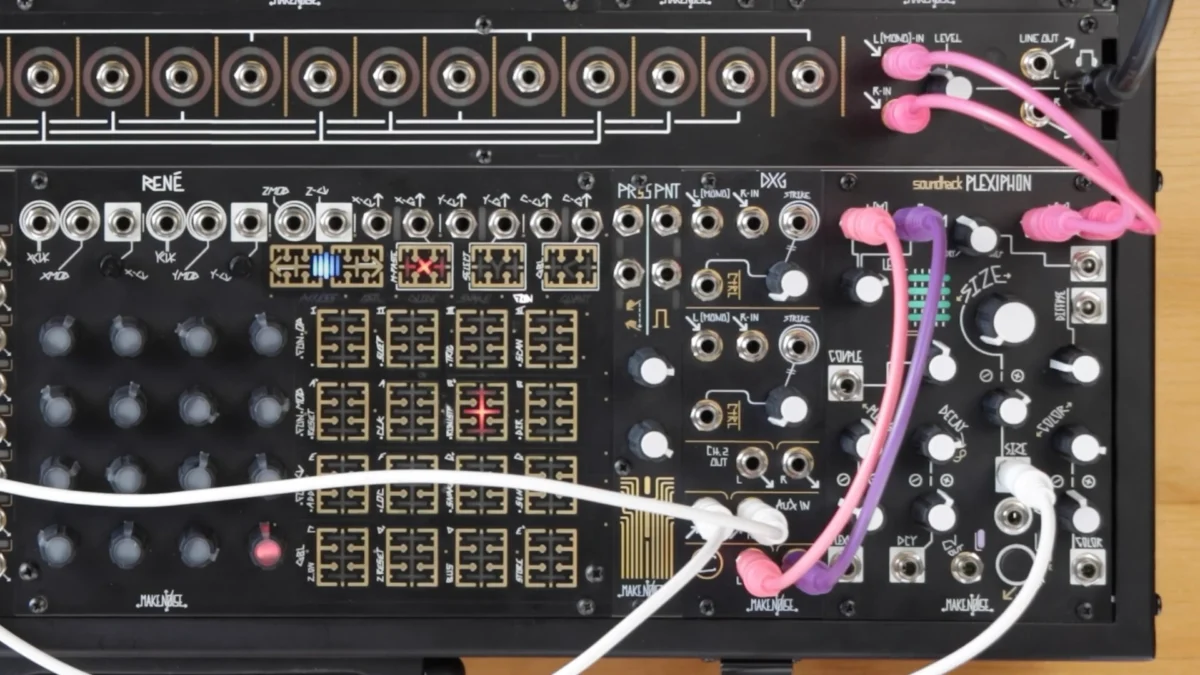
DeSantis echoed the sentiment of exploration and the pursuit of the unexpected. He expressed his aim for the summer program: "I’m looking for people who are hopefully going to get their mind blown by something." He elaborated on his vision for the week-long intensive, stating, "I think we’ll look somewhere between what the tech can do and what it can be forced to do – creative possibilities, thinking outside the box of typical workflows. What are all the things you can do in a DAW like Ableton Live? You can do sound design, you can do composition, you can do things with Max that extend the functionality. And I would like the students to leave with at least a broad overview of where the prescribed boundaries of the tools are and where the extensible ones are, which are essentially limitless, right?"
Innovations and Emerging Technologies
The discussion also touched upon recent advancements in music technology that are shaping the field. Barra highlighted her enthusiasm for expressive technologies such as MPE (MIDI Polyphonic Expression) and MIDI 2.0. "The area I keep coming back to is expressive technology – specifically MPE and MIDI 2.0. These are tools with almost limitless depth, and that depth can make them genuinely hard to wrap your head around at first," she noted. "But what excites me right now is that there are some really smart people building interfaces and software that make that world of endless modulation actually approachable – and that changes everything in terms of who gets to use these tools and how quickly they can get somewhere interesting with them."
She also lauded the integration of Splice, a cloud-based platform for music samples and presets, directly into Ableton Live. "On the integration side, I think bringing Splice directly into Live was a genuinely brilliant move. Removing that friction between finding a sound and building with it keeps you in the creative flow, which is ultimately what all of this is in service of."
These advancements signify a move towards more intuitive and expressive control over digital music creation, democratizing access to sophisticated sound design and performance capabilities.
Broader Implications for Music Education and the Industry
The Eastman School of Music’s foray into electronic music production education, particularly with a focus on high school students, has several significant implications. Firstly, it democratizes access to high-level music technology training, potentially inspiring a new generation of artists who might not have previously considered such pathways. By offering this program at a prestigious institution like Eastman, it lends considerable weight and legitimacy to electronic music as a serious academic pursuit.
Secondly, the timing of this initiative, coinciding with the launch of the Bachelor’s degree, suggests a long-term commitment to integrating digital music creation into the core of music education. This can serve as a model for other conservatories and universities looking to adapt their offerings. The focus on Ableton Live, a widely adopted industry-standard software, ensures that students will acquire skills directly transferable to professional environments.
The program’s emphasis on creative exploration beyond prescribed workflows, as articulated by both DeSantis and Barra, is particularly crucial. In an era where music creation tools are increasingly accessible, the ability to think critically, experiment boldly, and develop a unique artistic identity becomes paramount. This approach aims to cultivate not just proficient users of technology, but innovative musicians and sound artists.
The success of this summer program and the eventual Bachelor’s degree could significantly influence the future trajectory of music education, fostering a more holistic understanding of musicianship that seamlessly blends artistic expression with technological proficiency. It underscores a vital recognition that the future of music lies at the intersection of creativity, technology, and accessible education.
Details and Application Information:
For prospective students interested in the Eastman Music Production Summer Session, further details and application procedures can be found at: https://summer.esm.rochester.edu/course/eastman-music-production-summer-session/