Mia Khoirunisa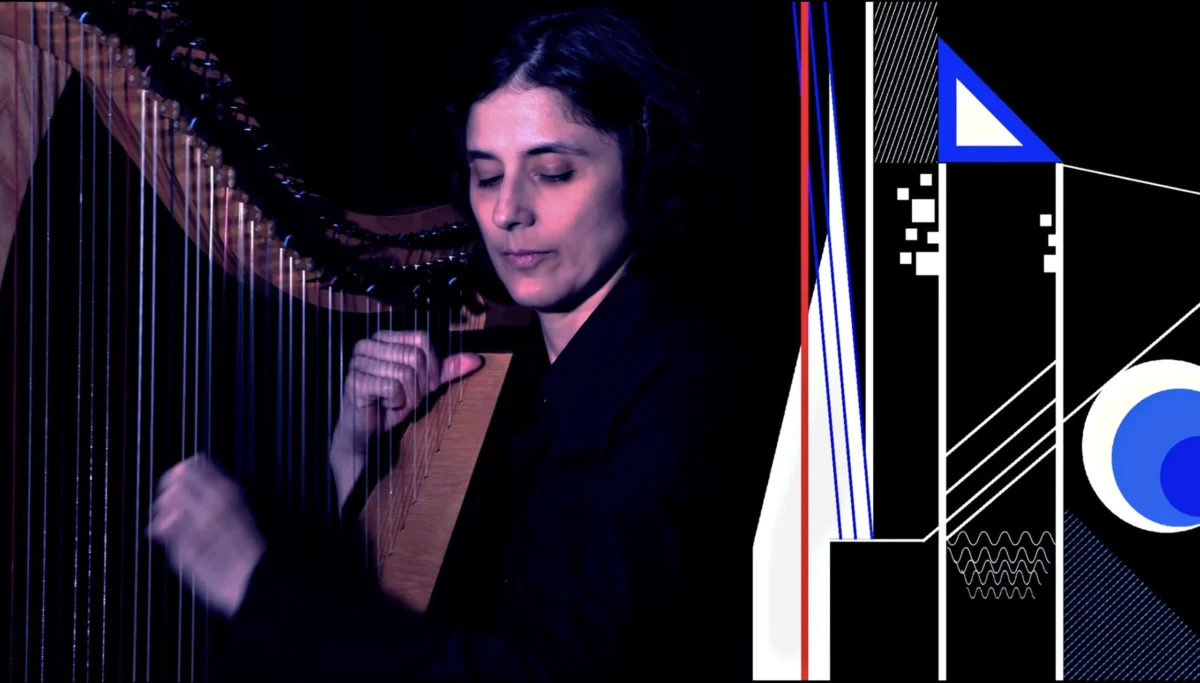
The intersection of visual art and electronic music production has taken a significant leap forward with the release of SIGN/e, a novel set of devices for Ableton Live that facilitates the creation and implementation of dynamic graphic scores. Developed by Evan Montpellier and a team at Université de Montréal’s Laboratoire formes – ondes, SIGN/e transcends traditional static notation, allowing musicians and composers to craft visual instructions that evolve in real-time alongside their electronic compositions. This innovative tool, available free of charge for users of Max for Live, promises to revolutionize live performance, offering a visually engaging and conceptually rich alternative to conventional musical scores.
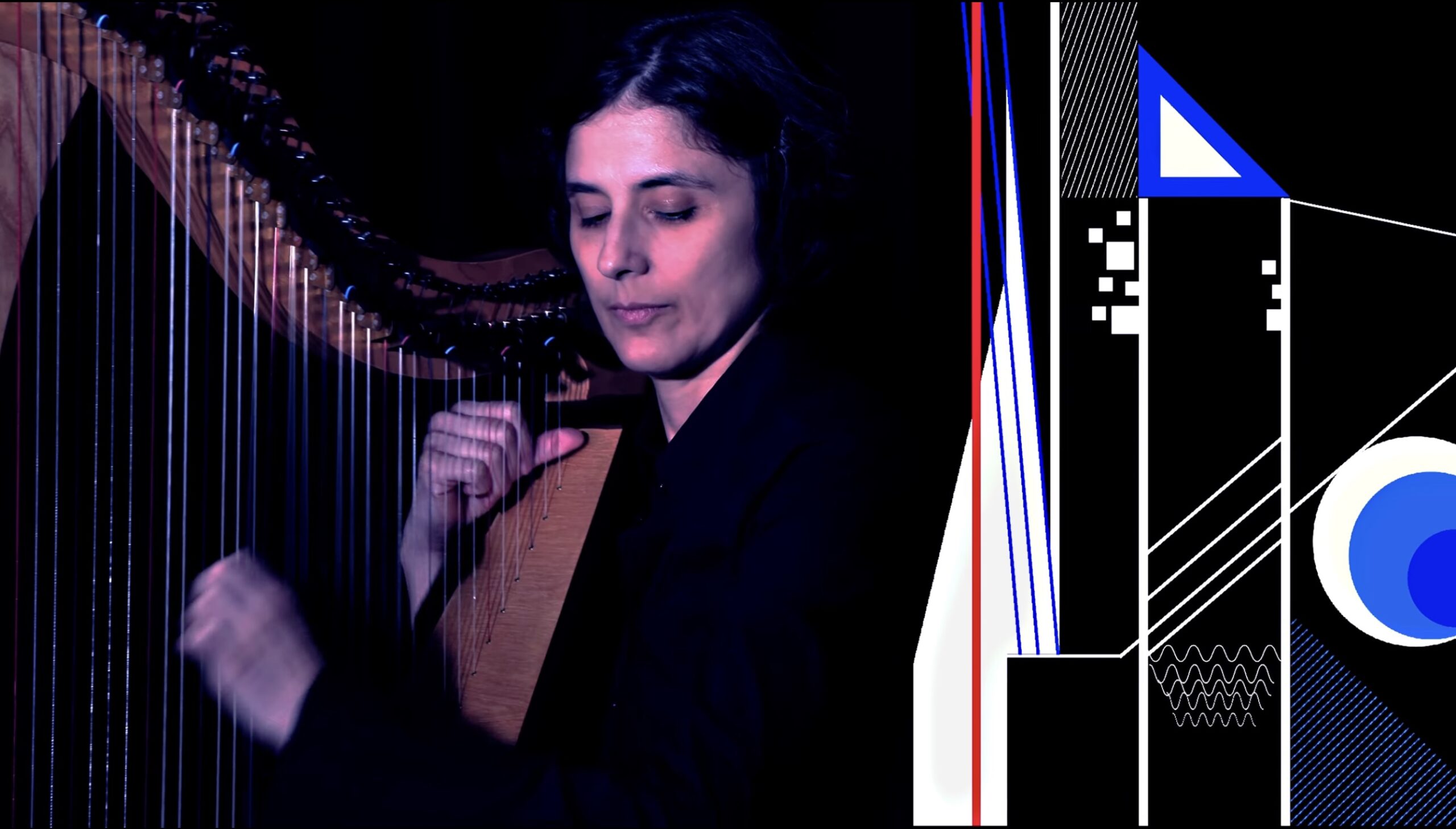
The core of SIGN/e lies in its ability to transform static PNG images into animated visual cues, effectively blurring the lines between a VJ/animation tool and a score generator. Instead of relying on traditional musical notation, composers can import their graphical elements and animate their appearance, movement, and transformations within the Ableton Live environment. These visual instructions are then presented to live performers, creating a unique and often mesmerizing interplay between sound and image. This approach evokes a spirit reminiscent of early pioneers in visual music, such as Oskar Fischinger, whose experimental animated films explored the synchronized relationship between abstract forms and sound. The potential for SIGN/e to inspire a new generation of musicians and artists to explore these synesthetic possibilities is substantial.
Genesis and Development of SIGN/e
The development of SIGN/e is rooted in the academic and artistic research conducted at the Laboratoire formes – ondes, a collaborative research unit at the Digital Music Department of Université de Montréal. Co-directed by prominent figures in electroacoustic music and digital arts—Nicolas Bernier, Myriam Boucher, Dominic Thibault, and Pierre Michaud—the lab has consistently pushed the boundaries of sound and visual art integration. Evan Montpellier, a programmer with a background in digital music and interactive systems, spearheaded the technical realization of SIGN/e, bringing the conceptual framework of the lab to life within the popular Ableton Live ecosystem.
The project’s timeline, while not explicitly detailed, can be inferred to have spanned several years, involving iterative development, testing, and refinement within the university’s research environment. The choice to integrate SIGN/e as a Max for Live device was a strategic decision, leveraging the extensive user base and flexible patching environment of Max/MSP within Ableton Live. This ensures broad accessibility for a significant portion of the electronic music production community, making advanced graphic score creation available to a wide audience without additional software purchase, provided they possess a licensed copy of Ableton Live Suite or the Max for Live add-on.
Technical Capabilities and Artistic Implications
SIGN/e functions as a suite of devices within Ableton Live, offering a user-friendly interface for importing, manipulating, and animating PNG image files. These images serve as the building blocks for graphic scores, allowing for abstract shapes, symbols, and other visual elements to be used as performance instructions. The animation capabilities are key to SIGN/e’s innovation; composers can define how these graphical elements move, change, and interact over time, synchronizing them precisely with the unfolding electronic music. This real-time animation creates a dynamic score that can guide performers through complex musical passages or offer them interpretive freedom within a visually defined framework.
The implications for live performance are profound. Traditional notation, while precise, can sometimes feel rigid and disconnected from the abstract or experimental nature of contemporary electronic music. SIGN/e offers a more fluid and intuitive method of communication between composer and performer. For instance, a composer might use a pulsing circle that expands and contracts to indicate changes in dynamics or texture, or a series of evolving geometric shapes to signify shifts in tempo or mood. This visual language can be particularly effective for improvisational elements or for performances where the electronic and acoustic worlds are closely intertwined. The ability for the score to literally move and transform alongside the music can create a captivating spectacle for the audience, enhancing the overall concert experience.
A Free Resource for Creative Exploration
A significant aspect of SIGN/e’s release is its availability as a free download. This democratizes access to advanced graphic notation tools, empowering artists and educators regardless of their budget. The project’s open-source nature, with its code hosted on GitHub, also invites community contribution and further development. This collaborative approach fosters innovation and ensures that SIGN/e can evolve with the needs of its users.
The requirement for Max for Live, however, does present a minor barrier to entry. Max for Live is an integral part of Ableton Live Suite, or can be purchased as an add-on for other Ableton Live versions. While this limits its use to existing Ableton Live users, it also ensures a robust and stable platform for its operation. The development team has provided a direct link to the GitHub repository, enabling users to download the SIGN/e devices and begin experimenting with their own animated graphic scores.
Echoes of Avant-Garde Visual Music
The aesthetic and conceptual underpinnings of SIGN/e draw inspiration from a rich history of visual music experimentation. The reference to Oskar Fischinger, a German abstract animator and filmmaker whose work in the 1930s and 40s explored the visual representation of music, is particularly apt. Fischinger’s films, such as "Composition in Blue" (1935), were meticulously crafted animations that sought to create a direct, synesthetic correlation between abstract visual forms and musical compositions. SIGN/e, by enabling animated graphic scores within a digital audio workstation, can be seen as a contemporary manifestation of these early explorations, bringing the principles of visual music into the realm of digital music production and live performance.
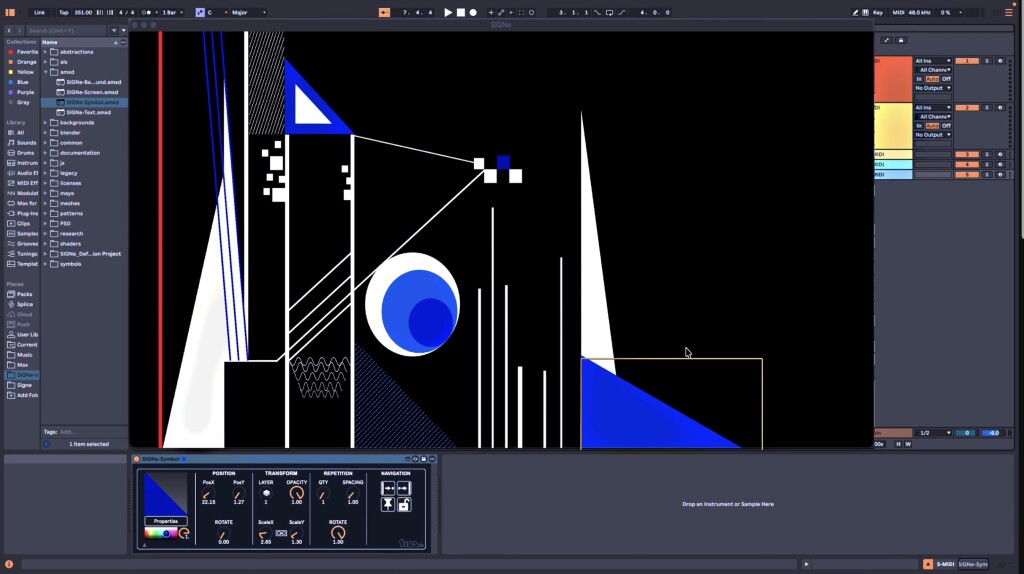
This connection highlights SIGN/e’s potential not just as a tool for notation, but as a catalyst for creative thinking. The ability to design and animate visual instructions within the same environment where the music is composed encourages a holistic approach to creation. It prompts composers to consider the visual dimension as an integral part of the musical narrative, fostering a deeper connection between the sonic and the visual.
Broader Impact and Future Potential
The implications of SIGN/e extend beyond individual composers and performers. For music education, it offers a powerful new pedagogical tool. Students can learn about musical structure, timing, and interpretation through a visually engaging medium, potentially appealing to a wider range of learning styles. The abstract nature of graphic scores can also encourage students to develop their own unique interpretive approaches, fostering creativity and critical thinking.
Furthermore, SIGN/e could pave the way for new forms of collaborative performance. Imagine ensembles where musicians interpret animated scores projected in front of them, creating a unified and dynamic visual and auditory experience. The technology could also find applications in interdisciplinary art projects, bridging the gap between music, visual arts, and digital media.
The developers have expressed an openness to further development, and the free and open-source nature of SIGN/e suggests a promising future. As more artists adopt and experiment with the tool, new workflows and creative possibilities are likely to emerge. The potential for SIGN/e to influence the landscape of contemporary experimental music and performance is significant, offering a free and powerful avenue for artists to push the boundaries of how music is conceived, composed, and experienced. The call to "recruit a harpist" in the original context of the release underscores the immediate, hands-on application of this technology, inviting musicians across various disciplines to engage with this innovative approach to musical notation and performance.