Indra Aziz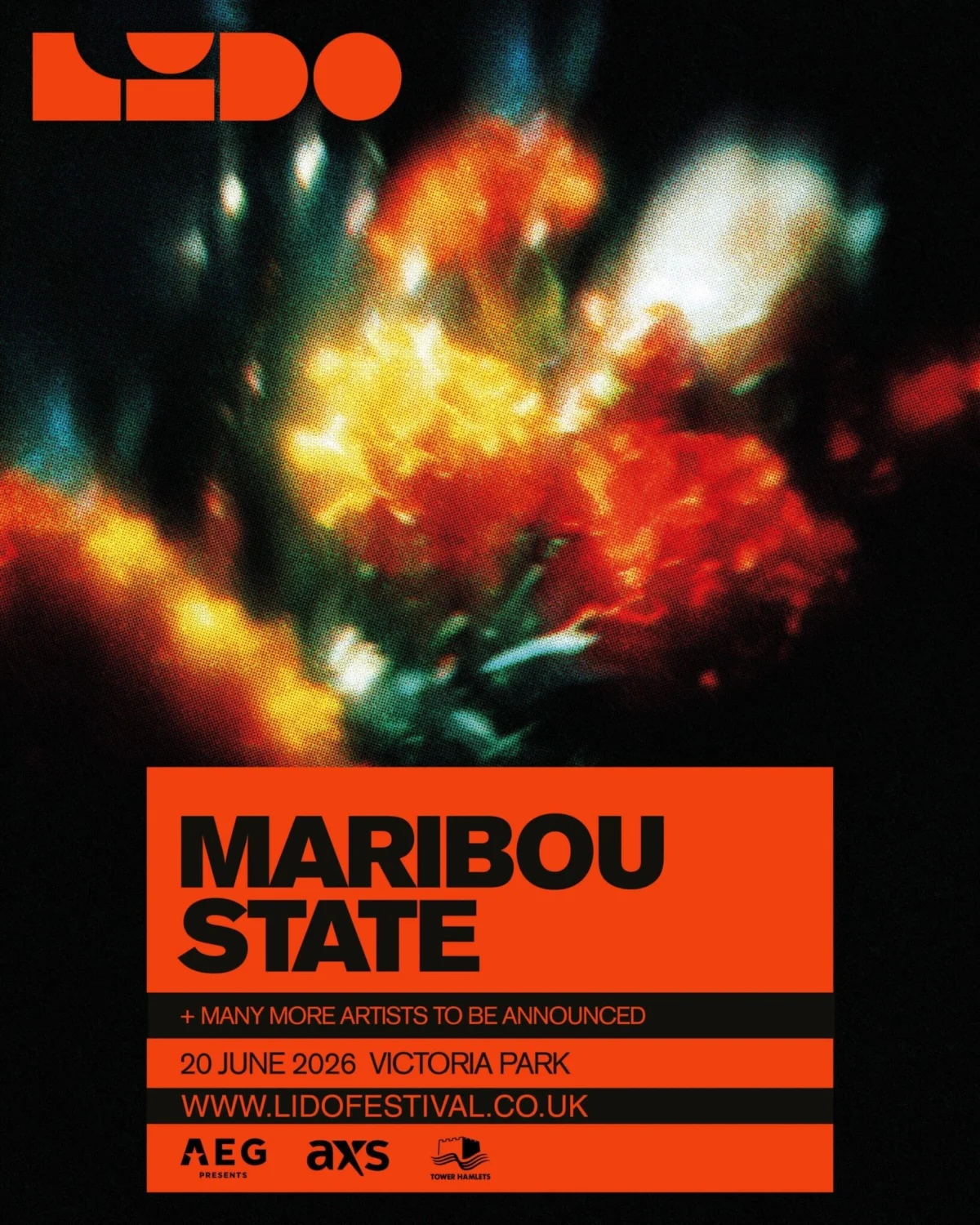
LIDO Festival has been compelled to relocate its Victoria Park site and has consequently cancelled two of its scheduled dates due to ongoing ground recovery efforts. The decision, announced on April 9th, 2026, stems from a combination of last year’s weather challenges and the need to ensure the long-term viability of the festival’s iconic East London location.
Background: A Persistent Challenge
Victoria Park, a cherished green space in East London, has served as the vibrant home for the LIDO Festival, a prominent fixture in the UK’s summer music calendar. However, the festival’s operations have been increasingly impacted by environmental factors. Last year’s unusually dry summer led to significant dust issues across the festival grounds. In response, LIDO Festival, in collaboration with the local council, initiated a comprehensive re-seeding program aimed at restoring and improving the park’s turf.
This proactive measure, designed to address the direct consequences of arid conditions, has inadvertently been exacerbated by the subsequent winter’s extreme rainfall. The prolonged wet spell has delayed the necessary recovery period for the park’s grounds, requiring more time than initially anticipated for the re-seeding and improvement initiatives to fully establish. This environmental predicament has directly led to the festival’s decision to postpone and reschedule key performances.
Chronology of Events and Cancellations
The decision to move the festival site and cancel specific dates was made following careful assessment of the park’s condition. The primary driver behind the relocation and cancellations is to "protect park grounds" and allow the "extensive reseeding and improvement programme" sufficient time to "fully bed in."
The immediate impact of this decision has been the cancellation of two highly anticipated performances:
-
June 12th: The scheduled performance by CMAT, who was slated to headline the day’s lineup, has been cancelled. This date was also set to feature performances by notable artists such as Father John Misty, Sharon Van Etten, and others. The cancellation of CMAT’s appearance has been confirmed and reported, indicating a significant shift in the festival’s programming.
-
June 14th: Similarly, the performance by Bombay Bicycle Club, originally scheduled to headline this date, has also been cancelled. This day’s lineup was set to include a diverse array of talent, including Billie Marten, Metronomy, and Alice Phoebe Lou, among others. The withdrawal of Bombay Bicycle Club signifies another major disruption to the festival’s planned schedule.
In contrast, Maribou State’s performance has been rescheduled and is now confirmed to take place on August 31st. This indicates a strategic effort to salvage as much of the festival’s programming as possible, albeit with significant adjustments to the original dates and potentially the venue.
The festival organizers released a statement detailing the rationale behind these difficult decisions. While the full statement content is not directly provided in the excerpt, it is understood to elaborate on the environmental challenges and the commitment to preserving the Victoria Park site for future events. An accompanying Instagram post, referenced in the provided text, likely contains further details and expresses the festival’s apologies to ticket holders and artists affected by the changes.
Supporting Data and Environmental Context
The challenges faced by LIDO Festival highlight a growing concern for outdoor event organizers regarding the impact of extreme weather patterns on public spaces. The UK has experienced increasingly unpredictable weather, with prolonged droughts followed by periods of intense rainfall.
-
Dust Issues: Last year’s dry summer, a common phenomenon across Europe, led to increased soil erosion and dust generation. According to data from the Met Office, the summer of 2025 saw below-average rainfall in many parts of the UK, contributing to drier ground conditions. This directly impacted large outdoor events, where the movement of thousands of attendees can churn up dry soil, creating significant dust clouds. Such conditions can lead to public health concerns and environmental degradation.
-
Winter Rainfall: Conversely, the winter preceding the 2026 festival season has been marked by higher-than-average precipitation in many regions. This saturated the ground, hindering the natural drying and recovery process crucial for turf health. The sustained moisture can also lead to compaction issues, making it difficult for grass roots to establish and thrive.
The decision to undertake extensive re-seeding and ground improvement programs is a costly but necessary investment for the long-term sustainability of the festival at its Victoria Park location. Such programs typically involve aerating the soil, adding topsoil and nutrients, and then re-seeding with hardy, resilient grass varieties. The success of these programs is heavily dependent on favorable weather conditions for germination and growth, which have been compromised by the recent climatic extremes.
Official Responses and Industry Reactions (Inferred)
While specific quotes from all parties are not provided, the nature of the cancellations and rescheduling implies a degree of communication and collaboration.
-
LIDO Festival Organizers: Their primary concern is the preservation of the Victoria Park site and the delivery of a safe and enjoyable festival experience. The decision to relocate and cancel dates, though regrettable, demonstrates a commitment to responsible event management and environmental stewardship. Their statement, likely shared via social media and official channels, would have aimed to convey transparency and provide clear guidance to ticket holders.
-
Local Council: The council, as the custodian of Victoria Park, would have been instrumental in the decision-making process. Their involvement in approving the re-seeding program and assessing the park’s condition indicates a partnership focused on maintaining the park’s ecological integrity while supporting cultural events. The council’s approval for a site relocation, even if temporary or to a different area within the park, would be a crucial element of the festival’s operational adjustments.
-
Affected Artists: The cancellation of performances by CMAT and Bombay Bicycle Club, along with their respective supporting acts, would have necessitated immediate rescheduling efforts or, in some cases, complete withdrawal from the festival. Artists and their management teams often have complex touring schedules, and such last-minute changes can have significant logistical and financial implications. The rescheduling of Maribou State suggests that at least some artists were able to accommodate the altered dates.
-
Ticket Holders: For festival-goers, these cancellations represent disappointment and the need to re-evaluate their plans. The festival organizers would be expected to provide clear information regarding refunds, exchanges, or any alternative arrangements for those who purchased tickets for the affected dates. The existence of linked articles within the original text suggests that news outlets have been reporting on these developments and the implications for attendees.
Broader Impact and Implications
The LIDO Festival’s situation is emblematic of a broader trend impacting the outdoor event industry. As climate change intensifies, event organizers are increasingly faced with the dual challenge of unpredictable weather and the environmental impact of large gatherings.
-
Increased Operational Costs: The need for extensive ground maintenance, potential relocation, and contingency planning adds significant costs to event operations. This can lead to higher ticket prices or a reduction in the scale and scope of festivals.
-
Site Sustainability: The reliance on specific outdoor venues, particularly those with sensitive ecological balances, becomes more precarious. Festivals may need to explore alternative venues or invest more heavily in sustainable infrastructure and land management practices.
-
Artist and Fan Experience: Cancellations and changes disrupt the experience for both artists and fans. This can affect an artist’s reputation, ticket sales for future events, and the overall perception of a festival’s reliability.
-
The Role of Green Spaces: The incident underscores the vital role of public parks as venues for cultural events and the necessity of their preservation. Balancing the demand for public access and events with the need for ecological health is a critical challenge for urban authorities.
The LIDO Festival’s current predicament, while unfortunate, serves as a case study in the complexities of hosting large-scale events in the face of environmental variability. The festival’s commitment to overcoming these challenges, by investing in ground recovery and adapting its plans, will be crucial to its continued success and its ability to utilize the cherished Victoria Park site in the future. The industry will be watching to see how LIDO Festival navigates these environmental hurdles and what lessons can be learned for the broader event sector.