Kholidah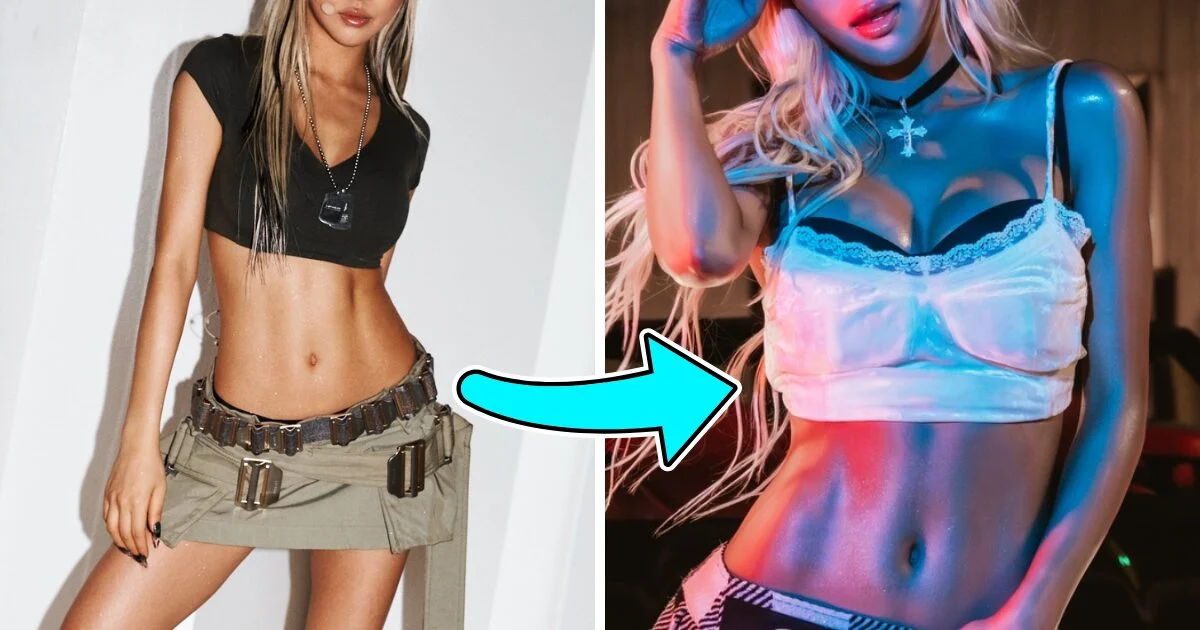
The Genesis of the Controversy: From Variety Star to "Hot Girl" Icon
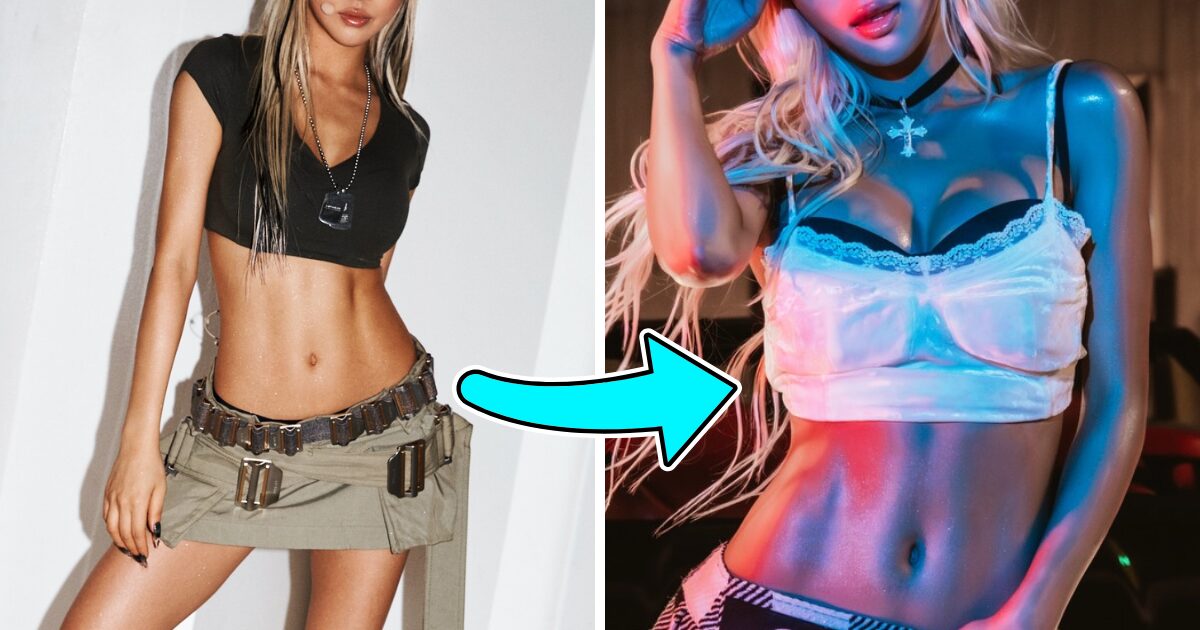
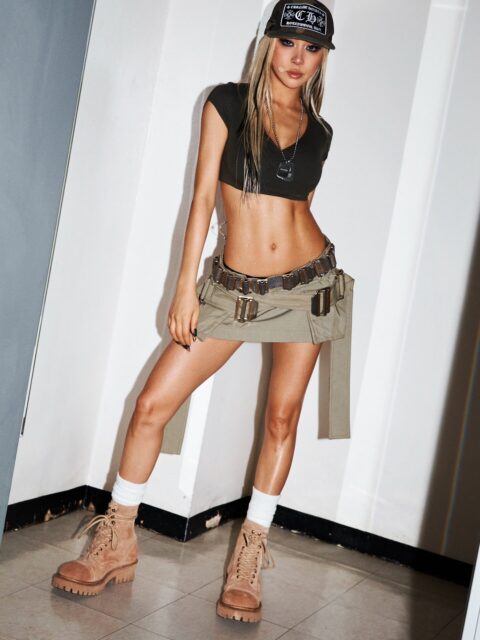
Dayoung, who debuted with Cosmic Girls in 2016 under Starship Entertainment, has long been recognized for her multifaceted talents. Initially known for her sharp wit, energetic personality, and consistent appearances on variety programs, Dayoung’s public image was largely defined by her "girl-next-door" charm and comedic timing. However, the release of her solo project, "body," marked a significant departure from her previous aesthetic. The track and its accompanying promotional material introduced a "hot girl" persona—a concept characterized by bold, Western-influenced fashion, body-confident choreography, and a more mature visual identity.
While "body" resonated strongly with international K-pop fans, who often champion female empowerment and body positivity, the reception within domestic Korean forums has been more nuanced. The shift to more skin-baring outfits—including micro-skirts, crop tops, and form-fitting silhouettes—initially drew praise for her confidence and fitness. However, as her "hot girl" image became more entrenched, a segment of the online community began to question why she was being met with support while other idols faced backlash for similar attire.
The Viral Post: Allegations of Aesthetic Bias
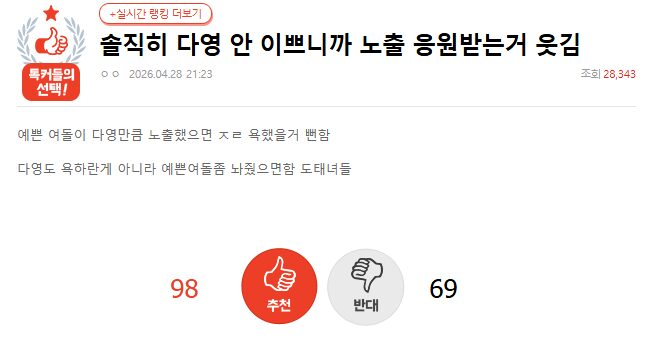
The current debate was ignited by a viral post on Pann that directly addressed the perceived discrepancy in public reaction. The author of the post argued that Dayoung’s "revealing" fashion is tolerated, and even celebrated, because she does not fit the "classic" or "goddess-level" beauty standard that typically triggers jealousy or hyper-criticism from female-dominated online communities.
"Honestly, it’s funny how Dayoung gets praised for showing skin when she’s not even that pretty," the post read, according to translated reports. The author continued by suggesting that if a "pretty" female idol—referring to those who hold the "visual" position in top-tier groups—wore the same outfits, they would be "torn apart." The post concluded with a plea for netizens to "lay off" the more conventionally attractive idols, labeling the current situation as a "double standard" where "washed-up girls" are given a pass while top stars are victimized.
This sentiment highlights a recurring phenomenon in K-pop discourse known as "visual gatekeeping." In this framework, the public’s reaction to an idol’s clothing is often filtered through the lens of that idol’s perceived social standing and "threat level" within the beauty hierarchy.
Historical Context: The Precedent of the "Visual Backlash"
To understand the weight of the current debate, one must look at the historical treatment of other high-profile female idols. Industry observers point to members of groups like IVE, LE SSERAFIM, and aespa, who have frequently been the targets of online vitriol regarding their wardrobe. For instance, LE SSERAFIM’s Huh Yunjin and IVE’s Jang Wonyoung have both faced significant criticism for "showing too much skin" or for wearing "suggestive" clothing, despite their outfits often being standard stage attire for the "girl crush" or "high teen" concepts.
The argument presented in the Dayoung controversy suggests that the "hate" directed at these "visual" idols is rooted in a desire to police the behavior of those who are already perceived as having high social capital due to their beauty. Conversely, the post argues that because Dayoung is viewed as an "underdog" or someone who has "worked her way up" through variety and hard work rather than just "visuals," the public is more willing to support her "rebranding," even if it involves provocative fashion.

Data and Trends: The International vs. Domestic Divide
The controversy also underscores the growing divide between domestic Korean sentiment and the global K-pop fandom. Data from social media platforms like X (formerly Twitter) and TikTok show that Dayoung’s "body" era has been overwhelmingly successful in the West. Clips of her performances and "outfit of the day" (OOTD) posts on Instagram frequently go viral, with international fans praising her for breaking the "conservative" mold of K-pop and embracing her physique.
In contrast, domestic forums like Pann and the "Women’s Generation" cafe often serve as battlegrounds for internal fandom politics. A brief analysis of the comments on the viral Dayoung post reveals a split in domestic opinion:
- The Critics: A segment of users agreed with the original poster, claiming that "pretty" idols are held to impossible standards while others are allowed to be "edgy" without consequence.
- The Defenders: Many users pushed back, arguing that Dayoung’s praise is well-deserved because of her "cool" attitude and her dedication to fitness. They argued that her outfits suit the "body" concept and that criticizing her appearance is a form of "lookism."
- The Concept-Focused: Some commenters noted that the "hot girl" aesthetic is a global trend and that Dayoung is simply keeping up with the evolving market, regardless of her "visual" ranking.
The Role of Fashion in the "Hot Girl" Aesthetic
The fashion in question—often referred to as "Y2K" or "McBling" aesthetic—is characterized by its intentional boldness. For Dayoung, this has included low-rise bottoms, visible undergarments (the "whale tail" or exposed thong trend), and sheer fabrics. In the context of 2024–2026 fashion trends, these choices are not unique to her; they are being utilized by global pop stars like Dua Lipa and Olivia Rodrigo.
However, in the context of K-pop, where idols are often expected to maintain a "pure" or "approachable" image, such fashion remains a flashpoint. The debate over Dayoung suggests that the "right" to wear such clothing is being debated as if it were a privilege granted only to certain "types" of women. This "aesthetic policing" is a significant hurdle for female artists seeking creative and personal autonomy.
Industry Implications and the "Pick-Me" Narrative
The controversy also touches upon the "pick-me" narrative that has plagued female idols for years. In online discourse, idols who are perceived as "trying too hard" to be sexy or appealing to the male gaze are often labeled "pick-mes" by female netizens. The viral post about Dayoung suggests a reverse logic: that she escapes the "pick-me" label because her beauty is not perceived as "intimidating" to the female audience.
This psychological aspect of K-pop fandom—where fans project their own insecurities or social hierarchies onto the idols they follow—is a well-documented phenomenon. Marketing experts suggest that "relatability" is a powerful tool. If an idol is perceived as "one of us" rather than a "perfect goddess," their transition into more mature or "revealing" concepts is often met with less resistance.
Official Responses and the Future of WJSN
As of the current report, Starship Entertainment has not issued an official statement regarding the online debate. This is consistent with the agency’s typical approach of ignoring forum-based discourse unless it escalates into legal defamation. Dayoung herself has continued to be active on social media, posting photos that maintain her "hot girl" aesthetic, seemingly undeterred by the forum chatter.
The broader impact of this debate may influence how labels approach solo debuts for other WJSN members or idols from similar "mid-tier" groups. If the "Dayoung model"—rebranding through bold fashion and variety-built goodwill—proves to be commercially viable despite forum criticism, it could provide a blueprint for other idols looking to pivot away from their group’s original concept.
Conclusion: A Call for Consistency in Criticism
The "Dayoung debate" serves as a mirror to the current state of K-pop’s gendered expectations. Whether she is being "praised because she isn’t pretty" or "attacked because of a double standard," the underlying issue remains the same: the constant surveillance and categorization of female bodies in the public eye.
As the discourse continues to evolve, it highlights a need for a more consistent and less appearance-based critique of idol fashion. If the goal of the online community is to advocate for "fairness," the solution may not be to "lay off the pretty idols" by attacking others, but rather to allow all female artists the agency to define their own images without being subjected to the rigid hierarchies of "conventional beauty." For now, Dayoung remains a trending figure, a testament to her ability to command attention in an industry that is as much about visual politics as it is about music.