Muhammad Ibadurrohman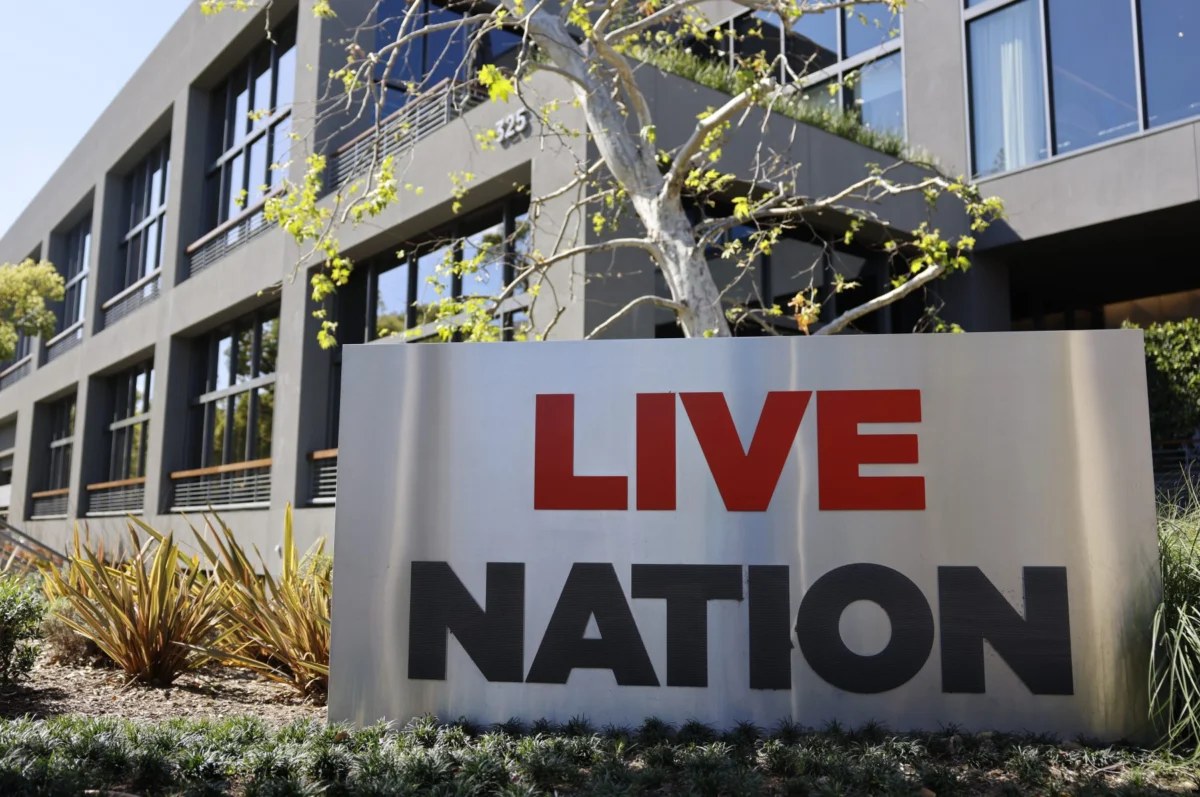
Lawyers presented starkly differing versions of the lengthy antitrust trial’s evidence during closing arguments on Thursday, April 9, bringing the blockbuster case against live entertainment behemoth Live Nation to its decisive final stage. A federal jury in New York will now determine whether the company, which merged with Ticketmaster in 2010, has unlawfully wielded its considerable size and market influence to establish a monopoly within the sprawling live music industry.
The culmination of more than a month of intense legal proceedings saw both the plaintiff states and Live Nation’s defense team make their final pitches, attempting to sway the jury on the intricate nuances of market power, competition, and consumer impact. The U.S. Department of Justice (DOJ) initially brought the lawsuit alongside dozens of state attorneys general, but the DOJ reached a tentative settlement with Live Nation just days into the trial. This left a coalition of 33 states and the District of Columbia to pursue their original goal: the forced divestiture of Ticketmaster from Live Nation, a move they argue is essential to restore fair competition.
A Battle Over Market Dominance and Consumer Choice
At the heart of the dispute are allegations that Live Nation, through its control over a vast network of venues, artist management, and the dominant ticketing platform Ticketmaster, engages in anticompetitive practices that stifle rivals, inflate ticket prices, and limit choices for artists and fans alike. The trial has been a focal point for the music industry, consumers, and antitrust regulators, reflecting broader concerns about consolidation in various sectors of the economy.
Jeffrey Kessler, the lead attorney representing the coalition of states, delivered a scathing indictment of Live Nation, portraying it as a "monopolistic bully." In his closing statement, Kessler asserted that the company controls an overwhelming 86% of major concert venues—a figure he presented as evidence of Live Nation’s deep entrenchment in the market. He argued that this level of control, combined with its artist promotion and ticketing businesses, creates an insurmountable barrier for competitors, likening it to "digging the moat around the monopoly castle." The states contend that this integrated model, where Live Nation promotes artists, books them into its venues, and then sells tickets through its subsidiary Ticketmaster, constitutes an illegal tying arrangement that leverages market power in one area to dominate others.
Conversely, Live Nation’s attorney, David Marriott, vehemently denied the accusations, characterizing the company as a "fierce competitor" that operates fairly within a dynamic and competitive live entertainment landscape. Marriott challenged the states’ core premise, arguing that they had failed to present any tangible evidence of monopolistic conduct. He specifically attacked Kessler’s 86% market share figure as "gerrymandered," claiming it was a misleading calculation derived by selectively excluding key venues, such as large stadiums, from the definition of "major concert venues" to artificially inflate Live Nation’s perceived dominance. Marriott maintained that Live Nation’s success is a result of legitimate business acumen, innovation, and efficient operations, not anticompetitive tactics.

The Genesis of the Lawsuit: A Decade of Scrutiny
The current legal battle is not the first time Live Nation has faced antitrust scrutiny. The company’s origins trace back to the spin-off of Clear Channel Communications’ live entertainment division in 2005. Ticketmaster, meanwhile, had long been the undisputed leader in primary ticketing. The merger of these two giants in 2010 created a vertically integrated entity that combined promotion, venue operation, and ticketing services under one roof.
At the time, the Obama administration’s DOJ approved the merger but imposed a consent decree designed to prevent anticompetitive behavior. This agreement, which was extended in 2019 after allegations of violations, included provisions aimed at preventing Live Nation from retaliating against venues that chose rival ticketing services. However, critics, including many in the live music industry and consumer advocacy groups, argued that these measures were insufficient to curb Live Nation’s growing market power.
The simmering discontent reached a boiling point in late 2022 during the chaotic presale for Taylor Swift’s "Eras Tour." The overwhelming demand and Ticketmaster’s system failures, which left millions of fans frustrated and many unable to secure tickets, drew widespread public outrage and reignited calls for stronger antitrust action. This highly publicized incident served as a significant catalyst, prompting the DOJ and numerous state attorneys general to launch a renewed and comprehensive investigation into Live Nation’s business practices, ultimately leading to the lawsuit filed in early 2024. The lawsuit alleged that Live Nation maintains its monopoly through exclusive dealing arrangements, threats of retaliation against venues, and an overall strategy to eliminate competition.
Key Testimonies and Contentious Claims
The lengthy trial, which commenced in March, featured a roster of high-profile witnesses from across the entertainment industry, offering a rare glimpse into the inner workings and competitive dynamics of live music. Their testimonies often provided conflicting accounts, highlighting the complex nature of the allegations.
One of the most compelling testimonies came from John Abbamondi, the former CEO of Barclays Center. Abbamondi recounted an alleged incident where Live Nation CEO Michael Rapino threatened to divert highly sought-after concerts from the venue if it opted to switch its primary ticketing provider to rival SeatGeek. This testimony was crucial for the states’ case, as it directly supported their claims of Live Nation using its promotional power to coerce venues into exclusive ticketing deals with Ticketmaster.

When Michael Rapino himself took the stand, he vehemently denied making such threats. Rapino maintained that Live Nation’s impressive success and growth were the result of superior service, innovative strategies, and a strong commitment to artists and fans, rather than any anticompetitive conduct. He argued that the live entertainment market is robustly competitive, with numerous promoters, venues, and ticketing companies vying for business.
Other significant witnesses included Jay Marciano, CEO of AEG Presents, Live Nation’s primary competitor in concert promotion. Marciano’s testimony likely provided insights into the competitive landscape from a rival’s perspective, potentially corroborating the states’ claims about Live Nation’s market dominance and aggressive tactics. Omar Al-joulani, Live Nation’s president of touring, also testified, likely offering details about the company’s artist relationships and touring operations.
Even the artist management world weighed in, with Adel Nur, also known as Future the Prince, Drake’s manager, providing testimony. Such testimony could shed light on how artists and their representatives navigate the industry’s promotional and ticketing ecosystem, and whether they perceive Live Nation’s integrated model as beneficial or restrictive. The trial also featured a slew of economics and other expert witnesses, who presented complex data and market analyses to support or refute claims of monopolistic behavior and market definition.
The Jury’s Deliberations and Potential Outcomes
The jury’s deliberations are set to begin on Friday morning, April 10, marking a pivotal moment for Live Nation, the live entertainment industry, and antitrust enforcement in general. The verdict form presented to the jury is highly specific, asking whether Live Nation violated federal and state antitrust laws through two key practices:
- Tying: Requiring artists to use Live Nation’s promotion services as a condition for performing at its amphitheaters.
- Retaliation: Threatening to withhold Live Nation-promoted concerts from venues that do not sign exclusive primary ticketing contracts with Ticketmaster.
If the jury answers "yes" to any of these questions, finding Live Nation liable for antitrust violations, the next phase will involve determining the appropriate remedies. Financial damages could be imposed, compensating those harmed by Live Nation’s alleged anticompetitive practices. More significantly, it would then fall to Judge Arun Subramanian to decide on structural relief.
The states have explicitly called for the divestiture of Ticketmaster from Live Nation, arguing that only a complete breakup can restore genuine competition. This would fundamentally alter Live Nation’s business model and the structure of the live entertainment industry. However, the judge has other options. He could instead opt for less drastic measures, such as imposing stricter limits on Live Nation’s business practices, expanding on the terms of the DOJ’s earlier settlement, or implementing new behavioral remedies designed to prevent future abuses without dissolving the company.

The DOJ’s Earlier Settlement and Its Limited Scope
It is important to recall that the Department of Justice, after initiating the lawsuit, reached its own settlement with Live Nation just days into the trial. This deal included several concessions from Live Nation, such as opening up its back-end technology to rival ticketers, allowing competing promoters to book its amphitheaters, and offering a non-exclusive primary ticketing option to venues. The settlement also established a $280 million fund intended for distribution to states that chose to sign on. However, only a handful of states accepted this deal, with the majority opting to continue the fight in court, believing that the DOJ’s settlement did not go far enough to address the fundamental issues of Live Nation’s market power. The states continuing the lawsuit view a full breakup as the only effective long-term solution.
Broader Implications for the Industry and Consumers
The outcome of this trial carries immense implications for the future of the live entertainment industry. A verdict against Live Nation, particularly one that mandates the divestiture of Ticketmaster, could usher in a new era of competition. This might lead to:
- Lower Ticket Prices: Increased competition among ticketing providers could pressure companies to reduce service fees and offer more competitive pricing.
- Greater Choice for Venues and Artists: Venues might have more freedom to choose their preferred ticketing partners and promoters without fear of retaliation. Artists could gain more leverage in negotiating deals, potentially leading to better terms for touring.
- Innovation in Ticketing: A more competitive market could spur greater innovation in ticketing technology, features, and fan experience.
Conversely, a verdict in favor of Live Nation would validate its business model and could further solidify its position in the market. While the company would still be bound by the terms of the DOJ settlement, the states’ efforts to force a breakup would have failed, potentially disheartening future antitrust challenges in the live entertainment space.
Beyond the immediate parties, this trial is being watched closely by other large, integrated companies across various sectors, as it could set important precedents for how antitrust laws are applied in the digital age and to vertically integrated corporations. It underscores the ongoing debate about the balance between corporate growth and market competition, and the role of government oversight in protecting consumer interests. As the jury begins its deliberations, the future landscape of concerts, festivals, and live events hangs in the balance, awaiting a decision that could reshape how millions of fans experience music for years to come.