Muhammad Ibadurrohman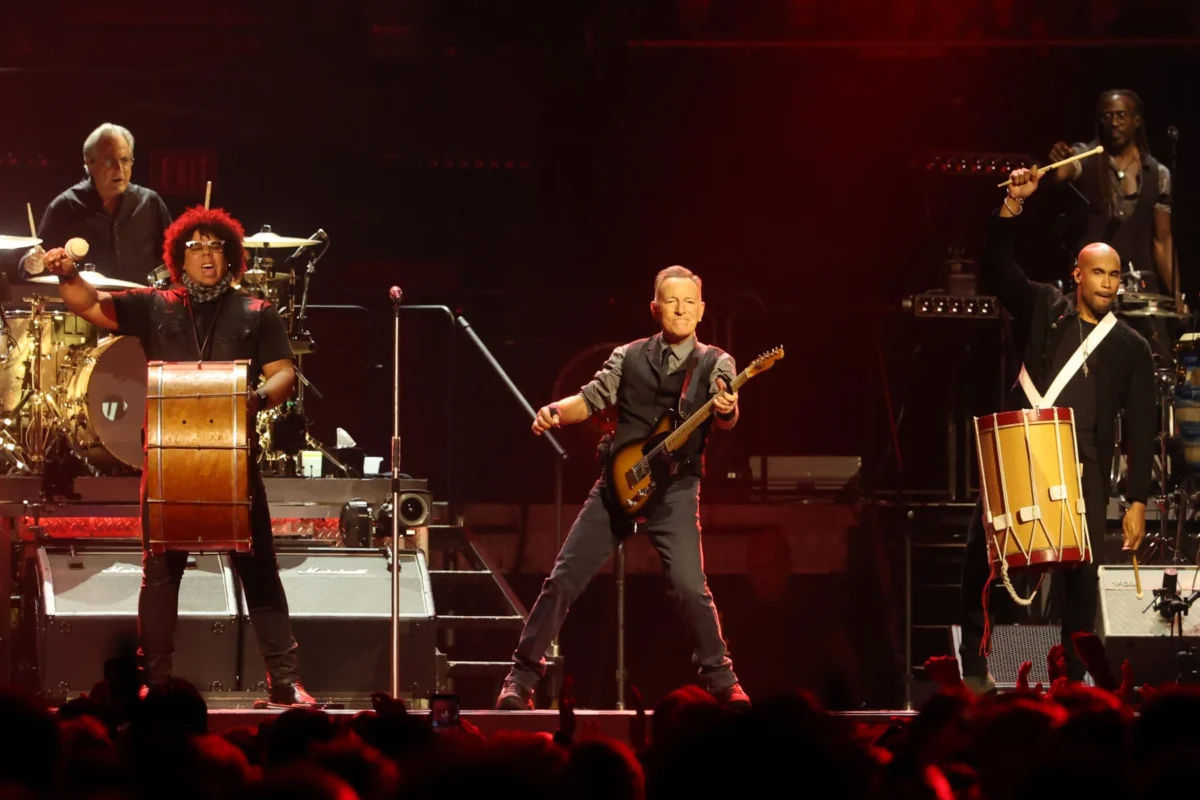
Live Nation subsidiary Merch Traffic, the official merchandise supplier for Bruce Springsteen & The E Street Band, has initiated legal proceedings to secure a nationwide injunction aimed at halting the rampant sale of counterfeit merchandise during the ongoing "Land of Hopes and Dreams" American Tour. The legal action, filed in New Jersey federal court, specifically targets anonymous bootleggers who have been selling unauthorized goods since the tour’s opening night, with a critical focus on Springsteen’s highly anticipated hometown show at Newark’s Prudential Center on April 20. This proactive measure underscores the music industry’s persistent battle against intellectual property infringement and the significant economic threat posed by illicit merchandise operations.
The Legal Battle Against Bootleggers
On Thursday, April 9, Merch Traffic filed comprehensive trademark infringement claims against a multitude of unnamed individuals and entities, collectively referred to as "John Does," alleging that these counterfeiters are profiting illegally from the iconic artist’s brand. The lawsuit, exclusively obtained by Billboard, details how these unauthorized vendors have been distributing low-quality, underpriced knockoffs of official Springsteen t-shirts, hats, and other tour memorabilia outside venues across the country. This practice not only dilutes the artist’s brand but also directly siphons revenue from the official merchandise channels, which are crucial income streams for touring artists and their crews.
The requested legal injunction is a strategic tool commonly employed by authorized merchandise suppliers to combat the widespread issue of bootlegging at live events. If granted, it would arm off-duty police officers and designated agents with judicial orders, empowering them to actively intervene, halt sales, and seize infringing products from vendors operating outside concert venues. This mechanism provides a more efficient and effective means of enforcement compared to pursuing individual legal actions against each bootlegger. Merch Traffic explicitly stated in its filing that without such a comprehensive seizure order, the company would be compelled to file separate civil actions throughout the United States, incurring an estimated expense "well over $375,000 in legal fees and costs," thereby imposing a substantial burden on both the plaintiff and the federal court system.
A Tour Under Siege: The "Land of Hopes and Dreams" Trek
The "Land of Hopes and Dreams" tour, marking another chapter in Bruce Springsteen & The E Street Band’s storied career, commenced on March 31 in Minneapolis. From its inaugural night, the tour has been plagued by the persistent presence of counterfeiters, a familiar challenge for major touring acts. Springsteen’s tours, known for their high demand and fervent fan base, are particularly attractive targets for bootleggers due to the strong emotional connection fans have with his music and iconography.
The decision to file the lawsuit in New Jersey, specifically targeting the April 20 show at the Prudential Center in Newark, is highly symbolic and strategic. New Jersey is Springsteen’s home state, a place deeply woven into the fabric of his music and public persona. A hometown show typically garners immense local enthusiasm and draws a massive crowd, making it a prime location for both legitimate merchandise sales and, unfortunately, illicit operations. By securing an injunction for this prominent show, Merch Traffic aims to send a clear message to counterfeiters about the seriousness of their enforcement efforts.
Furthermore, Merch Traffic’s ambitions extend beyond a single concert. The company’s lawyers are seeking a broad, nationwide injunction that would remain in effect through the entirety of Springsteen’s U.S. tour, which is scheduled to conclude in May. This approach reflects an understanding of the mobile nature of these illicit operations, as bootleggers often follow tours from city to city, adapting their sales tactics as needed. A unified, nationwide order would provide consistent legal backing for enforcement across multiple jurisdictions, streamlining the process and maximizing its impact.
The Economic and Brand Impact of Counterfeit Merchandise
The proliferation of counterfeit merchandise represents a significant financial drain on the legitimate music industry. For artists, touring and merchandise sales are increasingly vital revenue streams in an era of declining album sales and streaming royalties. Official merchandise is carefully designed, produced, and licensed, with a portion of the sales directly benefiting the artist, their crew, and the various stakeholders involved in bringing a tour to life. When fans purchase unauthorized goods, that revenue is diverted to illicit operators, directly impacting the artist’s ability to fund future projects, maintain their touring infrastructure, and support their team.
Industry data consistently highlights the scale of the problem. According to various reports on intellectual property crime, the global market for counterfeit goods is estimated to be in the hundreds of billions of dollars annually, with entertainment merchandise forming a significant segment. For a major artist like Bruce Springsteen, whose tours generate tens of millions in revenue, even a small percentage of sales lost to bootleggers can translate into millions of dollars over the course of a multi-city tour.
Beyond the immediate financial losses, counterfeit merchandise also poses a threat to an artist’s brand integrity. Low-quality, poorly produced knockoffs can reflect negatively on the artist, even if they are not officially sanctioned. Fans who unknowingly purchase inferior counterfeit items may associate that poor quality with the artist themselves, potentially eroding trust and brand loyalty. Official merchandise is often seen as a tangible connection between the fan and the artist, a commemorative item that signifies their shared experience. Counterfeit goods undermine this authenticity and devalue the genuine article.

Precedent and Pervasiveness: A Common Industry Challenge
The legal action taken by Merch Traffic is not an isolated incident but rather a well-established and frequently utilized strategy within the live music industry. The challenge of combating counterfeiters at major concert events is perennial, necessitating ongoing vigilance and legal intervention. Bruce Springsteen’s tours, in particular, have been the subject of similar injunctions in the past, with Merch Traffic having successfully secured such orders for his tours in both 2016 and 2023. This history underscores the persistent nature of the problem and the consistent legal response required to mitigate its impact.
The trend extends across the industry, with numerous other artists’ official merchandise suppliers filing comparable lawsuits. In the past year alone, authorized merch sellers for contemporary artists such as Dua Lipa, Tate McRae, and Benson Boone have pursued similar legal avenues to protect their intellectual property rights during their respective tours. This collective action highlights a unified front within the industry to safeguard revenue and brand image against unauthorized commercial exploitation.
These types of lawsuits serve multiple purposes. Firstly, they aim to recover damages from identified counterfeiters, though often the "John Doe" nature of the defendants makes direct financial recovery challenging. More importantly, they establish a legal framework for preventative action, allowing for the pre-emptive deployment of enforcement measures at upcoming tour stops. The cost-efficiency argument presented by Merch Traffic in their filing—avoiding hundreds of thousands of dollars in legal fees by consolidating actions into a single nationwide injunction—demonstrates the practical necessity of this approach for major tour operators.
Protecting Intellectual Property in the Digital Age and Beyond
The ease of digital reproduction and online distribution has exacerbated the problem of counterfeiting, even for physical goods sold outside venues. While the immediate target of these injunctions is often physical street vendors, the broader ecosystem of illicit merchandise production can involve sophisticated international networks. Protecting intellectual property in this environment requires a multi-faceted approach, combining legal action with technological solutions and public awareness campaigns.
Trademark law, which forms the basis of Merch Traffic’s claims, grants exclusive rights to the owner to use a specific brand, logo, or design in connection with certain goods or services. The unauthorized use of these protected marks for commercial gain, especially when it creates confusion among consumers about the origin of the goods, constitutes infringement. The courts recognize the importance of protecting these rights, not just for the economic benefit of the rights holder but also for consumer protection, ensuring that fans receive genuine products when they believe they are purchasing official merchandise.
The challenges of enforcement are significant. Bootleggers are often transient, operating with minimal overheads and disappearing quickly to avoid detection. The legal process, even with an injunction, requires on-the-ground action, which can be resource-intensive. However, the consistent application of these legal tools has proven to be an effective deterrent and a necessary measure for maintaining control over an artist’s commercial assets.
The Fan Experience and the Future of Tour Merchandise
For millions of fans, purchasing official tour merchandise is an integral part of the concert experience. It’s a way to commemorate a special night, express allegiance to an artist, and own a tangible piece of musical history. Official merchandise is often high-quality, thoughtfully designed, and carries the authentic branding that fans value. The revenue generated from these sales directly contributes to the sustainability of an artist’s career, allowing them to continue creating music and performing live.
In contrast, counterfeit merchandise often disappoints with its inferior quality, poor printing, and lack of authenticity. While seemingly cheaper, these items ultimately diminish the value of the fan experience and contribute to a black market that harms the artists fans wish to support.
The ongoing legal battles, like the one initiated by Merch Traffic, are not merely about corporate profits; they are about protecting the entire ecosystem of live music. They ensure that artists, who pour their creative energy and financial resources into touring, can reap the legitimate rewards of their work. They also safeguard the authenticity of the fan experience, ensuring that when a fan proudly wears a Bruce Springsteen t-shirt, it is a genuine article, representing a real connection to the Boss and his enduring legacy.
As the "Land of Hopes and Dreams" tour continues its journey across the United States, the outcome of Merch Traffic’s injunction request will be closely watched. It represents a critical juncture in the ongoing effort to protect intellectual property in the vibrant, yet vulnerable, world of live music. While a representative for Bruce Springsteen did not immediately return a request for comment on Friday, April 10, the industry-wide consensus remains clear: combating counterfeit merchandise is a necessary and continuous fight to preserve the integrity and economic viability of artistic endeavors.