Muhammad Ibadurrohman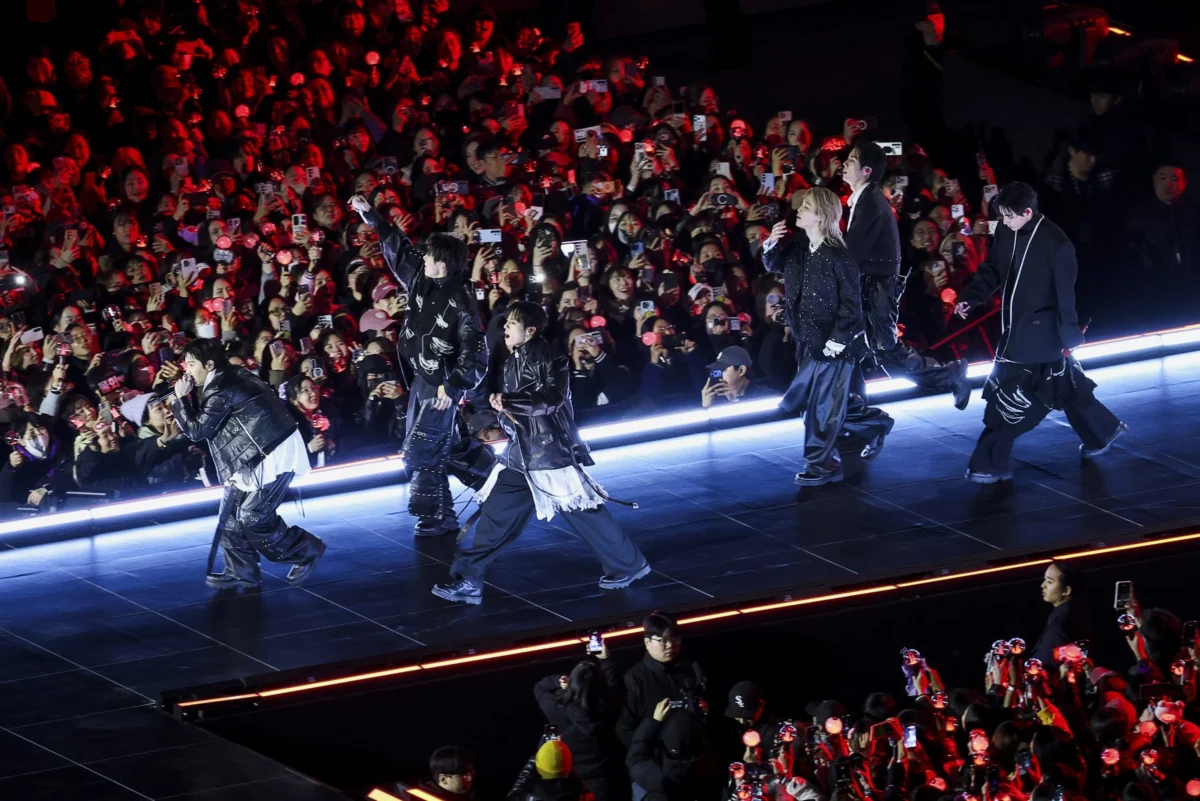
A U.S. court petition has been filed by BigHit Music, the record label behind global K-pop sensation BTS, seeking to identify an anonymous social media user on X (formerly Twitter) who allegedly leaked sensitive material from the group’s highly anticipated comeback album, ARIRANG, prior to its official release. This legal maneuver marks a significant step in what the label intends to be a civil lawsuit in South Korea, pursuing substantial financial damages for copyright and trade secret infringement against the individual responsible for disseminating songs, lyrics, and artwork from the album.
The petition, filed on Thursday, April 9, in a U.S. court and subsequently obtained by Billboard, targets the account @jwngkcck. BigHit Music, a subsidiary of the entertainment conglomerate HYBE, asserts that this user posted unauthorized portions of ARIRANG on X in early March, weeks ahead of the album’s critically acclaimed debut. This incident reportedly disrupted the meticulously planned global release strategy for BTS’s first full-length album in nearly six years, an event eagerly awaited by millions of fans worldwide. The label claims the premature disclosure severely compromised the "element of surprise" integral to their marketing efforts, thereby negatively impacting the group’s reputation and the album’s commercial launch.
The Allegations: Breaching the Secrecy of a Global Comeback
The core of BigHit Music’s complaint centers on the alleged violation of intellectual property rights and trade secrets. In the highly competitive and carefully choreographed world of K-pop, an album’s release is not merely a musical event but a multi-faceted global marketing campaign. Every detail, from song titles and lyrics to album artwork and promotional teasers, is strategically unveiled to maximize impact, fan engagement, and market penetration. The financial and reputational stakes for a group of BTS’s caliber are astronomical, with each album representing years of creative investment and millions of dollars in production and marketing.
According to the court documents, the user @jwngkcck specifically posted excerpts of songs, detailed lyrics, and elements of the album’s visual artwork. While the specific content of the leaked material has not been publicly detailed beyond these categories, BigHit’s swift legal response underscores the severity with which they view the breach. The label emphasized that "BigHit and BTS invest extensive resources into planning and executing the most effective release of albums, songs, lyrics and associated material as possible, so as to have the greatest possible impact on potential listeners and the market when the media are released." The unapproved disclosure, they argue, "destroyed the element of surprise that applicant was building up towards its release, negatively impacting its reputation and sales."
The alleged leaks were reportedly removed from the @jwngkcck X page after BigHit Music submitted copyright infringement reports to the social media platform. Furthermore, the account’s display name, which at one point reportedly included "BTS ARIRANG LEAK," was subsequently changed, suggesting an attempt to obscure the user’s connection to the incident. However, these actions do not diminish the initial impact of the leak or BigHit’s determination to identify and prosecute the individual responsible.
The Significance of ARIRANG: A Triumphant Return
The album ARIRANG holds immense significance for BTS and their global fanbase, known as ARMY. Released on March 20, it marked the group’s first collective studio album in almost six years, following a period where members had focused on solo projects and mandatory military service enlistments. The album’s comeback concert at Gwanghwamun Square on March 21, 2026, depicted in the accompanying image, symbolized this highly anticipated return, drawing massive crowds and global media attention.
The commercial and critical reception of ARIRANG has been nothing short of phenomenal, underscoring the enduring power and influence of BTS. Upon its release, the album debuted at No. 1 on the prestigious Billboard 200 chart and has maintained that top position for its first three consecutive weeks. This achievement solidifies BTS’s unparalleled chart dominance and demonstrates their ability to command global attention even after a hiatus. The lead single, "Swim," mirrored this success, debuting at No. 1 on the Billboard Hot 100 and remaining firmly within the chart’s top five for several weeks. These figures, representing millions in sales and streams, highlight the substantial commercial value associated with a BTS release and, by extension, the potential financial harm inflicted by unauthorized leaks. While precise first-week sales figures are proprietary, the album’s sustained chart performance is a clear indicator of multi-million unit equivalent sales globally.

The success of ARIRANG against the backdrop of the leak further illustrates BigHit’s point: despite a powerful launch, the "element of surprise" — a crucial marketing component designed to maximize initial impact and fan fervor — was undeniably compromised. The label’s legal action, therefore, is not solely about recouping lost sales (which might be difficult to quantify definitively given the album’s success) but about protecting the integrity of their release strategy, the value of their intellectual property, and setting a precedent against future infringements.
Legal Maneuvers: Why a U.S. Court for a Korean Lawsuit?
The decision by BigHit Music to initiate legal proceedings in a U.S. court to identify a social media user for a South Korean lawsuit is a common strategy employed by HYBE and its subsidiaries. This approach is necessitated by the jurisdictional complexities of the internet and the global nature of social media platforms. X, like many other major social media companies (e.g., YouTube, Facebook), is headquartered in the United States and, therefore, subject to U.S. legal jurisdiction.
Under U.S. law, specifically the Stored Communications Act (SCA) and other relevant statutes, U.S.-based social media platforms are generally not permitted to disclose the private identifying information of their users to foreign entities without a valid U.S. court order. This means that a South Korean court order would typically not compel X to reveal a user’s identity. Consequently, companies like BigHit Music must first petition a U.S. court to issue a subpoena to the platform, compelling it to disclose the requested user data. Once the identity is obtained through this U.S. legal process, BigHit can then use that information to pursue a civil lawsuit against the individual in South Korea, where the alleged copyright and trade secret infringements occurred and where the financial damages are sought.
This cross-border legal strategy highlights the evolving challenges of intellectual property enforcement in the digital age, where content can be instantly shared across international boundaries. It underscores the need for robust legal mechanisms that can navigate these complexities and provide recourse for rights holders.
HYBE’s Proactive Stance on Intellectual Property Protection
HYBE Corporation, the parent company of BigHit Music, has a well-established and aggressive policy regarding the protection of its artists and intellectual property. The company routinely turns to U.S. courts for assistance in identifying anonymous internet users who engage in various forms of illicit activity, particularly those involving defamation, malicious rumors, and, as in this case, intellectual property infringement.
In the past, HYBE has pursued legal action against users who spread false rumors and defamatory content about its other prominent K-pop groups, including NewJeans, SEVENTEEN, and TWS. These cases often involve similar U.S. court petitions to unmask anonymous users on platforms like YouTube and X, followed by subsequent lawsuits in South Korea. The legal framework in South Korea is particularly strict regarding defamation, which can be prosecuted as both a civil and criminal offense, leading to significant penalties for offenders.
This consistent and proactive legal approach by HYBE sends a clear message to potential infringers: the company will spare no expense or effort to safeguard its artists’ reputations, creative works, and commercial interests. It reflects a broader industry trend in K-pop, where entertainment agencies are increasingly leveraging legal avenues to combat online piracy, malicious commentary, and unauthorized leaks that threaten the immense investments made in developing and promoting their global stars. The "surprise element" in K-pop releases is not just a marketing gimmick; it’s a carefully constructed event that builds anticipation, drives immediate sales, and generates global buzz, all of which contribute to the artists’ and companies’ bottom lines. Any disruption to this can be viewed as a direct attack on their business model.
The Broader Landscape of K-Pop and Digital Piracy
The incident involving ARIRANG is a microcosm of the larger struggle faced by the global music industry, and particularly the K-pop sector, against digital piracy and unauthorized content dissemination. K-pop agencies meticulously plan every aspect of an artist’s career, from trainee development and music production to elaborate music videos, merchandise, and global tours. The industry’s business model relies heavily on a structured release cycle, where teasers, concept photos, tracklists, and highlight medleys are rolled out incrementally to build hype, culminating in a highly anticipated "drop."

Leaks disrupt this carefully crafted ecosystem by prematurely revealing content, thereby diminishing the excitement, impacting initial engagement metrics, and potentially affecting sales. For an album like ARIRANG, which represents a monumental comeback, the stakes are exceptionally high. Beyond the immediate financial losses, leaks can damage the artist’s brand, erode trust within the fanbase (who often value the official reveal), and undermine the creative efforts of countless individuals involved in the production process.
The rapid spread of information on social media platforms like X, while facilitating global fan communities, also creates fertile ground for unauthorized sharing. The anonymous nature of many accounts further complicates enforcement efforts, making U.S. subpoena procedures an indispensable tool for labels seeking justice. This ongoing battle highlights the tension between the open, sharing culture of the internet and the need to protect intellectual property rights in an era of instant global dissemination.
Potential Implications and Future Steps
Should BigHit Music successfully obtain the identity of the @jwngkcck user, the focus will shift to the intended civil lawsuit in South Korea. The nature of the damages sought will likely encompass direct financial losses (e.g., potential impact on sales or streaming revenue, though difficult to quantify given the album’s success), indirect losses (e.g., marketing budget wasted due to compromised strategy), and reputational harm. The South Korean legal system, known for its strict stance on intellectual property and defamation, could impose significant penalties on the identified individual.
This case could serve as another powerful deterrent for those considering similar actions against K-pop artists. By consistently pursuing legal action, HYBE aims to establish a clear precedent that unauthorized leaking and sharing of copyrighted material will not be tolerated, regardless of whether the content is removed after the fact. It reinforces the message that anonymity on the internet does not equate to impunity.
Furthermore, the incident might prompt further internal reviews of security protocols within BigHit Music and its distribution partners to prevent future leaks. While the source of the leak is currently unknown (whether it originated internally, from a third-party vendor, or through other means), such incidents often lead companies to re-evaluate their data protection measures.
The Digital Dilemma: Balancing Rights and Responsibilities
This case encapsulates the complex interplay between user anonymity, platform responsibility, and intellectual property rights in the digital age. While platforms like X strive to protect user privacy, they also have legal obligations to comply with valid court orders and enforce their terms of service, which prohibit copyright infringement. The balance often lies in the judicial process, where courts weigh the competing interests of individual privacy and the rights of intellectual property holders.
For the K-pop industry, which thrives on meticulous planning, global marketing, and passionate fan engagement, these legal battles are not just about individual instances of infringement. They are about maintaining the integrity of an entire ecosystem that generates billions of dollars annually and supports the livelihoods of thousands. As technology continues to evolve, so too will the methods of both content creation and content infringement, necessitating ongoing vigilance and adaptation from rights holders and legal systems worldwide. The BigHit Music petition against the ARIRANG leaker is a testament to this enduring challenge, affirming the music industry’s unwavering commitment to protecting its creative output in an increasingly digitized world.