Nana Wu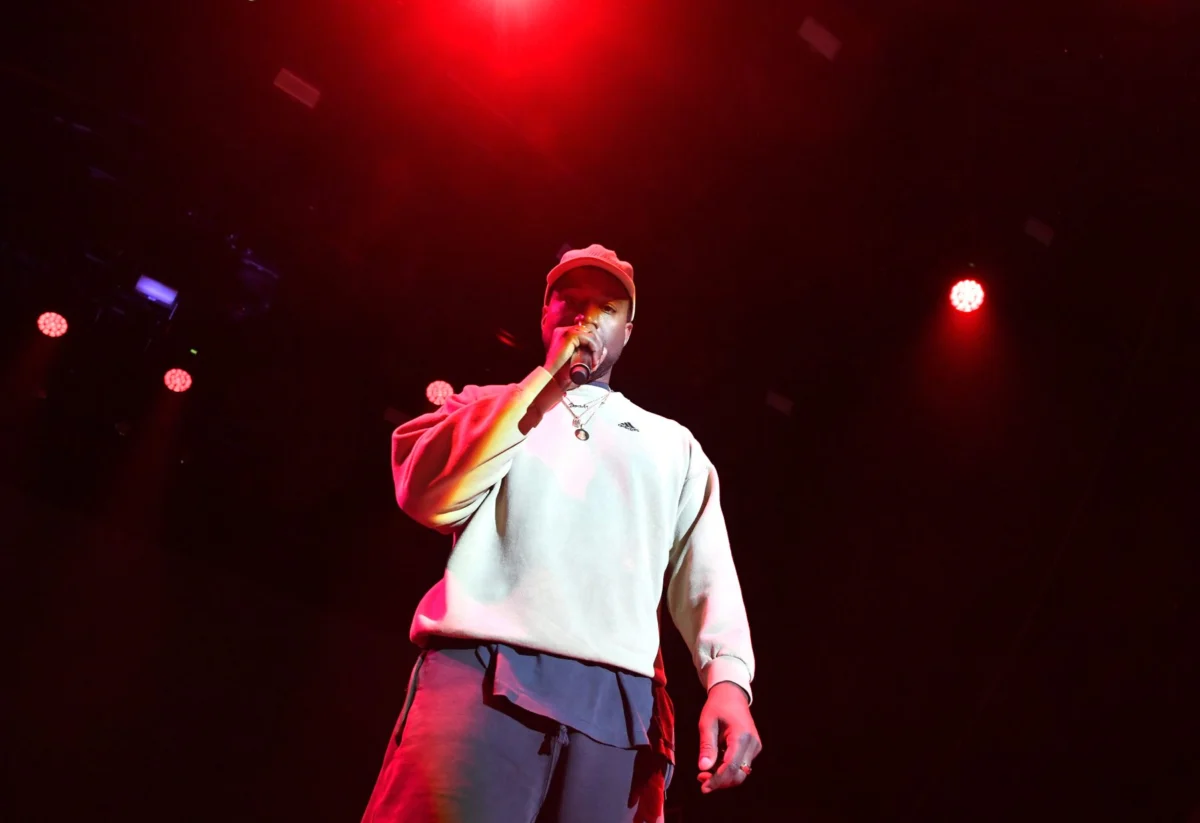
Kanye West, the artist now known as Ye, is slated to perform a pair of shows at the Gelredome Stadium in Arnhem on June 6 and June 8, proceeding with his European tour dates despite a cascade of cancellations and postponements in other countries due to his widely condemned antisemitic rhetoric. The decision by Arnhem Mayor Ahmed Marcouch and Dutch authorities underscores a complex legal and ethical dilemma, pitting freedom of expression against the imperative to combat hate speech, drawing significant attention from international media, human rights organizations, and the global music industry.
A History of Controversy: Ye’s Antisemitic Remarks and Their Fallout
The path to these Netherlands concerts has been fraught with controversy, stemming from a series of antisemitic statements made by Ye beginning in late 2022. These remarks, which included accusations of Jewish control over media and finance, praise for Adolf Hitler, and the sale of merchandise featuring swastikas, led to a widespread and unprecedented backlash. Major brands, including Adidas, Gap, and Balenciaga, severed ties with the artist, resulting in significant financial losses and a dramatic downturn in his public image and commercial ventures. His social media accounts were restricted, and his comments sparked outrage from Jewish community leaders, anti-hate organizations, and public figures worldwide.
The timeline of Ye’s problematic statements and their repercussions highlights the severity of the situation. In October 2022, Ye posted on X (then Twitter) that he would go "death con 3 on JEWISH PEOPLE," leading to immediate suspension from the platform. This was followed by interviews where he doubled down on conspiracy theories and made further derogatory comments. By December 2022, during an appearance on Alex Jones’s InfoWars, Ye expressed admiration for Hitler, stating, "I see good things about Hitler," and denied the Holocaust. These extreme statements culminated in the termination of his lucrative partnership with Adidas, a deal estimated to be worth billions. Despite issuing an apology in The Wall Street Journal in January and meeting with a rabbi in November 2025 (as reported in the original article, likely a typo and meant for 2023), the damage to his reputation and career has been profound and enduring.
International Repercussions: A String of Cancellations
The global fallout from Ye’s actions has directly impacted his touring prospects. Prior to the Netherlands decision, several planned concerts across Europe were either canceled or postponed, signaling a reluctance by host countries and venues to provide a platform for an artist associated with hate speech.
- United Kingdom: In the UK, authorities denied Ye a travel visa, leading to the cancellation of his appearance at the Wireless Festival. The decision by the Home Office cited concerns over public order and the artist’s past inflammatory statements, effectively barring his entry into the country for the event. This move was widely supported by British political figures and anti-racism groups.
- Poland: A concert scheduled for June 19 at the Silesian Stadium in Chorzów, Poland, was explicitly canceled. A representative for the stadium informed Wyborcza that "the concert will not take place." This cancellation followed strong public outcry and condemnation from Polish officials, including the Minister of Culture and National Heritage, who voiced his strong disapproval of Ye’s presence given Poland’s history during World War II and the Holocaust.
- France: In France, pressure mounted from government authorities, leading Ye himself to postpone a June concert slated for Marseille’s Stade Vélodrome. While not an outright ban, the postponement indicated a significant challenge in securing necessary approvals and managing the political and social climate surrounding his performance. French officials had expressed serious concerns about the potential for public unrest and the implications of hosting an artist with such a controversial record.
These cancellations underscore a clear trend among European nations to take a firm stance against individuals whose public statements are perceived as promoting hatred, particularly antisemitism. Each country navigated its own legal and political landscape, but the outcome was consistently prohibitive for Ye’s performances.
The Netherlands’ Stance: Navigating Legal Frameworks
In stark contrast to the decisions made in the UK, Poland, and France, Dutch authorities have indicated that Ye’s concerts in Arnhem can proceed. This decision is rooted in the specific legal framework governing freedom of expression and the criteria for entry and performance within the Netherlands.
Arnhem Mayor Ahmed Marcouch has been at the forefront of this decision, acknowledging the "disgusting" nature of West’s past antisemitic remarks. However, he emphasized that his office, and indeed the Dutch state, operates within a constitutional state where the law prevails over personal judgment or public sentiment. Marcouch stated to Dutch outlet NRC: "Members of Parliament have the power to make laws, so instead of constantly posting all kinds of messages on X, they can also limit behavior they deem undesirable by law." He clarified that his role as mayor involves assessing permit applications based on safety and public order, not on the content of a cultural activity, which is protected under freedom of expression. "If the organization meets the requirements of the permit, then we simply have to grant that permit," he added.
This position is reinforced by earlier statements from Minister Van den Brink, who explained that there is "no legal basis" to ban West from entering the Netherlands based on his previous statements. "Based on what is currently known to me, I have no indication that an entry ban may apply to this," the minister was quoted by RTL News. The core legal principle here is that while racist and antisemitic statements are punishable offenses under Dutch law, they must be made within the Netherlands or directly lead to demonstrable threats to public order at the time of the event for an intervention to be legally justifiable. Past actions, while morally reprehensible, do not automatically constitute a legal basis for an entry or performance ban unless new laws are enacted or Ye repeats such behavior while in the country.
Mayor Marcouch reiterated this point: "Making racist and antisemitic statements is already a punishable offense. But he has to make them first. Now it concerns someone who did something in the past and, for that reason, would not be allowed to come to the Netherlands. Regarding that, the Minister rightly said, ‘There is no legal basis for that.’" He stressed the importance of a legal basis, concluding, "I am also pleased that in our constitutional state, as a citizen, you are not dependent on the arbitrariness of a mayor or any other authority. That the law prevails."

Freedom of Speech vs. Hate Speech: The Dutch Context
The Dutch legal system, like many in Western democracies, grapples with the delicate balance between freedom of speech (Article 7 of the Dutch Constitution and Article 10 of the European Convention on Human Rights) and the prohibition of hate speech (Article 137c, 137d, and 137e of the Dutch Criminal Code). While freedom of expression is a fundamental right, it is not absolute and can be restricted to protect the rights and reputations of others, public order, and national security. Specifically, incitement to hatred, discrimination, or violence against groups of people based on religion, race, or sexual orientation is criminalized.
The key distinction in Ye’s case, as articulated by Dutch authorities, is that his previous antisemitic remarks were made outside the Netherlands and do not, at this moment, provide a direct legal ground to deny him entry or a performance permit. Authorities are not preemptively banning him based on the potential for him to make such statements again, nor are they retroactively applying Dutch law to past actions committed abroad, unless those actions trigger specific international legal mechanisms not applicable here. This strict interpretation of the law aims to prevent arbitrary decisions by officials and uphold the principle of legal certainty. However, this legalistic approach has drawn criticism from members of parliament and civil society organizations who argue that the spirit of the law should also consider the broader societal impact and the message sent by hosting such an individual.
The Gelredome Stadium and Logistics
The Gelredome Stadium in Arnhem, a multi-purpose venue with a retractable roof and a concert capacity often exceeding 34,000, is a prominent location for major events in the Netherlands. Hosting an artist of Ye’s stature, despite the controversy, is a significant logistical undertaking. The permit application process, which was still in motion as of Friday (April 17), involves detailed assessments of public safety, crowd control, traffic management, and potential security risks. Given the heightened scrutiny surrounding Ye, these assessments are likely more rigorous than usual.
Local authorities will be tasked with ensuring the safety of attendees and the wider public, managing potential protests, and responding to any unforeseen incidents. The economic impact of such large-scale concerts on Arnhem’s local economy—including tourism, hospitality, and local businesses—is considerable, providing an additional layer of complexity to the decision-making process.
Public and Political Pressure Within the Netherlands
Despite the legal clarity articulated by Mayor Marcouch and Minister Van den Brink, public and political pressure within the Netherlands to ban Ye has been substantial. Members of Parliament have voiced strong objections, urging the government to reconsider. Human rights organizations and Jewish community groups have also expressed profound concern, arguing that allowing Ye to perform sends a message of tolerance towards antisemitism. They emphasize that while legal frameworks are important, there is a moral imperative to prevent the normalization of hate speech, especially given Europe’s history.
The debate highlights a tension between strict legal interpretation and societal values. Critics contend that even if there isn’t a direct legal basis for an entry ban, authorities have discretion in other areas, such as visa issuance or public safety assessments, that could effectively prevent the concerts. The mayor’s statement about MPs having the power to "make laws" suggests a challenge back to the legislative body to address any perceived loopholes in existing legislation if they wish to prevent similar situations in the future.
Broader Impact and Implications
The decision to allow Ye’s concerts in the Netherlands carries several broader implications:
- Precedent for Controversial Artists: This case could set a precedent for how European nations, particularly those with strong free speech protections, handle artists whose past actions or statements are deemed offensive but do not directly violate current domestic laws for entry or performance. It underscores the difficulty authorities face when balancing constitutional rights with public outcry and ethical concerns.
- Freedom of Expression vs. Responsibility: The debate reignites discussions about the limits of artistic freedom and the responsibility of artists, venues, and governments in providing platforms. It questions where the line should be drawn when an artist’s personal views clash with widely accepted standards of decency and non-discrimination.
- Public Order and Security: The concerts will undoubtedly attract attention, potentially leading to protests and demonstrations. Authorities will need to be prepared for enhanced security measures to ensure public order and safety, not just within the stadium but also in the surrounding areas.
- Ye’s Career Trajectory: For Ye, these concerts represent a rare opportunity to perform in Europe amidst a period of significant career disruption. While his Bully album, released on March 28, debuted at No. 2 on the Billboard 200, and he recently performed two shows in the U.S. at SoFi Stadium, his international touring prospects remain tenuous. The Netherlands shows could be a test case for his ability to regain a foothold in the global music scene, albeit under a cloud of controversy.
Conclusion
As June approaches, the Gelredome Stadium in Arnhem is poised to become the focal point of a significant cultural and legal debate. While the Netherlands upholds its commitment to freedom of expression within its legal framework, the decision to allow Kanye West to perform will continue to be met with strong reactions both domestically and internationally. The concerts will not only test the resolve of Dutch authorities in maintaining public order but will also serve as a stark reminder of the ongoing struggle to reconcile artistic freedom with the imperative to combat hate speech in an increasingly interconnected world. The situation in Arnhem underscores that the fallout from Ye’s past statements continues to reverberate, shaping his career and sparking critical discussions about values, law, and responsibility in the public sphere.