Aveline Kirana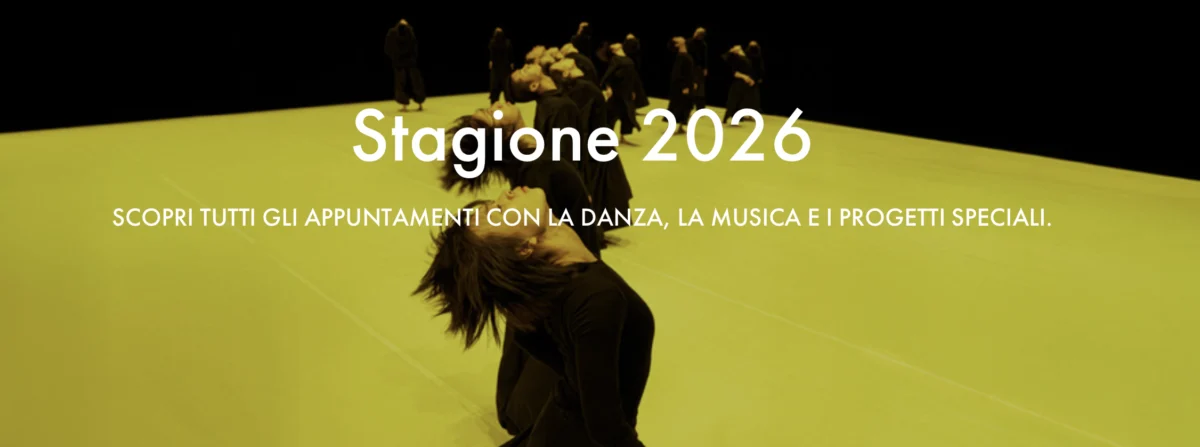
The Teatro Grande di Brescia has officially announced its highly anticipated 2026 season, promising a rich and diverse program that will engage opera enthusiasts and newcomers alike. The renowned Italian opera house has curated a lineup featuring significant works from the operatic canon, alongside innovative productions helmed by respected conductors and directors. The season, set to commence in September 2026, underscores the Teatro Grande’s commitment to presenting high-quality opera and fostering artistic excellence within the vibrant cultural landscape of Brescia.
A Season of Contrasts and Celebrations
The 2026 season at the Teatro Grande di Brescia opens with a profound and thought-provoking production of Benjamin Britten’s "Death in Venice." This powerful opera, based on Thomas Mann’s novella, delves into themes of beauty, mortality, and the destructive nature of obsession. The performances, scheduled from September 23rd to 27th, 2026, will be under the baton of conductor Daniel Smith, whose interpretations have been widely praised for their depth and sensitivity. The staging is entrusted to director Rodula Gaitanou, an artist known for her insightful and visually compelling approach to operatic narratives. Britten’s "Death in Venice" is a demanding work, both musically and dramatically, and its selection for the opening of the season signals an intent to challenge and stimulate the audience from the outset. The opera’s complex psychological landscape and its exploration of the aging artist’s yearning for lost youth and beauty offer fertile ground for Gaitanou’s directorial vision, potentially setting a contemplative and intellectually engaging tone for the entire season.
Following this introspective opening, the Teatro Grande will present one of opera’s most iconic and grand spectacles: Giacomo Puccini’s "Turandot." This dramatic masterpiece, known for its soaring melodies, exotic setting, and ultimately tragic love story, will grace the stage on October 16th and 18th, 2026. The formidable score will be brought to life by conductor Alessandro D’Agostini, who brings extensive experience with the Puccini repertoire. The production will be directed by Nadir Dal Grande, whose work often explores the visual and dramatic potential of operatic narratives with a modern sensibility. "Turandot," with its famously challenging soprano role and its depiction of imperial China, offers a stark contrast to the intimacy of Britten’s work. The opera’s themes of power, riddles, and sacrifice are ripe for dramatic interpretation, and Dal Grande’s direction is expected to imbue the production with a fresh perspective, potentially highlighting the human drama beneath the operatic grandeur. Puccini’s final opera, though unfinished at his death, remains a cornerstone of the operatic repertoire, celebrated for its magnificent choruses and powerful arias, particularly "Nessun dorma." The choice of "Turandot" signifies the Teatro Grande’s capacity to stage large-scale, popular works alongside more niche repertoire.
The season continues its exploration of Italian opera with Gioachino Rossini’s effervescent comic masterpiece, "L’Italiana in Algeri." Scheduled for November 26th and 28th, 2026, this opera buffa is a showcase for vocal agility and comedic timing. Alessandro Palumbo will conduct, bringing his expertise in the bel canto style, while the inventive and often surprising directorial approach of Fabio Cherstich is expected to infuse the production with contemporary wit and charm. Rossini’s "L’Italiana in Algeri" is a delightful romp, filled with witty libretti and demanding vocal passages. The story of Isabella, a clever Italian woman who outwits the Bey of Algiers, provides ample opportunity for comedic staging and vocal fireworks. Cherstich’s reputation for innovative and engaging productions suggests that this "Italiana" will be far from a staid revival, likely incorporating elements that resonate with a modern audience while respecting the spirit of Rossini’s original intent. The opera’s enduring popularity lies in its sheer musicality and its lighthearted exploration of cultural misunderstandings and romantic entanglements.
The 2026 season concludes with a powerful double bill featuring two of Italian verismo’s most compelling short operas: Pietro Mascagni’s "Cavalleria Rusticana" and Ruggero Leoncavallo’s "Pagliacci." These two tragedies, often performed together due to their shared thematic concerns of passion, betrayal, and violence, will be presented on December 11th and 13th, 2026. The double bill will be conducted by Biagio Micciulla, a conductor with a proven track record in the verismo repertoire, and directed by Davide Marranchelli. This pairing of "Cavalleria Rusticana" and "Pagliacci" represents a dramatic crescendo to the season. Both operas, renowned for their raw emotional intensity and their vivid portrayal of everyday life and its darker undercurrents, demand powerful vocal performances and sensitive direction. Marranchelli’s approach is anticipated to highlight the psychological complexities and tragic inevitability that define these masterpieces. The juxtaposition of these two works, often referred to as "verismo’s ultimate tag-team," allows for a profound exploration of human nature at its most extreme, from rural Sicilian passions to the commedia dell’arte troupe’s tragic reality. The inclusion of this double bill underscores the Teatro Grande’s commitment to presenting significant works that explore the darker, more visceral aspects of the operatic tradition.
Historical Context and Artistic Significance
The Teatro Grande di Brescia boasts a long and distinguished history, dating back to its inauguration in 1774. As one of Italy’s most important historical theaters, it has hosted countless legendary performances and has been a vital center for musical and theatrical innovation. The 2026 season continues this legacy by presenting a balanced program that honors operatic tradition while embracing contemporary artistic interpretations. The selection of these specific operas is noteworthy. Britten’s "Death in Venice," while a 20th-century masterpiece, grapples with timeless themes of art, aging, and desire, making it a powerful opener. Puccini’s "Turandot," a staple of the international repertoire, offers a grand spectacle that appeals to a broad audience. Rossini’s "L’Italiana in Algeri" represents the lighter, yet technically demanding, side of Italian opera, showcasing the bel canto tradition. Finally, the verismo double bill of "Cavalleria Rusticana" and "Pagliacci" delves into the raw emotional core of opera, providing a dramatic and impactful conclusion to the season.
The choice of conductors and directors for each production also reflects a commitment to artistic quality. Daniel Smith, Alessandro D’Agostini, Alessandro Palumbo, Biagio Micciulla, Rodula Gaitanou, Nadir Dal Grande, Fabio Cherstich, and Davide Marranchelli are all respected figures in the opera world, bringing their unique perspectives and expertise to these significant works. The collaboration between these artists and the Teatro Grande orchestra and chorus is expected to result in performances that are both musically precise and dramatically compelling.
Supporting Data and Broader Implications
The programming choices for the 2026 season can be analyzed in terms of their appeal and potential impact. The inclusion of "Turandot" and the verismo double bill, in particular, are likely to draw significant audiences, given their popularity and dramatic intensity. These works often attract both seasoned opera-goers and those new to the art form, potentially contributing to increased ticket sales and broader public engagement with the Teatro Grande. The more challenging repertoire, such as "Death in Venice," serves to elevate the artistic profile of the season and offers opportunities for deeper artistic exploration and critical discussion.
Furthermore, the Teatro Grande’s commitment to diverse directorial voices, such as Rodula Gaitanou and Fabio Cherstich, suggests an openness to innovative interpretations and a desire to engage with contemporary perspectives on classic works. This approach can help to keep opera relevant and exciting for a new generation of audiences. The Teatro Grande, like many cultural institutions, operates within a dynamic economic and social landscape. The success of its 2026 season will not only depend on the artistic quality of its productions but also on its ability to attract funding, cultivate community partnerships, and adapt to evolving audience expectations.
Potential Reactions and Expert Analysis
While official statements from the Teatro Grande di Brescia regarding specific artistic intentions for the 2026 season have not yet been released, the programming itself offers insight into the theater’s artistic direction. Music critics and opera aficionados are likely to react positively to the ambitious and varied selection. The opening with Britten’s "Death in Venice" could be seen as a bold artistic statement, setting a high bar for the rest of the season. The inclusion of "Turandot" is a safe yet crowd-pleasing choice, ensuring a significant draw. Rossini’s comic opera provides a welcome dose of lightheartedness, while the verismo double bill offers a dramatic and emotionally resonant conclusion.
Artistic directors of similar opera houses might view the Teatro Grande’s 2026 season as a model for balanced programming, effectively combining popular appeal with artistic depth. The engagement of established and emerging artists in key creative roles suggests a forward-thinking approach to opera production. The success of this season could also have implications for the broader Italian opera scene, demonstrating the continued vitality and artistic innovation of regional opera houses. The Teatro Grande di Brescia, through its carefully curated 2026 season, is poised to deliver a memorable and impactful operatic experience for its audiences, reinforcing its position as a significant cultural institution.