Johan Budi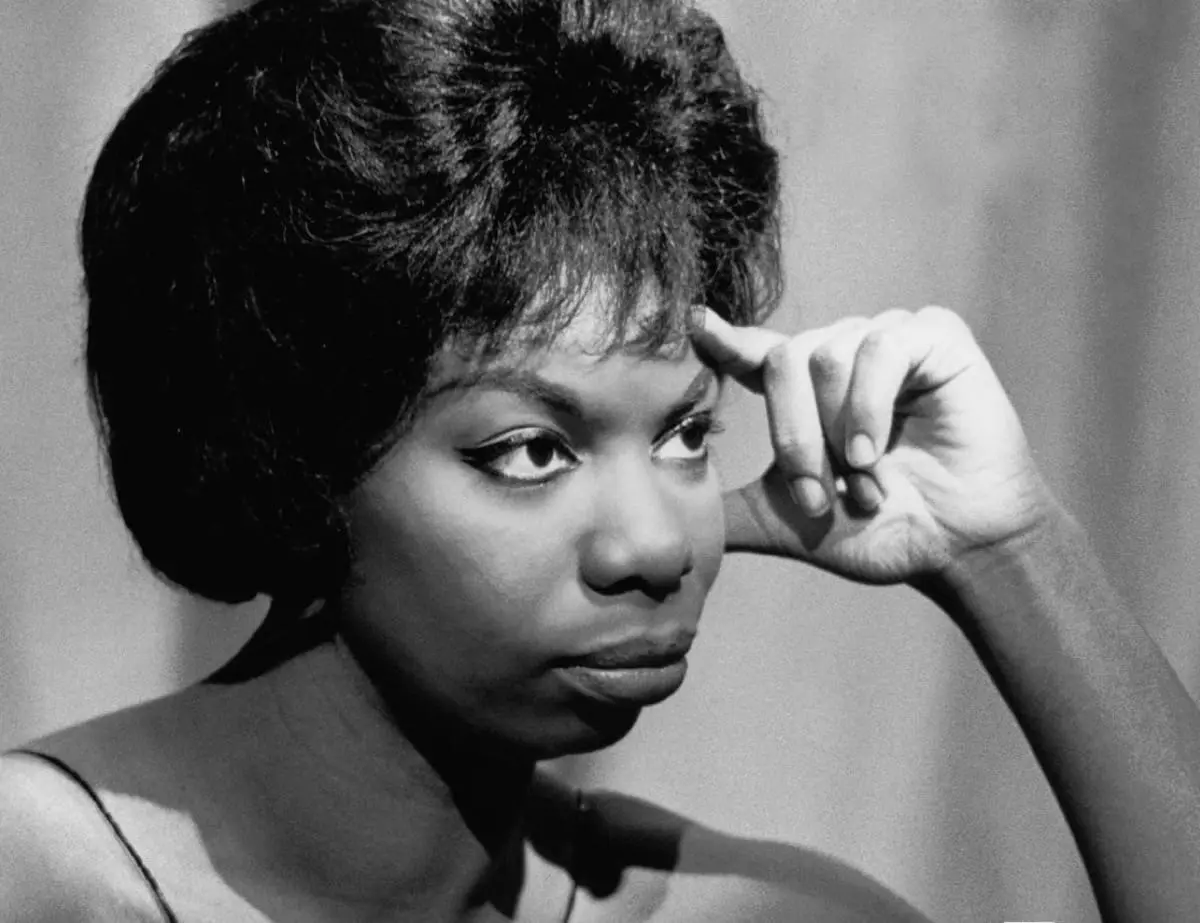
The recent re-emergence of Nina Simone’s 1961 live recordings from The Village Gate and the contemporary release of Mark Adams’ latest project provide a comprehensive look at the trajectory of "soul" as both a genre and a political statement. While Simone’s work captures the raw, burgeoning intersection of classical precision and civil rights activism in the early 1960s, the Neo Soul Allstars’ production demonstrates the polished, multi-layered sophistication of the genre in the 21st century. Together, these releases document a lineage of musicianship that prioritizes technical mastery alongside deep emotional resonance.
The Historical Significance of Nina Simone at The Village Gate
Recorded in April 1961, Nina Simone’s performance at The Village Gate occurred during a transformative period in American history and in the artist’s own career. The Village Gate, located in New York City’s Greenwich Village, was a subterranean haven for intellectual and musical boundary-pushing. Opened by Art D’Lugoff in 1958, the venue served as a critical stage for Simone to refine her "Black Classical Music," a term she preferred over jazz or blues.
The 1961 sessions feature Simone at the height of her interpretive powers. The quartet, consisting of Al Shackman on guitar, Chris White on bass, and Bobby Hamilton on drums, provided a versatile foundation that allowed Simone to pivot between genres with unprecedented fluidity. Shackman, in particular, became a lifelong collaborator, his telepathic musical connection with Simone allowing for the intricate contrapuntal exchanges heard on tracks like "Bye Bye Blackbird."
Analytical Breakdown of the 1961 Setlist
The repertoire selected for the Village Gate residency highlights Simone’s refusal to be pigeonholed. The performance begins with a "rumbustious" rendition of "Just In Time," a standard from the musical Bells Are Ringing. This is immediately contrasted by the somber, classically-inflected "He Was Too Good To Me," a Rodgers and Hart composition.
One of the most technically significant moments of the recording is Simone’s treatment of "Bye Bye Blackbird." Rather than a standard swing interpretation, Simone transforms the piece into a showcase of baroque-style counterpoint. Her training at the High Point Institute and her aspirations to become the first Black classical pianist are evident here; the "cutting contest" between her left and right hands creates a fugue-like texture that was virtually unheard of in the jazz clubs of the era.
The inclusion of "Vaynikehu," performed in a complex 5/4 time signature, further emphasizes the ensemble’s rhythmic sophistication. The track’s "folky" origins suggest Simone’s interest in global musical traditions, a theme she would explore throughout the 1960s.
The Political and Social Context of Side Two
As the recording progresses into its second half, the content shifts toward the sociopolitical. Simone’s original composition, "Brown Baby," serves as a poignant lullaby for a future generation, reflecting the optimism and the struggle of the early Civil Rights Movement. The lyrics—prophesying a world where "all hate is hurled" from men’s hearts—remain a staple of her activist repertoire.
The spiritual and gospel influences dominate the conclusion of the set. "If He Changed My Name" (also known as "I Told Jesus") and "Children Go Where I Send You" illustrate the deep religious roots that informed Simone’s vocal delivery. The closing track, "Sinnerman," is perhaps the most enduring piece of the session. A high-energy, apocalyptic vision, the song utilizes a repetitive, driving rhythm that anticipates the trance-like qualities of later soul and funk. Although the exact recording location for the "Sinnerman" and "Vaynikehu" tapes in this specific reissue remains unconfirmed due to lost archival data, their presence completes the narrative arc of the performance.
Technical Specifications of the Waxtime Reissue
The latest iteration of this historic recording, released under the Waxtime label (526026), is presented on 180-gram virgin "see-through" vinyl. In the contemporary audiophile market, the 180-gram standard is often sought after for its durability and resistance to warping, though critics note that the source material for live 1961 recordings often carries inherent limitations.
The sound quality on this pressing is described as "woolly" in certain frequencies—a common characteristic of early 1960s remote recordings where microphone placement was often secondary to the live audience experience. However, the raw power of Simone’s vocal and the percussive clarity of her piano playing remain at the forefront, preserved with enough fidelity to satisfy both historians and casual listeners.
The Modern Era: Mark Adams & The Neo Soul Allstars
Transitioning from the foundational era of Nina Simone to the contemporary landscape, This Is Neo Soul by Mark Adams & The Neo Soul Allstars serves as a testament to the enduring influence of the 1970s jazz-fusion and soul movements. Mark Adams, a seasoned keyboardist and musical director, brings a pedigree that connects directly to the legends of the genre.
Adams’ career highlights include a quarter-century tenure as the musical director for Roy Ayers, an icon of jazz-funk. His collaborations extend to Ron Carter, Erykah Badu, and Hugh Masekela, positioning him as a bridge between the "old school" soul of the 60s and 70s and the "neo-soul" movement that emerged in the late 1990s.
Composition and Personnel
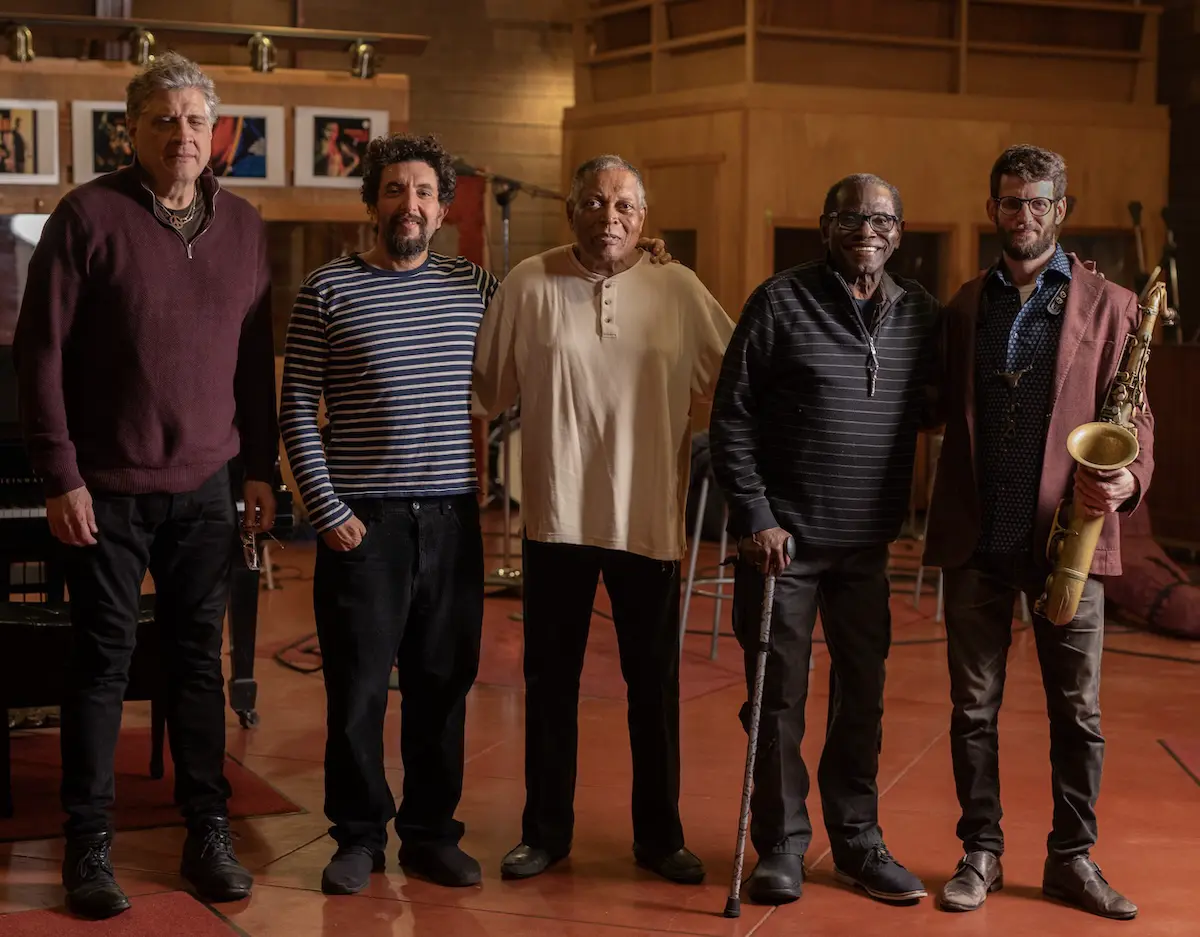
The Neo Soul Allstars is a collective of high-caliber session musicians whose collective resumes include work with Aretha Franklin, Roberta Flack, and Chic. This level of professional expertise is evident in the album’s production, which balances the "relentless" energy of funk with the subtle textures of modern R&B.
The album features a mix of original compositions and carefully selected covers. The inclusion of three Roy Ayers tracks and a tribute to Lonnie Liston Smith ("Expansions") signals a deep reverence for the "Cosmic Jazz" and "Rare Groove" eras. The personnel list is a "who’s who" of the New York and international soul scenes:
- Kenyatta Beasley (Trumpet): Known for his work with the Lauryn Hill band.
- Monte Croft (Vibraphone): Adding the essential "Ayers-esque" shimmer to the arrangements.
- William "Spaceman" Patterson (Guitar): Bringing a rock-infused funk edge.
Evolutionary Analysis: From Soul to Neo-Soul
While Nina Simone’s soul was rooted in the gospel and the blues of the South, Adams’ "Neo Soul" is an urban, sophisticated evolution. The tracks on This Is Neo Soul, such as "Don’t Look Back" and "Vibrations," demonstrate a "busy" and "relentless" rhythmic approach that draws from the James Brown school of funk but incorporates the lush synthesizers and polished vocal arrangements of the modern era.
The transition from the "dignified" and "affecting" interpretations of Simone to the "convincingly funky" output of Adams reflects a broader shift in the music industry. Where Simone had to fight for the inclusion of "baroque" elements in her jazz, Adams and his contemporaries operate in a world where genre boundaries are fluid. The "Neo Soul" label itself suggests a conscious effort to reclaim the organic feel of 70s soul while utilizing modern recording technology.
Comparative Implications and Market Impact
The simultaneous availability of these two releases offers a unique opportunity for market analysis within the jazz and soul sectors.
- The Reissue Market: The demand for high-quality vinyl reissues of Nina Simone’s catalog remains high, driven by a younger generation’s discovery of her work through streaming and film syncs (e.g., "Sinnerman" in The Thomas Crown Affair). The Waxtime release targets the collector market, emphasizing the physical aesthetic of the "see-through" vinyl.
- The Neo-Soul Niche: Mark Adams’ project caters to a sophisticated audience that values musicianship over mainstream pop sensibilities. By covering Lonnie Liston Smith and Roy Ayers, the album taps into the "Jazz-Funk" revivalism that has gained traction in UK and European markets.
- Cultural Continuity: Both albums, despite being recorded 60 years apart, grapple with themes of freedom and expression. Simone’s "Brown Baby" and the Neo Soul Allstars’ "Open Letter" represent a continuous dialogue within the African American community regarding progress and identity.
Conclusion: A Legacy of Excellence
The contrast between the "woolly" but powerful live tapes of Nina Simone and the high-definition, "overly busy" production of Mark Adams highlights the technological and stylistic journey of soul music. Simone at the Village Gate captures a moment of raw, revolutionary potential, where a single woman at a piano could bridge the gap between Bach and the Mississippi Delta. Mark Adams & The Neo Soul Allstars represent the fruition of that potential—a world where the "Allstars" of the genre can command a studio with the accumulated knowledge of six decades of musical innovation.
For the listener, these releases are not merely entertainment but historical documents. They represent the "cutting contest" of the human spirit, striving for a "better world" through the medium of rhythm, melody, and soul. Whether on 180-gram virgin vinyl or a digital stream, the power of these performances remains undiminished by time.