Aveline Kirana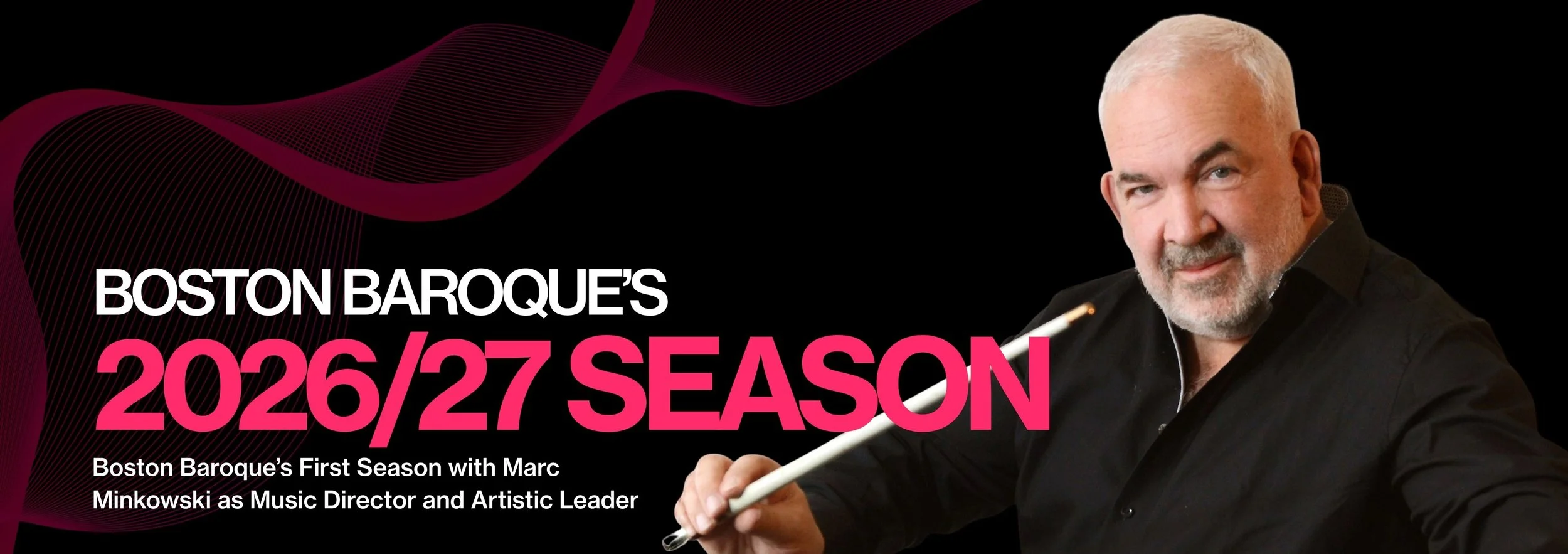
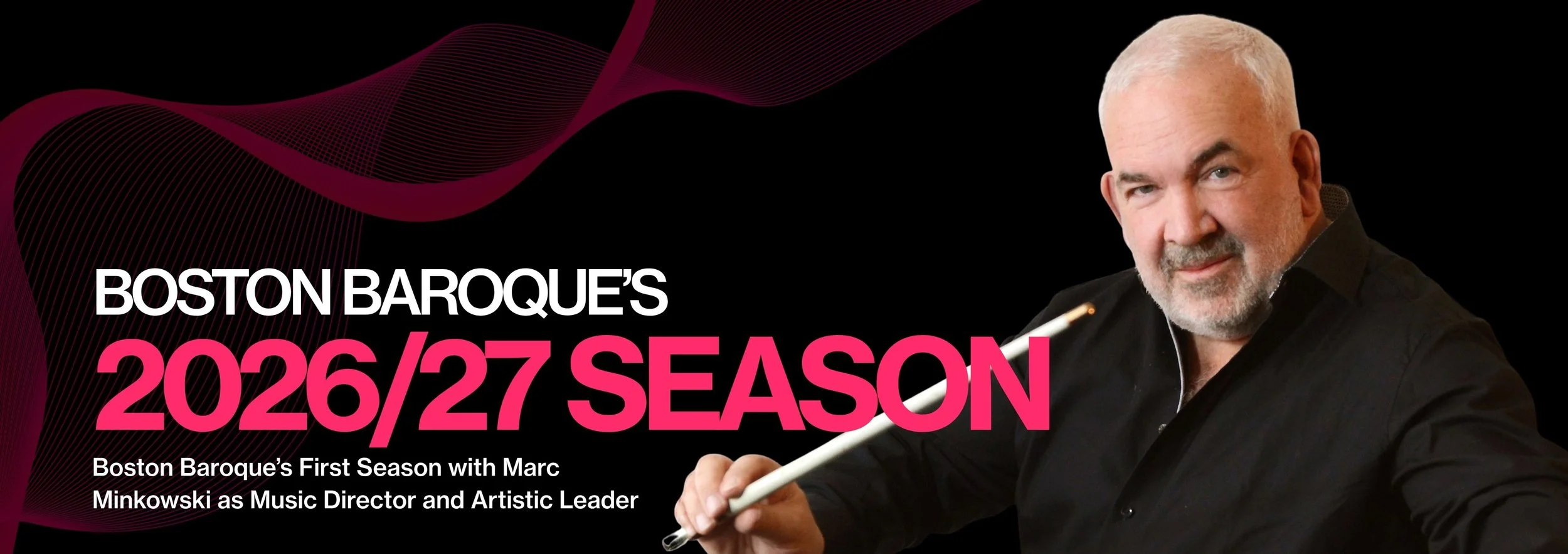
Boston Baroque has announced its highly anticipated 2026-27 season, a meticulously curated program designed to captivate audiences with seminal works of the Baroque and Classical eras, alongside compelling operatic narratives. The season promises a rich tapestry of musical exploration, featuring acclaimed conductors and a selection of the repertoire’s most profound and beloved compositions. This forthcoming season marks a significant chapter for the esteemed early music ensemble, setting the stage for a year of artistic excellence and profound musical engagement.
The season commences with a monumental performance of Joseph Haydn’s The Creation on September 20, 2026. This oratorio, a cornerstone of the classical repertoire, depicts the biblical story of the creation of the world as narrated in the Book of Genesis, with texts compiled from the Bible and Milton’s Paradise Lost. Haydn’s masterful depiction of the cosmos, from the initial chaos to the formation of light, the celestial bodies, and the creation of Adam and Eve, is renowned for its expansive scope, vibrant orchestration, and deeply spiritual resonance. Boston Baroque’s presentation of this work will undoubtedly showcase the ensemble’s virtuosity and interpretative depth in tackling one of the most significant choral works ever composed. The sheer scale and complexity of The Creation, with its intricate choral passages and demanding solo vocal parts, require a highly skilled ensemble, and Boston Baroque has consistently demonstrated its capacity to meet such challenges. The choice to open the season with this work signals an intent to present music of profound significance and broad appeal, setting a high bar for the remainder of the year.
As the holiday season approaches, Boston Baroque will present George Frideric Handel’s enduring masterpiece, Messiah, on December 12 and 13, 2026. This beloved oratorio, a staple of Christmas celebrations worldwide, is celebrated for its jubilant choruses, such as the iconic "Hallelujah," and its deeply moving arias and recitatives that trace the life, death, and resurrection of Jesus Christ. Conducting this cornerstone of the holiday repertoire will be Christoph Koncz, an artist whose insights into Baroque music have garnered international acclaim. Koncz’s leadership promises a fresh yet historically informed interpretation of Handel’s monumental work. The tradition of performing Messiah during the festive season is deeply ingrained in many cultures, and Boston Baroque’s rendition is expected to be a highlight, offering a profound spiritual and musical experience. The ensemble’s commitment to historical performance practices ensures that audiences will hear Messiah as Handel likely intended, with period instruments and a nuanced understanding of the stylistic conventions of the era. This will allow for a vibrant and authentic portrayal of the oratorio’s emotional and theological depth.
The New Year will be ushered in with a special Beethoven-focused concert on a date yet to be announced. This celebratory program will be led by the distinguished conductor Marc Minkowski. While specific details regarding the program are still forthcoming, a Beethoven-centric New Year’s concert typically features some of the composer’s most energetic and optimistic works, such as his overtures or symphonic movements designed to evoke a sense of renewal and grand celebration. Minkowski’s reputation for dynamic and insightful interpretations of the Classical repertoire makes this event a highly anticipated occasion. Beethoven’s music, bridging the Classical and Romantic eras, offers a powerful and often uplifting musical experience, perfectly suited for ringing in a new year with a spirit of hope and artistic vitality. The inclusion of a conductor of Minkowski’s caliber for this event underscores Boston Baroque’s dedication to presenting world-class artistic talent.
February 2027 will see Marc Minkowski return to the podium to lead an exploration of Giovanni Battista Pergolesi’s poignant Stabat Mater. Performed on February 27 and 28, 2027, Pergolesi’s Stabat Mater is one of the most celebrated sacred works of the Baroque period. It sets to music the medieval poem of the same name, which meditates on the sorrows of Mary as she stands at the foot of the cross. The work is characterized by its exquisite melodic beauty, emotional depth, and intimate scoring, often featuring solo voices and a string ensemble. Minkowski’s command of the Baroque idiom is well-established, and his interpretation of this deeply moving piece is expected to be a profound artistic statement, offering a moment of reflection and spiritual contemplation during the Lenten season. The Stabat Mater is a testament to Pergolesi’s genius, showcasing his ability to convey profound emotion through deceptively simple yet elegantly crafted music. Its enduring popularity speaks to its universal appeal and its capacity to touch the hearts of listeners across centuries.
The season culminates in a spectacular operatic double bill in April 2027, featuring performances on April 23 and 25. Under the direction of Lionel Meunier, Boston Baroque will present two seminal English Baroque operas: John Blow’s Venus and Adonis and Henry Purcell’s Dido and Aeneas. This pairing is particularly significant, as Venus and Adonis is widely considered to be the first English opera, and Dido and Aeneas is arguably the most famous and influential. Venus and Adonis, composed around 1683, is a mythological opera that explores the tragic love affair between the goddess Venus and the mortal Adonis. Blow’s work, though perhaps less frequently performed than Purcell’s, is a crucial work in the development of English opera, characterized by its lyrical beauty and its dramatic intensity. Purcell’s Dido and Aeneas, composed a few years later, is a masterpiece of dramatic storytelling and musical innovation. It tells the tragic story of Queen Dido of Carthage and her doomed love for the Trojan hero Aeneas, featuring some of Purcell’s most powerful and evocative music, including the iconic lament, "When I am laid in earth." This operatic finale offers a unique opportunity for audiences to engage with the foundational works of English opera, presented by a team of artists dedicated to authentic and compelling performance. The choice to present these two works together highlights the lineage and evolution of operatic form in England, showcasing the brilliance of both Blow and Purcell and their contributions to the genre. The dramatic narratives, rich vocal writing, and expressive instrumental accompaniments are sure to make this operatic conclusion a highlight of the season.
The programming for the 2026-27 season reflects Boston Baroque’s ongoing commitment to presenting historically informed performances of repertoire from the Baroque and Classical periods. The ensemble’s dedication to using period instruments, authentic performance techniques, and scholarly research ensures that audiences experience these masterpieces with a clarity and vitality that is often lost in modern interpretations. This approach not only honors the historical context of the music but also offers a unique sonic landscape that is both intellectually stimulating and emotionally resonant. The selection of works, ranging from the cosmic grandeur of Haydn’s The Creation to the intimate sorrow of Pergolesi’s Stabat Mater and the dramatic power of English Baroque opera, demonstrates a broad artistic vision.
Furthermore, the engagement of renowned conductors such as Christoph Koncz and Marc Minkowski signifies Boston Baroque’s standing within the international early music community. These collaborations bring fresh perspectives and interpretive insights, enriching the ensemble’s artistic output and offering audiences the opportunity to hear these iconic works performed at the highest level. The inclusion of figures like Minkowski, known for his electrifying and historically informed interpretations, further solidifies the ensemble’s reputation for presenting world-class musical experiences.
The financial implications of staging such a season are considerable. Early music ensembles, while often highly specialized and drawing dedicated audiences, operate within a competitive funding environment. The success of a season like this hinges not only on artistic merit but also on robust fundraising, ticket sales, and potential grant support. Boston Baroque, with its long-standing history and established reputation, is well-positioned to attract patrons and sponsors who value its commitment to excellence in early music performance. The ensemble’s ability to draw talent of the caliber of Koncz and Minkowski also likely enhances its appeal to donors and foundations.
Looking beyond the immediate artistic and financial considerations, Boston Baroque’s 2026-27 season has broader implications for the cultural landscape of Boston and beyond. By presenting these foundational works of Western classical music, the ensemble contributes to the ongoing preservation and dissemination of cultural heritage. Early music performance plays a crucial role in educating new generations of musicians and audiences about the historical development of music and the evolution of musical styles. The ensemble’s commitment to educational outreach, often a component of season programming, further amplifies this impact, fostering a deeper appreciation for early music among students and the general public. The operatic productions, in particular, offer a gateway into the dramatic and theatrical traditions that underpin much of Western art.
In conclusion, Boston Baroque’s 2026-27 season is poised to be a landmark event, offering a diverse and compelling program that celebrates the enduring power of Baroque and Classical music. With a carefully selected repertoire, distinguished guest artists, and a steadfast commitment to historical performance practices, the ensemble is set to deliver a season of profound musical artistry and lasting impact. The season promises to be a testament to the vibrant and essential role that early music continues to play in contemporary cultural life.