Muhammad Ibadurrohman
In a significant move underscoring the evolving dynamics of the global music industry, Universal Music Group (UMG) chairman and CEO Lucian Grainge recently addressed investors regarding the company’s substantial $775 million acquisition of Downtown Music Group. Speaking for the first time since European regulators granted their approval for the deal, Grainge drew a powerful parallel, likening this latest strategic investment to UMG’s monumental $1.9 billion acquisition of EMI in 2011. His assertion that the Downtown acquisition would be "as transformational" as the EMI deal, which he now describes as "universally acknowledged as one of the most successful and strategically important in the history of the music industry," highlights the profound strategic importance UMG places on expanding its footprint within the burgeoning independent music sector.
Strategic Vision: Grainge’s Bold Comparison and Market Expansion
Grainge’s comparison to the EMI acquisition is not merely rhetorical; it signals a fundamental belief within UMG that the independent segment represents a critical frontier for future growth and influence. The 2011 EMI acquisition was a game-changer, integrating a storied catalog and artist roster into UMG’s formidable empire, solidifying its position as the world’s leading music company. Fast forward to today, the landscape has shifted dramatically, with digital distribution and streaming platforms fueling an unprecedented explosion in independent music creation and consumption. The Downtown acquisition, therefore, is positioned as a strategic pivot to capture this growth, rather than simply consolidating established assets.
UMG’s ambition is clear: to significantly expand its offerings and geographic reach within the high-growth global indie segment. While UMG maintains a strong presence through various imprints, it currently ranks third in this specific market, trailing behind Sony Music’s The Orchard and the France-based Believe. The integration of Downtown Music Group’s diverse businesses is designed to bridge this gap, providing UMG with enhanced capabilities to serve artists and labels at every stage of their careers, particularly those operating outside the traditional major-label framework. This move reflects a broader industry trend where major players are increasingly recognizing the value and potential of the indie ecosystem, moving beyond a purely superstar-centric model.
Deep Dive into Downtown’s Assets: A Multi-faceted Acquisition

The acquisition brings a suite of powerful tools and services under the UMG umbrella, primarily managed through its independent label and artist division, Virgin Music Group. Key among Downtown’s businesses are:
- FUGA: A leading B2B music technology and services company, FUGA provides a comprehensive platform for content management, distribution, and royalty accounting. Its robust infrastructure and global network will significantly enhance Virgin Music Group’s ability to serve its label and artist clients with cutting-edge digital solutions, improving efficiency and expanding reach.
- CD Baby: A pioneer in DIY (Do-It-Yourself) music distribution, CD Baby offers a platform for independent artists to upload their music to digital streaming services worldwide. Its extensive user base and simplified approach to distribution represent a direct pipeline to the grassroots of music creation, allowing UMG to tap into a vast pool of emerging talent.
- Songtrust: A global music publishing administration platform, Songtrust helps songwriters and publishers manage their copyrights, collect royalties, and register their works across numerous territories. This addition strengthens UMG’s publishing administration capabilities within the indie space, offering a crucial service to artists who often struggle with the complexities of rights management.
These assets collectively provide UMG with a more holistic and competitive offering in the independent sector, ranging from advanced B2B distribution to direct-to-artist services and comprehensive publishing administration. This multi-pronged approach allows Virgin Music Group to cater to a broader spectrum of independent creators, from small labels needing sophisticated distribution to individual artists seeking direct access to global platforms.
The Architects of Integration: Virgin Music Group’s Leadership
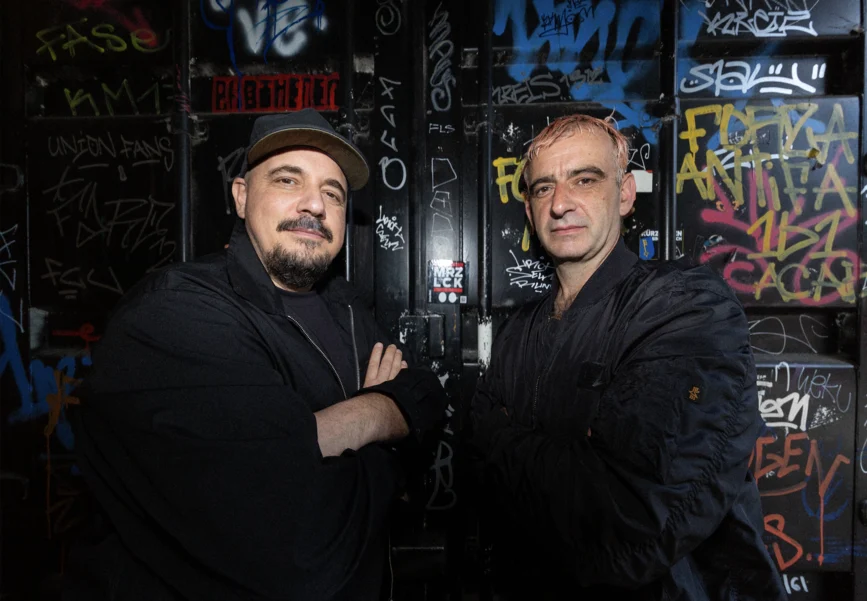
The arduous task of integrating Downtown’s diverse businesses into UMG’s independent label and artists division falls upon Nat Pastor and J.T. Myers, the co-CEOs of Virgin Music Group. This entrepreneurial duo brings a wealth of experience, having started their careers separately in investment banking before moving to Warner Music Group. Their journey then led them to co-found mtheory, a management firm that specialized in partnering with artists in non-traditional ways, producing tours, striking direct deals with nascent digital service providers, and releasing records for artists like Diplo and Skrillex during a transformative period for the independent space.
UMG’s acquisition of mtheory in 2022 was a foundational step, making it the backbone of Virgin Music Group and entrusting Pastor and Myers with overseeing Ingrooves and Virgin. Their unique background, spanning investment, major labels, and independent artist management, provides them with a 360-degree understanding of the artist-label ecosystem. This comprehensive perspective is crucial for navigating the complexities of integrating Downtown’s assets while maintaining an artist-centric approach. Pastor and Myers envision a future where Virgin Music Group, empowered by Downtown, can support artists of all sizes, a process they acknowledge will take years but promises "immense and vast" upside.
Addressing the "Middle-Class" Artist Economy: A New Paradigm

A central tenet of Pastor and Myers’ strategy is the empowerment of the "middle-class" artist. Nat Pastor articulated this vision to Billboard, stating, "We’ve seen an explosion in the independent space largely driven by the growth in the sort of middle-class artists [who] are making enough money to have a career in music but aren’t superstars." He emphasized Virgin Music Group’s strong position to "empower and continue to fuel that part of the business, not even [to help] the next Sabrina Carpenter, but rather [to create] 10,000 more career artists… who have real careers and opportunity."
This focus reflects a significant shift in the music industry’s economic model, largely driven by streaming. While the industry still celebrates global superstars, the digital era has democratized access to distribution and audience, creating a viable ecosystem for artists who may not fill stadiums but can sustain a career through dedicated fanbases and consistent releases. These "middle-class" artists are the bedrock of the independent sector, often relying on efficient distribution, transparent royalty collection, and robust marketing support to thrive. By targeting this demographic, UMG, through Virgin, aims to cultivate a broader and more resilient artist base, diversifying its revenue streams and fostering long-term growth. This approach contrasts with the traditional major-label focus on high-risk, high-reward investments in a few potential blockbusters.
The CD Baby Conundrum: A Strategic Reversal and Its Rationale
The inclusion of CD Baby in the Downtown acquisition marks a notable strategic reversal for Virgin Music Group’s leadership. J.T. Myers initially expressed skepticism about adding a DIY upload service, questioning its purpose. "At the time, the answer was, ‘To what end?’ There is so much data. We didn’t need to own an aggregator to see what was bubbling up. That remains true," Myers recounted. His concern stemmed from the potential for such platforms to prioritize quantity over quality, embracing "customers that aren’t real artists or have a different motivation," including "AI-generated background noise." Myers explicitly stated, "I don’t like a business where you’re making money by charging people more than they generate in royalties."
However, the strategic value of CD Baby ultimately outweighed these initial reservations. Myers acknowledged a "real opportunity there," recognizing an "emergent class of creators who are making a living for the first time." The shift in perspective lies in leveraging CD Baby not merely as an upload service, but as a platform to offer added value beyond basic distribution. With advancements in AI, Myers sees potential for deploying "tools that you can deploy at scale to add value beyond just releasing music," transforming the DIY platform into a more comprehensive artist service hub. This signifies a move from passive aggregation to active artist development and support within the DIY space.
Combating Fraud and Ensuring Integrity in DIY Distribution

A critical aspect of operating a DIY distribution service like CD Baby is the pervasive issue of fraud. The ease of uploading music has unfortunately led to the proliferation of "slop factories"—entities that exploit the system with AI-generated content, fake streams, and other illicit means to skim royalties from legitimate artists. Myers acknowledged this serious concern, stating, "We are very careful about the trust and safety elements. We’re not excited about AI slop factories using a laissez-faire entrance into the system to skim money from real artists."
Fortunately, Downtown Music Group had already made significant strides in combating this issue. Myers highlighted that a "big area of our diligence process [was] understanding how Downtown approached that, and they had done an amazing job with technology, tools and other means policing that stuff quite well." Virgin Music Group plans to build upon these existing strengths, continuously developing new tools in what Myers describes as a "constant cat and mouse game."
Pricing strategy is also a key weapon in this fight. Myers explained that CD Baby’s revenue-share model, as opposed to an unlimited upload subscription for a flat fee, naturally disincentivizes bad actors. "If you’re a slop factory, you’re going to choose to go somewhere that’s not going to take 9% of your revenue. You’re going to go to the lowest cost provider," he noted. Nat Pastor further emphasized UMG’s industry leadership in addressing fraud, with Lucian Grainge himself spearheading initiatives to evolve industry standards. This top-down commitment provides Virgin Music Group with significant resources and support to maintain the integrity of its platforms, ensuring that revenue generated benefits genuine artists. The margins on CD Baby, while lower than traditional record label margins, are consistent with other businesses in the sector, indicating a sustainable and healthy operational model.
Operational Synergies and UMG’s Broader Ecosystem
A significant advantage for Virgin Music Group in this integration is its affiliation with Universal Music Group’s vast infrastructure and expertise. While Virgin operates as a "self-contained, global organization with our own digital and physical supply chains," it benefits immensely from being "under the umbrella and in the shadow of the biggest, most influential music company in the world," as Pastor described. This unique position allows Virgin to maintain its independent spirit and agility while leveraging UMG’s considerable resources.
A prime example of this synergy is the close collaboration with Michael Nash’s digital team at UMG. J.T. Myers and Nat Pastor engage with Nash and his team multiple times a week on critical matters such as "policy decisions, thinking about how to structure the next deal with the next music company." This direct line provides Virgin Music Group with an invaluable opportunity "to give the independent perspective on those decisions and negotiations," ensuring that the needs and challenges of independent artists and labels are considered at the highest levels of industry policymaking and deal-making. This access to UMG’s clout and expertise strengthens Virgin’s ability to advocate for its diverse client base and navigate complex industry challenges.

The Evolving Landscape of "Independence": Redefining the Boundaries
The concept of "independence" in the music industry has undergone a radical transformation over time, and UMG’s ownership of Virgin Music Group, which serves independent labels, further blurs these lines. The recent news of BMG and Concord merging into a single entity further complicates this definition, prompting questions about who constitutes a competitor in this new landscape.
Nat Pastor acknowledges this fluidity, stating, "We’re all leading experts in this field and we are not totally sure whether we’re competitors with a new BMG Concord." He emphasizes the positive implications of this evolving ecosystem: "There’s so much choice. Back in the days when I started my career in music, there were only a few doors you could enter if you wanted to have success as an artist. Today, those lines being so blurry is one reason that we feel so strongly that it’s the best time ever to be an artist."
This perspective highlights a fundamental shift from a gatekeeper model to an empowerment model. While a company like Virgin Music Group is ultimately owned by a major, its operational philosophy, leadership, and service offerings are deeply rooted in supporting artists who seek autonomy and control over their careers. The goal is to provide independent artists with the resources, reach, and technological advantages traditionally associated with major labels, without necessarily requiring them to conform to a major-label structure. This proliferation of pathways and choices, according to Pastor, is "net positive for the whole music industry," fostering innovation and diverse artistic expression.
Long-Term Outlook and Industry Implications
The acquisition of Downtown Music Group by Universal Music Group represents a significant strategic maneuver with far-reaching implications for the music industry. It signals a robust commitment from the world’s largest music company to not only maintain its dominance but also to aggressively grow its share in the independent sector. This move will undoubtedly intensify competition with existing indie powerhouses like Sony’s The Orchard and Believe, pushing all players to innovate further in artist services, technology, and global reach.

For artists, particularly those in the "middle class" segment, this acquisition promises enhanced tools, broader distribution, and more sophisticated rights management solutions. The focus on combating fraud and ensuring ethical practices in DIY distribution, spearheaded by UMG, could lead to a cleaner and more trustworthy ecosystem for emerging creators. Furthermore, the integration of AI tools for value-added services beyond basic distribution could unlock new opportunities for artists to connect with fans and monetize their work.
Ultimately, UMG’s investment in Downtown Music Group, guided by the experienced leadership of Nat Pastor and J.T. Myers, is poised to redefine the relationship between major labels and the independent music community. It suggests a future where the lines between "major" and "indie" continue to blur, driven by a shared goal of empowering artists and expanding the global music economy. This transformational acquisition is not just about market share; it’s about shaping the future infrastructure that supports the next generation of musical talent.



![Sijya announces Leather and Brass [Retrofitted] EP, shares Do I Know [Rachika Nayar Edit]: Listen](https://empire-music.net/wp-content/uploads/2026/09/sijya-announces-leather-and-brass-retrofitted-ep-shares-do-i-know-rachika-nayar-edit-listen.webp)