Mia Khoirunisa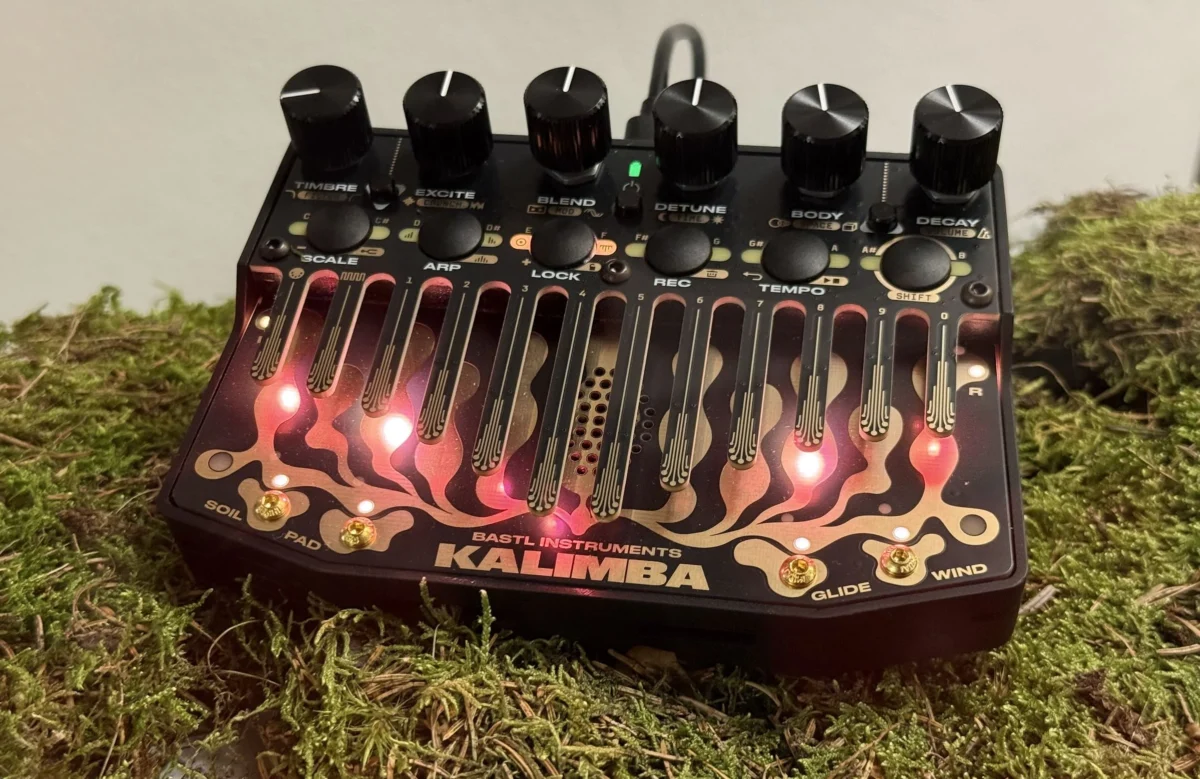
Superbooth 2026 has concluded, and the "Best of Show" title is an unambiguous declaration. The Bastl Kalimba, a groundbreaking instrument developed by the Czech Republic-based Bastl Instruments, has emerged as the undisputed leader. Its innovative fusion of tactile, acoustic interaction with sophisticated digital synthesis and sensing capabilities represents a significant leap forward in electronic musical instrument design, challenging conventional notions of what an electronic instrument can be.
The visionary behind this project is Václav Peloušek, also known by his artist moniker Toyota Vangelis, whose distinctive artistic persona is mirrored in the unique branding surrounding this endeavor. Peloušek and his team at Bastl are not merely revisiting established instrument design principles; they are actively demonstrating that electronic music creation need not abandon the rich heritage of physical interaction or disregard the profound influence of traditional musical forms. In an era where technological advancements often lead to abstraction and detachment, the Bastl Kalimba champions a return to tangible engagement, proving that electronic instruments can be as deeply physical and expressive as their acoustic predecessors. This resurgence of focus on instrument design is particularly relevant as musicians explore new avenues for sonic expression, much like the continuous evolution of keyboard instruments. The Bastl Kalimba illustrates the vast, untapped potential for invention in the realm of electronic music hardware.
The overwhelming reception of the Bastl Kalimba is vividly underscored by its crowdfunding campaign. As of this report, the Kickstarter initiative has surged towards three-quarters of a million Euros, having not only surpassed its initial funding goal by a tenfold margin but doing so before Superbooth 2026 even concluded. This remarkable financial success is a clear indicator of the market’s strong appetite for instruments that prioritize a deeply engaging, hands-on user experience.
Bridging the Digital Divide: Physicality in the Age of Automation
In contrast to trends that lean towards automated music creation and the potential homogenization of sound through big-data AI, the Bastl Kalimba offers a powerful counter-narrative. It exemplifies how electronic instruments can serve as a conduit for deeply personal and uniquely creative expression, fostering an environment where "expressive, creative weirdness that’s all your own" can flourish. The instrument’s design philosophy directly confronts the notion that digital music-making must inherently be less physically engaging than traditional methods.
A Legacy Reimagined: The Ancient Roots of the Kalimba
The Bastl Kalimba draws inspiration from a lineage of instruments with profound historical significance. The kalimba, also known by various names such as mbira or thumb piano across different African cultures, boasts a history stretching back millennia. The fundamental metallic tine plucking mechanism, a core element of the kalimba, has been traced back approximately 1300 years. While a comprehensive exploration of the instrument’s complex colonial history is a subject for separate inquiry, it is undeniable that this class of instruments possesses an exceptionally rich and ancient heritage. The inherent ergonomic design, perfectly suited to the human hand and the dexterity of opposable thumbs, has made the mbira a remarkably enduring and intuitive instrument. Bastl Instruments has astutely preserved this fundamental two-directional, interlaced pitch structure in the Bastl Kalimba, even when employing alternate tunings, ensuring that the instrument retains its ancestral connection to playability.
The Anatomy of Innovation: Interface, Sensors, and Sound Engines
The genius of the Bastl Kalimba lies in its sophisticated integration of diverse technological components, creating a cohesive and profoundly interactive musical tool.
The Tactile Interface: More Than Just Tines
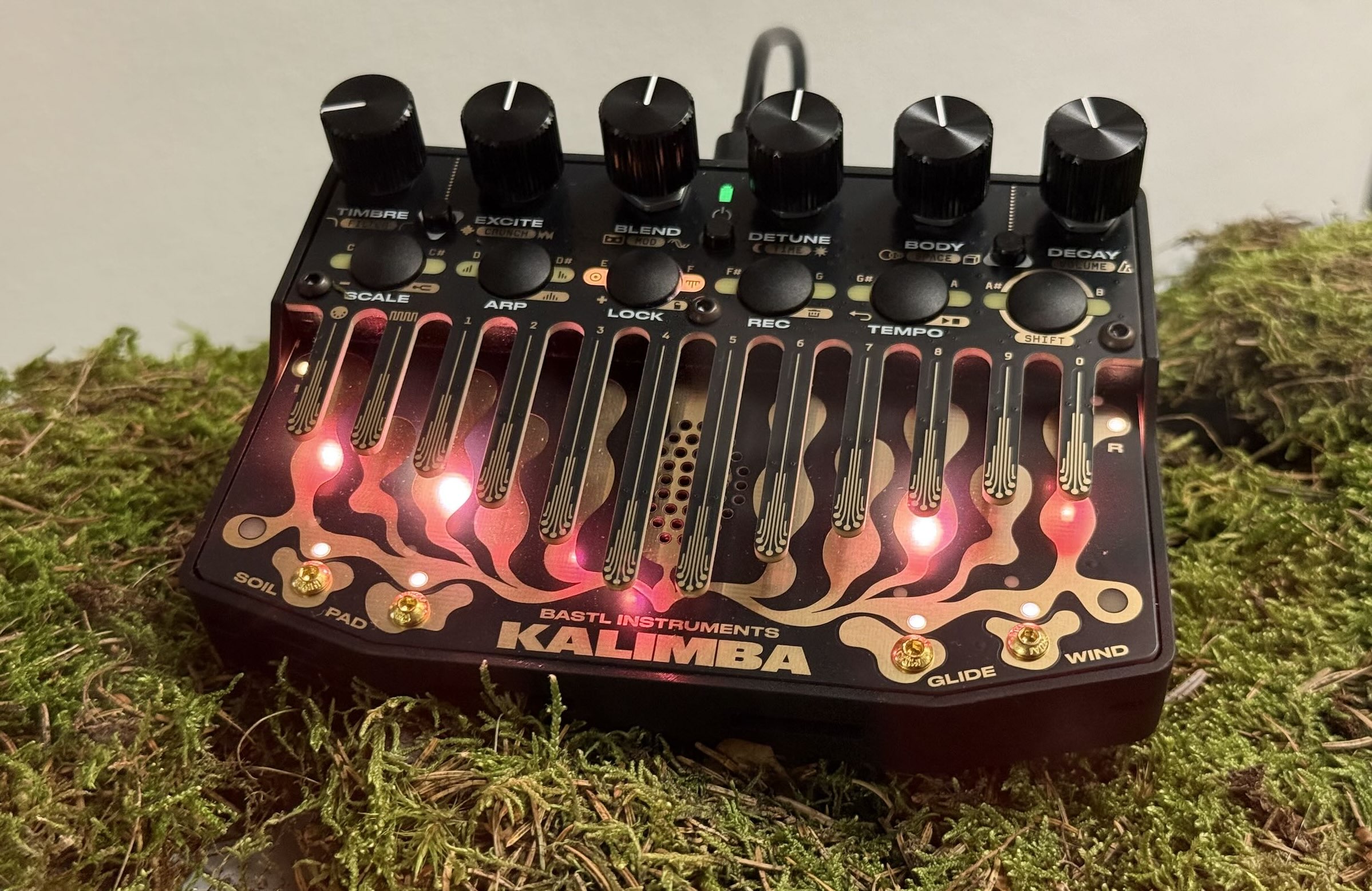
While the instrument features familiar metallic tines, these serve as acoustic interfaces rather than direct sound producers. The sound generation is entirely digital, a crucial distinction. The interface is multifaceted, incorporating internal microphones that capture subtle nuances of interaction. Beyond the tines themselves, touch-sensitive areas are strategically placed, allowing for a spectrum of playing techniques. Much like custom-built contact microphone devices, users can "strum" and "strike" the casing and tines, enabling a variety of playing styles: plucking (traditional kalimba technique), touching (evocative of other electronic touch instruments), and percussive knocking.
Advanced Sensing for Expressive Control
The Bastl Kalimba is equipped with an array of sensors that expand its expressive potential exponentially. An onboard accelerometer allows for gestural control, enabling users to manipulate sound by rotating or tilting the instrument. Furthermore, four touch-sensitive points are integrated into the front panel, a design nod to influential pioneers like Don Buchla, known for his experimental synthesizers. Two additional assignable touch points are located on the rear of the instrument. This comprehensive sensor suite ensures that virtually every surface of the Bastl Kalimba can be utilized for direct musical input, reinforcing the instrument’s commitment to dynamic physical interaction. The assignability of these touch points is particularly significant, as it allows users to tailor the control scheme to their specific creative needs, leveraging the digital sound engine’s flexibility.
Intuitive Parameter Control: Encoders and Shift Functions
Complementing the touch-sensitive elements are a set of intuitive encoders. Six dedicated rotary encoders provide direct access to key parameters, allowing for immediate sonic manipulation. A further six parameters are accessible via a shift function, offering a comprehensive yet manageable control surface. This design choice prioritizes user experience, ensuring that the instrument remains approachable and conducive to spontaneous creation.
The Heart of the Sound: Digital Synthesis Engines
At its core, the Bastl Kalimba houses two distinct and powerful digital sound engines: a physical modeling engine and an FM (Frequency Modulation) synthesis engine. The combination of an "exciter" feeding into the physical modeling engine positions the Bastl Kalimba closer to the innovative work of teams like CHAIR Audio, known for their sophisticated acoustic modeling, rather than instruments that strictly emulate acoustic phenomena. This approach allows for the generation of a vast sonic palette, ranging from organic and resonant tones to complex and evolving timbres. While the absence of a live input pass-through was noted by some observers, the rationale behind this decision—likely to maintain the integrity of the instrument’s core sonic identity and prevent unintended feedback loops—is understood.
A Sonic Counterpoint: Bastl Kalimba vs. Korg Phase 8
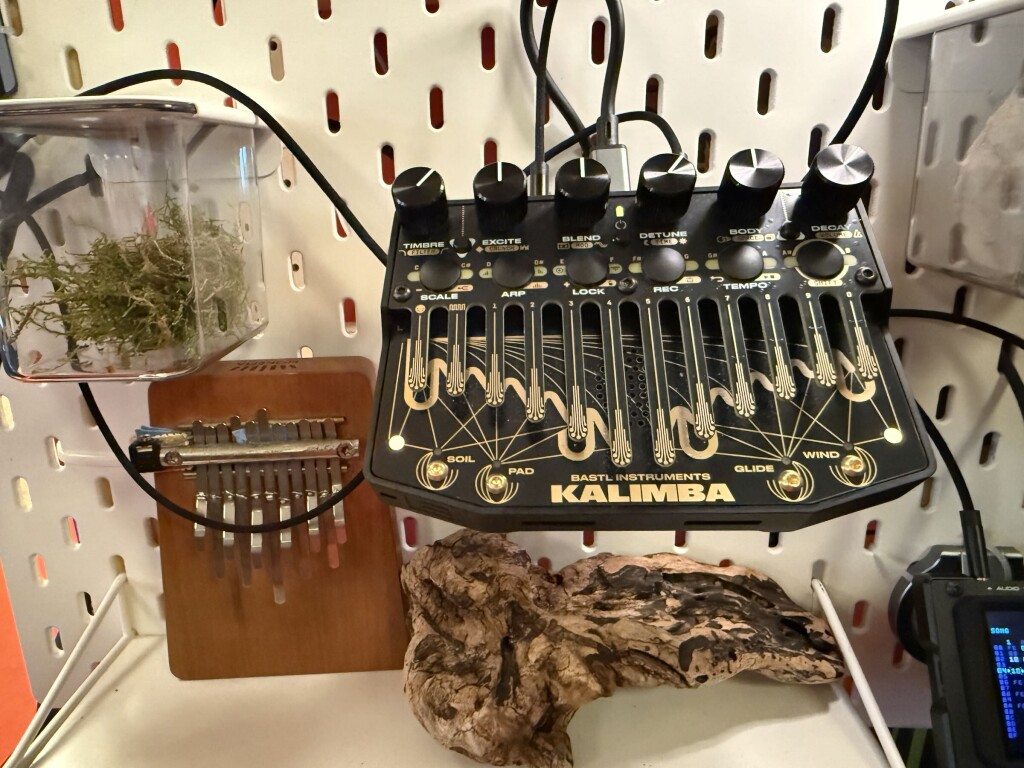
A point of clarification often arises when discussing the Bastl Kalimba: its relationship with instruments like the Korg Phase 8. While both instruments feature metallic tines and an interest in physical interaction, their sonic outputs are fundamentally different. The Korg Phase 8 focuses on manipulating acoustic resonance, pickups, and the physical properties of the tines themselves. In contrast, the Bastl Kalimba utilizes its tines and sensors as input mechanisms for its internal digital sound engines, offering a more precise and digitally sculpted sonic experience. The Bastl Kalimba’s internal design incorporates sophisticated techniques to mitigate feedback issues that might arise from acoustic sensing interacting with its digital sound generation. While the Korg Phase 8 requires manual tuning, a process that can be an interesting aspect of its sound design, the Bastl Kalimba offers the flexibility of digital control over tuning and pitch. These distinct approaches suggest that the two instruments could serve as excellent complementary tools for musicians seeking diverse sonic palettes and playing experiences.
Comprehensive Connectivity and Performance Features
The Bastl Kalimba is not merely a sound generator; it is a fully realized performance instrument with a wealth of integrated functionalities designed for live performance and studio production.
- Arpeggiator: A built-in arpeggiator provides rhythmic and melodic sequencing capabilities.
- Looper: A 90-second looper with time-stretching functionality allows for layering and building complex sonic textures.
- Pitch Adjustment: Octave up/down controls offer extensive pitch manipulation.
- Tempo and Metronome: Integrated tempo control and a metronome facilitate precise timing.
- Onboard Effects: A comprehensive suite of effects includes reverb, delay, bit-crush, overdrive, filtering, and modulation, allowing for extensive sonic shaping.
These features, characteristic of Bastl Instruments’ commitment to performance-oriented design, make the Kalimba an ideal companion for practice, jamming, and live performance.
Portability and Accessories
Weighing a mere 310 grams, the Bastl Kalimba is exceptionally portable. The instrument is offered with a hardshell carry case and a variety of accessories, with configurations varying depending on the chosen bundle. This attention to detail underscores the instrument’s suitability for musicians on the move.
Beyond Western Scales: Custom Tuning and Global Sonic Exploration
A significant aspect of the Bastl Kalimba’s design is its support for custom scales and tunings, deliberately moving beyond the limitations of 12-tone equal temperament. This feature opens up a world of sonic exploration, particularly for musicians interested in microtonal music and non-Western scales. The collaboration with Hany from the Beirut Synthesizer Center, a fellow Prague-based artist, highlights this capability. Hany has integrated a variety of Arabic maqam tunings into the Bastl Kalimba, demonstrating the instrument’s versatility and its potential for authentic cultural expression. The concept of "custom scales" is crucial here, as it acknowledges the fluid and diverse nature of musical traditions, much like variations in culinary practices, where personal interpretation and regional nuances are paramount.
Collaborative Vision and Community Engagement
The development of the Bastl Kalimba has benefited from the contributions of numerous artists and collaborators, including prominent figures like Oliver Torr and Never Sol. This collaborative approach reflects a broader trend in instrument design, where community input and artistic vision converge to create instruments that resonate deeply with musicians.
Accessible Innovation: Kickstarter Campaign and Future Prospects
The Bastl Kalimba remains available through its highly successful Kickstarter campaign, with early bird pricing starting at a deeply discounted 389 EUR. The availability of attractive bundles and merchandise further enhances the value proposition for early adopters. The sheer volume of pre-orders suggests a significant production undertaking for Bastl Instruments, a testament to the instrument’s widespread appeal and the team’s ambitious vision.
In addition to the product itself, Bastl Instruments has produced a comprehensive documentary detailing the journey of the Bastl Kalimba, offering insights into its development and philosophy. This film, alongside the instrument’s innovative design and overwhelming market reception, solidifies the Bastl Kalimba’s position as a landmark achievement in electronic musical instrument design.
The success of the Bastl Kalimba at Superbooth 2026 is more than just an award; it is a definitive statement about the future of musical instrument creation. It champions a harmonious integration of cutting-edge digital technology with the timeless human desire for tactile, expressive, and deeply personal musical interaction. This instrument serves as a powerful reminder that innovation in music technology need not alienate us from the physical world but can, in fact, enrich our connection to it.