Indra Aziz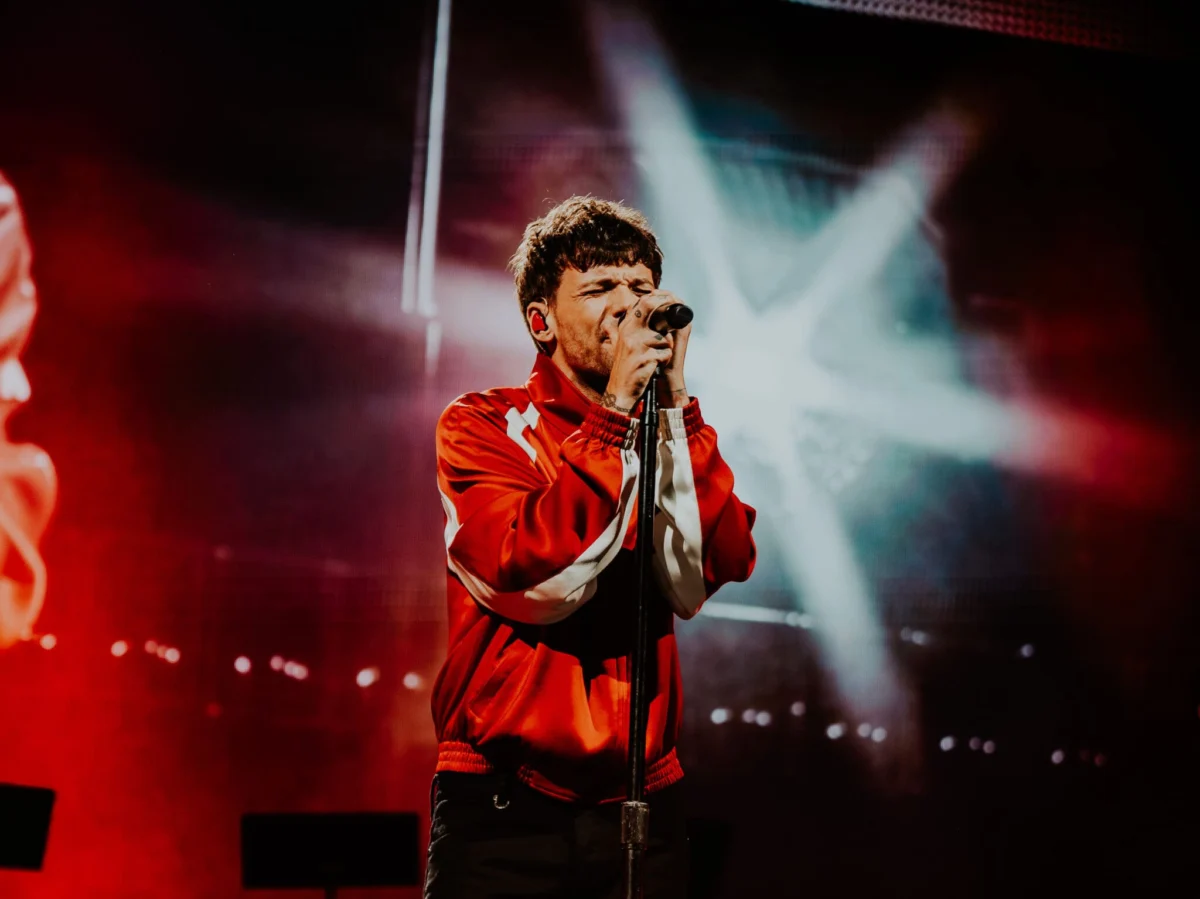
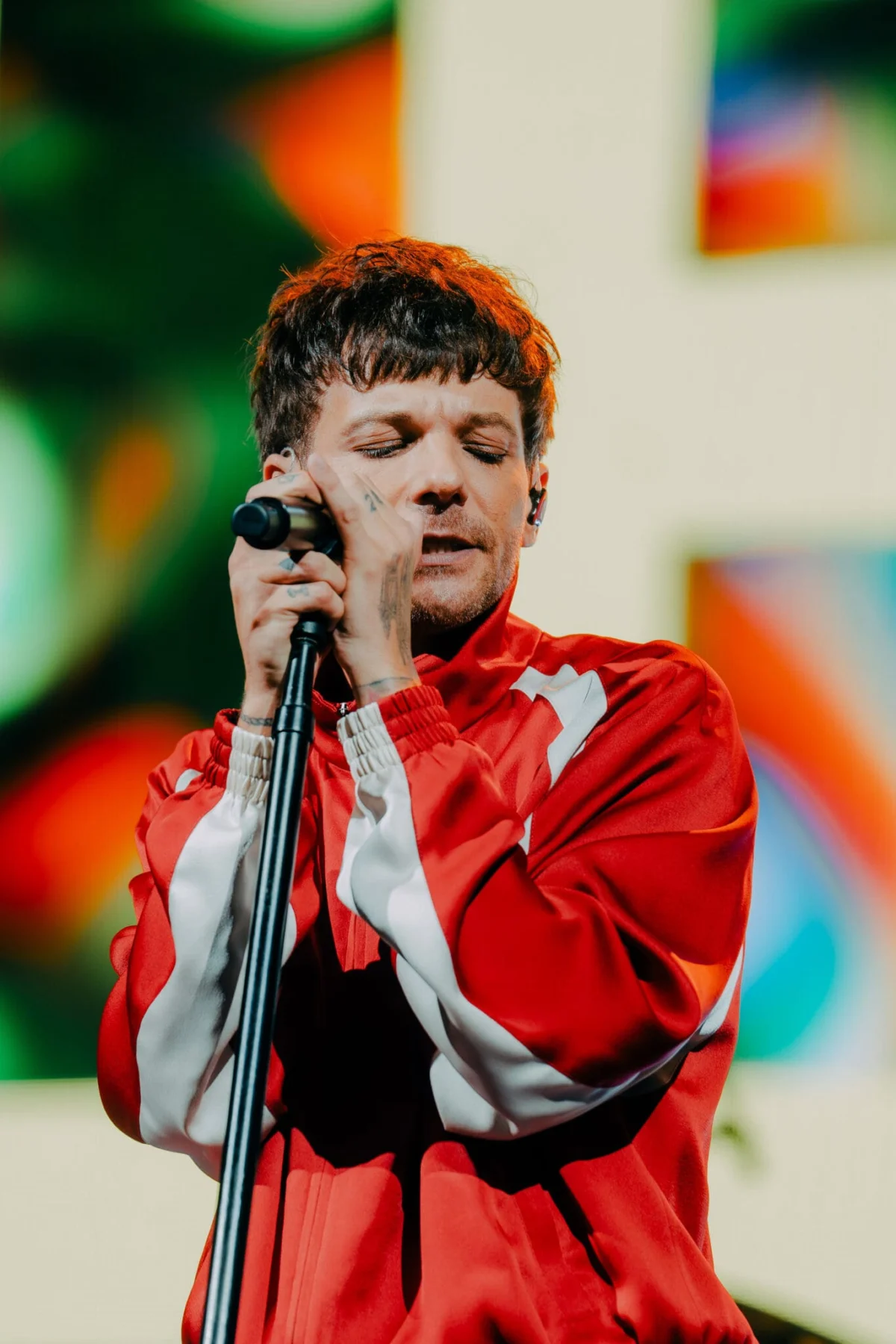
The Brighton Centre played host to a captivating evening with Louis Tomlinson, a performance that transcended mere musicality to become a profound demonstration of connection and shared experience. As the house lights dimmed, a palpable buzz filled the air, a unified sentiment among the audience that spoke not only of shared fandom but also of a collective journey of growth alongside the artist. This sentiment was a recurring theme throughout the night, underscoring Tomlinson’s evolution from his early days to his current standing as a solo artist.
The concert officially commenced with an extended, atmospheric introduction to "Lemonade," the lead single from his critically acclaimed third solo album, "How Did I Get Here?". Released in January of this year, the track was met with an immediate surge of adoration from the crowd, a crescendo of screams that punctuated the visual spectacle of a swirling question mark projected by laser onto the stage’s backdrop. The screens then transitioned to display imagery from the album’s cover art, featuring a distinctive car, before zooming in on Tomlinson himself. His eventual emergence onto the stage, accompanied by his live band, was met with further fervent applause. The song concluded in a jubilant cascade of yellow confetti, setting a celebratory yet grounded tone for the remainder of the evening.
Crucially, Tomlinson’s performance eschewed the highly polished, arena-pop spectacle that often characterizes large-scale concerts. Instead, he deliberately embraced a more grounded approach, a strategic choice that proved instrumental in fostering a deep sense of connection with his audience. This deliberate intimacy was a hallmark of the night, blurring the perceived distance between performer and spectator. Following the opening numbers, Tomlinson paused to directly address the assembled fans. "Thank you, thank you, to every single person in here," he expressed sincerely, before injecting a touch of humor by jesting about having to forgo celebratory drinks with fans in the front row, alluding to his upcoming, significantly larger, O2 Arena date the following evening. This interplay of genuine gratitude and lighthearted banter further cemented the intimate atmosphere, even within the context of a substantial venue.
Despite the larger scale of the gig, the entire experience retained a remarkable sense of intimacy. A mid-set acoustic interlude provided a temporary shift in tempo, allowing for a more contemplative mood. During this segment, "Defenceless," a poignant track from his debut album "Walls," was delivered with a renewed and striking fragility. Even "Just Hold On," an earlier solo offering often associated with its EDM-leaning launchpad for his solo career, was presented with a surprisingly softer, more introspective tone. The Brighton Centre’s venue size meant that the typical elaborate B-stage, often featuring a prominent question mark motif, was absent. Tomlinson instead stood in a line with his band, a configuration he humorously noted reminded him of his boyband origins. Elsewhere in the setlist, "Dark To Light," an emotionally charged ballad widely understood to be a heartfelt tribute to the late Liam Payne, was performed with a quiet reverence that effectively stilled the room, eliciting a collective hush of respect and shared emotion.
Fan Engagement and Collective Experience
The audience’s participation was not merely passive; it was an integral element of the performance’s success. Songs such as "Sunflowers," "Kill My Mind," "The Answer," and "Lucid" were significantly elevated by meticulously planned fan projects. Throughout these tracks, distinct sections of the auditorium illuminated in coordinated color schemes, sunflowers were enthusiastically waved, and phone torches swayed in unison with the music. The presence of pride flags waved throughout the set further underscored the inclusive and accepting nature of the community Tomlinson has cultivated. A palpable sense of togetherness permeated the crowd, and as Tomlinson continuously took moments to gaze out at the audience, it was evident that he was not only performing for them but also deeply absorbing their energy and emotion.
Vocal Performance and Artistic Evolution
A definitive highlight of the set was undoubtedly "Bigger Than Me." Its anthemic, soaring chorus was echoed back with unbridled passion by every voice present. Yet, even amidst this powerful outpouring of collective energy, a subtle sense of vulnerability emanated from Tomlinson. He occasionally pulled back from the more demanding vocal notes or encouraged the crowd to carry the melody. While his vocal prowess might not be characterized by sheer technical power, this moment reinforced a key aspect of his performance style: a prioritization of shared experience and emotional resonance over vocal dominance. He found strength not in unwavering technical perfection, but in tenderness and authenticity. This approach resonated deeply, allowing the audience to feel a part of the narrative rather than mere observers.

The concert culminated with the indie-rock leaning track "Palaces." In a final gesture of connection, Tomlinson descended to the barricade, engaging directly with his fans as more confetti rained down upon the standing section. This closing moment encapsulated the evening’s overarching theme of unity and shared humanity.
Post-Concert Atmosphere and Community Impact
As fans departed the venue, linking arms, clutching merchandise bags, and spontaneously singing One Direction fan-favorite "No Control," the vibrancy and acceptance of the community Tomlinson has built became strikingly apparent. Standing by the seafront, the lingering question posed by his album title, "How Did We Get Here?", felt less like a rhetorical inquiry and more like a profound reflection on the journey shared by artist and audience. This sentiment speaks to the lasting impact of his music and the deep connection he has forged with his fanbase, transforming a concert into a communal experience that resonates long after the final note fades.
Context and Background
The Brighton Centre performance is part of a broader touring schedule for Louis Tomlinson, supporting his latest album "How Did I Get Here?". The album, released on January 19, 2024, has been met with critical acclaim, with many reviewers highlighting its lyrical depth and sonic evolution. The tour, which commenced in early February, has seen Tomlinson play to sold-out crowds across the United Kingdom and Europe, with further dates scheduled for North America and Australia later in the year. This extensive global reach underscores his established presence in the international music scene.
Data from streaming platforms indicates a steady increase in Tomlinson’s solo listenership since the release of "How Did I Get Here?", with key tracks like "Lemonade" and "Bigger Than Me" accumulating millions of streams. This growth suggests a widening appeal beyond his established fanbase, indicating a successful transition and independent artistic establishment. The album’s charting performance, reaching the top 10 in several major music markets, further substantiates its commercial success and the artist’s continued relevance.
Artist’s Intent and Fan Reception
Tomlinson has consistently spoken about his desire to create music that is authentic and relatable, drawing inspiration from his own life experiences and observations. In interviews preceding the album’s release, he emphasized his commitment to songwriting that fosters genuine connection, a principle that appears to be a guiding force in his live performances. The overwhelmingly positive fan reception documented across social media platforms and fan forums indicates that this artistic intent is resonating deeply. Comments frequently praise the intimate atmosphere of his shows, his genuine interaction with the audience, and the emotional honesty conveyed through his music.
Broader Implications for Artist Development
Louis Tomlinson’s trajectory exemplifies a successful transition from a highly successful boyband member to a credible and respected solo artist. His approach, prioritizing authenticity and connection over manufactured pop spectacle, offers a compelling model for other artists emerging from similar backgrounds. By cultivating a strong, engaged fanbase and consistently delivering performances that feel personal and meaningful, Tomlinson is building a sustainable career grounded in genuine artistic expression. The success of "How Did I Get Here?" and its accompanying tour suggests a maturing artistic identity that appeals to both long-time fans and a new generation of listeners drawn to his honest storytelling and raw performance style. The ability to evoke such a profound sense of togetherness in diverse venues speaks to his growing influence as a cultural figure who champions community and shared experience through his art.
Words: Katie Hillier
Photography: Connie Burke @ The O2 Arena, London