Lana Akmaluna
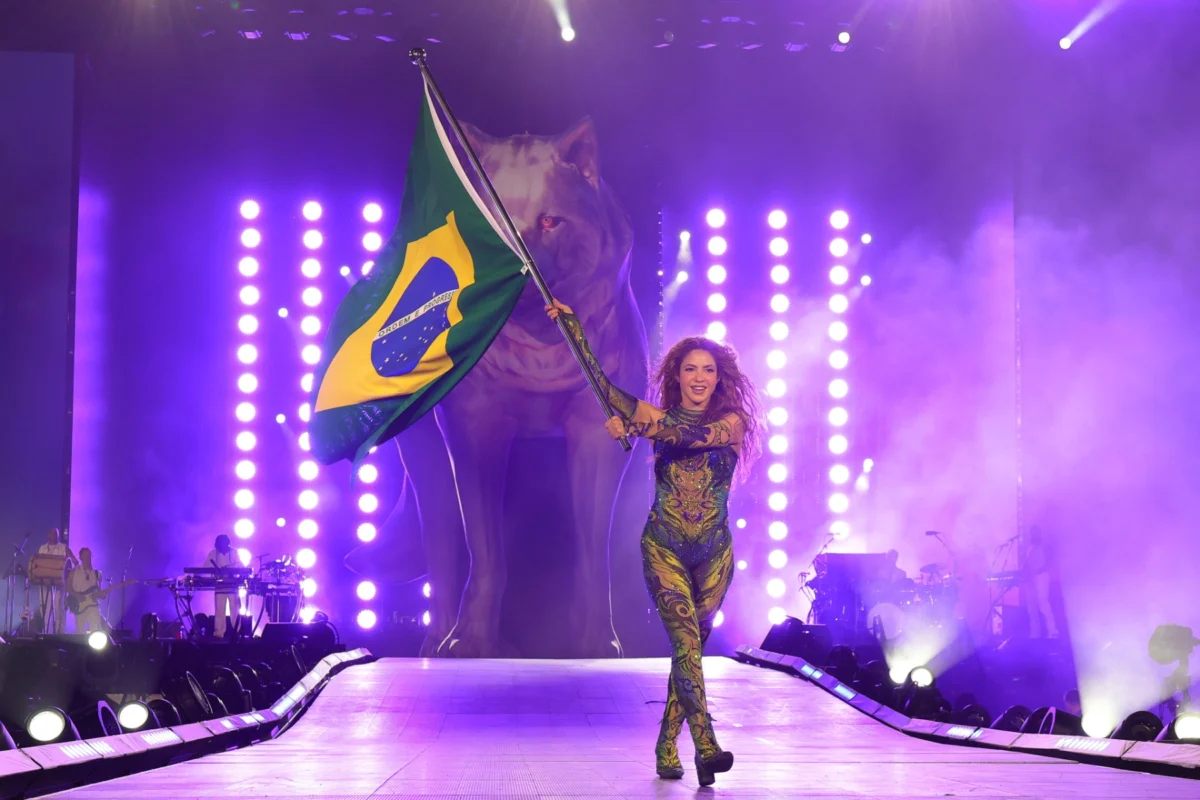
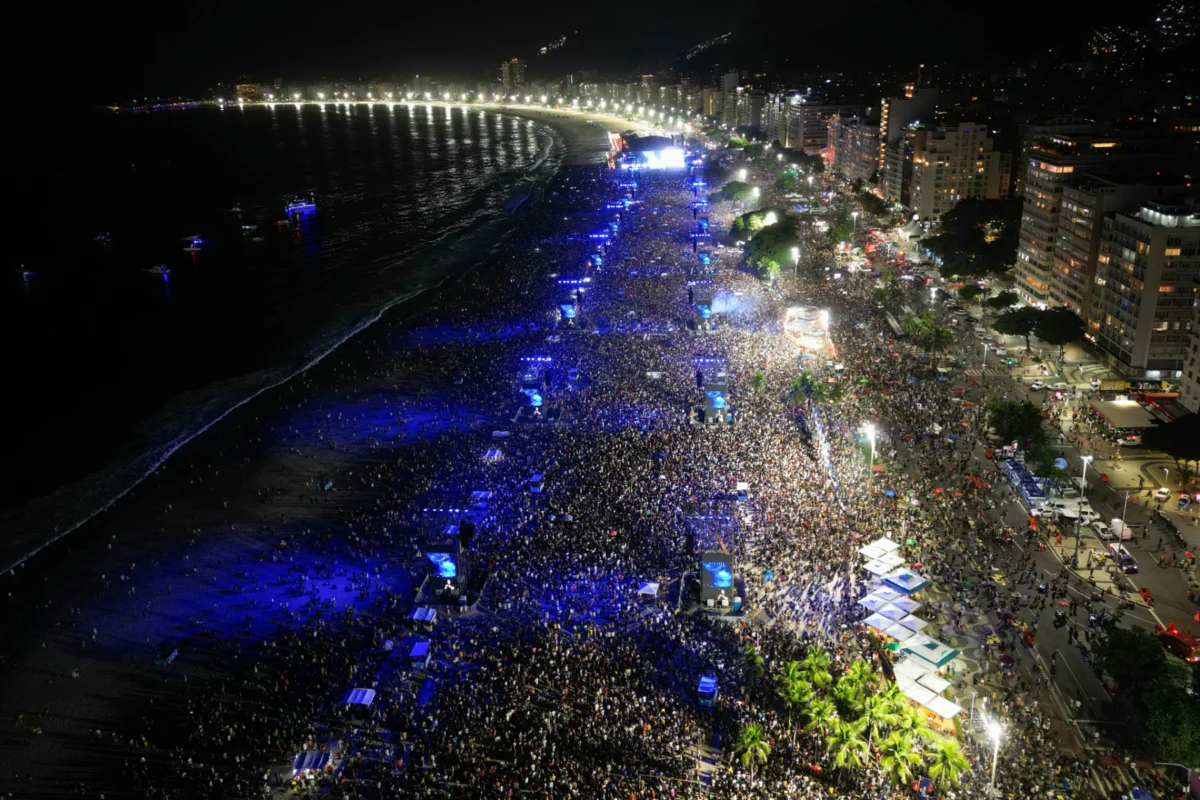
The global pop icon Shakira transformed Rio de Janeiro’s Copacabana Beach into a massive celebration of music and resilience on Saturday night, May 2, drawing an estimated two million people to the historic waterfront. The free performance, which served as a cornerstone of her "Las Mujeres Ya No Lloran" (Women No Longer Cry) world tour, solidified her status as one of the most influential Latin artists in history. Rio de Janeiro Mayor Eduardo Cavaliere confirmed the attendance figures via social media, declaring that the "She-Wolf" had made history in the city, surpassing previous attendance milestones and underscoring the enduring connection between the Colombian superstar and the Brazilian public.
The event took place against the backdrop of the iconic Copacabana Palace and followed a series of high-profile free concerts in the same location, including a record-breaking performance by Madonna in 2024 and a massive show by Lady Gaga the previous year. For Shakira, the night was more than just a promotional stop for her 2024 album; it was a homecoming to a country that played a pivotal role in her early career three decades ago. The massive crowd, which stretched for miles across the sprawling sands, began assembling in the early morning hours, creating an atmosphere of anticipation that peaked as the sun set over the Atlantic.
A Night of Spectacle and Sentiment
The performance was originally scheduled for earlier in the evening but commenced around 11:00 p.m. local time. Despite the delay, the energy of the crowd remained high, erupting into frantic applause and screams as a fleet of skywriting drones ascended into the night air. The drones meticulously spelled out "I love you Brazil" in Portuguese, a gesture that set the tone for an evening defined by mutual affection between the artist and her audience.
Shakira’s setlist was a curated journey through her multi-decade career, blending her early Spanish-language hits with the global English-language chart-toppers that made her a household name. She opened with high-energy choreography, immediately engaging the two million attendees with her signature vocal range and rhythmic precision. Throughout the night, she performed fan favorites including "Hips Don’t Lie," "La Tortura," and "La Bicicleta."
The emotional climax of the show arrived when Shakira addressed the crowd regarding her long-standing relationship with Brazil. Reflecting on her first visit to the country in the mid-1990s, she noted, "I arrived here when I was 18 years old, dreaming about singing for you. And now look at this. Life is magical." This sentiment resonated deeply with older fans who have followed her since her "Pies Descalzos" era, as well as younger generations who discovered her through her recent viral collaborations.
The concert concluded with a powerful rendition of "BZRP Music Sessions #53," a track that has become an anthem of female empowerment following her highly publicized separation from Spanish soccer player Gerard Piqué. Before the final notes, Shakira took a moment to celebrate the strength of women, stating, "Us women, every time we fall we get up a little wiser."
Chronology of the Event and Fan Dedication
The logistical scale of the concert required days of preparation and a massive mobilization of city resources.
- Friday, May 1: Early fans and street vendors began occupying spots on the beach nearly 30 hours before the scheduled start time. Vendors reported stocking up on thousands of units of water, beer, and snacks, anticipating the largest crowd since the 2024 New Year’s Eve celebrations.
- Saturday Morning, May 2: By 10:00 a.m., the sand directly in front of the main stage was completely occupied. Security cordons were established by the Rio de Janeiro Military Police to manage the flow of people coming from the metro stations and surrounding neighborhoods.
- Saturday Evening: As the 11:00 p.m. start time approached, the humidity and heat of the Rio night did little to deter the millions of fans. The "Copacabana Palace" hotel, which has hosted royalty and rock stars for a century, served as the VIP backdrop for the stage, which featured state-of-the-art lighting and sound systems designed to reach the back of the massive crowd.
- Post-Concert: Following the final encore, the city’s operational plan went into full effect to ensure the safe dispersal of the two million attendees. Public transit ran on an extended schedule, and cleaning crews began the monumental task of restoring the beach by dawn.
Fan dedication was a recurring theme of the night. Wanderson Andrade, a 30-year-old architect from Goiana, flew across the country specifically for the event. Having failed to secure tickets for her previous tour, Andrade described the free concert as a "dream come true," even showing off a wolf tattoo inspired by the singer. Similarly, street vendors like Simone Paula da Cunha worked through exhaustion to witness the show, recalling Shakira’s early days in the 1990s when she still performed with her natural black hair.
Economic Impact and Urban Strategy
The free concert was not merely a cultural event but a calculated economic maneuver by the Rio de Janeiro City Hall. Mayor Cavaliere has been a vocal proponent of using mega-events to stimulate the local economy during the "shoulder seasons"—the periods between the major draws of Carnival and the Saint John’s Day celebrations in June.
According to a comprehensive study conducted by City Hall and Riotur, the municipality’s tourism company, Shakira’s performance was projected to generate approximately 777 million reais (roughly $155 million USD). This influx of capital stems from increased hotel occupancy, restaurant revenue, and retail spending by both domestic and international tourists.
The Mayor’s office provided data indicating a significant surge in tourism compared to previous years:

- In May 2024, the city saw a 34.2% increase in visitors on the day prior to the concert compared to the same date in 2023.
- By May 2025 (looking back at the trend of these annual mega-concerts), the growth hit a staggering 90.5% increase in tourist arrivals compared to the 2023 baseline.
"For us, parties are serious business," Mayor Cavaliere stated during an operational briefing. "Parties generate jobs, income, development, and identity for the city. Our investment in this show will give us a financial return 40 times greater than the initial cost."
The short-term rental market also saw a substantial boost. Airbnb reported in late April that bookings for the weekend of the concert surged, with guests traveling from as far as London and Paris, as well as neighboring Latin American countries.
Cultural Analysis: The Latino Connection
The significance of Shakira’s performance extends beyond attendance records and revenue. Ethnomusicologists and cultural critics pointed to the show as a definitive moment for Latino identity within Brazil—a country that has historically seen itself as somewhat culturally distinct from its Spanish-speaking neighbors due to the Portuguese language.
Felipe Maia, an ethnomusicologist at Paris Nanterre University, noted that Shakira’s success in Brazil is rooted in the deep cultural similarities between Colombia and Brazil. "She established an amazing connection with the Brazilian public in the 90s," Maia explained. "Saturday’s performance crowns a relationship she has had with Brazil for a very long time, bridging the gap through shared rhythms and a common South American heritage."
For many attendees, the concert was an assertion of regional pride. Erica Monteiro, a 38-year-old accountant, highlighted the symbolic weight of Shakira’s presence. "For me, she represents the strength of our Latino community," Monteiro said. "We are often treated as if we were inferior, but in fact, we have much more strength."
Another concertgoer, Hellem Souza da Silva, suggested that the performance, alongside recent shows by artists like Bad Bunny, is helping to consolidate a unified Latino identity in Brazil. She noted that these events make it clear that "America is not the United States," and that Brazil is an integral part of the broader Latin American cultural landscape.
Production and Safety Logistics
Managing a crowd of two million people on a public beach required a sophisticated logistical framework. The Rio de Janeiro municipality deployed thousands of personnel, including police officers, firefighters, and medical staff. Multiple medical tents were stationed along the boardwalk, and "hydration points" were established to provide free water to fans, a safety measure implemented following heat-related incidents at other major concerts in the region.
The stage itself was a marvel of engineering, built to withstand the coastal winds and designed with large-scale LED screens to ensure visibility for fans standing over a mile away. The audio engineering utilized delay towers—synchronized speakers placed at intervals along the beach—to prevent the "echo" effect and ensure high-fidelity sound for the entire audience.
Street vendors played an essential role in the ecosystem of the event. While some sold traditional Brazilian snacks and caipirinhas, others adapted to the specific needs of the massive crowd, selling items such as deodorant, toilet paper, and even small bags of sand intended to give shorter concertgoers a slight elevation for a better view of the stage.
Conclusion and Future Outlook
Shakira’s historic night at Copacabana Beach serves as a testament to the power of free public art and the enduring appeal of a global superstar who has successfully navigated decades of industry change. By drawing two million people to the sands of Rio, she not only broke records but also reinforced the city’s reputation as the world’s premier destination for mega-events.
The success of the "Las Mujeres Ya No Lloran" stop in Rio provides a blueprint for future cultural investments by the city. As the economic data confirms a massive return on investment, it is likely that the "Copacabana Mega-Concert" will become a permanent fixture of the city’s annual calendar. For Shakira, the event was a crowning achievement in a career defined by breaking barriers, proving once again that her music—and her message of resilience—knows no borders.