Nayara Elvina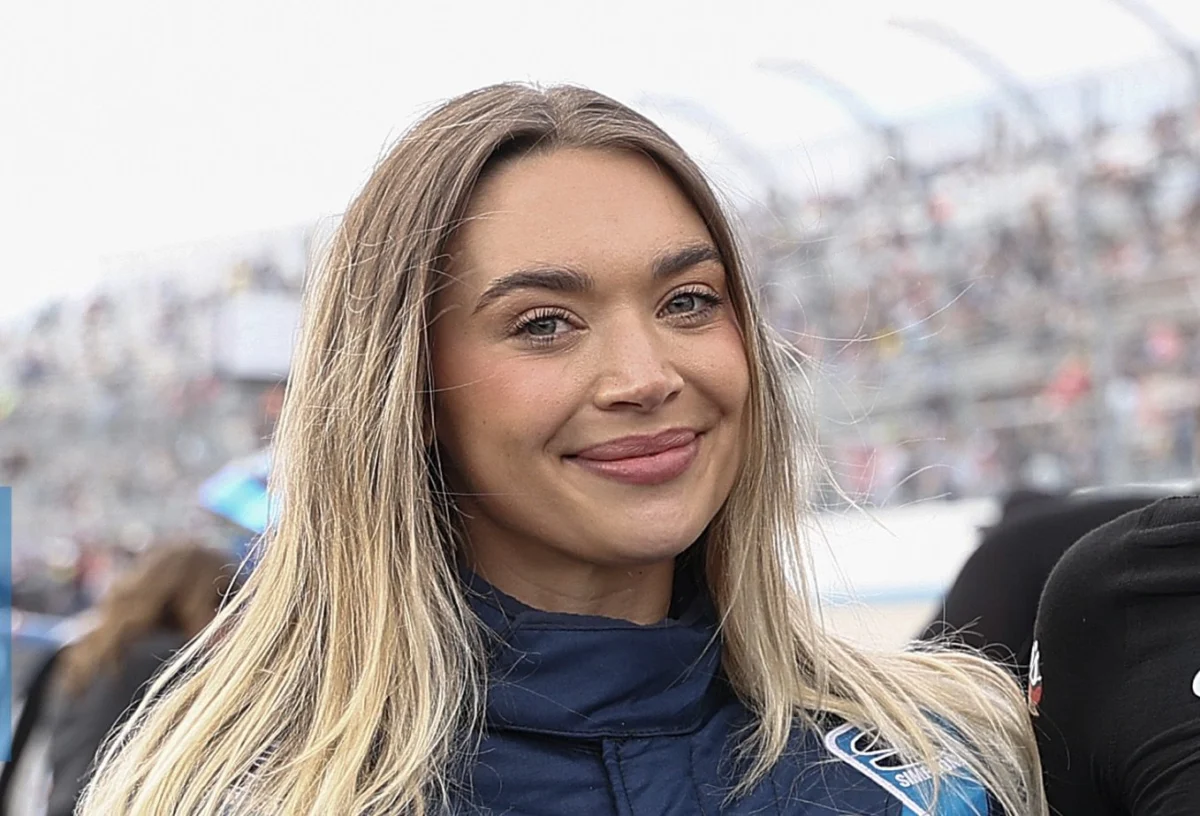
The landscape of the NASCAR Craftsman Truck Series faced a moment of intense emotional transparency during the recent race weekend at Dover Motor Speedway, as part-time competitor Natalie Decker signaled a potential permanent exit from the series. Driving the #22 truck for Team Reaume, Decker’s afternoon at the track nicknamed "The Monster Mile" concluded prematurely following a sequence of on-track penalties and a subsequent emotional breakdown captured over the team’s radio frequency. The incident has sparked a broader conversation within the motorsports community regarding the intersection of driver performance, the pressures of social media scrutiny, and the mental health challenges inherent in high-stakes professional racing.
Technical Difficulties and On-Track Penalties at Dover
The events leading to Decker’s retirement from the race began with a series of technical and procedural infractions. During a critical juncture of the event, NASCAR officials cited the #22 entry for jumping a restart, a violation of the governing body’s strict restart protocols designed to ensure a fair and synchronized return to green-flag racing. This penalty required Decker to serve a pass-through on pit road, significantly hindering her track position.
Compounding the procedural error, Decker’s vehicle struggled to maintain the "minimum speed" required by NASCAR to ensure the safety of all competitors. At high-speed oval tracks like Dover, vehicles moving significantly slower than the lead pack pose a severe hazard to traffic. Consequently, officials issued a black flag, mandating that the #22 truck return to the garage area. It was at this moment that the psychological weight of the season appeared to culminate, leading to a candid and distressed exchange between Decker and her crew.
Radio Communications and Emotional Withdrawal
As the black flag was displayed, Decker keyed her microphone to address her team, led by owner Josh Reaume. In a departure from standard technical feedback, the transmission was marked by raw emotion. "You guys, I’m trying my best to hold my sh-t together but I don’t want to keep doing this," Decker stated, signaling a profound dissatisfaction with her current professional trajectory.
Team owner Josh Reaume attempted to provide a stabilizing presence, offering Decker the autonomy to park the vehicle if she felt unable to continue. Despite the support, Decker’s frustration remained focused on the administrative and competitive environment of the Truck Series. She expressed significant grievances regarding the series’ leadership, stating, "There’s just so many sh—ty things that I could say right now, and I’m just trying to keep it together, about the f—ing director of the series."
The dialogue also highlighted the internal conflict Decker faced regarding her responsibilities to her partners. Her truck featured primary sponsorship from Nico’s Hope for Life Foundation, an organization dedicated to suicide prevention and mental health awareness. This irony was not lost on the driver, who expressed a deep sense of personal failure. "I feel like a f—ing failure if I do that," she told Reaume, while simultaneously predicting that her comments might lead to a formal suspension from the sanctioning body.
A Career at a Crossroads: Truck Series vs. Xfinity Series
The most significant revelation during the radio exchange was Decker’s declaration that she intended to abandon her efforts in the Truck Series entirely. "I’m sorry Josh, I’m not going to come back to the Truck Series," she said. "I’m staying in the O’Reilly Series, this series f—ing sucks."
The "O’Reilly Series" referenced by Decker is a colloquial nod to the NASCAR Xfinity Series, where O’Reilly Auto Parts serves as a prominent event and contingency sponsor. Decker has participated in limited Xfinity Series starts this year, including the season opener at Daytona and a subsequent start at Talladega. In both instances, she recorded 33rd-place finishes. Her preference for the Xfinity Series over the Truck Series suggests a perceived difference in the competitive culture or the technical handling of the vehicles between the two tiers of NASCAR’s national touring series.
Contextualizing the Scrutiny: From Social Media to the Paddock
To understand the intensity of Decker’s reaction at Dover, one must examine the backdrop of her 2024 season. Decker has long occupied a unique and often polarizing space in NASCAR. As a driver with a significant social media following and a background as an influencer, she has frequently been the target of criticism from fans who question her technical credentials compared to her marketing reach.
Earlier this year, Decker faced internal pressure from within the fraternity of female drivers following a promotional photograph with comedian Bert Kreischer. The image, which depicted Decker in a playful pose with her fire suit partially lowered, drew rebukes from peers who argued the imagery undermined the professional standing of women in a male-dominated sport. Decker, however, has consistently defended her right to manage her personal brand and "influencer" status alongside her racing career.
The cumulative effect of this "online hate" was a primary concern voiced during her Dover exit. "The amount of hate I’m going to get online for this is just going to be insane, I’m not ready," she admitted over the radio. This statement underscores the modern reality for professional athletes, where performance failures are immediately amplified by digital platforms, often leading to a cycle of harassment that impacts mental well-being.
Statistical Overview and Career Milestones
Natalie Decker’s career in the NASCAR national series has been a mixture of historic milestones and developmental struggles.
- Truck Series High Point: In 2020, Decker made history by finishing 5th in the season-opening race at Daytona International Speedway. This result marked the highest finish for a female driver in the history of the NASCAR Truck Series, suggesting a high ceiling for her potential on superspeedways.
- Recent Form: In 2024, her transition to Team Reaume in the Truck Series and her limited appearances in the Xfinity Series have failed to produce top-20 results. Her 18th-place finish at Daytona in the 2024 Xfinity race remains her best result of the current calendar year.
- The Dover Challenge: Dover Motor Speedway is statistically one of the most difficult tracks for part-time drivers. The concrete surface and high banking require a precise setup and immense physical stamina. For a driver already struggling with confidence, "The Monster Mile" can be an unforgiving environment.
The Role of Team Reaume and Josh Reaume
The response from Team Reaume during the Dover incident has been noted by analysts as an example of compassionate team management. Josh Reaume, who operates the small-budget team, prioritized the driver’s state of mind over the completion of the race laps. By validating her feelings and offering a safe exit from the cockpit, the team potentially prevented a more serious on-track incident that could have occurred had a distracted driver remained at speed.
Team Reaume often serves as a landing spot for drivers looking to build experience or maintain visibility in the sport. However, the resource gap between independent teams like Reaume’s and "powerhouse" organizations like GMS Racing or ThorSport Racing often puts drivers in a position where they must over-drive the equipment to remain competitive, increasing the likelihood of errors and penalties.
Broader Implications for NASCAR and Driver Mental Health
The Decker incident at Dover arrives at a time when NASCAR is increasingly grappling with the mental health of its competitors. Drivers such as Bubba Wallace and former champions have spoken openly about the depression and anxiety that accompany the "win-or-die" culture of professional motorsports.
Decker’s situation is unique due to her dual role as a mother and an athlete. Having welcomed her first child last year, the logistical and emotional demands of a racing schedule are compounded by the responsibilities of parenthood. The industry has seen a growing number of "racing moms," but the path remains fraught with challenges regarding sponsorship, physical recovery, and time management.
Furthermore, the "influencer-driver" model remains a point of contention in the garage. While Decker brings eyes to the sport and satisfies sponsors like Nico’s Hope for Life, the disconnect between her off-track popularity and on-track results creates a vacuum often filled by vocal detractors.
Conclusion and Future Outlook
As of the conclusion of the Dover race weekend, Natalie Decker’s future in the NASCAR Craftsman Truck Series remains uncertain. While her radio comments indicated a definitive departure, professional sports often see "heat of the moment" decisions walked back after a period of reflection. However, the depth of the frustration expressed suggests a fundamental shift in her career strategy.
If Decker follows through on her intent to focus solely on the Xfinity Series (the O’Reilly Series), she will face a steeper competitive curve but perhaps a different cultural environment. The immediate priority for Decker and Team Reaume will likely be a period of decompression and an evaluation of her mental health resources.
The NASCAR community remains divided on Decker’s performance, but the Dover incident serves as a stark reminder of the human element behind the helmet. Whether she returns to the #22 truck or transitions fully to other racing disciplines, the conversation regarding the treatment of developmental drivers and the impact of digital scrutiny is likely to persist well beyond the current season. For now, the "Monster Mile" has claimed another victim, not through a physical crash, but through the immense psychological pressure of the sport.