Reynand Wu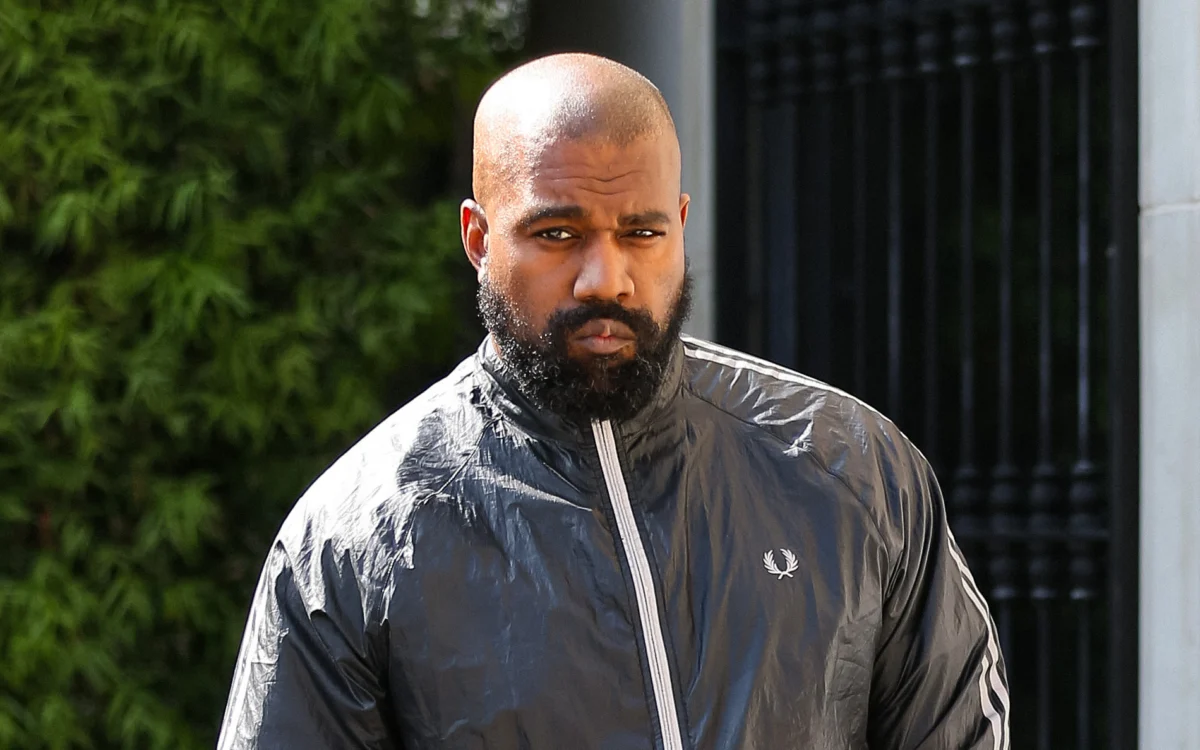
London, UK – The highly anticipated Wireless Festival, a cornerstone of the UK’s summer music calendar, has been abruptly cancelled following the United Kingdom Home Office’s decision to deny entry to its sole headliner, the globally renowned but increasingly controversial artist Kanye West, also known as Ye. The London-based rap and R&B festival made the official announcement in a statement released on Tuesday, April 7th, confirming the immediate cessation of all plans for the event. "As a result of the Home Office banning YE from entering the United Kingdom, Wireless Festival has been forced to cancel. All ticket holders will receive an automatic full refund," the statement read, leaving thousands of fans and industry stakeholders grappling with the sudden turn of events.
The unprecedented move by UK authorities comes amidst escalating pressure from various quarters, including major corporate sponsors, influential campaign groups, and prominent UK political figures, all of whom had voiced profound concerns over the festival’s decision to feature West. The booking had drawn significant criticism given the artist’s well-documented history of antisemitic and pro-Nazi comments, which have garnered widespread condemnation globally over the past several years.
The Home Office’s Decisive Intervention
The Home Office confirmed that Kanye West had submitted an application to travel to the UK on Monday, April 6th, via an Electronic Travel Authorisation (ETA) system. This application, however, was subsequently rejected. The official grounds for denial cited that West’s presence in the country would not be "conducive to the public good," a powerful discretionary clause within UK immigration law. This provision allows the Home Secretary to refuse entry to individuals whose presence is deemed to pose a risk to public order, national security, or whose conduct is considered incompatible with British values. While the Home Office typically does not comment on individual cases, the public nature of the controversy surrounding West made this a highly visible application of their powers. This decision underscores the UK government’s firm stance against individuals who espouse hate speech or divisive ideologies, particularly those that have a history of causing widespread offence and distress.
The "not conducive to the public good" clause has been invoked in various high-profile cases historically, reflecting a commitment to upholding societal norms and protecting vulnerable communities from potential incitement or harm. For an artist of Kanye West’s stature, the application of such a measure for a planned performance at a major cultural event is exceptionally rare and highlights the severity with which his recent rhetoric has been perceived by British authorities. The Home Office’s decision serves as a clear indicator that public figures, regardless of their global renown, are not exempt from the nation’s immigration policies when their past conduct is deemed to pose a threat to public harmony or safety.
A Chronology of Controversy and Cancellation
The journey to Wireless Festival’s cancellation is rooted in a series of highly inflammatory remarks made by Kanye West since late 2022. The controversy ignited significantly in October 2022 when West posted antisemitic comments on social media, including a now-infamous tweet stating he was going "death con 3 on JEWISH PEOPLE." This was followed by public appearances where he expressed admiration for Adolf Hitler and made other deeply offensive statements, including Holocaust denial. These comments led to a rapid and dramatic unraveling of his extensive business empire, with major brands such as Adidas, Gap, and Balenciaga terminating their lucrative partnerships with him, costing him billions and his billionaire status.
Despite this global backlash and the significant professional and personal repercussions, Wireless Festival announced West as its headliner, a decision that immediately sparked widespread criticism. The festival, known for attracting over 150,000 attendees annually, typically curates a diverse lineup of top-tier rap, R&B, and grime artists. West was scheduled to headline all three nights of the festival from July 10th to 12th, a prominent billing that amplified the scrutiny.
- October 2022: Kanye West makes a series of antisemitic and pro-Nazi comments on social media and in interviews, leading to widespread condemnation and the termination of major brand partnerships like Adidas, Gap, and Balenciaga.
- Early 2023: Wireless Festival announces Kanye West (Ye) as its sole headliner for the July event in London. This announcement immediately generates significant public outcry and criticism from anti-hate organizations.
- Weeks leading up to April 2023: Campaign groups, including the Campaign Against Antisemitism and the Board of Deputies of British Jews, intensify calls for the festival to drop West, citing his history of hate speech.
- Days before April 7th: Several major corporate sponsors, including global beverage giant Pepsi, leading online payment platform PayPal, and multinational alcoholic beverages company Diageo, begin publicly withdrawing their support from Wireless Festival, citing West’s controversial views. Prime Minister Sir Keir Starmer publicly labels the booking "deeply concerning," adding significant political weight to the controversy.
- April 6th: Kanye West submits an Electronic Travel Authorisation (ETA) application to the UK Home Office, a standard procedure for non-visa nationals.
- Early April 7th: Kanye West issues a public statement attempting to address the backlash. In the statement, he promises a "show of change" and an intention to "bring unity, peace and love through my music." He also offers to meet with "members of the Jewish community in the UK in person, to listen."
- Mid-April 7th: The Board of Deputies of British Jews responds to West’s statement, indicating their willingness to meet, but crucially stipulates that such a meeting would only occur "after he agrees not to play the Wireless Festival this year."
- Late April 7th: The UK Home Office officially rejects Kanye West’s ETA application, deeming his presence "not conducive to the public good."
- Immediately following ban: Wireless Festival officially announces its cancellation and the automatic refund process for all ticket holders, citing the Home Office’s decision as the direct cause.
Mounting Pressure and Sponsor Exodus
The decision to deny West entry was not made in a vacuum. It was preceded by an intense period of public debate and corporate action that highlighted the increasingly critical role of social responsibility in the entertainment industry. The initial announcement of West’s booking at Wireless Festival, a major event that typically draws tens of thousands of attendees over three days, was met with immediate and fierce opposition. Organisations dedicated to combating antisemitism, such as the Campaign Against Antisemitism, launched petitions and public awareness campaigns, arguing that providing a platform to an artist with West’s history of remarks was irresponsible and harmful. Their argument centered on the potential for West’s appearance to normalize or amplify the hate speech he had previously espoused, causing distress to Jewish communities and wider society.
This public pressure quickly translated into tangible consequences. Several prominent sponsors, including global beverage giant Pepsi, leading online payment platform PayPal, and multinational alcoholic beverages company Diageo, made the decision to withdraw their sponsorship from Wireless Festival. The collective departure of these key corporate partners underscored the significant financial and reputational risks associated with supporting an event featuring a figure deemed too controversial. The loss of these sponsors not only impacted the festival’s financial viability but also sent a powerful message about corporate accountability and the imperative to align with inclusive and ethical values, particularly in an era where consumers increasingly expect brands to take a stand on social issues.
Beyond corporate withdrawals, the political sphere also weighed in. Prime Minister Sir Keir Starmer’s direct comment, calling the booking "deeply concerning," signaled a high-level concern within the government. Such a statement from a national leader adds considerable weight to public sentiment and further solidifies the view that West’s presence was becoming a matter of national interest rather than just artistic choice, directly influencing the environment in which the Home Office made its final determination.
Kanye West’s Prior Attempts at Conciliation
Hours before the Home Office’s definitive ruling, Kanye West had attempted to diffuse the mounting tension with a public statement. In his message, he sought to frame his planned performances at Wireless Festival as an opportunity for reconciliation and positive change. He asserted that his "only goal is to present a show of change" and to "bring unity, peace and love through my music." Furthermore, he extended an olive branch, offering to meet with "members of the Jewish community in the UK in person, to listen." This attempt at dialogue, while perhaps intended to demonstrate a shift in perspective, was met with a cautious but firm response from the Board of Deputies of British Jews. The organization stated their willingness to meet West as part of his "journey of healing," but crucially stipulated that such a meeting would only occur "after he agrees not to play the Wireless Festival this year." This condition highlighted the community’s primary concern that a performance at a major public event would inadvertently normalize or amplify his previous rhetoric, regardless of his stated intentions, thereby causing further harm and distress. Their stance emphasized that genuine contrition needed to be demonstrated through actions, not just words, particularly given the public platform a festival performance would afford.
Festival Republic’s Defense and Dilemma
Prior to the UK ban and the subsequent cancellation, Festival Republic, the company behind Wireless Festival, had mounted a defense of its decision to book Kanye West. Melvin Benn, the managing director of Festival Republic, issued a statement expressing his personal abhorrence for West’s past comments while simultaneously defending the artist’s legal right to perform. "What Ye has said in the past about Jews and Hitler is as abhorrent to me," Benn stated unequivocally. However, he argued that "Ye’s music is played on commercial radio stations in this country. It is available via live streams and downloads in this country without comment or vitriol from anyone and he has a legal right to come into the country and to perform in this country."
Benn’s defense hinged on the distinction between providing a platform for opinions and providing a platform for music. He insisted, "We are not giving him a platform to extol opinion of whatever nature, only to perform the songs that are currently played on the radio stations in our country and the streaming platforms in our country and listened to and enjoyed by millions." He further appealed to the virtues of "forgiveness and giving people a second chance," suggesting that these were "becoming a lost virtue in this ever-increasing divisive world and I would ask people to reflect on their instant comments of disgust at the likelihood of him performing (as was mine) and offer some forgiveness and hope to him as I have decided to do." Benn’s stance reflected the complex dilemma faced by festival organizers: how to balance artistic freedom and legal rights with public sentiment, corporate responsibility, and the potential for reputational damage. Ultimately, the Home Office’s decision superseded any internal debate or defense, forcing the festival’s hand and highlighting the limits of artistic autonomy when it clashes with national interests and public good.
The Broader Implications
The cancellation of Wireless Festival due to Kanye West’s UK ban carries significant implications across several sectors. For the tens of thousands of ticket holders, the immediate impact is profound disappointment and logistical disruption, compounded by the need to rearrange travel and accommodation plans that were likely booked months in advance. While full refunds have been promised, the emotional investment and anticipation built around attending a major summer festival are irreplaceable. Economically, the cancellation represents a considerable loss for the local economy in London, affecting hospitality businesses, transport services, and numerous temporary workers who would have been employed during the festival period. Initial estimates suggest potential losses in the millions of pounds for the wider economy surrounding the event.
For Wireless Festival and Festival Republic, the event marks a substantial financial hit, despite the circumstances being beyond their ultimate control. While the Home Office’s intervention might offer some degree of absolution from direct blame for the cancellation, the initial decision to book West undoubtedly put them in a precarious position, leading to sponsor withdrawals and reputational challenges. The incident will likely prompt a thorough re-evaluation of artist booking policies across the industry, especially concerning individuals with significant public controversies, pushing for more robust moral clauses in artist contracts.
Beyond the immediate financial and logistical repercussions, the ban sends a strong message regarding the UK’s commitment to challenging hate speech. It underscores that freedom of expression, while a cornerstone of democratic societies, is not absolute and does not extend to incitement of hatred or promotion of harmful ideologies. This event sets a precedent for how public figures, even those with immense cultural influence, will be scrutinized when attempting to cross international borders for public performances following controversial conduct. It reinforces the idea that an artist’s personal conduct can have tangible consequences on their ability to perform internationally, regardless of their musical popularity. This could lead to a global ripple effect, prompting other nations to review similar immigration policies in relation to controversial entertainers.
Kanye West’s International Standing and Domestic Receptions
The UK ban stands in stark contrast to Kanye West’s recent experiences on home soil. Despite the international outcry and the collapse of his brand partnerships, West has not faced similar governmental restrictions or widespread concert cancellations within the United States. He recently performed two sold-out shows at Los Angeles’ SoFi Stadium in support of his new album, Bully, indicating a continued loyal fanbase and a different regulatory environment concerning public figures and hate speech. These concerts notably featured a roster of high-profile guest artists, including Lauryn Hill, Travis Scott, and Don Toliver, demonstrating that some prominent figures in the music industry continue to collaborate with him. This divergence highlights varying national approaches to issues of free speech, public good, and the regulation of controversial public figures. While the US system prioritizes freedom of speech to a broader extent, the UK, like many European nations, has a more robust legal framework to address hate speech, which can directly influence immigration decisions.
The cancellation of Wireless Festival marks a significant chapter in Kanye West’s tumultuous career, illustrating the profound consequences of his controversial statements. It also serves as a critical moment for the music industry, underscoring the growing scrutiny on artist bookings and the increasing expectation for festivals and corporate sponsors to align with ethical standards and social responsibility. The incident solidifies the message that while artistic talent is celebrated, it does not grant immunity from accountability for speech deemed harmful or divisive by national authorities.