Kholidah
The landscape of the South Korean music industry is currently witnessing a renewed surge of public discourse following the launch of a comprehensive digital poll aimed at determining which of the "Big 4" entertainment conglomerates possesses the most talented roster of artists. This initiative, hosted by the global K-pop news platform Koreaboo, invites fans and industry observers to cast their votes for the agency they believe stands as the pinnacle of pure talent, encompassing vocal prowess, dance technicality, performance charisma, and artistic versatility. As the K-pop phenomenon continues its unprecedented expansion into Western markets, the internal competition between HYBE, SM Entertainment, YG Entertainment, and JYP Entertainment has evolved beyond simple revenue metrics into a debate over the fundamental quality of their trainee systems and the creative output of their debut groups.
The poll allows participants to cast a vote once every two hours, a mechanism designed to measure sustained fan engagement and the depth of loyalty within various "fandom" ecosystems. While such polls are frequently seen in the digital age, this particular survey arrives at a critical juncture for the industry, as all four major agencies are currently navigating significant shifts in management, creative direction, and global expansion strategies. The question of which agency "stands above the rest" is no longer merely a matter of subjective preference but is increasingly linked to the institutional philosophies that define how talent is scouted, cultivated, and presented on the world stage.
The Historical Context: From the Big Three to the Big Four
To understand the current competitive landscape, one must examine the chronological evolution of the South Korean entertainment industry. For nearly two decades, the term "Big 3" dominated the lexicon of K-pop, referring to SM Entertainment, YG Entertainment, and JYP Entertainment. These three entities, founded by Lee Soo-man, Yang Hyun-suk, and Park Jin-young respectively, established the "idol system" that characterizes the industry today.
SM Entertainment, founded in 1995, is often credited with creating the blueprint for modern K-pop through groups like H.O.T. and S.E.S. Their philosophy has historically focused on high-concept visual aesthetics and rigorous vocal training, often referred to as the "SM Style" or "SMP" (SM Music Performance). Throughout the 2000s and 2010s, SM maintained a reputation for producing some of the industry’s most technically proficient vocalists, such as those found in Girls’ Generation, EXO, and Red Velvet.
YG Entertainment carved out a distinct niche by emphasizing hip-hop influences and a "rebel" aesthetic. With the success of BIGBANG and 2NE1, YG became synonymous with stage presence and individualistic charisma, often prioritizing "swag" and performance energy over the polished, synchronized perfection sought by their rivals. This lineage continued with the global dominance of BLACKPINK, who became the most successful female group in the world.
JYP Entertainment, meanwhile, built its reputation on the "half-air, half-sound" vocal technique championed by its founder. JYP’s roster, including Wonder Girls, TWICE, and Stray Kids, has traditionally been marketed through a lens of relatability and "organic" charm. The agency’s focus on the character and personality of its idols has fostered a unique bond between the artists and their global fanbases.
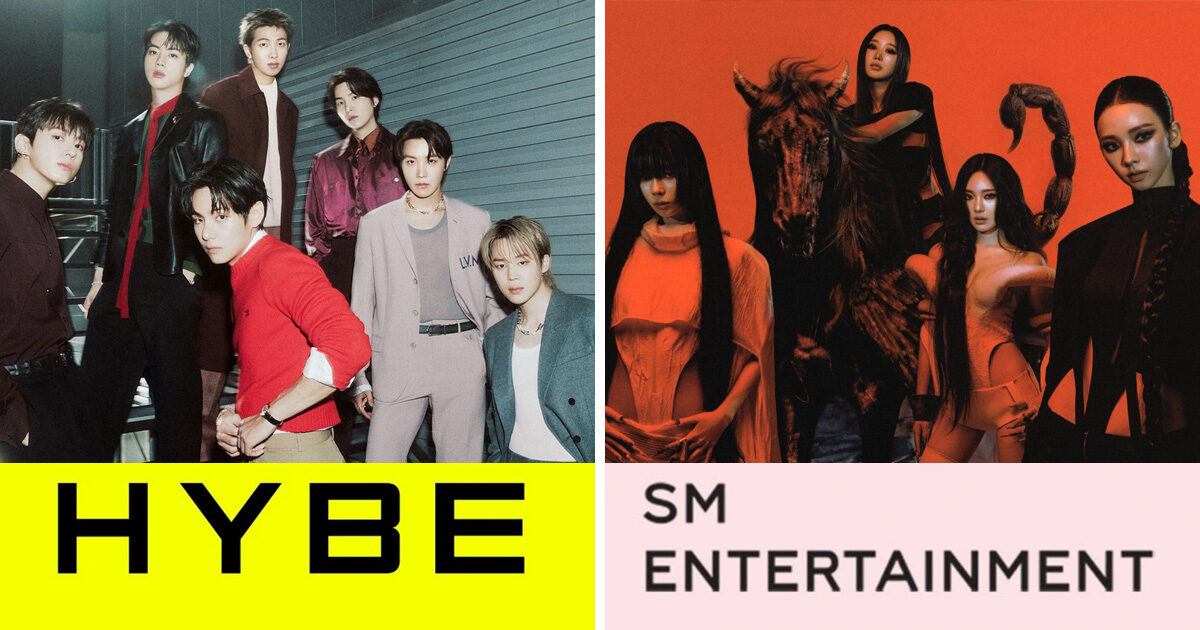
The transition from the "Big 3" to the "Big 4" occurred in the late 2010s, catalyzed by the meteoric rise of Big Hit Entertainment (now HYBE). The unprecedented global success of BTS shattered the existing triopoly. By the time HYBE went public in 2020 and subsequently acquired other labels like Pledis Entertainment and Source Music, the industry had fundamentally changed. HYBE introduced a multi-label system that combined the resources of a major corporation with the creative autonomy of boutique labels, a move that has since been emulated by its competitors.
Defining Talent: Agency Philosophies and Training Systems
The current poll centers on the concept of "pure talent," a metric that is notoriously difficult to quantify but remains a cornerstone of agency branding. Each of the Big 4 has developed a specific reputation regarding the skills they prioritize during the trainee process.
Data from industry insiders suggests that SM Entertainment continues to lead in vocal training infrastructure. The agency’s use of world-class songwriters and vocal coaches has resulted in a roster that frequently dominates technical vocal rankings. In contrast, HYBE has shifted the industry focus toward "performance-driven storytelling." Groups under the HYBE umbrella, such as SEVENTEEN and LE SSERAFIM, are noted for their complex choreography and high-budget visual narratives, which integrate digital media and lore into the music-listening experience.
YG Entertainment remains the leader in "perceived authenticity" and individual branding. The agency’s trainees are often encouraged to develop their own sense of style and stagecraft, which translates into a high level of confidence during live performances. JYP Entertainment, through its "Global Localization" strategy (as seen with groups like NiziU and VCHA), has focused on the "trainability" and growth of its artists, emphasizing that talent is a product of hard work and a positive attitude as much as innate ability.
Financial Performance as a Proxy for Talent Recognition
While the poll measures public opinion, financial data provides a more objective look at how these agencies are performing in the global marketplace. According to 2023 year-end reports, HYBE reported a record-breaking revenue of 2.17 trillion KRW (approximately 1.66 billion USD), driven largely by strong album sales from SEVENTEEN, NewJeans, and the solo activities of BTS members. This financial dominance suggests that HYBE’s definition of talent—versatile, multi-platform artists—is currently the most commercially viable.
SM Entertainment, despite internal management disputes in early 2023, reported a revenue of 960 billion KRW. Their focus on the "SM 3.0" era aims to diversify their creative output and reduce reliance on a single founder’s vision. JYP Entertainment and YG Entertainment followed with revenues of 566 billion KRW and 452 billion KRW, respectively. While YG’s revenue is lower compared to its peers, the agency maintains a high profit margin due to the massive touring revenue generated by its top-tier acts.
These figures indicate that while "talent" is the subject of the poll, the "marketability" of that talent is what sustains the Big 4’s positions. The poll acts as a qualitative counterpoint to these quantitative financial reports, asking fans to look past the stock prices and evaluate the artists based on their foundational skills.
Public Reactions and the Role of Digital Fandoms
The announcement of the poll has triggered a wave of reactions across social media platforms like X (formerly Twitter) and Reddit. Fans of various groups, often referred to as "stans," have mobilized to advocate for their respective agencies. The "Once" (TWICE fans) often highlight the group’s work ethic and consistent output, while "Blinks" (BLACKPINK fans) emphasize the individual brand power and charisma of their idols.
Industry analysts observe that these polls serve as a vital feedback loop for the agencies themselves. "In the K-pop ecosystem, fan sentiment is a leading indicator of future market trends," says a Seoul-based entertainment consultant. "When a poll like this shows a shift in public perception—for instance, if HYBE is suddenly seen as the leader in ‘pure talent’ rather than just ‘global marketing’—it signals that their training methods are being validated by the audience."
However, some critics argue that such polls can be skewed by the sheer size of certain fandoms. A group with a larger digital presence can easily overwhelm a poll, regardless of the objective "talent" of the artists. This is why the 2-hour voting restriction is significant; it requires a level of dedication that favors organized fanbases but also allows for a more sustained reflection of public opinion over time.
Broader Implications for the Future of K-Pop
The outcome of this debate has implications that extend far beyond the results of a single poll. As the Big 4 look toward the future, they are increasingly focused on "K-pop 3.0," which involves the globalization of the training system itself. HYBE’s collaboration with Geffen Records for the group Katseye and JYP’s A2K project are prime examples of how the "talent" being debated is no longer exclusively Korean.
Furthermore, the integration of artificial intelligence and virtual idols (such as SM’s naevis or the virtual group PLAVE) is challenging the traditional definition of human talent. If a virtual idol can perform with perfect pitch and flawless choreography, the "pure talent" of human idols may shift toward areas that AI cannot replicate, such as emotional intelligence, songwriting, and live improvisational skills.
The poll also highlights the growing importance of the "multi-label" system. As agencies grow larger, maintaining a consistent standard of talent across different sub-labels becomes more difficult. The recent public conflict between HYBE and its subsidiary ADOR (home to NewJeans) has brought internal agency dynamics into the spotlight, leading fans to question how much an agency’s corporate culture influences the artistic freedom and development of its talent.
Conclusion: The Enduring Quest for Excellence
As the poll continues to gather data, the results will likely serve as a snapshot of the current power dynamics within the industry. Whether SM retains its title as the "vocal powerhouse," YG maintains its "performance king" status, JYP continues its "personality-first" legacy, or HYBE cements its role as the new "all-rounder" titan, the competition ensures that the standard of talent in K-pop remains exceptionally high.
The Big 4 entertainment agencies are more than just record labels; they are cultural institutions that define the aesthetic and auditory trends of a generation. By participating in these polls and engaging in the debate over talent, the global audience plays an active role in shaping the future of the industry. As the lines between music, technology, and global culture continue to blur, the "pure talent" of the artists will remain the core engine driving the K-pop phenomenon forward into its next decade of dominance.