Kholidah
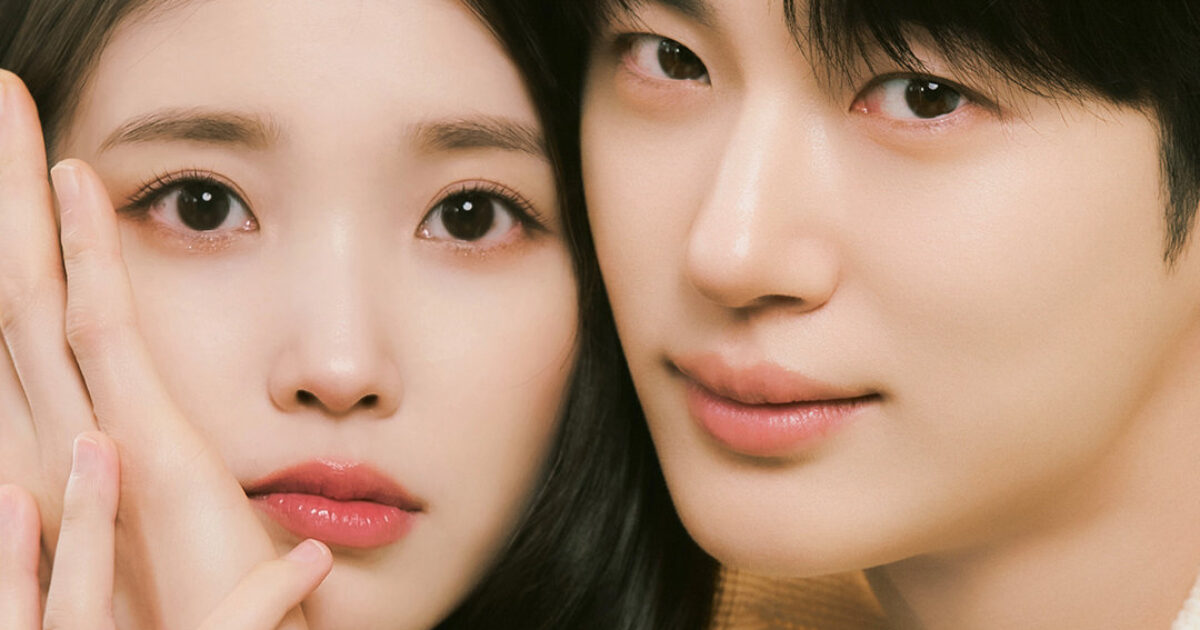
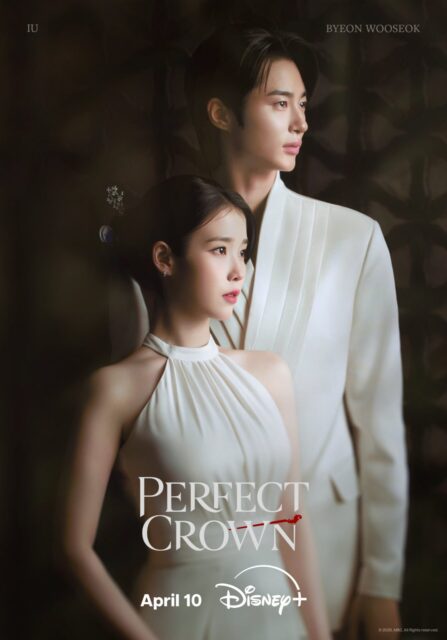
The South Korean television industry, long celebrated for its intricate storytelling and high production values, is currently witnessing a polarized debate surrounding the latest high-profile series, Perfect Crown. Starring global superstar IU and the increasingly popular Byeon Woo Seok, the drama was positioned to be the season’s definitive hit. However, despite its dominance on global streaming charts and its undeniable visual splendor, the series has become the center of a heated controversy following a series of viral critiques from prominent pop culture critic Oh Soo Kyung. Her assessment, which characterized the production as a "moving photoshoot" rather than a narrative work, has sparked a broader conversation regarding the potential decline of script quality in an era dominated by visual aesthetics and social media-driven marketing.
The controversy reached a boiling point in mid-May 2026, following the release of the first few episodes of Perfect Crown. The drama, a fusion historical piece set in an imaginary constitutional monarchy within modern-day Korea, initially garnered massive attention for its "visual chemistry" between the leads. Yet, as the episodes progressed, viewers and industry experts began to voice concerns over the internal logic of the plot and the depth of the character development. Critic Oh Soo Kyung’s intervention served as the catalyst for these simmering frustrations to explode across online communities, most notably on the influential Korean forum TheQoo.
A Chronology of Critical Discontent
The timeline of the current backlash can be traced back to the initial marketing phase of Perfect Crown. From the outset, the production company emphasized the series’ lavish budget, focusing on the meticulously designed royal costumes and the high-definition cinematography. When the first two episodes aired, domestic viewership ratings were respectable, but social media engagement was unprecedented, largely fueled by "edits" and clips of the leads in aesthetically pleasing frames.
On May 14, 2026, the discourse shifted when Oh Soo Kyung responded to inquiries regarding whether she would provide a formal review of the series. Her response was blunt and immediate. She stated that she did not view Perfect Crown as a "drama" in the traditional sense, but rather as a "moving photoshoot." This phrase quickly went viral, serving as a shorthand for those who felt the show prioritized style over substance. Oh noted that after watching the first two episodes, she found the narrative so lacking in structural integrity that it did not warrant a professional critique under the category of dramatic arts.
The following day, May 15, Oh Soo Kyung expanded on her critique. She addressed the argument that the show’s popularity—it had reached the number one spot on several global streaming platforms—was a testament to its quality or a reflection of the "spirit of the times." The critic countered this by asserting that global commercial success does not exempt a work from criticism regarding its craftsmanship. She suggested that the production prioritized being something that would "sell well" in the international market over being a well-constructed story. In a particularly stinging comparison, she remarked that the reality dating show I Am Solo possessed more narrative coherence and "drama" than Perfect Crown.
The Aesthetic vs. Narrative Divide in Modern K-Dramas
The critique leveled against Perfect Crown highlights a growing tension within the Hallyu wave. As K-Dramas have moved toward a global distribution model, there is an increasing emphasis on "Instagrammable" moments—scenes designed to be clipped and shared on social media to drive engagement. While this strategy is effective for marketing, Oh Soo Kyung and her supporters argue it often comes at the expense of "textual" quality.
In her viral tweets, Oh clarified that her issue was not with the genre itself. Fusion historical dramas, which blend historical settings with modern sensibilities or fictional premises, have a long and successful history in Korea. Shows like Goong (Princess Hours) and The King: Eternal Monarch have explored constitutional monarchies with varying degrees of success. However, Oh argued that for any fictional world to be immersive, it must adhere to its own internal logic. Perfect Crown, according to her assessment, failed to build a world that made sense on its own terms, leading to characters that felt flat and motivations that felt contrived.
This sentiment was echoed by a segment of the audience that felt the drama’s world-building was sacrificed for the sake of showcasing the leads in various regal settings. The "moving photoshoot" label resonated because it captured the feeling that the scenes were disconnected vignettes designed for visual impact rather than building blocks of a cohesive story.
Historical Inaccuracies and Casting Pressures
The narrative failures cited by Oh Soo Kyung are compounded by earlier criticisms regarding historical portrayals. Before the critic’s tweets went viral, several Korean historians had already pointed out inaccuracies in the show’s depiction of traditional protocols and royal etiquette. While fusion dramas are granted significant creative license, critics argued that the lack of attention to historical detail further undermined the show’s credibility, making the setting feel more like a theme park than a lived-in world.
Furthermore, the cast has not been immune to the backlash. Despite IU’s established reputation as a formidable actress with a history of choosing acclaimed projects like My Mister, her involvement in Perfect Crown has led to questions about script selection. Even more intense has been the scrutiny on Byeon Woo Seok. Despite his decade-long career and recent surge in popularity, he has faced harsh criticism for what some viewers describe as "awkward acting." Critics argue that his performance lacks the gravitas required for a royal lead, further highlighting the disconnect between his visual appeal and the demands of the role.
Supporting Data and Market Reaction
The data surrounding Perfect Crown presents a complex picture of modern television success. On global platforms such as Netflix and Disney+, the series has consistently ranked in the Top 10 in over 40 countries. This international success is often cited by the show’s supporters as proof of its quality. However, a deeper look at domestic sentiment reveals a different story.
On Korean review platforms and community boards, the "quality gap" is a frequent topic of discussion. While the show maintains a high "buzz" ranking (a metric measuring social media mentions and news coverage), its "narrative satisfaction" scores on specialized review sites have seen a steady decline since the third episode. This suggests a "hollow success," where high visibility is not matched by audience loyalty or critical respect.
Market analysts suggest that this phenomenon is a byproduct of the "fandom economy." With stars like IU and Byeon Woo Seok, a certain level of commercial success is guaranteed regardless of script quality. Fans will watch and promote the show to support their idols, creating a buffer against critical failure. However, as Oh Soo Kyung pointed out, this does not mean the work itself is "good" or that it contributes positively to the evolution of the genre.
Broader Implications for the Industry
The viral nature of the Perfect Crown critique serves as a warning for production houses. While the "visual-first" model may yield immediate financial returns and global reach, it risks alienating the core audience that values the high-standard storytelling K-Dramas are known for. If the industry continues to prioritize "sellable" aesthetics over substantive writing, it may face a long-term decline in the prestige that has made Korean content a global powerhouse.
The debate also raises questions about the role of the critic in the age of global streaming. Oh Soo Kyung’s refusal to engage with the show as a serious drama was a bold statement on the necessity of maintaining standards. By separating "global No. 1" status from "quality," she challenged the notion that popularity is the ultimate arbiter of value.
As Perfect Crown continues its run, the production team has yet to issue an official response to the "moving photoshoot" label. However, sources close to the production suggest that the feedback is being monitored closely. Whether the remaining episodes can bridge the gap between visual splendor and narrative depth remains to be seen. For now, Perfect Crown stands as a cautionary tale of the perils of style over substance in the high-stakes world of international television.
The fallout from these critiques is expected to influence future production trends, potentially leading to a renewed focus on script development and world-building. For IU and Byeon Woo Seok, the experience may serve as a turning point in their careers, emphasizing the importance of narrative strength in maintaining a legacy beyond mere popularity. In the end, the viral discourse surrounding Perfect Crown is less about a single show and more about the future direction of South Korean storytelling in a globalized market.