 Mia Khoirunisa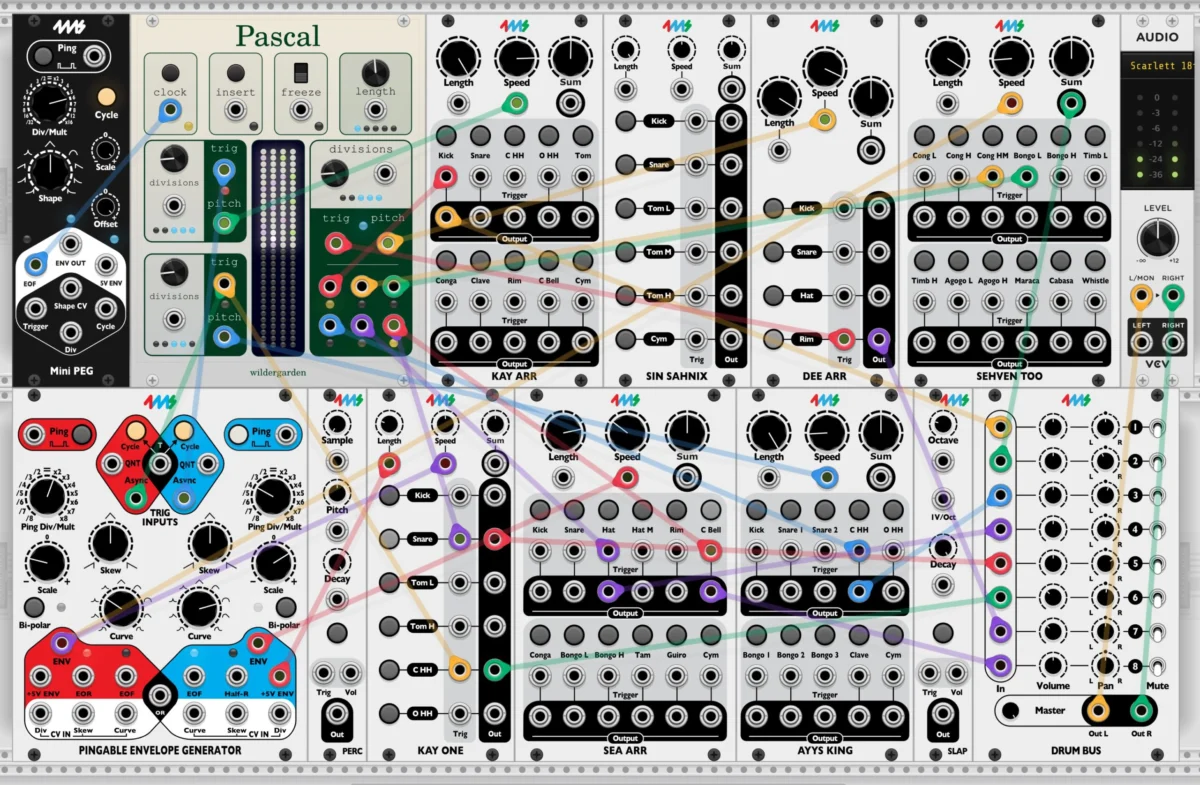
The digital modular synthesis environment VCV Rack, renowned for its commitment to free and open-source software, has witnessed a surge of innovation in its extensive module library. Among the recent additions, the 4ms ROMpler module collection stands out as a particularly significant release, offering users unprecedented access to and manipulation of iconic drum machine samples. This development promises to revitalize classic electronic percussion sounds for a new generation of sound designers and electronic musicians, pushing the boundaries of what can be achieved with these vintage sonic palettes.
A Deep Dive into the 4ms ROMpler Collection
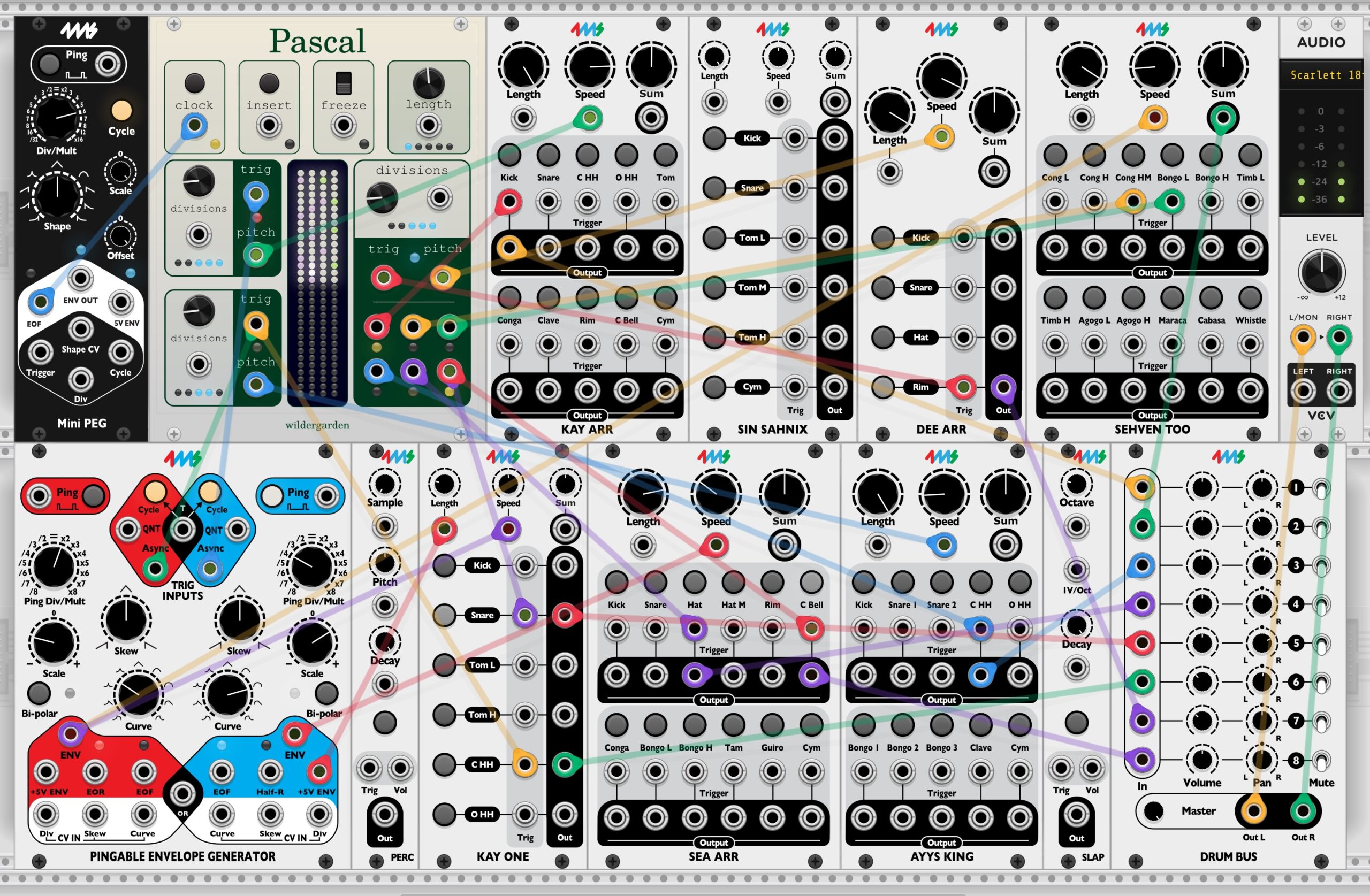
The 4ms ROMpler collection, released as part of the MetaModule plugin suite, brings a curated selection of meticulously sampled sounds from legendary drum machines directly into the VCV Rack ecosystem. Far from being a mere collection of static audio playback devices, these modules are engineered with the flexibility and deep control inherent to modular synthesis. Each ROMpler module is designed to accept Voltage Control (CV) inputs, allowing for dynamic manipulation of crucial sound parameters such as sample length, playback speed, pitch, and even the selection of individual samples within a kit. This level of integration transforms what might otherwise be perceived as simple sample players into powerful sound design tools capable of extensive sonic exploration and "patching mayhem," as described by early adopters.
The breadth of classic drum machines represented in the collection is impressive, drawing from instruments that have shaped the landscape of electronic music. This includes sounds from the Ace Tone Rhythm King, Roland’s KR55, CR-78, TR-727, and TR-606, as well as the Casio SK-1 and Synsonics. Beyond these specific drum machines, the collection also incorporates a comprehensive set of acoustic sampled modules and the highly sought-after Orchestral Hits. This diverse offering provides musicians and producers with a rich palette to recreate or reimagine the rhythmic foundations of countless musical genres, from early electronic dance music to hip-hop and beyond.
Evolution of ROMpler Technology in Digital Environments
The concept of a ROMpler, a synthesizer that uses digitally stored samples (often from Read-Only Memory chips) as its sound source, has a long history in hardware synthesizers. Early iterations, such as the E-mu Emulator and the Fairlight CMI, revolutionized music production by allowing musicians to use sampled sounds in their compositions. More recent hardware, like the Roland TR-8S Rhythm Performer, continues this legacy by offering extensive sample manipulation capabilities.
In the software realm, ROMpler plugins have become commonplace, but the integration into a fully patchable virtual modular environment like VCV Rack adds a unique dimension. While other developers have explored ROM-based modules within VCV Rack, such as Erica Synths with their pico modules, the 4ms ROMpler collection distinguishes itself through its depth of CV control and its focus on iconic drum machine sounds. This approach acknowledges the inherent sonic character and historical significance of these instruments while making them amenable to the experimental and generative workflows characteristic of modular synthesis.
The Genesis of the 4ms ROMpler Collection and its Release Timeline
While the exact release date of the 4ms ROMpler collection is not explicitly stated in the provided text, the context suggests it is a recent addition to the VCV Rack library. The phrase "has been on fire lately" implies a period of heightened activity and new releases. The 4ms company, known for its innovative hardware Eurorack modules, has expanded its reach into the digital domain through collaborations and the development of virtual instruments. The MetaModule plugin suite, under which the ROMplers are released, is an ongoing project that aims to bring unique synthesis concepts to VCV Rack.
The development and release of such a comprehensive library likely involved several stages:
- Research and Sampling: Identifying the most iconic and musically relevant drum machine sounds. This phase would involve sourcing vintage hardware or high-quality sample libraries and meticulously capturing the sonic essence of each instrument.
- Module Design: Engineering the VCV Rack modules to offer intuitive control over the sampled sounds. This involves mapping parameters to CV inputs and designing user interfaces that are both functional and aesthetically aligned with VCV Rack’s conventions.
- Testing and Refinement: Extensive internal testing and potentially beta testing with a community of users to ensure stability, functionality, and sonic fidelity.
- Release and Distribution: Making the modules available through the VCV Rack library, a central hub for VCV Rack plugins. The "free and open-source" nature of VCV Rack means that these modules are accessible to a wide audience without financial barriers.
The release of this collection aligns with a broader trend of increased developer activity within the VCV Rack community, contributing to its growing reputation as a powerful and accessible platform for electronic music creation.
Demonstrating the Sonic Potential: User Demonstrations and Developer Insights
To illustrate the practical applications and creative possibilities of the 4ms ROMpler collection, several video demonstrations have been provided. One such video showcases a user experimenting with favorite sounds and pushing the modules to their limits, highlighting the potential for complex and unexpected sonic outcomes. These user-generated content pieces serve as invaluable resources, demonstrating how the modules can be integrated into existing workflows and inspiring new approaches to sound design.
Further insights into the collection are offered through official 4ms (under the MetaModule brand) videos. These include an announcement and overview of the ROMpler plugins, providing a direct explanation from the developers about their vision and the technical features of the modules. Additionally, tutorial videos, such as the "MetaModule Tutorials: ROMplers Groovebox Patch," offer practical guidance on how to utilize the modules effectively, particularly in the context of building rhythmic patterns and grooveboxes. These official resources are crucial for users seeking to understand the full capabilities of the collection and how to unlock its creative potential.
The Role of Pascal Sequencing in Enhancing Rhythmic Complexity
A key element that elevates the creative potential of the 4ms ROMpler collection is its synergy with advanced sequencing techniques. The article highlights the use of "Pascal," a sequencing module developed by wildergarden, as a primary tool for driving the ROMplers. Pascal is described as a "wonderful sequencing module" based on Pascal’s triangle, a mathematical concept that generates intricate and often unexpected patterns.
Pascal’s triangle, a triangular array of the binomial coefficients, has long been a source of inspiration in mathematics and art due to its inherent symmetry and the complex patterns that emerge from its simple additive rules. In the context of music sequencing, applying these principles can lead to highly dynamic and evolving rhythmic sequences. The module’s ability to generate complex trigger and gate patterns, when fed into the CV inputs of the 4ms ROMplers, allows for the creation of rhythms that are far more sophisticated and unpredictable than traditional step sequencers.
The article provides a link to the Pascal module on the VCV Rack library and recommends a video from the "Numberphile" YouTube channel that explains Pascal’s triangle. This recommendation underscores the module’s theoretical underpinnings and encourages users to explore the mathematical concepts that inform its design. This integration of mathematical principles into creative tools is a hallmark of the modular synthesis world, fostering a deeper understanding of the underlying algorithms and their sonic manifestations.
Broader Implications for VCV Rack and the Modular Synthesis Community
The release of the 4ms ROMpler collection is indicative of several broader trends within the VCV Rack ecosystem and the wider modular synthesis community:
- Democratization of Iconic Sounds: By offering these classic drum machine sounds in a free and accessible format, VCV Rack continues to democratize access to powerful sonic resources. This empowers musicians and producers who may not have the financial means to acquire vintage hardware to explore and integrate these sounds into their work.
- Enhanced Sound Design Capabilities: The deep CV integration of the ROMpler modules transforms them into versatile sound design tools. This moves beyond simple playback and allows for the creation of entirely new timbres and rhythmic textures derived from familiar sources. The ability to "circuit-bend" these classic sounds virtually opens up a vast sonic playground.
- Growth of the VCV Rack Library: The continuous influx of high-quality, often free, modules from developers like 4ms and others significantly expands the creative possibilities within VCV Rack. This growing library attracts new users and retains existing ones by offering a constantly evolving and innovative platform.
- Cross-Pollination of Disciplines: The inclusion of modules inspired by mathematical concepts, like Pascal’s triangle, highlights the growing intersection of music, mathematics, and computer science within the modular synthesis community. This fosters a more interdisciplinary approach to creativity.
- Community Engagement and Inspiration: The emphasis on user demonstrations and developer insights, coupled with the recommendation of educational content, fosters a strong sense of community. This collaborative environment encourages learning, experimentation, and the sharing of creative ideas.
The article also briefly touches upon other recent noteworthy additions to the VCV Rack library, including modules from SignalFunctionSet, Venom, Moffenzeef, Omri Cohen, and Voxglitch. The mention of the coding environment Orca running within Rack further underscores the platform’s expanding capabilities and its appeal to users interested in generative music and algorithmic composition. These diverse offerings collectively paint a picture of a vibrant and rapidly evolving digital modular synthesis landscape.
The call for a "Numberwang VCV Rack module" is a playful nod to the cultural impact of specific internet phenomena and the creative potential of applying such concepts to music generation. While speculative, it reflects the imaginative and often humorous spirit that permeates aspects of the electronic music and VCV Rack communities.
In conclusion, the 4ms ROMpler collection represents a significant contribution to the VCV Rack library, offering a compelling blend of nostalgia, sonic power, and deep creative control. Its release not only enriches the platform with a wealth of classic drum machine sounds but also exemplifies the ongoing innovation and collaborative spirit that define the VCV Rack and modular synthesis communities. The ability to manipulate these iconic sounds with the precision and flexibility of modular synthesis opens up new avenues for musical expression and sound design, solidifying VCV Rack’s position as a leading environment for electronic music experimentation.