 Kholidah
The Genesis of the Controversy: Historical Blunders and Public Outrage
The controversy surrounding Perfect Crown began shortly after the airing of its most recent episodes, which featured several scenes that viewers identified as egregious departures from historical fact. In the context of South Korean "sageuk" (historical dramas), the audience maintains an exceptionally high standard for accuracy, particularly when the narrative involves real historical figures or pivotal eras in the nation’s development. The inaccuracies in Perfect Crown were not dismissed as mere creative license; rather, they were perceived by many as a fundamental disrespect to Korean history.
Specific grievances cited by viewers included the use of anachronistic props, the misrepresentation of court etiquette, and narrative choices that appeared to borrow heavily from non-Korean cultural aesthetics, which some critics argued bordered on cultural appropriation or historical revisionism. As the episodes aired, social media platforms and online forums, such as Theqoo and Nate Pann, became hubs for detailed dissections of the drama’s errors. The backlash was instantaneous, leading to a significant drop in domestic sentiment and a surge in formal complaints filed with the Korea Communications Standards Commission (KCSC).
Official Apologies and the Attempt at Damage Control
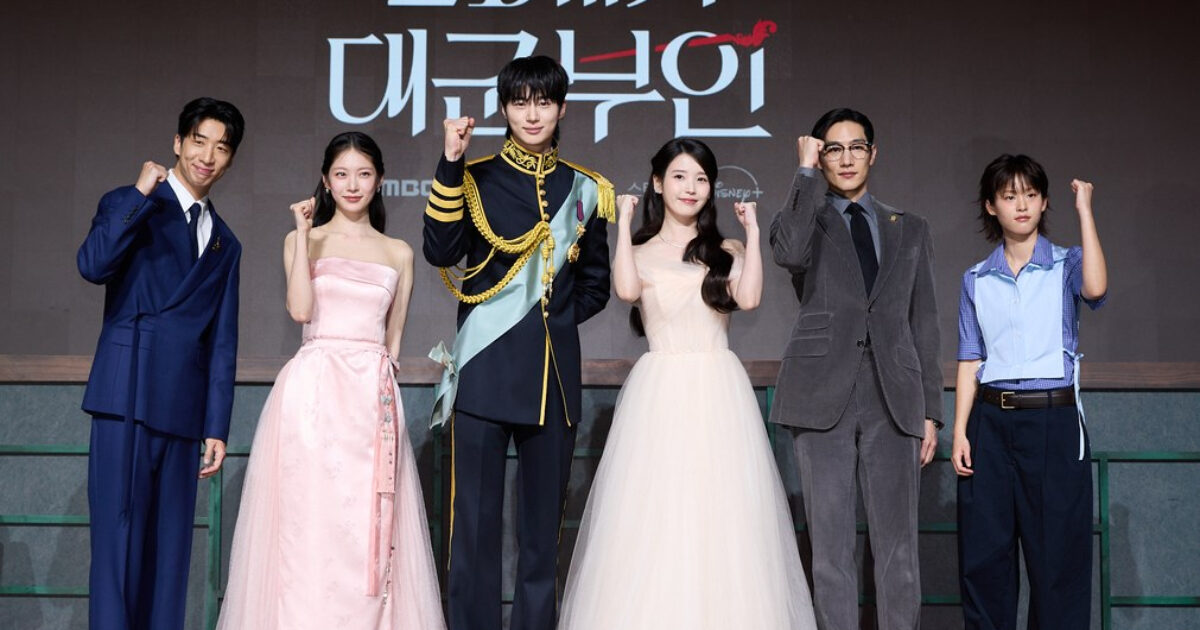
As the volume of criticism reached a crescendo, the primary stakeholders of Perfect Crown attempted to mitigate the fallout through formal channels. The lead actors, recognizing their role as the public faces of the production, issued individual apology letters via their social media accounts. These statements generally expressed regret for not being more diligent in researching the historical context of their roles and acknowledged the disappointment felt by their fans.
Following the actors’ statements, the production’s director took a more public and traditional approach to penance. During a scheduled press interaction, the director bowed his head in a formal gesture of apology, a significant act in Korean culture symbolizing deep remorse and the acceptance of blame. He stated that he would take "full responsibility" for the historical oversights, attributing the errors to a lack of oversight during the rigorous filming and editing process. While these apologies were seen by some as a necessary first step, a large segment of the public remained skeptical, viewing the gestures as a tactical move to protect the show’s remaining commercial viability rather than a sincere commitment to historical integrity.
The Pop-Up Store: A Compromised Promotional Strategy
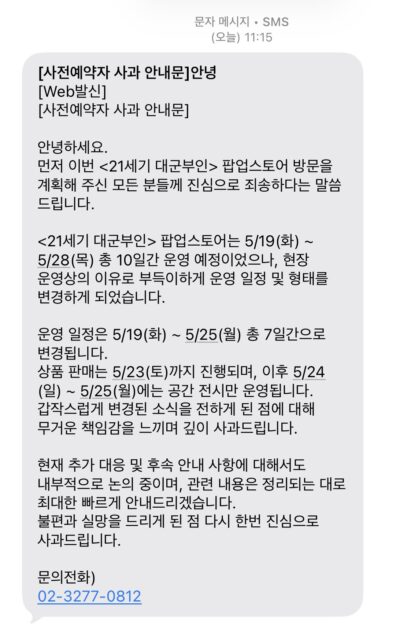
The tension between the production team and the public reached a new flashpoint with the announcement regarding the Perfect Crown pop-up store. Originally designed as a ten-day immersive experience for fans—running from May 19 to May 28—the event was intended to capitalize on the show’s initial popularity through the sale of exclusive merchandise, photo zones, and behind-the-scenes exhibits. However, in light of the ongoing scandal, the organizers issued a sudden notice to ticket holders and the general public.

According to the revised schedule, the pop-up store’s duration has been shortened from ten days to seven, now concluding on May 25. Furthermore, the operational nature of the event has been fundamentally altered. While the store will remain open until May 25, the sale of physical merchandise is slated to end on May 23. For the final two days of the event, the venue will transition into a "display-only" format, where visitors can view the exhibits but cannot purchase products.
The official notice cited "operational reasons" for the change, a vague terminology often used by corporate entities to mask the logistical or PR-related pressures of a crisis. This adjustment suggests a desperate attempt to honor existing contracts and commitments to the venue and partners while simultaneously minimizing the "commercial" optics of the drama during a period of national scrutiny.
Netizen Reaction: Demands for Total Cancellation
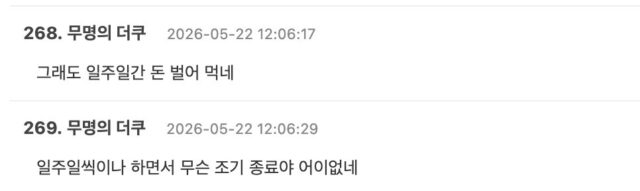
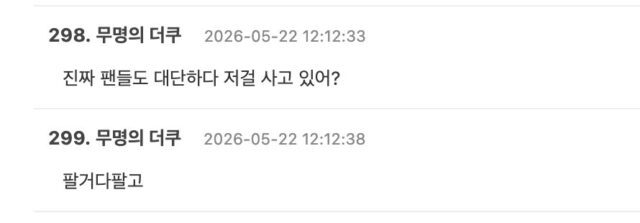
The decision to proceed with the pop-up store, even in a diminished capacity, has not been well-received by the online community. On platforms like Theqoo, comments sections have been flooded with demands for the total cancellation of all offline events related to Perfect Crown. The prevailing sentiment among netizens is that continuing with a promotional event is a "tone-deaf" response to a controversy that involves the integrity of national history.
"If they were truly sorry, they would shut the whole thing down," wrote one user in a comment that garnered thousands of likes. Others pointed out the hypocrisy of the director taking "full responsibility" while the production company continues to profit from merchandise sales. The demand for a total shutdown reflects a broader trend in South Korean consumer activism, where audiences increasingly use their collective bargaining power to hold entertainment companies to high ethical and cultural standards.
The Economic and Legal Stakes of Cancellation
To understand why the production team is "pushing through" despite the backlash, one must look at the underlying economic structures of the K-Drama industry. High-budget historical dramas are often supported by a complex web of investors, sponsors, and merchandising partners. A pop-up store is not merely a fan event; it is a revenue stream and a contractual obligation.
- Sponsorship Agreements: Many brands pay for placement within the drama and associated offline events. Canceling the pop-up store entirely could trigger breach-of-contract lawsuits from these partners.
- Merchandise Inventory: Thousands of units of merchandise are often produced months in advance. A total cancellation results in massive "dead stock," leading to significant financial losses for the production house and its manufacturing partners.
- Venue Contracts: Securing prime real estate for pop-up stores in districts like Seongsu-dong or Gangnam involves expensive, non-refundable deposits and strict rental agreements.
By shortening the event rather than canceling it, the production team is likely attempting to find a middle ground that satisfies legal obligations while attempting to show a degree of "reflection" to the public. However, in the court of public opinion, this middle ground is often viewed as a lack of conviction.
Historical Precedents: The "Joseon Exorcist" Effect
The current situation with Perfect Crown inevitably draws comparisons to the 2021 controversy surrounding the SBS drama Joseon Exorcist. In that instance, a similar outcry over historical inaccuracies and the use of Chinese-style props led to the unprecedented cancellation of the series after only two episodes had aired. The financial loss for Joseon Exorcist was estimated at over 32 billion KRW (approximately $28 million USD).
The Joseon Exorcist case set a high bar for public accountability. It proved that the South Korean audience has the power to dismantle a multi-million dollar project if it is deemed culturally offensive. The creators of Perfect Crown are likely operating in the shadow of this precedent, attempting to avoid a total "blacklisting" while still trying to recoup whatever costs they can through the remaining offline events.
Broader Implications for the K-Drama Industry
The Perfect Crown controversy serves as a stark reminder of the "cultural minefield" that historical fiction must navigate in the modern era. As K-Dramas become a global commodity, the responsibility to represent history accurately becomes even more critical. International viewers often take these dramas as a primary source of information about Korean history and culture. When a drama fails to maintain accuracy, it risks misinforming a global audience, which is a major point of concern for Korean historians and cultural advocates.
Industry analysts suggest that this incident will likely lead to:
- Stricter Advisory Boards: Production companies may begin employing larger teams of historical consultants to vet scripts and prop selections at every stage of production.
- Revised Contract Clauses: Future contracts between production houses and broadcasters may include more robust "morality" or "accuracy" clauses that allow for swifter action in the event of a public scandal.
- Shift in Marketing: Companies may become more cautious with high-profile offline events for historical dramas until the series has been fully "vetted" by the public during its airing.
Conclusion: A Fragile Path Forward
As of now, the Perfect Crown pop-up store remains operational, serving as a physical manifestation of the ongoing friction between a production’s need to survive financially and a public’s demand for cultural respect. While the shortened schedule and the transition to a "display-only" format represent a concession to the critics, they have done little to quell the anger of those who feel the drama has crossed a line.
The coming days will be crucial for the cast and crew of Perfect Crown. As the pop-up store reaches its early conclusion on May 25, the focus will shift to the long-term viability of the drama on streaming platforms and its potential for international export. In an industry where "brand image" is everything, the "Perfect Crown" name has been significantly tarnished. Whether the production can ever truly recover—or if it will serve as another cautionary tale in the annals of Korean television—remains to be seen. For now, the "Perfect Crown" is anything but, as it sits precariously amidst a storm of its own making.