Mia Khoirunisa
The landscape of digital music creation is continuously reshaped by innovative hardware and software integrations that empower artists with unprecedented control and expressive capabilities. A recent demonstration featuring the Expressive E Osmose keyboard and the Elastic OSC synthesizer plugin highlights a significant leap forward in polyphonic expression, enabling musicians to translate nuanced sonic ideas directly from their hands into compelling performances. This powerful combination offers a seamless workflow, allowing for real-time improvisation and sonic manipulation without the need for post-production edits or manual parameter adjustments.
At the core of this advancement lies the Osmose, a groundbreaking instrument developed by Expressive E. The Osmose, or its companion Osmose CE, is characterized by its multi-axis keyboard, a revolutionary interface that moves beyond traditional velocity and aftertouch to offer three dimensions of control per key. This inherent expressiveness seamlessly integrates with Elastic OSC, a versatile software synthesizer plugin. The beauty of this pairing is its plug-and-play nature; no custom configuration is required to map the Osmose’s expressive capabilities to Elastic OSC. Users simply need to enable MPE (MIDI Polyphonic Expression) within their host Digital Audio Workstation (DAW), the Osmose itself, and the Elastic OSC patch, provided it’s not already configured for MPE. This accessibility democratizes advanced expressive techniques, making them available to a wider range of musicians.
The implications of enabling MPE in this context are profound. When the built-in arpeggiator of Elastic OSC is active, the Osmose’s multi-axis control allows for dynamic transformation of the pre-programmed patterns. Musicians can bend notes, apply varying degrees of pressure, and even manipulate the subtle nuances of each key press to sculpt the evolving rhythm and timbre of the arpeggiation in real-time. This creates a living, breathing performance where the sound directly reflects the performer’s physical interaction with the instrument.
During a recent demonstration, Peter Kirn, a prominent figure in the electronic music and technology journalism sphere, showcased the capabilities of this pairing. Kirn’s performance, captured on video, revealed the astonishing depth of control offered by the Osmose’s multi-axis keys. Oliver, the lead developer behind Elastic OSC, expressed his surprise at the sonic richness Kirn achieved, initially questioning if complex pre-recorded clips were being utilized. Kirn clarified that the intricate sonic textures and expressive modulations were entirely generated live using factory presets within the Elastic OSC plugin, demonstrating the power of the Osmose’s expressive potential. This setup is not limited to desktop environments; the Elastic OSC plugin is also available for iPad, allowing for a portable yet powerful MPE performance rig, easily mountable on a table or music stand.
Seamless Integration and Configuration
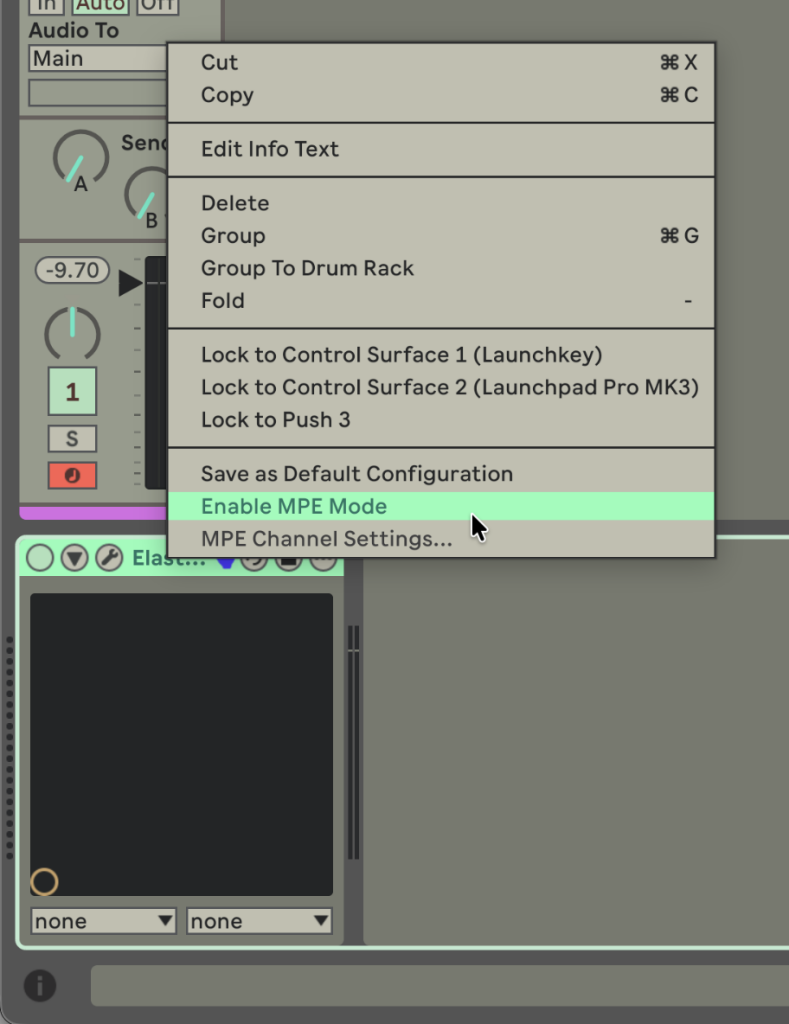
The ease of setting up this expressive system is a significant advantage. For users of Ableton Live, a popular DAW, enabling MPE for plugins requires a simple, albeit specific, step. By default, MPE is disabled for plugin instances. To activate it, users must right-click on the plugin and select "Enable MPE mode." This straightforward action unlocks the full potential of MPE-compatible instruments and plugins.
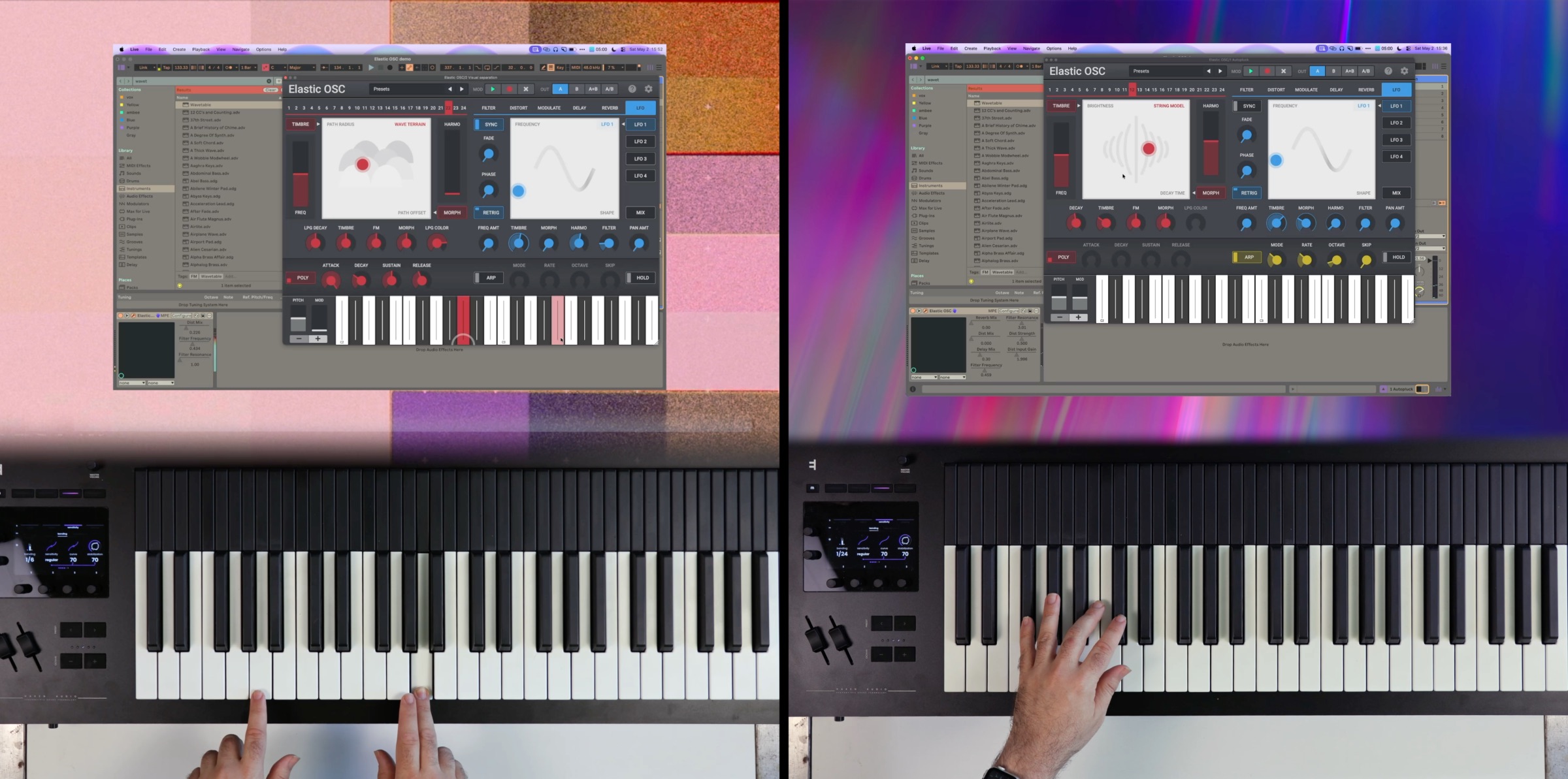
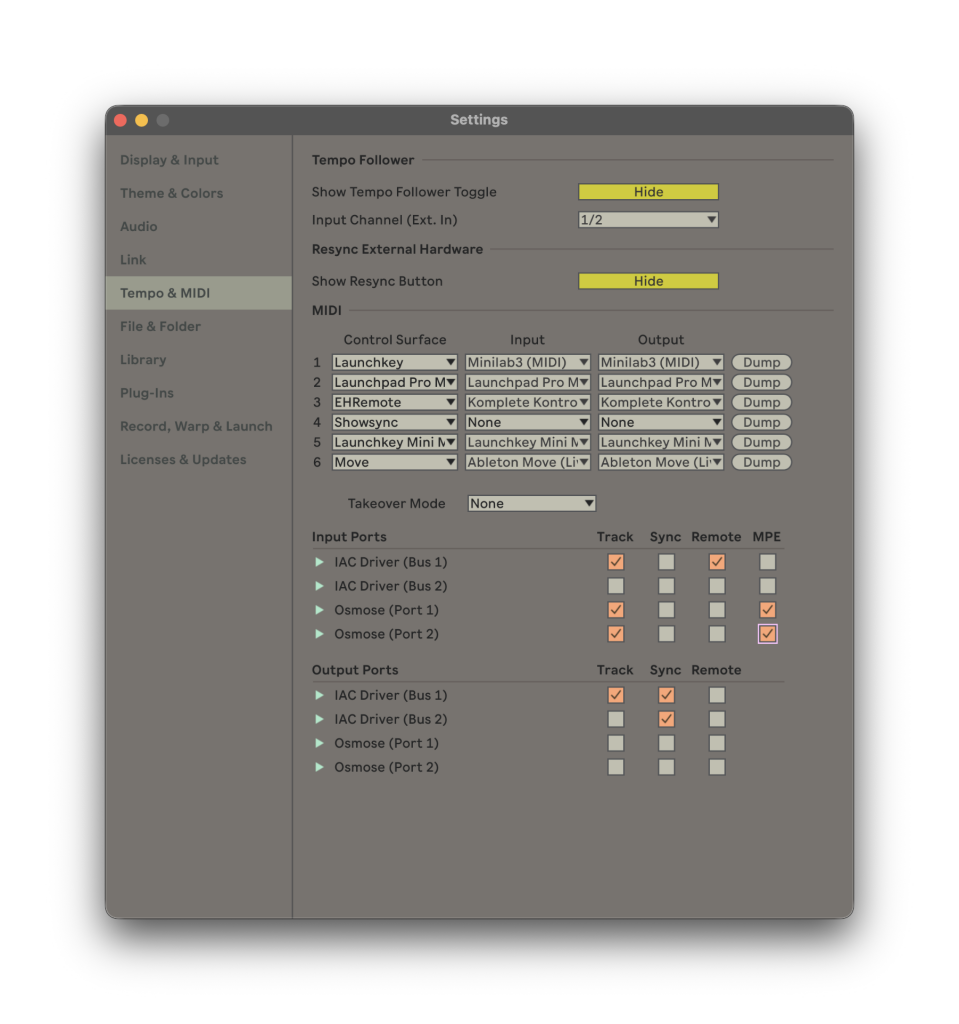
Beyond the plugin itself, ensuring MPE is enabled for the input device, in this case, the Osmose, is also crucial. Within Ableton Live’s settings, under "Tempo & MIDI" and then "Input Ports," users will find a dedicated column for MPE. Enabling this setting ensures that the MIDI data from the Osmose, including its multi-dimensional expressiveness, is correctly interpreted by Live. This feature also acts as a gateway to another valuable capability: enabling MPE automatically activates Elastic OSC’s support for Ableton’s advanced Tuning Systems, offering an additional layer of sonic customization and microtonal exploration.
The configuration on the Osmose side is remarkably straightforward. Users can access the MPE configuration directly from the instrument’s onboard menu. A key design philosophy of the Osmose is its immediate accessibility; the instrument eschews complex menu diving for common adjustments. The intuitive display on the left side of the keyboard provides instant access to frequently used parameters, allowing performers to make on-the-fly adjustments. Kirn demonstrated this by altering the pitch bend range during his performance, showcasing how easily he could dynamically shape the sonic character of the sounds he was producing. This immediacy fosters a more intuitive and fluid creative process, allowing musicians to stay immersed in the act of playing.
Exploring the Depths of MPE with Elastic OSC
The MPE presets developed by Peter Kirn for Elastic OSC provide a curated starting point for users, featuring pre-defined mappings that leverage the Osmose’s expressive capabilities. However, the true power of this integration lies in the ability for users to create their own custom mappings. Within Elastic OSC, accessible via a cog icon for settings, users can navigate to the MPE section. Here, they will find controls for glide (often mapped to the Y-axis of MPE), slide (typically mapped to the X-axis), and press (corresponding to the Z-axis or aftertouch).
While the X and Y axes of MPE are visually represented within the Elastic OSC interface, the Z-axis, or pressure, requires a connected controller that transmits this data. The Osmose, with its sophisticated pressure sensitivity, is ideally suited for this purpose. Kirn highlights the advantage of using the physical keyboard interface for designing patches. The visual feedback of the keys makes it easy to understand how the X and Y movements will translate into sonic changes. This visual-plus-tactile approach aids in the design process, allowing for more intuitive tweaking of parameters.
One particularly innovative application of MPE mapping within Elastic OSC involves modulating the "Engine" parameter. This allows for seamless transitions between the synthesizer’s multiple oscillator engines without any audible clicks or artifacts. This capability, combined with the extensive effects processing available within Elastic OSC, opens up a universe of experimental and "leftfield" sound design possibilities, pushing the boundaries of what is achievable with digital synthesis.
A Comparative Look: Osmose vs. Ableton Push 3
For a broader perspective on expressive controllers, Kirn also demonstrated the Elastic OSC with Ableton Push 3. This comparison highlights the diverse approaches to MPE and live performance. While both the Osmose and Push 3 offer sophisticated MPE capabilities, their fundamental design and interaction paradigms differ significantly. The Push 3, with its 8×8 grid of pressure-sensitive pads, offers a distinct playing style. The multi-axis expression is mapped to individual pads, and the physical gesture of playing differs considerably from a traditional keyboard. The unique pitch spacing of the Push 3’s grid also presents a different expressive canvas compared to the linear layout of the Osmose.
The juxtaposition of these two controllers, each with its unique strengths in MPE implementation, underscores the growing diversity and sophistication within the realm of expressive music hardware. For live electronic music acts, having access to both the keyboard-centric fluidity of the Osmose and the pad-based gestural control of the Push 3 could lead to dynamic and versatile performances, allowing for a wider palette of sonic expression and stage presence.
Mobile MPE: Expanding Accessibility
The article also touches upon the expanding reach of MPE in mobile music production. MPE is fully supported on both Android and iOS platforms. The setup is remarkably simple: connect the Osmose (or any compatible MPE controller) to the mobile device, often requiring a USB hub for power and data transfer via the device’s USB-C port. As the Osmose is class-compliant, it functions without the need for additional drivers, ensuring a smooth user experience.
While the specific preset bank developed by Peter Kirn is currently available for desktop versions of Elastic OSC, it is slated for an upcoming update for its mobile counterparts. Nonetheless, users can already explore a variety of MPE presets created by other developers, such as Nerk, further enriching the sonic possibilities available on mobile devices. This mobile MPE capability signifies a democratization of advanced expressive technology, allowing musicians to create and perform with sophisticated control anywhere their inspiration takes them.
Background and Context: The Evolution of MPE
The advent of MPE represents a significant evolution in MIDI technology. For decades, MIDI primarily conveyed information such as note on/off, velocity, and continuous controller messages. While these provided a foundation for electronic music, they often lacked the nuanced expressiveness found in acoustic instruments. MPE emerged as a solution, extending the MIDI protocol to transmit multiple streams of data per note. This allows for individual control over parameters like pitch bend, pressure, and timbre for each note played simultaneously, a departure from earlier "monophonic" expression methods where a single pitch bend or modulation affected all notes.
The Expressive E Osmose is a prime example of a hardware instrument designed from the ground up to harness the power of MPE. Its innovative keyboard technology, featuring continuous sensing of X, Y, and Z axes for each key, allows for unparalleled gestural control. Similarly, Elastic OSC, as a software synthesizer, is built to interpret and utilize the rich data streams provided by MPE controllers. The collaboration and integration between such hardware and software developers are crucial for pushing the boundaries of digital music creation and performance.
The growing availability of MPE controllers and MPE-compatible software, coupled with simplified configuration processes as seen with the Osmose and Elastic OSC, suggests a broader industry trend towards more expressive and intuitive musical interfaces. This shift is likely to influence the future of music production, live performance, and music education, fostering a generation of musicians who can communicate their artistic intent with greater fidelity and emotional depth through their instruments.
Analysis and Broader Impact
The seamless integration of the Expressive E Osmose and Elastic OSC represents more than just a technical achievement; it signifies a paradigm shift in how musicians can interact with their tools. The ability to translate nuanced physical gestures into sonic outcomes in real-time removes barriers between the artist’s intent and the final sound. This has several implications:
- Enhanced Live Performance: Musicians can deliver more captivating and dynamic live performances, moving beyond static playback or pre-programmed sequences. The immediacy of MPE allows for spontaneous sonic exploration and improvisation, making each performance unique.
- Democratization of Expressive Techniques: By simplifying the setup and offering intuitive interfaces, tools like the Osmose and Elastic OSC make advanced expressive techniques accessible to a wider audience, not just seasoned professionals.
- Innovation in Sound Design: The ability to control multiple parameters per note opens up new avenues for sound design. The modulation of oscillator engines, as demonstrated with Elastic OSC, is a testament to the creative potential unleashed by MPE.
- Cross-Platform Compatibility: The support for MPE on both desktop and mobile platforms expands the creative possibilities for musicians on the go, blurring the lines between studio production and mobile creativity.
The continued development and adoption of MPE technology, exemplified by this partnership, are poised to redefine the relationship between musicians and their instruments, fostering a more direct, intuitive, and emotionally resonant approach to music creation. As more artists embrace these expressive tools, we can anticipate a wave of innovative and deeply personal musical expressions emerging across diverse genres.
Elastic OSC: https://mominstruments.com/elasticosc/
Expressive E Osmose: https://www.expressivee.com/2-osmose
Where to Purchase Expressive E Osmose:
- Expressive E at Thomann: https://clickfi.re/ucdHOVgi
- Expressive E Osmose at Sweetwater: https://sweetwater.sjv.io/enEBk1
- Expressive E at Perfect Circuit: https://link.perfectcircuit.com/t/v1/8-12626-300308-9759?url=https%3A%2F%2Fwww.perfectcircuit.com%2Fexpressive-e