Johan Budi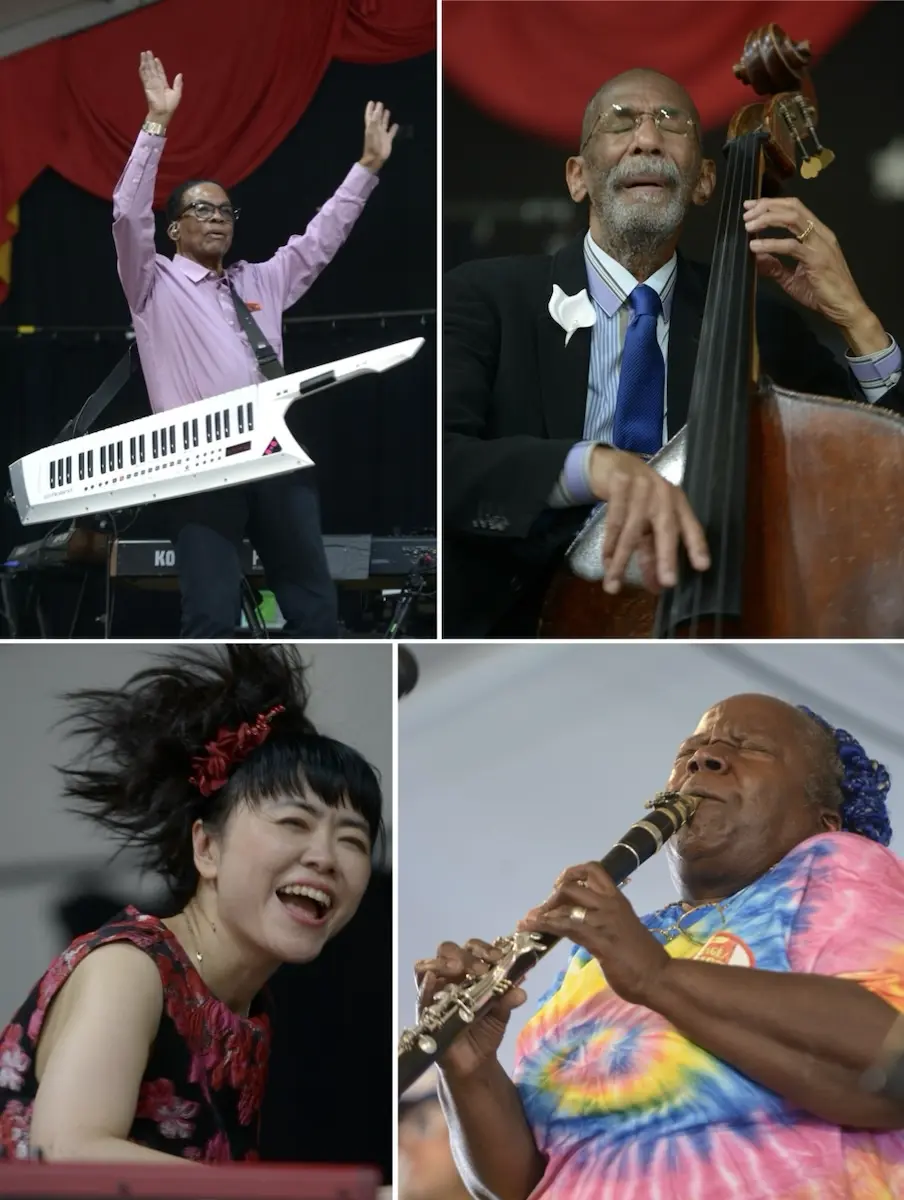
The New Orleans Jazz and Heritage Festival, an institution that has defined the cultural landscape of Louisiana for over half a century, concluded its 55th iteration by reinforcing its dual identity as both a global pop-rock destination and a local cultural sanctuary. Spanning eight days across two weekends, the event—familiarly known as Jazz Fest—utilized 14 stages to host a staggering array of talent, ranging from international superstars to the "cultural torchbearers" of the Gulf South. As the festival navigates the complexities of the modern music industry, it continues to balance the necessity of high-profile headline acts with its foundational mission to preserve and promote the unique musical heritage of New Orleans.
The Economic and Cultural Framework of Jazz Fest
The financial architecture of the 55th Jazz Fest highlights a delicate equilibrium between commercial viability and cultural preservation. While festival organizers maintain a commitment to ensuring that approximately 80% of the musical lineup consists of local New Orleans or Louisiana-based talent, the attendance data suggests a different distribution. Industry analysts and festival observers note that roughly 80% of the audience is primarily drawn to the 20% of mainstream marquee acts. This "80/20 rule" is essential for the festival’s survival; the revenue generated by the nearly 500,000 attendees—paying between $120 and $170 for single-day passes—serves as the primary engine for the local economy during the spring season.
Beyond ticket sales, the festival’s impact is measured through the New Orleans Jazz & Heritage Foundation. The event generates approximately $2 million in annual grant funding, which is redirected into educational and cultural programs. These funds support local schools, music education initiatives, and the preservation of traditional art forms, ensuring that the city’s creative pipeline remains robust. Consequently, the presence of mainstream rock and pop acts like the Eagles, Stevie Nicks, and Rod Stewart is often viewed by purists as a necessary trade-off that funds the survival of niche genres such as gospel, zydeco, and traditional jazz.
Chronology of the First Weekend: Innovation and Theatricality
The first weekend of the festival was marked by significant performances that bridged the gap between traditional jazz and contemporary experimentalism. Jazz headliners Herbie Hancock and Dianne Reeves, arriving fresh from International Jazz Day, set a high standard for technical mastery. They were joined by a diverse roster of artists including Monty Alexander, Hiromi, and Terence Blanchard.
One of the most discussed events of the first weekend was the dual appearance of Jon Batiste. The Batiste family holds a status in New Orleans comparable to the Marsalis or Neville dynasties, and Jon Batiste has arguably become the city’s most prominent musical export since Fats Domino. His first performance on Friday was a collaborative celebration featuring the Blind Boys of Alabama. However, his Sunday headline set on the blues stage represented a radical departure from festival norms. Batiste debuted a theatrical, dystopian "swamp sci-fi" production, appearing in costume as an elderly man in a swamp camp. This performance, ten years in the making, utilized the swamp as a metaphor for environmental crisis and lost community values, blending swamp blues with rock and roll motifs.
Simultaneously, the jazz tent hosted Hiromi’s "Sonicwonder," a performance characterized by an expansive, almost orchestral soundscape. Hiromi’s quartet utilized layered melodies and complex rhythms, with the pianist occasionally weaving in "When The Saints Go Marching In" as a nod to the local setting. Meanwhile, Jamaican pianist Monty Alexander celebrated his nation’s status as the festival’s showcased country. Alexander, whose career was launched with the support of Frank Sinatra and Duke Ellington, demonstrated the "one-drop" connection between Jamaican reggae and New Orleans funk, emphasizing the historical musical ties between the two regions.
Off-Festival Events and the Club Circuit
The influence of Jazz Fest extends far beyond the Fair Grounds Race Course. During the mid-week break and evening hours, the city’s clubs and theaters—particularly those on Frenchmen Street and in the French Quarter—host a parallel series of performances. This year, the revival of The Meters at the Fillmore and Saenger Theatres served as a cornerstone event, marking the first major shows for the funk pioneers since 2019.
Trombone Shorty, a pivotal figure in the city’s "next-generation" funk scene, utilized the festival period to host his annual Trombone Shorty Foundation fundraiser at Tipitina’s. The event featured a "Battle of the Bands" between high school marching bands, highlighting the festival’s role in youth mentorship. Inside the venue, the music continued past midnight, featuring improvisational sessions with Jon Batiste and members of the Cuban funk band Cimafunk. These late-night performances underscore New Orleans’ reputation as a premier gastronomic and musical destination, where the boundaries between "official" festival events and community celebrations often blur.
Second Weekend: Weather Challenges and Resilience
The second weekend of the 55th Jazz Fest faced significant logistical hurdles due to severe weather. Torrential rain and thunderstorms forced the early closure of the festival grounds on certain days, leading to the cancellation or rescheduling of several acts. However, the resilience of the local community was evidenced by the role of WWOZ, the city’s listener-supported community radio station. WWOZ, a direct beneficiary of festival profits, provided live broadcasts of performances, including a pivotal set by Terence Blanchard.
Blanchard’s second performance of the festival was part of a centennial celebration for Miles Davis and John Coltrane. Collaborating with Ravi Coltrane, the son of John and Alice Coltrane, Blanchard delivered a profoundly moving homage to the 1955–1961 era of jazz. When the weather finally broke for the final two days, the festival experienced what many attendees described as the best conditions in decades.
The return of clear skies allowed for a series of high-energy performances in the jazz and traditional tents. Cuban percussionist Alexey Marti and pianist Victor Campbell brought a vibrant Latin dance groove to the stage, while Dianne Reeves delivered a masterclass in vocal scatting. One of the most surprising highlights of the second weekend was Delfeayo Marsalis and his Uptown Jazz Orchestra. Moving away from his typically reserved style, Marsalis led a massive horn section through a set that included the Soul Rebels’ "Let Your Mind Be Free" and a rousing rendition of "Papa Was a Rolling Stone," which critics labeled as one of the best big band performances in the festival’s recent history.
Broader Impact and Implications for the Future
As the 55th New Orleans Jazz and Heritage Festival concluded, the final day presented attendees with a "Sophie’s Choice" of musical legends. On the main outdoor stages, Trombone Shorty, Tedeschi Trucks Band, and Earth, Wind & Fire performed simultaneously. In the tents, Mavis Staples delivered a powerful gospel and blues set, while Herbie Hancock closed the jazz stage with a performance that showcased his enduring vitality at age 84.
The festival’s closing moments were punctuated by social and cultural advocacy. Mavis Staples used her platform to deliver a message of female autonomy and community care before launching into "Respect Yourself." This blend of musical excellence and social commentary is a hallmark of the Jazz Fest experience, reflecting the city’s history as a site of both struggle and celebration.
From an analytical perspective, the 55th Jazz Fest confirms that the event has successfully transitioned into a multi-genre "super-festival" without entirely losing its soul. The "niche" tents for zydeco, blues, and gospel remain highly curated and attract deeply informed audiences, even as the main stages cater to the demands of the global tourism market. The economic boost provided to the city is undeniable, but the true measure of the festival’s success remains its ability to fund the next generation of New Orleans musicians.
Conclusion
The 55th New Orleans Jazz and Heritage Festival served as a testament to the enduring power of live performance and cultural preservation. Despite the "conundrum" of its mainstream evolution, the festival remains a vital organ in the body of American music. By providing a platform for legends like Herbie Hancock and Ron Carter alongside rising stars like Keyon Harold and the students of the Trombone Shorty Foundation, the event ensures that the sounds of New Orleans will continue to resonate globally. As the festival looks toward its 56th year, the balance between the "marquee" and the "heritage" will remain its greatest challenge and its greatest strength.