Nayara Elvina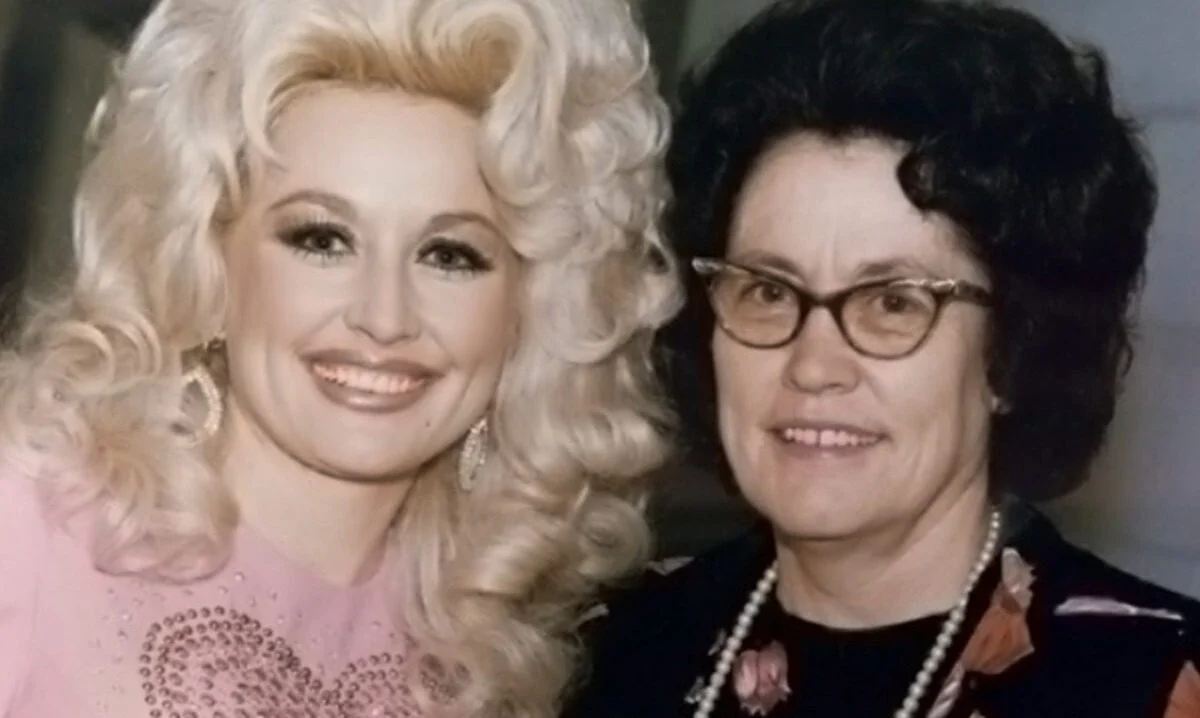
The musical heritage of the Appalachian Mountains has long been recognized as a cornerstone of American folk culture, yet few figures embody the soul of this tradition as profoundly as Avie Lee Parton. The recent reissue of Smoky Mountain Mama, a rare collection of recordings by the late matriarch of the Parton family, marks a significant milestone in the preservation of regional history. Originally released in 1990 as a limited-edition cassette available exclusively at the Dollywood theme park in Sevierville, Tennessee, the album has transitioned from a highly sought-after collector’s item to a digitally preserved archive of mountain music. This project, spearheaded by Owepar Entertainment—the independent label founded by Dolly Parton and her uncle Bill Owens in 1967—offers a rare glimpse into the vocal and stylistic origins of one of the world’s most celebrated musical icons.
The Matriarch of the Smoky Mountains: A Biographical Context
Avie Lee Parton was born Avie Lee Owens on October 5, 1923, in Lockhart, South Carolina. Growing up in a small cotton-farming community, she was the daughter of a preacher, a background that deeply influenced her musical and spiritual foundation. In 1939, at the age of 15, she married Robert Lee Parton, and the couple eventually settled in the rugged terrain of Sevier County, Tennessee. Together, they raised 12 children—six boys and six girls—in a household defined by material poverty but cultural and emotional richness.
The socioeconomic conditions of the Parton family during the 1940s and 1950s were emblematic of the broader Appalachian experience during the mid-20th century. Living in a one-room cabin in the Great Smoky Mountains, the family lacked electricity and running water for many years. Dolly Parton has frequently utilized her public platform to describe their upbringing as "dirt poor," often using the colloquialism "poor with three o’s" to emphasize the severity of their financial situation. However, Avie Lee Parton is consistently credited by her children as the primary architect of their resilience. Her ability to "make the best of what she had" became a survival skill that informed the family’s worldview and Dolly’s later philanthropic missions, including the internationally recognized Imagination Library.
The Musical Roots of the Parton Family
While Dolly Parton is the most famous product of this environment, the family’s musicality was a collective trait nurtured by Avie Lee. She was an accomplished vocalist and an interpreter of traditional mountain songs, ballads that had been passed down through generations of Scots-Irish and English settlers in the Appalachian region. These songs were not merely entertainment; they were a form of oral history, documenting the hardships, faith, and daily lives of mountain people.
As a teenager, Avie Lee performed in a gospel trio with her sisters, Estelle and Dorothy Jo. They were regular fixtures at local churches, revival meetings, and regional radio programs, establishing a reputation for harmony and emotional depth. This tradition of family performance continued into the late 1960s when Avie Lee formed a gospel group with her daughters Willadeene, Stella, and Cassie. This collaboration resulted in the project The Parton Family Sings In The Garden, which was recently reissued in 2024.
Dolly Parton has frequently cited her mother as her earliest and most significant musical influence. Avie Lee taught her children how to harmonize and introduced them to the narrative power of the "story song." The most famous tribute to this influence is Dolly’s 1971 hit "Coat of Many Colors," which recounts how Avie Lee stitched together a coat from rags given to the family, telling Dolly the biblical story of Joseph to instill a sense of pride in the garment despite the family’s poverty.
The History and Rarity of Smoky Mountain Mama
The Smoky Mountain Mama project was born out of a desire to archive Avie Lee’s unique repertoire before the oral traditions of the Smokies faded. Encouraged by her brother, Louis Owens, and her daughter Dolly, Avie Lee entered the studio in the late 1980s to record the folk songs and ballads she had sung to her children for decades.
Upon its release in 1990, the album was produced in very small quantities. Because it was sold only at Dollywood, it never reached mainstream retail channels, making it a "holy grail" for historians of Appalachian music and Parton family enthusiasts. For over three decades, the music existed primarily on aging cassette tapes, which are prone to degradation over time.
The restoration process for the 2024 reissue involved the recovery of a surviving quarter-inch reel-to-reel master tape. This high-fidelity source allowed engineers to clean up decades of hiss and age-related artifacts, presenting Avie Lee’s voice with a clarity that was previously unavailable to the public. The technical preservation of these recordings ensures that the specific vocal inflections and "old-time" phrasing used by Avie Lee—elements that are increasingly rare in modern country and folk music—are saved for musicological study.
Chronology of the Parton Family’s Recording Legacy
To understand the significance of the Smoky Mountain Mama reissue, one must look at the timeline of the family’s efforts to document their heritage:
- 1923: Avie Lee Owens is born in Lockhart, South Carolina.
- 1939: Avie Lee marries Lee Parton and moves to East Tennessee.
- 1946: Dolly Rebecca Parton is born, the fourth of 12 children.
- 1967: Dolly and Uncle Bill Owens found Owepar Entertainment, providing a platform for independent creative control.
- Late 1960s: Avie Lee, Willadeene, Stella, and Cassie record The Parton Family Sings In The Garden.
- 1990: Smoky Mountain Mama is released as a cassette-only souvenir at Dollywood.
- 2003: Avie Lee Parton passes away on December 5th at the age of 80 in Sevierville, Tennessee.
- 2024: Owepar Entertainment reissues The Parton Family Sings In The Garden and begins the restoration of the Smoky Mountain Mama masters.
- Current: The digital and physical reissue of Smoky Mountain Mama becomes available to a global audience.
Analysis of the Tracklist and Appalachian Traditions
The tracklist of Smoky Mountain Mama serves as a curated anthology of Appalachian folk music. Many of these songs are "child ballads" or variations of traditional English and Irish songs that evolved in the isolation of the Smoky Mountains.
- The Wedding Bells: A traditional song reflecting the themes of lost love and domestic tragedy common in mountain music.
- Little Rosewood Casket: A classic sentimental ballad dating back to the late 19th century, often associated with the "parlor songs" that migrated into folk traditions.
- The Eastbound Train: A narrative song involving themes of family and separation, often performed in a bluegrass or old-time style.
- Three Babes: Also known as "The Wife of Usher’s Well," this is a centuries-old supernatural ballad about a mother visited by the ghosts of her children.
- Orphan Girl: A staple of early country music (recorded famously by the Carter Family), illustrating the harsh realities of social welfare in rural America.
- Pretty Fair Miss: A variation of "A Pretty Fair Maid in the Garden," a "broken token" ballad where a soldier returns to test the faithfulness of his lover.
- The Blind Child: A tragic song used to evoke empathy and moral reflection, common in the evangelical traditions of the region.
- Two Orphans: Another narrative focusing on the vulnerability of children, a recurring theme in Avie Lee’s repertoire.
- Little Bessie: A song often sung at funerals, reflecting the high infant mortality rates and the religious coping mechanisms of 19th-century mountain life.
These tracks highlight a specific aesthetic: the "lonesome sound." This style is characterized by a raw, emotive vocal delivery that prioritizes the story over technical polish. Avie Lee’s renditions provide a direct link to a pre-industrial musical era.
Implications for Cultural Preservation
The release of Smoky Mountain Mama is more than a commercial venture; it is an act of cultural preservation. Ethnomusicologists have noted that the distinct dialects and musical phrasing of the Southern Highlands are rapidly disappearing due to globalization and the homogenization of mass media. By releasing these recordings, Owepar Entertainment provides a primary source for the study of Appalachian linguistics and vocal stylings.
Furthermore, the project reinforces the importance of women in the transmission of folk culture. While male figures like Bill Monroe or Ralph Stanley are often cited as the "fathers" of bluegrass and mountain music, it was women like Avie Lee Parton who maintained the oral traditions within the home, teaching the next generation the songs that would eventually form the bedrock of the Nashville recording industry.
Official Response and Legacy
While Avie Lee Parton passed away in 2003, her children have remained vocal about the necessity of this project. Dolly Parton has frequently stated in interviews that her mother was the "true artist" of the family, possessing a "good heart" and a "pure soul" that she has tried to emulate throughout her career. The restoration of Smoky Mountain Mama is seen by the Parton family as a fulfillment of a promise to keep their parents’ legacy alive.
Industry analysts suggest that the reissue will likely find a significant audience among folk historians and Dolly Parton’s global fanbase, which has grown exponentially in recent years. As Dolly continues to break records—most recently with her foray into rock music and her ongoing literary successes—the interest in her origins has never been higher.
In conclusion, Smoky Mountain Mama stands as a testament to the enduring power of Appalachian music and the woman who helped shape a legend. Through the careful restoration of these rare recordings, the voice of Avie Lee Parton will continue to resonate, ensuring that the "old mountain songs" are not lost to time but are instead celebrated as a vital piece of the American musical tapestry.