Mia Khoirunisa
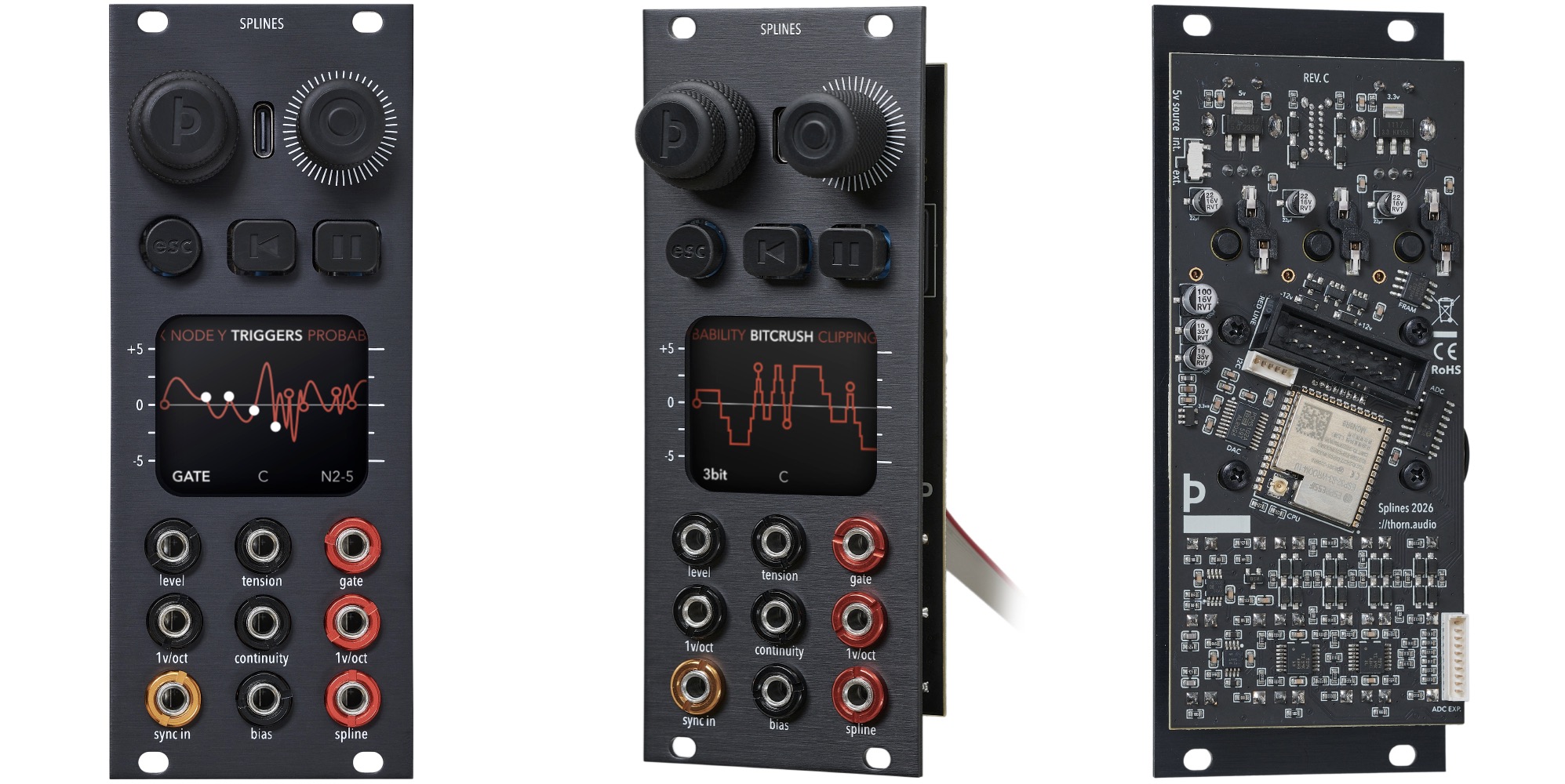
Thorn Audio has introduced "Splines," a groundbreaking Eurorack module that transcends conventional design by integrating an oscillator, step sequencer, modulation and envelope source, quantizer with custom tunings, and even a waveform oscilloscope, all driven by an interactive, animated visual interface. This sophisticated module promises to empower musicians and sound designers with unprecedented control over signal generation and manipulation, moving beyond the typical "do-everything" approach to offer a deeply expressive and precise tool for sonic sculpting.
The development of Splines represents a significant leap forward in the Eurorack landscape, merging complex mathematical concepts with intuitive hardware design. Early beta testers have lauded the module as an "indispensable tool," blending the precision of laboratory equipment with the creative freedom of an art studio, and offering a unique way to bend musical expression through time. The module’s display is notably praised for its tactile feel, achieved through responsive controls that allow users to navigate every parameter and node with a sense of physical interaction, akin to mastering controls in a video game. The inclusion of custom tuning options for its quantization capabilities has also been a highlight, addressing a long-standing desire within the modular community for more granular control over pitch.
A Deep Dive into Splines: From Mathematical Concept to Musical Instrument
At its core, "Splines" leverages the power of splines – a mathematical construct defined by piecewise polynomial functions. These functions are engineered to create smooth interpolations between data points, forming the backbone of techniques used in fields ranging from vector graphics and animation to the precise control of motion curves. In the context of Eurorack synthesis, this mathematical foundation translates into the ability to generate and modulate intricate patterns and shapes with remarkable fluidity.
The concept of splines is not new to digital design. Users have likely encountered them when applying easing to points in Digital Audio Workstations (DAWs) or video editing software, or when crafting curved shapes in vector illustration tools like Adobe Illustrator. The ubiquitous Pen tool in Illustrator, for instance, utilizes Bézier curves, which are a specific type of spline. Another notable example is the Catmull-Rom spline, developed by computer scientists Raphael Rom and Ed Catmull in 1974. This spline type is characterized by its simplicity: a set of points is provided, and a smooth curve is generated through interpolation at each point, with the curve points themselves also acting as control points. This makes it a common starting point for those exploring creative coding, often seen in functions like the curve() function in Processing.
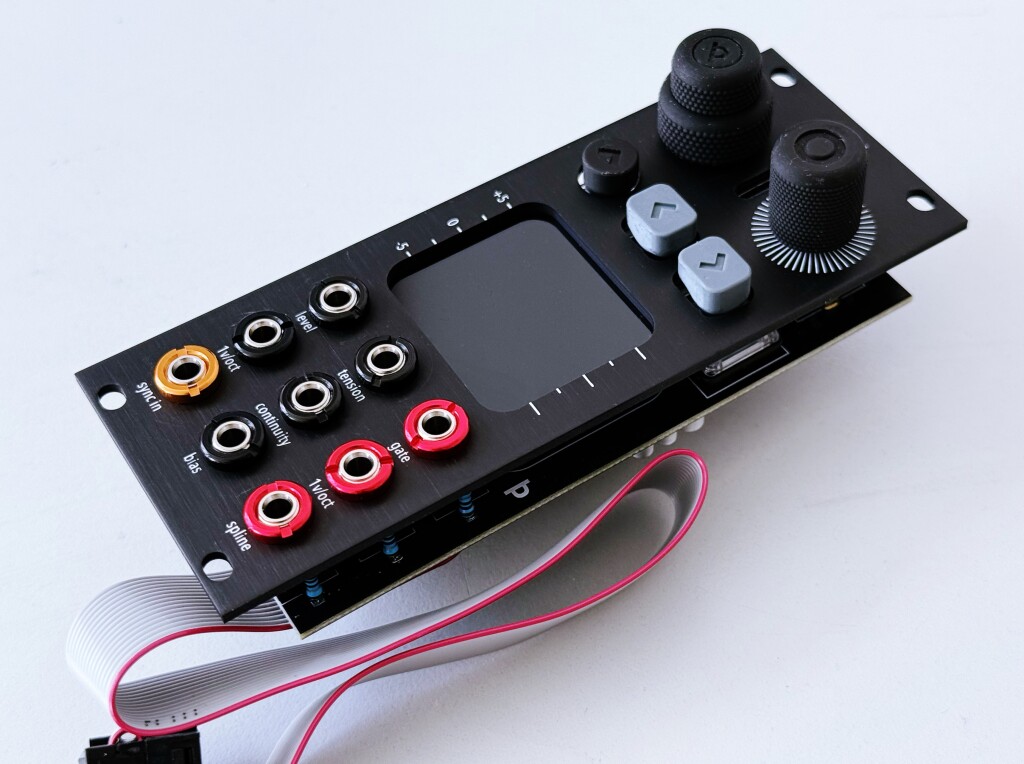
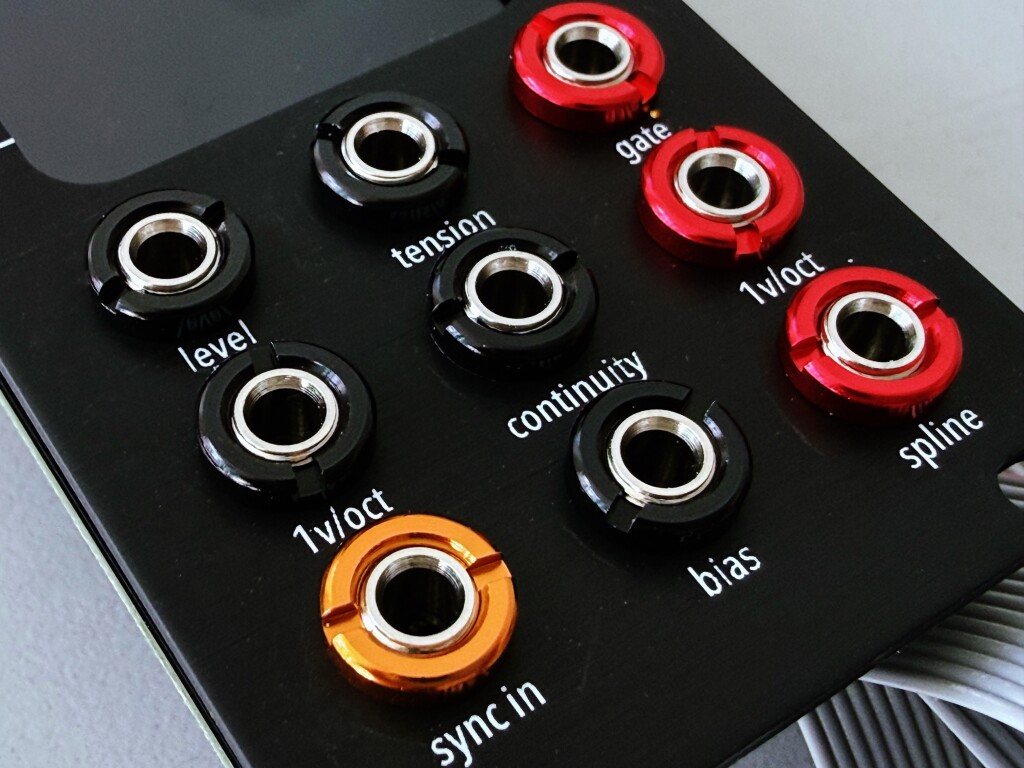
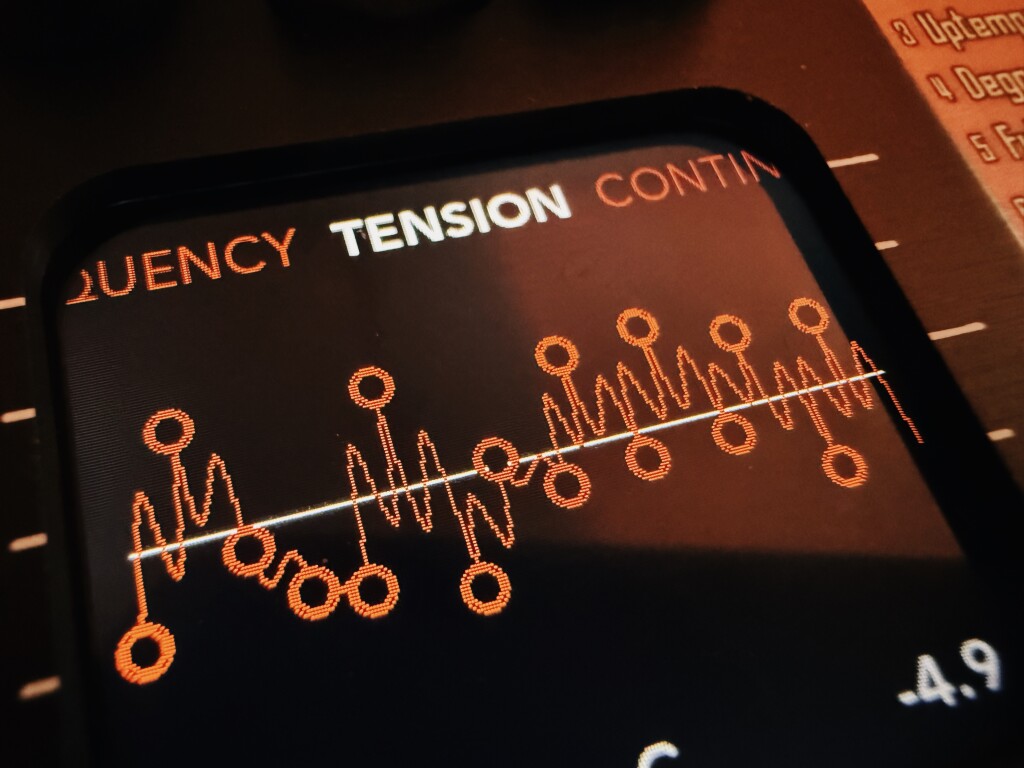
However, Thorn Audio’s "Splines" module pushes beyond this foundational approach. Instead of solely relying on simpler spline types, it builds upon the more sophisticated 1984 Kochanek-Bartels spline. This particular spline offers three key parameters – tension, bias, and continuity – which are ideally suited for hardware implementation that allows for easy tweaking and Voltage Control (CV) modulation. The Kochanek-Bartels spline was originally developed by Doris Kochanek of the National Film Board of Canada and Richard Bartels of the University of Waterloo. Its flexibility and control have made it a favored method in professional software such as 3D Studio Max and Newtek Lightwave. Specifically, "Splines" employs a cubic Hermite spline with Kochanek-Bartels tangents, allowing for nuanced control over curve characteristics.
The inspiration for incorporating this advanced spline mathematics into a musical instrument can be traced, in part, to the work of independent game designer and educator Freya Holmér. Her explorations into concepts like vector multiplication and the nuances of interpolation smoothing have informed the development process. The fundamental questions of what constitutes a "path" and what defines "smoothness" are as relevant to the creation of sonic textures as they are to visual motion and game design.
The Genesis of Thorn Audio’s Splines: A Labor of Love
The creation of "Splines" is the result of an exquisite labor of love by engineer and developer Hallvard Kristiansen. Kristiansen, also known for his long-standing work as a repair technician at Schneidersladen, previously contributed to Thorn Audio’s catalog with the well-received VCLFO module. While the VCLFO is recognized for its tactile experience with large dials and fixed waveforms, "Splines" marks a departure with its advanced visual, digital interface. This new approach takes the precision associated with mathematical functions and allows users to elaborate on a vast array of new shapes and patterns, all dynamically generated and manipulated through spline technology.
The user interface, a critical component of the module’s success, was meticulously crafted in collaboration with Joni Caparas, who worked with Kristiansen to produce a fluid and highly usable visual experience. The overarching goal of this sophisticated mathematical framework is to enable users to sculpt curves and shapes with a level of ease and intuitiveness that mirrors their own imagination.
Hardware Design: Precision in a Compact Footprint
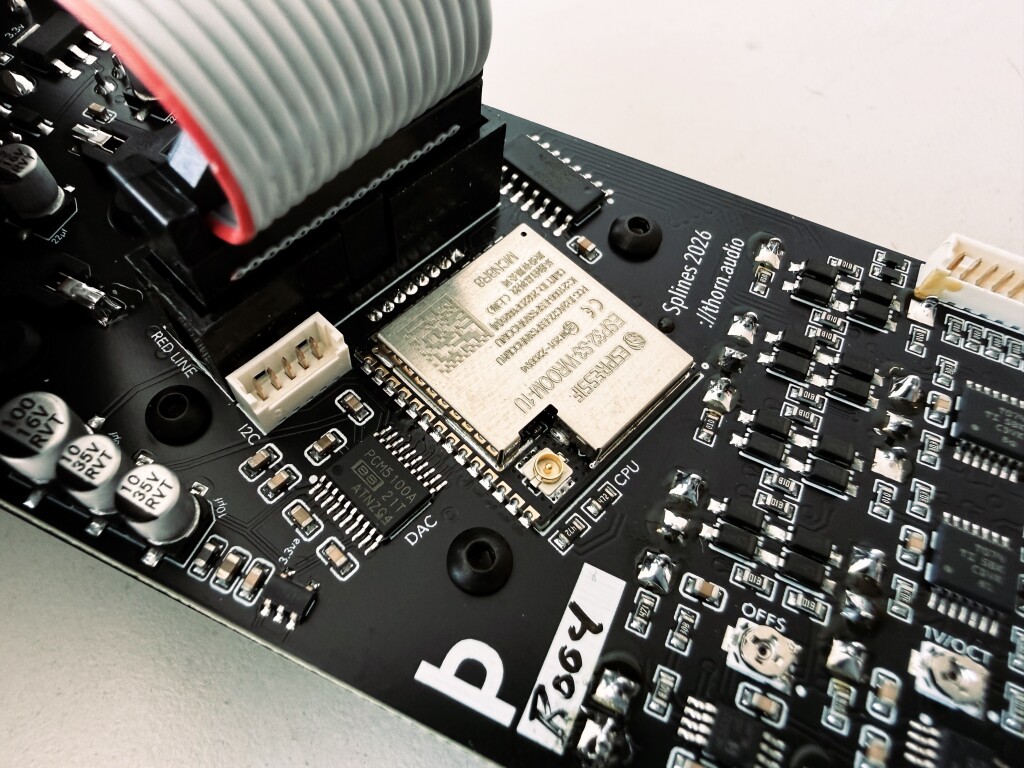
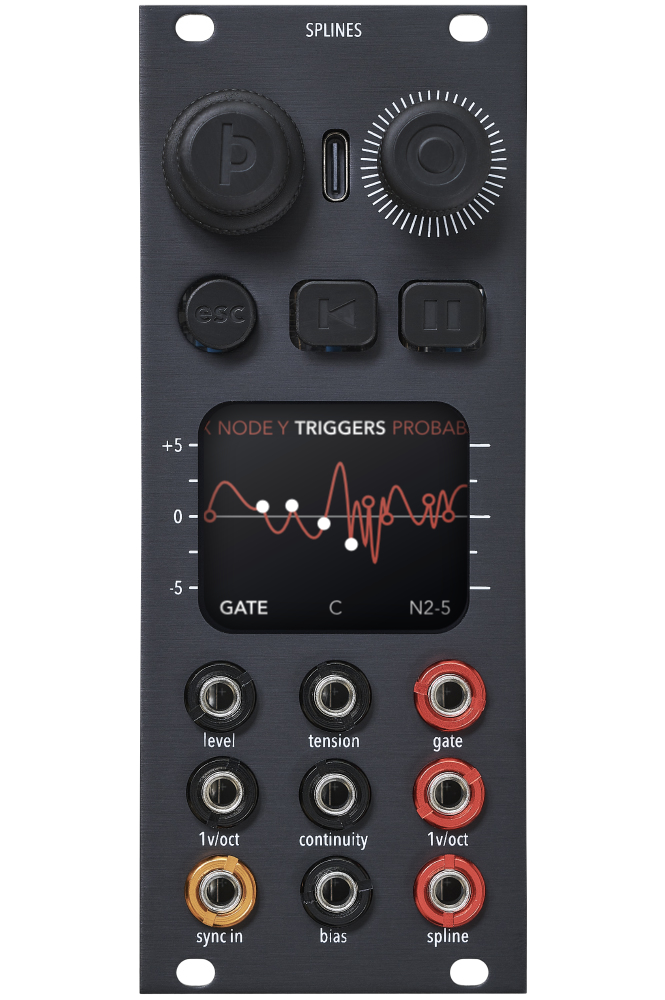
Thorn Audio has equipped "Splines" with robust hardware designed to handle the complex spline processing required. The module, housed in a compact 10HP Eurorack format, offers an expansive range of possibilities without sacrificing valuable rack space. Key hardware specifications include:
- Processor: An ESP32 microcontroller, known for its powerful processing capabilities and Wi-Fi/Bluetooth connectivity, provides the computational backbone for the module’s advanced functions.
- Display: A high-resolution, animated visual interface that serves as the primary means of interaction and feedback, allowing users to see the curves and their manipulations in real-time.
- Encoders and Buttons: Tactile controls that facilitate intuitive navigation through menus, parameter adjustments, and node manipulation, contributing to the module’s "tactile" feel.
- CV Inputs/Outputs: Extensive connectivity for integration into existing Eurorack systems, allowing for external control and modulation of spline parameters, as well as the output of generated signals.
- Trigger and Gate I/O: Essential for synchronization with sequencers and other rhythmic modules.
The module’s design prioritizes accessibility, ensuring that complex operations are not buried within convoluted menu structures. Instead, adjustments to frequency, tension, continuity, bias, and other curve-shaping behaviors are made directly through simple encoder twists and button presses, or via CV patching.
Unlocking the Power of Splines: Multifunctionality Beyond Expectation
The true power of "Splines" lies in its remarkable versatility, enabling it to perform a wide array of functions within a single module:
- Oscillator: By increasing the frequency parameter, "Splines" can function as a unique spline-based wavetable oscillator, generating complex and evolving timbres.
- Envelope Generator: Users can craft intricate and dynamic envelopes, with parameters that allow for precise control over curve shapes, effectively creating unique amplitude or modulation contours.
- VCA Replacement: With an incoming envelope signal (either from another module or even another instance of "Splines"), the module can effectively act as a Voltage Controlled Amplifier, shaping the amplitude of other signals.
- Step Sequencer: "Splines" can be configured as a step sequencer, offering the ability to synchronize with an external clock or trigger for precise rhythmic control. The spline-based nature allows for highly nuanced and evolving rhythmic patterns.
- LFO (Low-Frequency Oscillator): Similar to its role as an oscillator, "Splines" can generate LFOs with complex, non-standard waveforms derived from splines, providing rich modulation sources.
- Quantizer: The module includes a sophisticated quantizer with support for Scala tunings, allowing for precise pitch control and the creation of musical scales beyond standard Western temperament. This feature is particularly valued for its ability to facilitate microtonal and experimental tuning systems.
- Signal Visualizer/Oscilloscope: The animated interface doubles as a powerful visual feedback tool, allowing users to monitor and analyze the generated waveforms and control signals in real-time, akin to a laboratory oscilloscope.
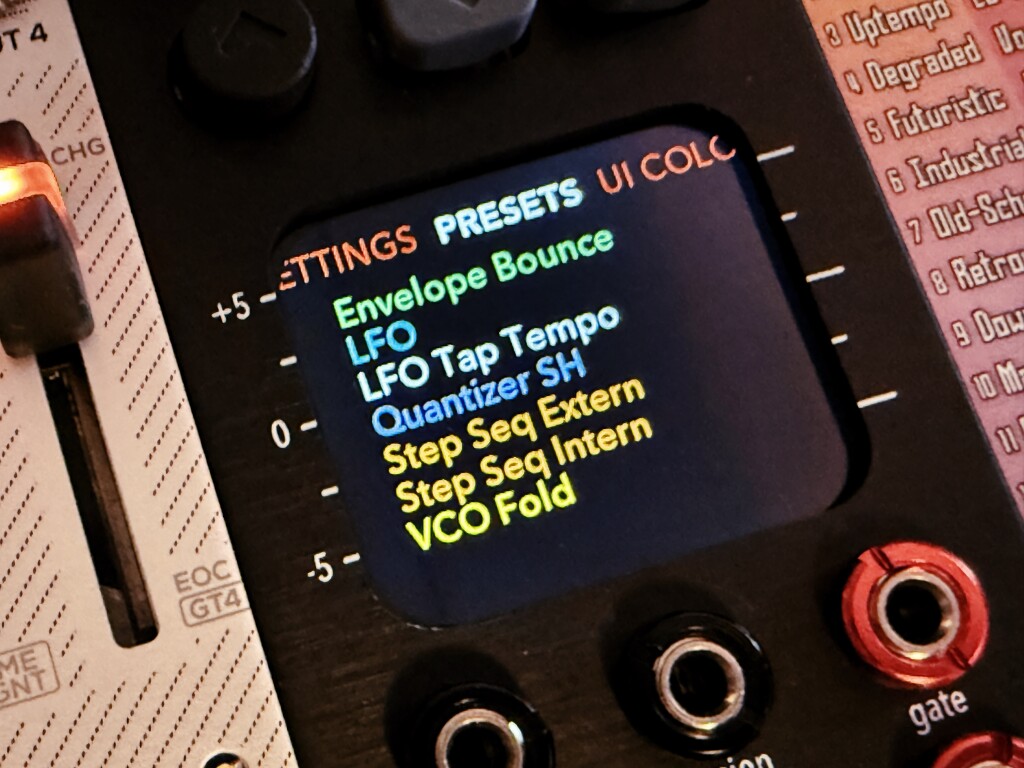
This multifunctionality sets "Splines" apart from many single-purpose Eurorack modules. While some modules offer extensive capabilities, they often come with a steep learning curve due to complex menu diving and mode switching. "Splines," conversely, achieves its comprehensive functionality through a "flat" menu system, extensive visual feedback, and easily adjustable parameters. This design philosophy makes it accessible to both novice and experienced modular users.
A New Paradigm for Modular Interaction
The "Splines" module appears to represent a significant step towards realizing the initial vision of modular synthesis: an intuitive, hands-on instrument that fosters direct creative interaction. While modules like Mutable Instruments’ Ornament & Crime have previously demonstrated the potential of combining digital flexibility with analog signal workflows, "Splines" distinguishes itself through its highly visible and user-friendly screen. This visual clarity, coupled with the immediate accessibility of its parameters, positions it as more of a standalone instrument rather than just a complex utility.
The addictive nature of the module, as described by early users, stems from the immediate responsiveness of its controls. Every setting, from node manipulation to curve shaping, is readily available via a simple twist or press of an encoder. Nothing is hidden, allowing for direct manipulation and patching from other modules. This direct engagement fosters a sense of exploration and discovery, making the process of sound design feel organic and immediate.
The broader implications of "Splines" extend to how complex mathematical concepts can be democratized and integrated into creative workflows. By translating advanced spline mathematics into an intuitive and visually engaging hardware module, Thorn Audio is making sophisticated signal generation and manipulation accessible to a wider audience within the modular community. This could inspire further innovation in the development of musical instruments that bridge the gap between scientific principles and artistic expression.
The ongoing development and potential for future firmware updates suggest that "Splines" may continue to evolve, further solidifying its position as a foundational module for creative sound design and musical exploration in the Eurorack ecosystem.
For those interested in delving deeper into the technical underpinnings, Thorn Audio provides a wealth of information on their website, including details on the module’s specifications and its potential applications.
Further details can be found at: https://thorn.audio/splines
The article will continue to monitor developments and potential follow-up content regarding Hallvard Kristiansen’s development process and further explorations of the "Splines" module’s capabilities.
Disclosure: The author has a long-standing professional relationship with Hallvard Kristiansen, who has provided essential server administration for CDM. This relationship does not influence the objective reporting of this product.
Addendum: For a historical perspective on interpolation, a 1996 ASCII text narrative on interpolation for the POV-Ray raytracer, written by Steve Noskowicz, can be found at https://news.povray.org/povray.binaries.tutorials/attachment/%[email protected]%3E/Splines.bas.txt.
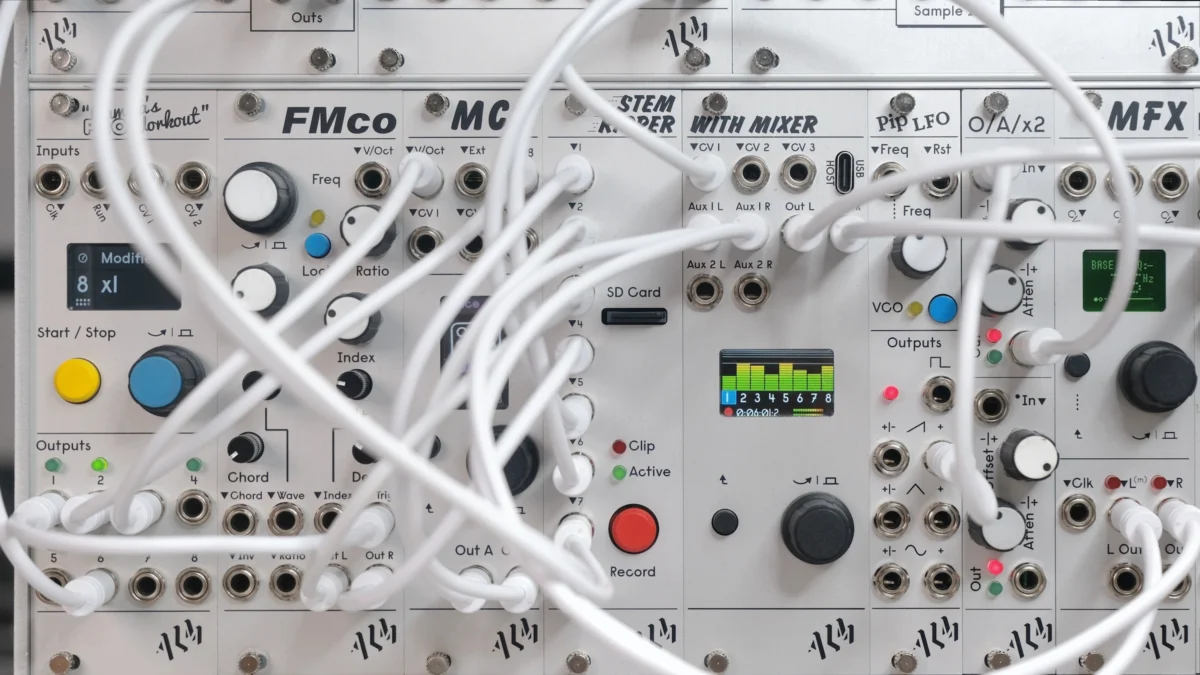
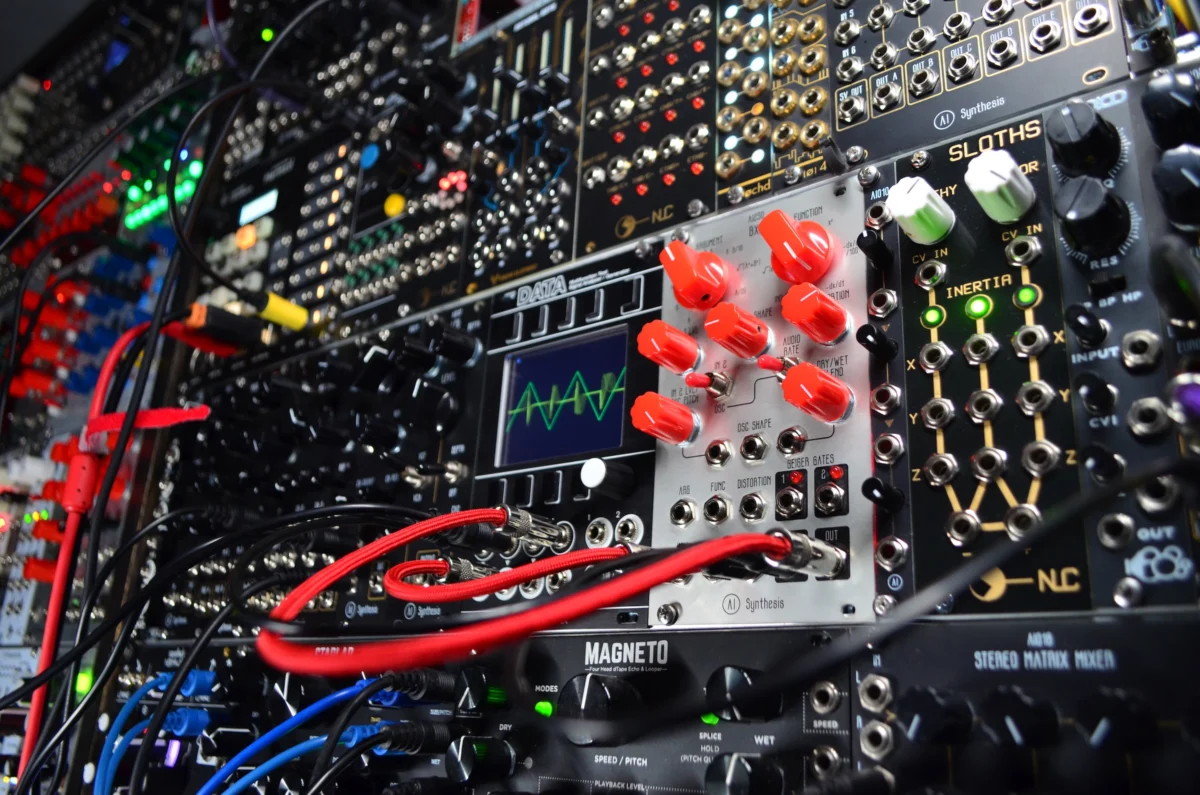
Feature photo at top, main panel; three modules in black and silver – Paul D. Pape – derwellenreiter, Berlin, Germany. Used with permission. All other photos: CDM.