Aveline Kirana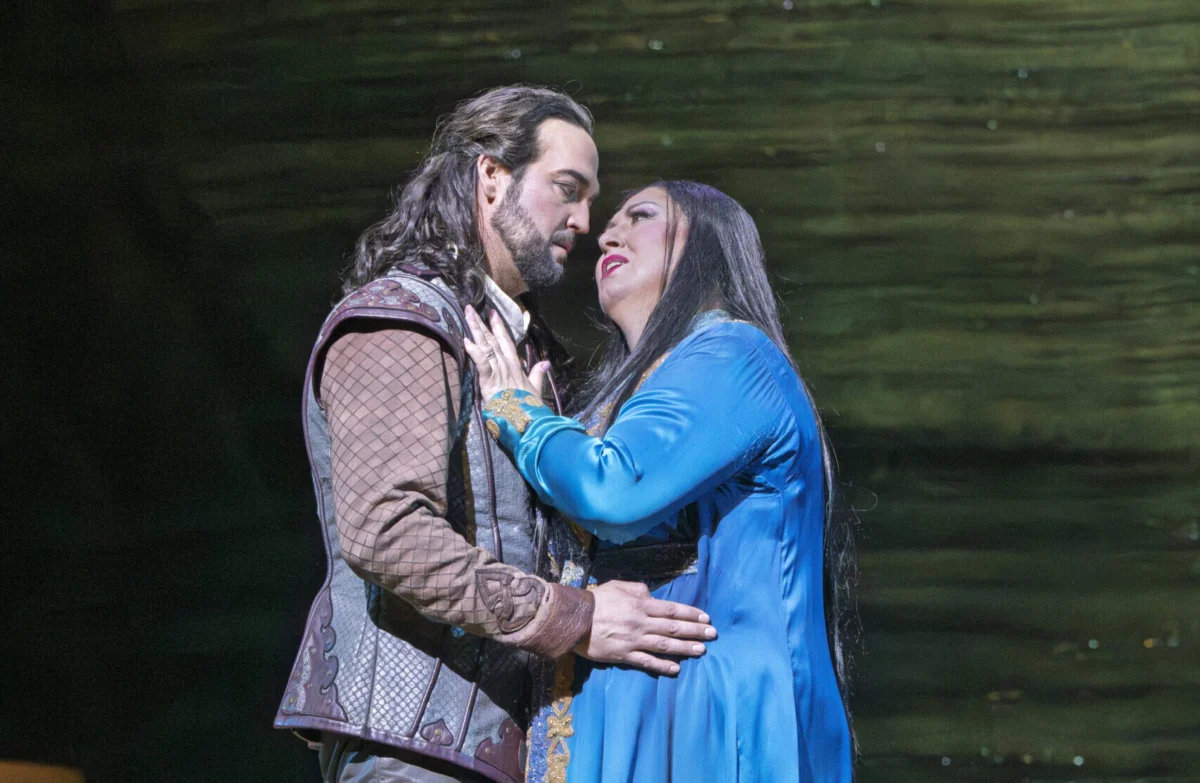
The Metropolitan Opera reignited its production of Giacomo Puccini’s monumental opera, "Turandot," on May 19, marking the second engagement of this celebrated work in its current season. This revival, set against the backdrop of Franco Zeffirelli’s iconic and lavish staging, showcased a cast of powerful vocalists, though the overall performance, according to critics, grappled with a discernible lack of stage chemistry and sustained dramatic energy. The production, a long-standing favorite with Met audiences for its epic scope and beloved melodies, continues to be a visual spectacle, drawing applause for its meticulously crafted scenes and the sheer scale of its presentation.
A Monumental Vision: Zeffirelli’s Enduring "Turandot"
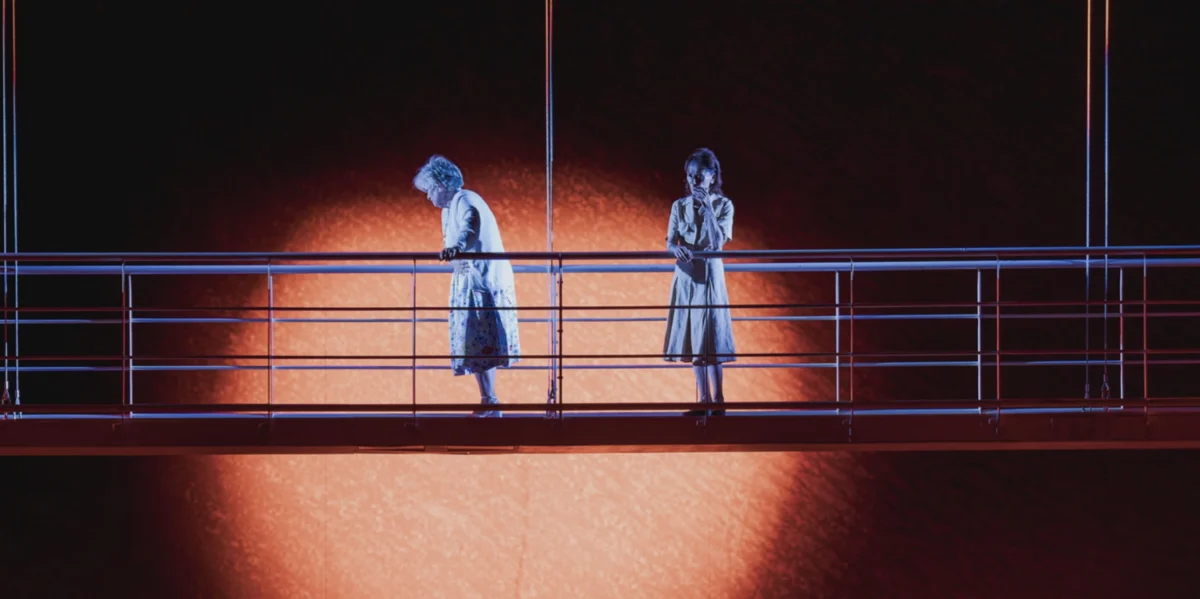
Franco Zeffirelli’s production of "Turandot" remains a cornerstone of the Metropolitan Opera’s repertoire, a testament to his singular vision for grand opera. This revival, in particular, leverages the full arsenal of the company’s technical and artistic resources. The second act and the climactic conclusion of the third act continue to elicit fervent applause, underscoring the production’s enduring power to transport audiences into its opulent and dramatic world. In an era where contemporary directors often struggle to command the vast expanse of the Met stage, Zeffirelli’s design masterfully creates a sense of depth and expansiveness. This allows ample room for the chorus, soloists, supers, and dancers to move with fluidity, avoiding the congestion that can plague large-scale productions. The deliberate spacing of each performer contributes significantly to the staging’s success, ensuring that no element feels cramped or marginalized, thereby enhancing the overall visual impact and narrative clarity. This approach to stagecraft, which prioritizes both visual grandeur and spatial coherence, has cemented Zeffirelli’s "Turandot" as a benchmark for operatic staging.
Vocal Prowess and Performance Nuances
In the demanding title role of the ice princess Turandot, soprano Anna Pirozzi returned to the Metropolitan Opera stage for the first time since her debut in 2019. Her previous engagement, a single performance of "Macbeth," means that this "Turandot" represents her most significant full production with the company, offering a more substantial platform to showcase her vocal capabilities.
Pirozzi possesses a naturally dramatic timbre, a voice that demonstrably commands the orchestra and fills the opera house with a searing, formidable sound. This vocal power was particularly evident during her rendition of "In Questa Reggia." Her opening lines delivered with imposing strength, and the climactic phrase "quel grido e quella morte!" resonated with undeniable fortitude, her high notes ringing with a commanding presence that was impossible to disregard. While subsequent lyrical passages, such as "Mai nessun m’avrà! Ah, rinasce in me l’orgoglio di tanta purità!", were delivered with thrilling intensity, there were moments where the tone occasionally veered towards the metallic.
A notable observation regarding Pirozzi’s performance was the perceived disconnect in the more lyrical phrases within her middle voice, such as "Principessa Lou-Ling, ava dolce e Serena." These passages, along with others in her lower register, sometimes felt truncated, with legato lines appearing disjointed. This observation extended to the challenging riddle scene, where Pirozzi seemed more at ease with the powerful, declamatory lines than with the subtler nuances of her middle and lower vocal registers. These sections, in particular, lacked the dynamic variation and the full dramatic weight that the character demands. However, her interpretation of "Figlio del cielo" did reveal glimpses of Pirozzi’s dramatic impulses, conveying Turandot’s desperation through an expressive line.
The third act marked a significant improvement for Pirozzi’s performance. In the duet with Alfano, she exhibited complete command of her instrument. Her middle voice became notably richer, particularly in the phrase "Del primo pianto," and as the duet progressed towards its conclusion, her high notes regained their power and brilliance.
As Prince Calaf, tenor Brian Jagde delivered a performance characterized by a newfound nuance, especially in the first act, a departure from previous observations of his singing. His interpretation of "Non Piangere Liu" featured an ardent and suave legato line that gradually built to an explosive fortissimo at the end of the choral concertato. Jagde’s repeated pronouncements of "Turandot" were punctuated by thunderous high notes and a resonant vocal quality.
Jagde’s performance in the second act was particularly impressive, marked by a confident stage presence. At the conclusion of "In Questa Reggia," his voice blended impeccably with Pirozzi’s as he delivered the line "No, no! Gli enigmi sono tre, una è la vita!" During the riddle scene, Jagde effectively conveyed the tension inherent in Calaf’s ordeal. He strategically employed pauses between his answers, allowing the audience a glimpse into his character’s thought process and amplifying the dramatic suspense. Each subsequent answer grew in vocal power, culminating in a final "La mia vittoria ormai t’ha data a me!" delivered with formidable strength. His rendition of "Ti voglio ardente d’amor!" was especially noteworthy, as he navigated the higher tessitura with ringing clarity.
In the third act, Jagde approached "Nessun Dorma" with sustained stamina and power. While his performance was vocally impressive, there were moments where a greater contrast in his opening phrases and in the repetition of the main melodic theme in "Ed il mio bacio scioglierà il silenzio" would have enhanced the emotional impact. In the duet with Pirozzi, Jagde’s voice resonated with a booming tone and a sense of triumphant authority.
The Challenge of Chemistry
Despite the individual vocal strengths of the principal singers, the most significant detraction from the evening’s success was the perceived lack of chemistry between Pirozzi and Jagde. While the inherent nature of Turandot as an "ice princess" and Calaf as a newly encountered heroic prince allows for initial distance, the dramatic tension of Act Two requires a palpable connection to be convincing. When the two leads appeared disconnected, seemingly more focused on vocal execution than dramatic interaction, the performance risked devolving into a vocal competition. This reliance on a more traditional, less interactive operatic style, where singers primarily stand and sing, while potentially effective for some, failed to resonate with critics seeking a more integrated dramatic experience. While constant movement is not a prerequisite, a greater degree of on-stage interaction and character engagement was noted as a missed opportunity. Jagde did follow Pirozzi’s movements during the Act Three duet, but a reciprocal emotional response seemed absent. Pirozzi’s tendency to break character, particularly when descending a staircase, was also observed as a distracting element. It is hoped that as the run progresses, these interpersonal dynamics will evolve and strengthen.
A Spectrum of Performances
Soprano Angel Blue reprised her acclaimed role as Liù, a role she first performed at the Met in 2024. Her performance on this occasion presented a mixed but ultimately compelling portrayal. In her first act aria, "Signore, ascolta," Blue showcased a resonant middle voice and beautifully executed legato phrases. However, as she ascended to her upper register, the vocal quality became somewhat rough and unsteady, lacking the desired bloom and fullness. Her stage presence during this scene also appeared somewhat uncomfortable.
The third act saw Blue deliver a particularly moving performance during the torture scene. Her rendition of "Tanto amore segreto" was among her most expressive moments, characterized by radiant piano lines. In "Tu che di gel sei cinta," Blue committed fully, her voice cutting through the orchestra with potent clarity. The purity of her tone was evident, and her acting reached its most gripping intensity. Despite these strengths, her upper register continued to lack the expected brightness, and her attempts at pianissimos in the passaggio were often curtailed.
Bass-baritone John Relyea offered a noble portrayal of Timur. While his vocal sound in the first act was initially somewhat dry, it warmed considerably as the performance progressed. In the third act, his delivery of "Liù, bontà!" was emotionally resonant, adding significant depth to the character’s paternal anguish.
The trio of Ping, Pong, and Pang, performed by Joo Won Kang, Andrew Stenson, and Tony Stevenson, respectively, emerged as a highlight of the evening. These artists relished their comedic and dramatic interactions, delivering their lines with exquisite legato, seamless vocal blending, and playful stagecraft that injected much-needed energy and wit into the proceedings.
Tenor Carlo Bosi sang Emperor Altoum with a steady and reliable vocal presence, while Ben Brady’s portrayal of the Mandarin was distinguished by a booming and authoritative bass-baritone.
Conducting and Orchestral Dynamics
In the pit, conductor Oksana Lyniv led the Metropolitan Opera Orchestra with a vibrant energy that propelled the score forward and maintained excellent synchronicity with the chorus. The orchestral performance featured several rousing moments, particularly in the grand choral numbers that punctuated the end of each act. However, the interpretation was noted for a certain lack of dynamic nuance, leading to Puccini’s complex score occasionally sounding monochromatic. The emphasis on "pomp and circumstance" and a consistently loud dynamic level sometimes overshadowed the singers, diminishing the dramatic storytelling and contributing to a predictable narrative arc. A significant issue identified was the conductor’s synchronization with the singers. During Act Two, particularly in "In Questa Reggia" and the riddle scene, there were instances where Lyniv appeared to fall behind the vocalists, creating an imbalance where Pirozzi and Jagde were either ahead or behind the musical pulse. This temporal dissonance, ironically, provided the most noticeable "tension" of the evening, albeit an unintended and disruptive one.
Looking Ahead
This revival of "Turandot" at the Metropolitan Opera has commenced its run with a visually stunning production and individual vocal performances of considerable power. However, the lack of cohesive dramatic chemistry between the principal singers and some orchestral and conducting challenges have tempered its initial impact. As the run progresses, there is an anticipation that the cast will find greater connection and that any lingering performance issues will be resolved, allowing the full dramatic and musical potential of Puccini’s masterpiece to be realized on the grand stage of the Metropolitan Opera. The history of opera productions often shows that performances deepen and coalesce over subsequent nights, offering hope for a more unified and emotionally resonant experience for audiences throughout the remainder of the engagement. The Metropolitan Opera’s commitment to staging such monumental works underscores its dedication to presenting opera at its most grand and ambitious.