Mia Khoirunisa
Ableton has officially launched the public beta of its much-anticipated Extensions SDK, a powerful new tool designed to empower users to extend the functionality of Ableton Live through code. Available for developers utilizing JavaScript, TypeScript, and Node.js, this release marks a significant step towards a more customizable and integrated music production environment. The SDK promises to unlock a new era of workflows, enabling users to connect Live with external web services, develop innovative scoring tools, and even integrate interactive elements like games directly within the Digital Audio Workstation (DAW).
For years, music producers and sound designers have encountered the inherent limitations of even the most sophisticated software. Creative visions often outpace the built-in features of a DAW, leading to workarounds or the reliance on third-party plugins. The Ableton Extensions SDK directly addresses this by providing a robust, code-based avenue for customization. This initiative, now accessible in its beta phase, invites a community of developers and technically-minded musicians to explore the boundaries of what’s possible within Live. Early testing, as reported by those involved since the initial builds, suggests a promising landscape of new workflows and capabilities.
The Dawn of Coded Extensions in Live
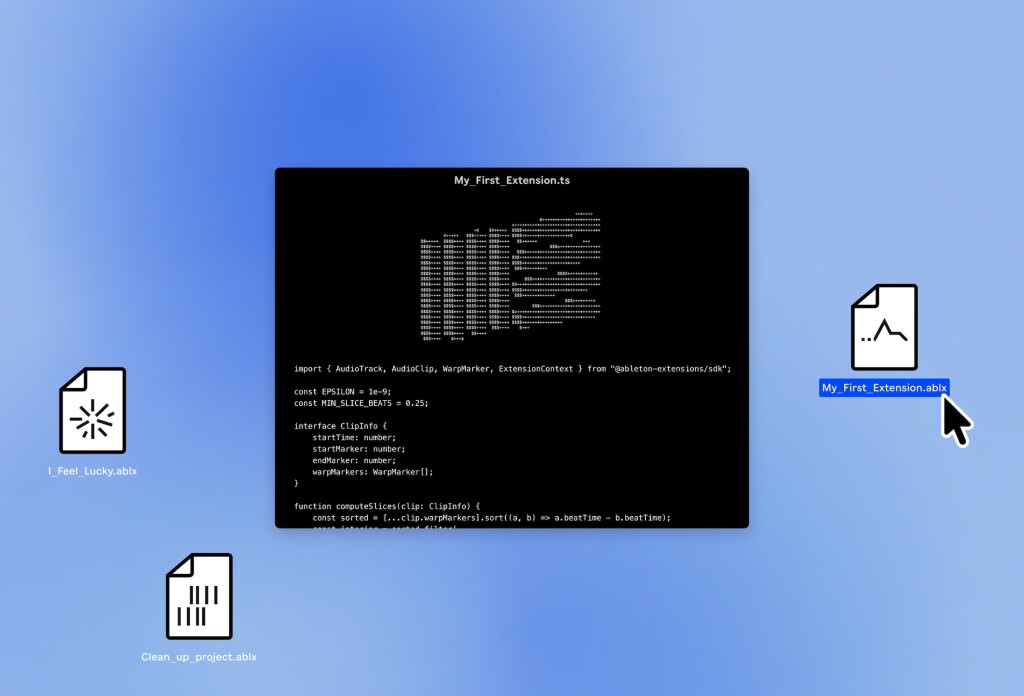
The introduction of the Extensions SDK signifies a pivotal moment for Ableton Live users. Unlike Max for Live devices, which are instantiated within the session, installed Extensions are globally available, offering a more seamless integration into the Live ecosystem. This means users can simply drag and drop extensions or even run in-progress code directly from their development environments, eliminating the need to restart Live for every modification during the development process. This immediate feedback loop is crucial for rapid iteration and experimentation.
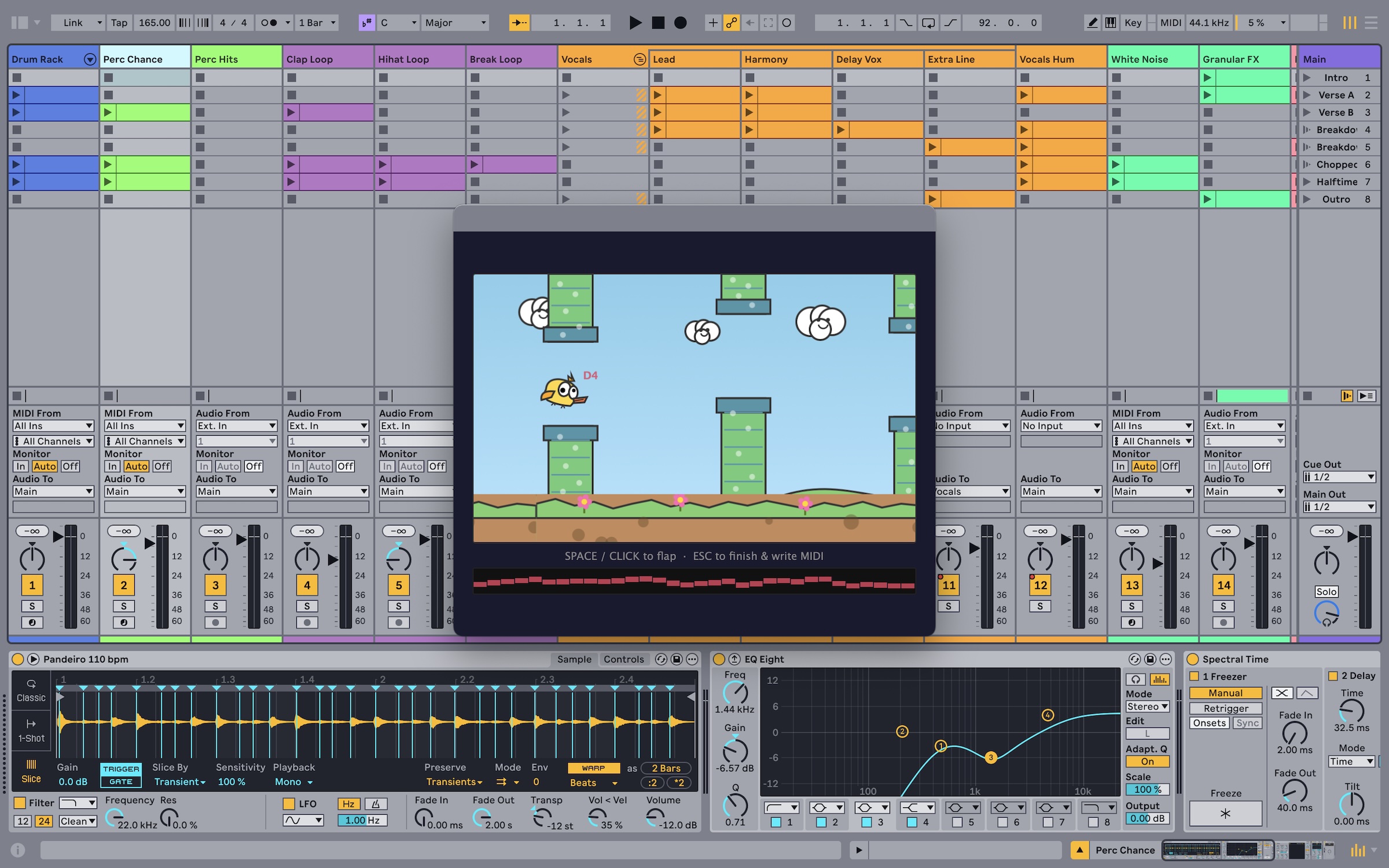
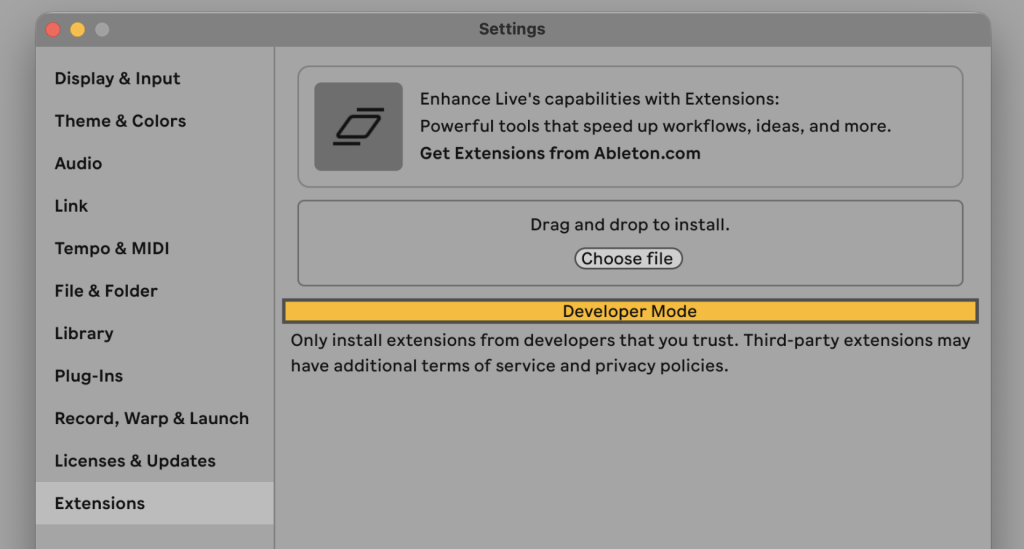
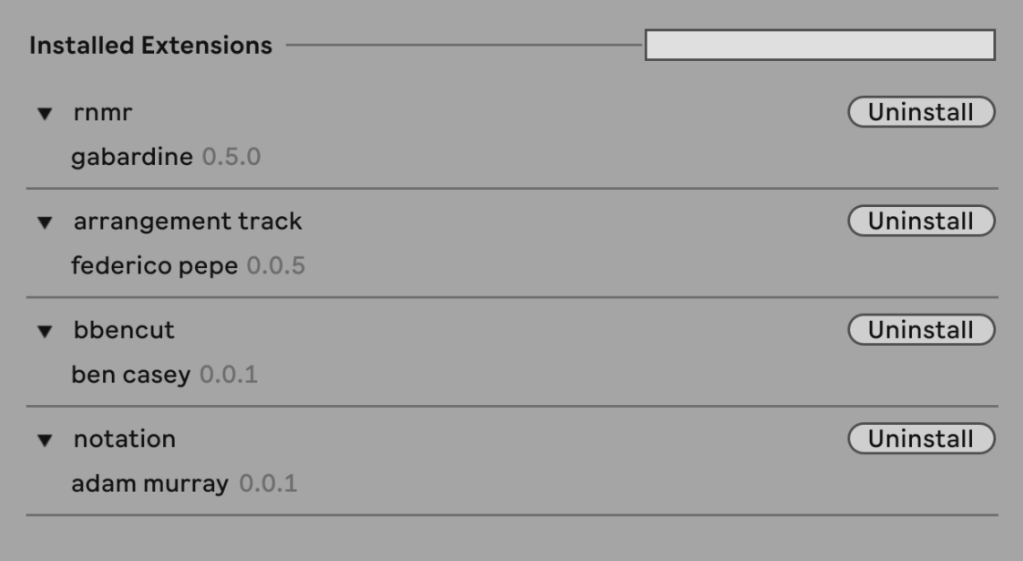
The initial beta release requires certain prerequisites for developers to get started. Once these are in place, users gain access to a suite of critical features designed to facilitate the creation and deployment of extensions. The user interface for managing these extensions is designed to be intuitive, allowing for easy installation and uninstallation of packaged extensions. This visual management system is a welcome addition, particularly for users who may be new to coding or wish to manage their extended Live environment efficiently. The ability to uninstall an extension, such as a game that might prove too distracting from music production, highlights the practical, user-centric design of the new feature.
Unveiling the Capabilities: What Extensions Can Do
The scope of what Ableton Live Extensions can achieve is vast, even in this early beta stage. While not every aspect of Live’s extensive functionality is currently accessible, the SDK provides access to a significant number of core features, offering ample opportunity for creative exploration. Early testers and developers have already showcased a diverse range of innovative applications, demonstrating the SDK’s potential.
One of the most exciting aspects of this release is its ability to streamline repetitive and time-consuming tasks. In an era where discussions about AI-powered music creation are rampant, the Extensions SDK offers a more tangible and human-driven approach to automation. For instance, extensions can automate the loading of complex Drum Racks, perform tedious post-production tasks, or manage game audio assets within a Live session. This ability to reduce manual effort allows musicians to focus more on the creative aspects of their work. The author of the initial report expressed enthusiasm for honing JavaScript and TypeScript skills, indicating a broader appeal beyond seasoned programmers.
Furthermore, the SDK is not intended to create an automated, robotic version of Live. Instead, it empowers individual users to create highly specific, sandboxed tools tailored to their unique intentions and workflows. This emphasis on human-driven creativity is a key philosophical underpinning of the Extensions initiative.
Illustrative Use Cases and Developer Insights
The public beta has already yielded a compelling array of early examples, highlighting the diverse applications of the Extensions SDK. These include:
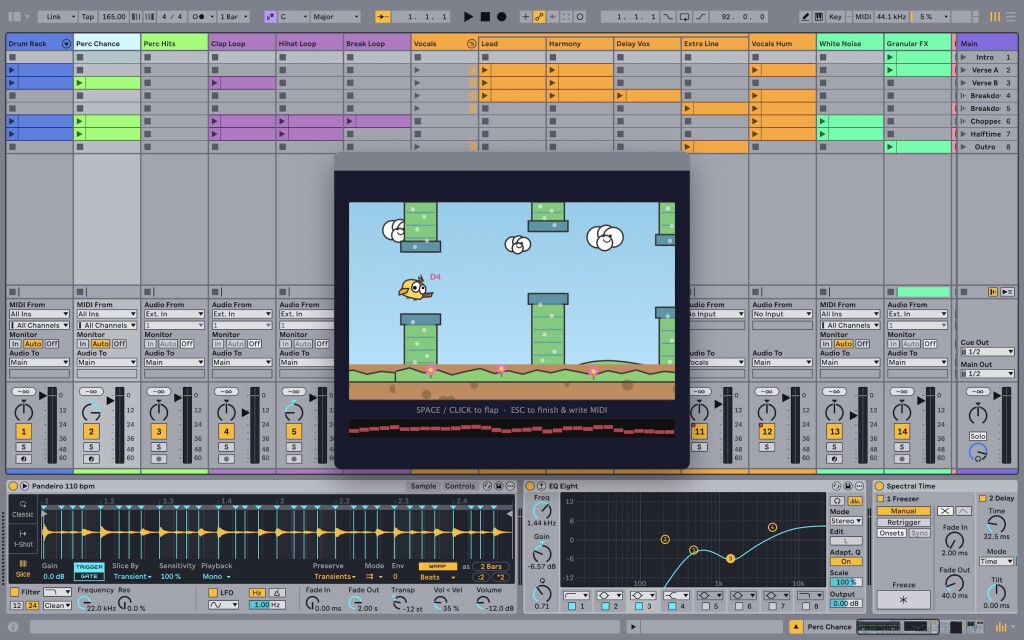
- Interactive Games: Perhaps one of the most attention-grabbing examples is the integration of games like "Flappy Bird" directly within Live. These extensions can go beyond mere entertainment, with gameplay actions potentially influencing musical elements within a project, such as collecting notes to form a melody.
- Advanced Audio Manipulation: The SDK enables the integration of sophisticated audio processing algorithms. An example cited is the inclusion of Nick Collins’ library for breakbeat chopping, reminiscent of SuperCollider’s capabilities. The legendary PaulStretch algorithm has also been brought into Live, powered by WebAssembly integration. This demonstrates how even complex C++ libraries can be leveraged within Live Extensions, opening up possibilities previously thought to be beyond the reach of scripting APIs.
- Enhanced Workflow Tools: Beyond complex audio processing, extensions can significantly improve daily workflows. Examples include tools for more readable clip naming, and more comprehensive arrangement structuring. One such extension allows users to define song sections, regions, and arrangement locators by bar count, providing a more organized approach to project management.
- MIDI Generation from Visuals: The perennial idea of converting images into MIDI data has also found a home within the Extensions SDK, showcasing its ability to bridge different creative domains.
The use of WebAssembly (Wasm) is a notable trend emerging from the early development community. Wasm allows developers to compile code written in languages like C++, Rust, or Go into a format that can run efficiently in web browsers and, by extension, within the Live Extensions environment. This significantly broadens the pool of available libraries and algorithms that can be integrated, pushing the boundaries of what was previously considered possible with a scripting API.
Developing Extensions: A Glimpse into the Process
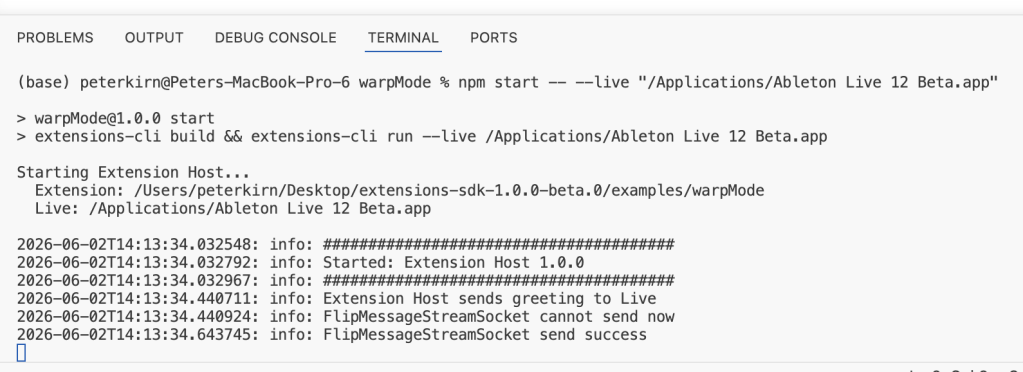
Creating a new extension is designed to be an accessible process for developers. It typically involves creating a dedicated folder, utilizing a terminal-based wizard to set up the project structure, and then building the extension using npm (Node Package Manager). The SDK includes an extension host that allows for immediate application of changes without requiring a full restart of Ableton Live, a feature that significantly accelerates the development cycle.
While the initial setup is straightforward, the actual coding requires a foundational understanding of programming concepts. The author of the initial report acknowledges that while tools like VS Code and even AI coding assistants can be utilized, a degree of programming knowledge is still essential. The development workflow often involves editing TypeScript code within an Integrated Development Environment (IDE) like VS Code, managing project dependencies with npm, and executing build commands via the command line interface.
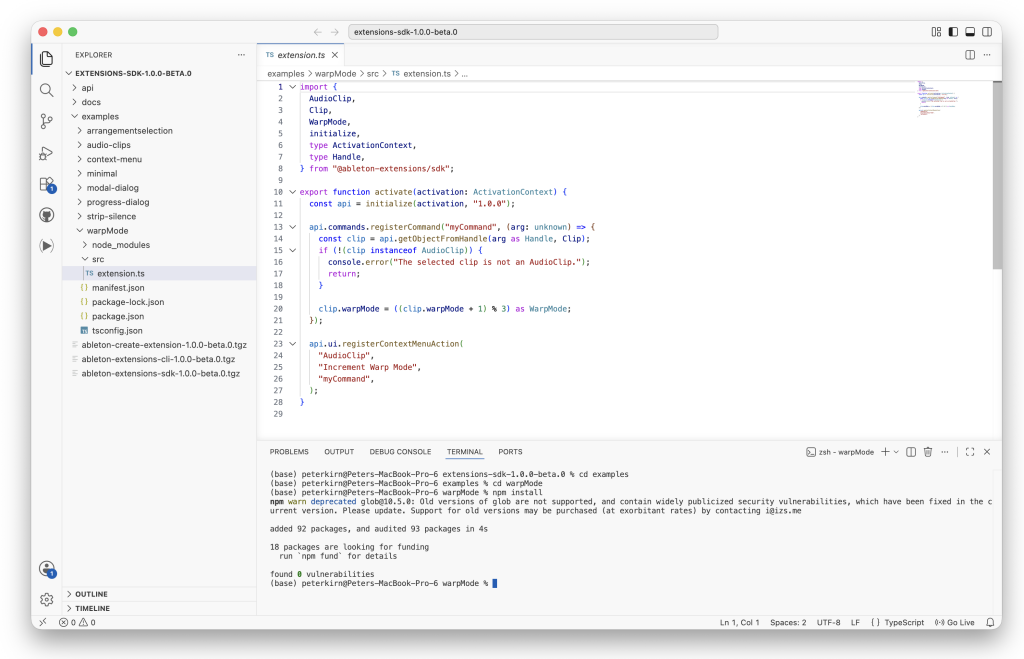
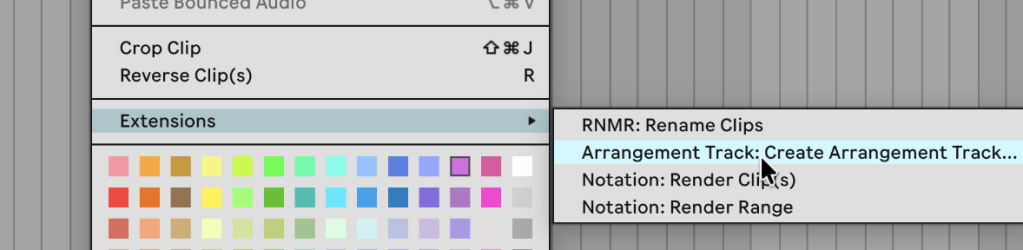
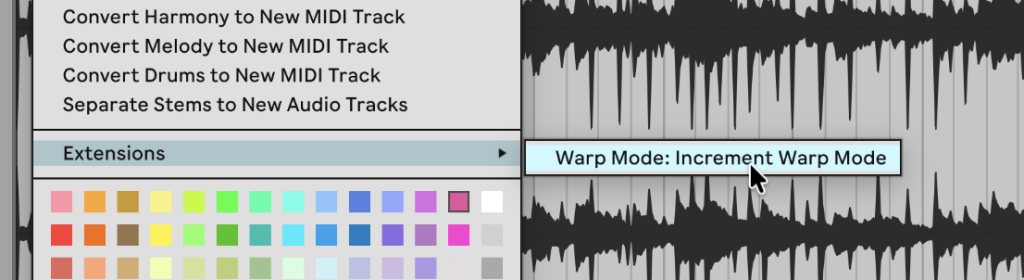
For example, running an extension in development mode might involve executing a command like npm start -- --live "/Applications/Ableton Live 12 Beta.app", pointing to the specific Live application directory. This process then generates a pop-up submenu within Live, offering contextual actions, such as incrementing a warp mode, directly from the extension.
It is important for users to note the distinction between running extensions in developer mode and using packaged, third-party extensions. To ensure packaged extensions appear correctly, developer mode must be deactivated, and any running npm processes for development should be terminated.
Limitations and Future Trajectories
Ableton has clearly positioned the Extensions SDK as an "experimental" feature, acknowledging that it is a work in progress. While the current capabilities are extensive, several areas are not yet supported:
- Max for Live Integration: There is currently no direct interoperability between Max for Live devices and Extensions. However, it is anticipated that developers will soon begin to bundle Max for Live devices with Extensions to create more comprehensive functionalities.
- Tuning Systems: Extensions do not currently have access to or the ability to manipulate tuning systems within Live. This is an area of ongoing discussion within the audio development community, with recent meetups at Ableton’s headquarters addressing the importance of diverse tuning approaches in DAWs.
- Programmatic Execution: Extensions cannot be triggered programmatically based on Live events, such as upon startup or the completion of specific tasks. This limits certain advanced automation scenarios, akin to AppleScript or Automator functionalities, though the contextual menu system is expected to provide sufficient utility for many users in the interim.
- Hardware and Control Surface Support: Crucially, the Extensions SDK currently does not offer any direct integration with hardware controllers or control surfaces. This is a significant point of interest for many, given that the existing methods for hardware integration rely on proprietary OEM licensing and an older, unsupported Python API. While the Python API remains essential for existing hardware support, the Extensions SDK represents a modern pathway that many hope will eventually facilitate improved hardware integration.
Despite these limitations, the decision to release a well-defined, albeit experimental, API is a strategic one. It allows Ableton to gather crucial user feedback, refine the documentation, and make necessary adjustments before a more expansive release. The emphasis on shipping early and iterating based on community input is a testament to a modern development philosophy.
The Broader Ecosystem and Comparison to Existing Tools
The introduction of the Extensions SDK places Ableton Live alongside other DAWs that have long offered scripting and customization capabilities. DAWs like Reaper (with its multi-language Reascript API), Renoise (Lua API), and Ardour (Lua API) have provided their users with extensive control over their environments. The author notes the unique naming conventions of Reaper’s scripting environment as a point of interest.
While Max for Live remains a cornerstone for building devices, synths, effects, and sequencers, offering a visual, node-based approach to programming, the Extensions SDK opens up new avenues for users comfortable with traditional coding languages. The fact that Max for Live also supports Node.js creates a synergistic relationship, allowing users to leverage their coding skills across both environments. For newcomers, Max for Live is still recommended as the initial entry point due to its visual nature and focus on signal flow. However, the Extensions SDK provides a compelling alternative for those seeking deeper integration and more complex custom logic.
The availability of the Extensions SDK as a free addition for Ableton Live Suite users further enhances its appeal, democratizing access to advanced customization tools. This initiative is expected to inject new life into a DAW that has been a staple in the music production landscape for over two decades, fostering a vibrant community of developers and users sharing innovative ideas and solutions.
The launch of the Ableton Live Extensions SDK public beta represents a significant evolution for the platform, empowering users to tailor their music production experience like never before. By embracing a code-first approach to customization, Ableton is not only addressing the inherent limitations of software but also fostering a more dynamic and innovative ecosystem for its dedicated user base. The future of Live, it seems, is now open to programmatic extension.