Aveline Kirana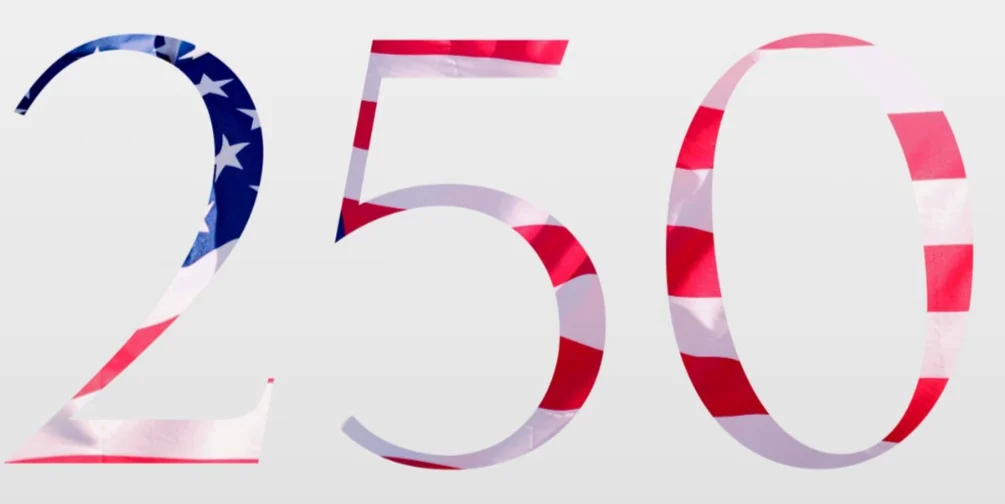
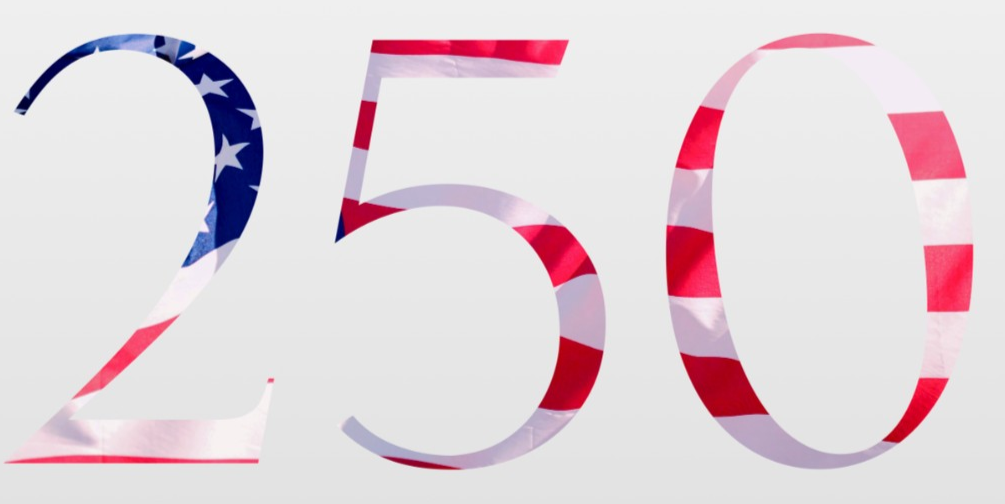
The Arcadia Symphony is poised to deliver a landmark performance, "America Celebrates 250," on June 30, 2026, at the iconic Stern Auditorium of Carnegie Hall. Under the baton of Music Director Michael Fennelly, the concert promises a rich tapestry of American musical heritage interwoven with a significant world premiere, marking a pivotal moment as the nation approaches its 250th anniversary. The evening’s program is a carefully curated selection designed to evoke patriotism, celebrate artistic innovation, and honor the enduring power of classical music.
At the heart of the program lies the world premiere of "You Are My Rhapsody in Blue." This ambitious work is Fennelly’s completion of an unfinished George Gershwin composition, envisioned for solo piano, orchestra, and a symphonic chorus. The project represents a profound engagement with Gershwin’s legacy, seeking to realize a vision that remained incomplete at the time of his passing. This premiere is not merely a performance; it is an act of musical archaeology and artistic reimagining, breathing new life into a fragment of one of America’s most celebrated composers. The choice to unveil this piece on the cusp of the nation’s semiquincentennial underscores its thematic relevance, positioning it as a contemporary artistic response to a historical milestone.
Complementing the world premiere, the Arcadia Symphony will present a robust repertoire that resonates deeply with American identity and the spirit of celebration. Ludwig van Beethoven’s monumental Ninth Symphony, a work renowned for its "Ode to Joy" and its universal message of brotherhood, will undoubtedly serve as a powerful anchor for the evening. Its inclusion speaks to the enduring influence of European classical music on American artistic development, while also offering a timeless anthem of hope and unity.
Further cementing the American theme, the program features Aaron Copland’s "Lincoln Portrait," a stirring narrative work that uses folk melodies and grand orchestral passages to paint a portrait of Abraham Lincoln and the ideals he represented. This piece, often performed during significant national events, is a direct homage to a foundational figure in American history. John Philip Sousa’s "The Stars and Stripes Forever," a quintessential American march, will undoubtedly galvanize the audience with its patriotic fervor and infectious energy.
The program also includes Jerome Kern’s enduring ballad "Old Man River," a song that has become synonymous with the struggles and resilience of the American spirit, particularly as depicted in the musical "Show Boat." Its inclusion adds a layer of poignant reflection on the nation’s complex history and the ongoing pursuit of equality. Finally, the concert will feature Aldo Finzi’s "Salmo," a work that, while potentially drawing from Italian-Jewish heritage, can be interpreted within a broader context of spiritual and artistic expression that has enriched the American cultural landscape. The inclusion of Finzi’s piece, if it offers a distinct stylistic or thematic counterpoint, broadens the artistic scope of the program, showcasing the diverse influences that shape American musical identity.
The Arcadia Symphony Chorus and the Arcadian Youth Symphony are slated to participate in this grand undertaking, amplifying the scale and impact of the performance. The involvement of a youth ensemble, in particular, highlights a commitment to nurturing future generations of musicians and audiences, reinforcing the idea that this celebration is not just about looking back, but also about investing in the future. The convergence of these different ensembles suggests a comprehensive and layered approach to the musical presentation, aiming for a sound that is both grand and deeply resonant.
The concert is scheduled to commence at 8 p.m. local time, a prime-time slot befitting a significant cultural event. The choice of Carnegie Hall’s Stern Auditorium, a venue synonymous with artistic excellence and historical gravitas, further elevates the stature of "America Celebrates 250." This venue has hosted countless seminal musical moments, and its acoustics and historical resonance provide an unparalleled setting for such a significant occasion.
The Genesis of "America Celebrates 250"
The timing of "America Celebrates 250" is intrinsically linked to the approaching 250th anniversary of the United States’ founding in 2026. This milestone offers a unique opportunity for artistic institutions to reflect on national identity, history, and aspirations through the medium of music. The Arcadia Symphony’s initiative to curate a program specifically for this occasion demonstrates a keen awareness of the cultural landscape and a desire to contribute to the national dialogue.
The decision to commission or, in this case, complete a Gershwin work, speaks to a broader trend in classical music: the re-examination and re-contextualization of existing repertoire, particularly works by American composers. Gershwin, a pivotal figure bridging classical music and popular idioms, remains a subject of intense interest. The "completion" of an unfinished work, when undertaken with scholarly rigor and artistic integrity, can offer invaluable insights into the composer’s creative process and unfulfilled potential. This project by Michael Fennelly is likely to be met with considerable anticipation from musicologists, performers, and the general public alike.
Michael Fennelly: A Visionary Conductor
Michael Fennelly, as Music Director of the Arcadia Symphony, is the driving force behind this ambitious program. His vision for the orchestra likely extends beyond traditional programming, embracing projects that are both artistically challenging and culturally relevant. His personal involvement in completing the Gershwin piece suggests a deep connection to the project and a commitment to pushing the boundaries of orchestral performance. Conductors often play a crucial role in shaping the artistic identity of an orchestra, and Fennelly’s leadership in this instance points towards an organization that values innovation and engagement with significant musical and historical themes.
Carnegie Hall: A Stage for National Moments
Carnegie Hall, established in 1891, is one of the most prestigious concert venues in the world. Its Stern Auditorium, with its famed acoustics and rich history, has been the stage for some of the most memorable performances in musical history. Hosting "America Celebrates 250" at Carnegie Hall imbues the event with an inherent sense of importance and national significance. It signifies the Arcadia Symphony’s aspiration to be recognized among the nation’s leading musical ensembles and places the celebration within a hallowed artistic tradition. The venue itself becomes a participant in the narrative of American achievement and cultural expression.
The Significance of the Repertoire
The selection of works for "America Celebrates 250" is a deliberate act of curation, aiming to resonate with the themes of national pride, historical reflection, and universal human values.
-
Beethoven’s Ninth Symphony: This work’s inclusion transcends mere musical performance. Its final movement, featuring Schiller’s "Ode to Joy," has been adopted as the Anthem of Europe and is frequently invoked during moments of global aspiration and unity. Its presence in an American celebration can be seen as an affirmation of shared human ideals that resonate across borders and cultures. The symphony, first performed in 1824, predates the United States’ founding but has become a cornerstone of Western classical music, deeply ingrained in the repertoire of orchestras worldwide, including those in America.
-
Copland’s "Lincoln Portrait": Aaron Copland (1900-1990) is often referred to as "the Dean of American Composers." His music is deeply infused with the spirit of America, drawing inspiration from folk tunes and historical narratives. "Lincoln Portrait," premiered in 1942, was commissioned by conductor André Kostelanetz and narrated by actors such as Carl Sandburg and Katharine Hepburn. It uses melodies like "Camptown Races" and "When Johnny Comes Marching Home" to evoke the era of the Civil War and the enduring legacy of President Lincoln. Its inclusion is a direct nod to American history and its foundational principles.
-
Sousa’s "The Stars and Stripes Forever": Composed in 1896 by John Philip Sousa (1854-1932), this march is widely considered the national march of the United States. Its spirited melody and patriotic fervor are instantly recognizable and evoke a strong sense of national identity. Sousa’s marches were instrumental in shaping American musical culture in the late 19th and early 20th centuries, often performed at military ceremonies and public celebrations.
-
Kern’s "Old Man River": From the musical "Show Boat" (1927), with lyrics by Oscar Hammerstein II, this song is a powerful and evocative depiction of the enduring Mississippi River and, by extension, the enduring struggles and perseverance of African Americans. The song’s melancholic yet resolute tone has made it an anthem of resilience. Its inclusion suggests a willingness to acknowledge the complexities and challenges within the American narrative, not just the triumphant aspects.
-
Finzi’s "Salmo": Information on Aldo Finzi’s "Salmo" is less readily available in mainstream discourse compared to the other pieces, suggesting it might be a lesser-known work or one with a more specific historical or cultural context. If "Salmo" is a setting of a psalm, its inclusion could represent a spiritual dimension to the celebration, touching on themes of faith and devotion that have played a role in American history. Further research into Finzi and this specific work would illuminate its precise contribution to the program’s thematic arc. However, its presence alongside such prominent American works suggests a deliberate choice to introduce a different, perhaps more contemplative or sacred, element to the celebration.
The Gershwin Unfinished Symphony: A Musical Mystery Unveiled
The "You Are My Rhapsody in Blue" project by Michael Fennelly is perhaps the most intriguing aspect of the program. George Gershwin (1898-1937) was a composer who masterfully blended American vernacular music with classical forms, achieving international acclaim with works like "Rhapsody in Blue" and "An American in Paris." His premature death at the age of 38 left many potential projects unfinished.
The idea of an unfinished Gershwin setting for solo piano, orchestra, and symphonic chorus is tantalizing. It suggests a work that might have been intended to be more ambitious and thematically expansive than his existing orchestral works. Fennelly’s role as a "completer" implies a process of painstaking reconstruction, analysis, and creative interpolation, guided by his deep understanding of Gershwin’s style and compositional language. The success of such a project hinges on its ability to capture the spirit of the original composer while standing as a compelling work in its own right. This endeavor could potentially add a significant new piece to the Gershwin canon and offer a fresh perspective on his compositional genius.
Broader Implications and Impact
The "America Celebrates 250" concert at Carnegie Hall is more than just a musical performance; it is a cultural event with several potential implications:
-
National Commemoration: As the United States approaches its 250th anniversary, there will be a surge of commemorative events across the country. The Arcadia Symphony’s contribution, by focusing on musical expression, offers a unique and powerful way to engage with national history and identity. It provides a platform for reflection, celebration, and perhaps even a re-evaluation of what it means to be American.
-
Artistic Innovation: The world premiere of Fennelly’s completion of the Gershwin work is a significant artistic undertaking. If successful, it could inspire further efforts to revive and complete unfinished works by major composers, enriching the repertoire available to performers and audiences. It also highlights the role of contemporary musicians in engaging with and interpreting the past.
-
Orchestral Relevance: In an era where classical music faces challenges in audience engagement, ambitious and thematic programming like this can help to draw attention and interest. By connecting classical music to significant national events and presenting premieres of potentially groundbreaking works, the Arcadia Symphony aims to demonstrate the continued relevance and vitality of orchestral performance.
-
Cultural Diplomacy: Performances at venues like Carnegie Hall can also serve as a form of cultural diplomacy, showcasing American artistic achievement to a global audience. The program’s blend of iconic American pieces with a new Gershwin work offers a comprehensive portrait of the nation’s musical heritage.
The participation of the Arcadian Symphony Chorus and the Arcadian Youth Symphony also points to a strategic effort to foster community engagement and develop future talent. The youth symphony’s involvement, in particular, underscores a commitment to intergenerational dialogue and the passing on of musical traditions, aligning with the forward-looking aspect of a 250th-anniversary celebration. This comprehensive approach aims to create a lasting impact beyond the single evening of performance.
The upcoming "America Celebrates 250" concert by the Arcadia Symphony at Carnegie Hall is shaping up to be a monumental occasion. It promises a night of profound musical artistry, historical reflection, and the unveiling of a significant new work, all set against the backdrop of a pivotal moment in American history. The careful selection of repertoire, the visionary leadership of Michael Fennelly, and the iconic venue all converge to create an event that is poised to leave a lasting mark on the cultural landscape.