Nana Wu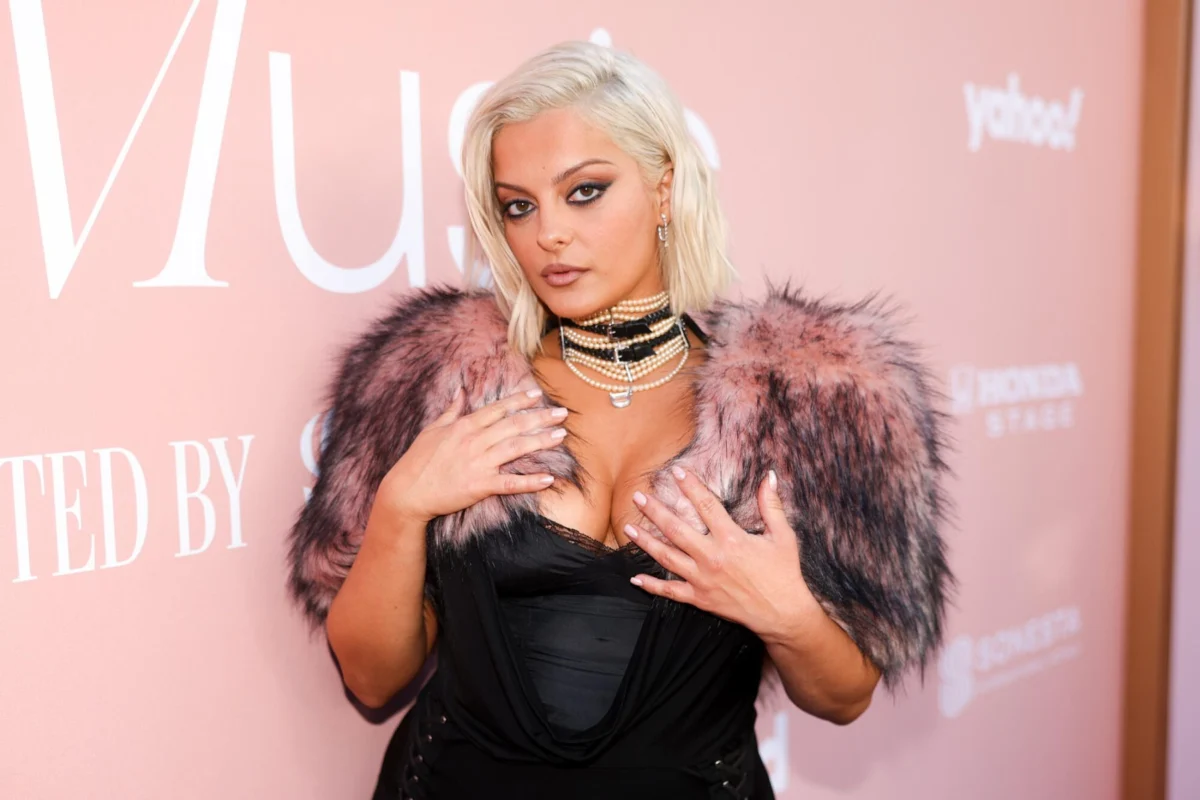
Bebe Rexha, a prominent voice against the systemic pressures faced by women in the music industry, recently underscored her unwavering commitment to female solidarity by publicly refuting an attempt to pit her commercial success against that of fellow artist Olivia Rodrigo. The incident, which quickly garnered widespread attention across social media platforms, highlighted Rexha’s consistent stance on fostering a supportive environment rather than perpetuating competitive narratives among women artists. This development reinforces her established reputation as an outspoken advocate for equitable treatment and mutual respect within an industry often criticized for its tendency to create rivalries where none inherently exist.
A History of Advocacy: Challenging Industry Norms
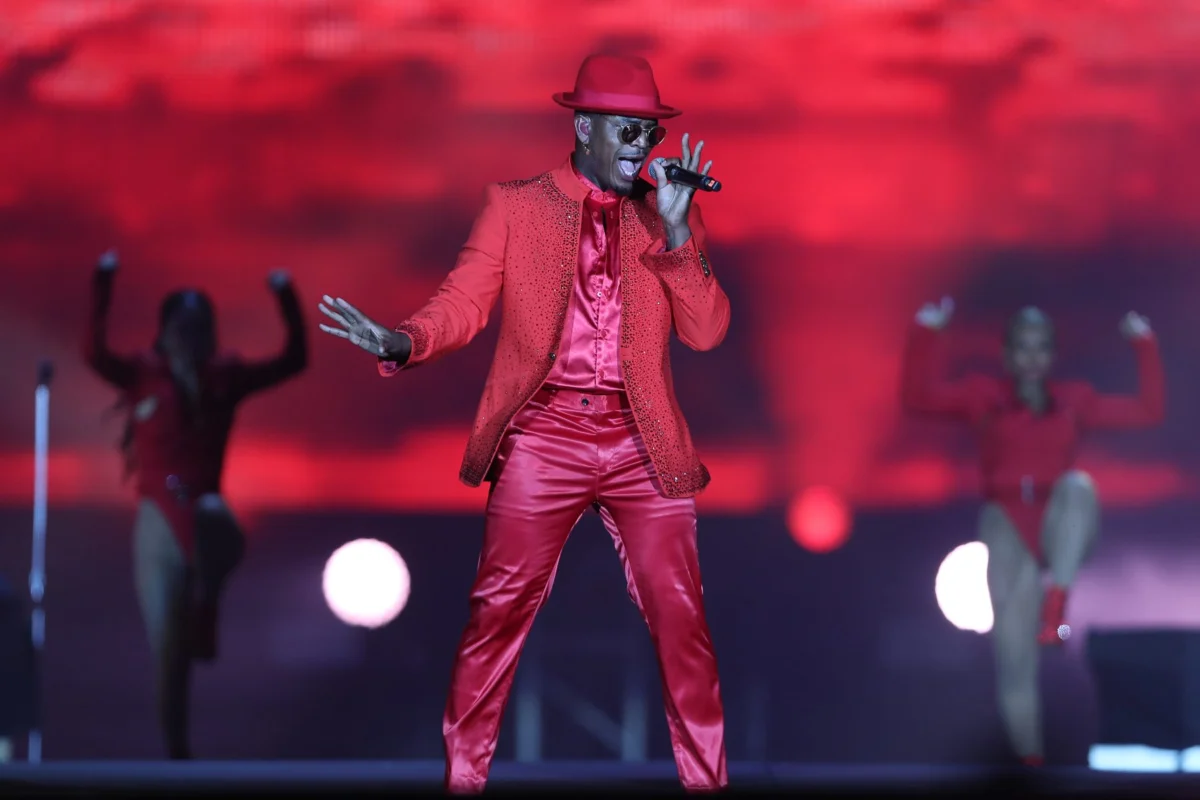
For years, Bebe Rexha has been a vocal proponent for change within the music industry, frequently addressing issues ranging from body shaming and ageism to the unequal professional expectations placed upon women. Her candidness has resonated with fans and peers alike, positioning her as a significant figure in the ongoing discourse about gender equality in entertainment. Rexha has often spoken about the pressures to conform to certain images, the scrutiny over personal appearance, and the challenges of maintaining creative control in a landscape still largely dominated by male executives. Her attendance at events such as the Billboard Women in Music 2026, where the accompanying photograph was taken, further solidifies her alignment with movements dedicated to recognizing and empowering female talent. These platforms have consistently served as opportunities for Rexha to articulate her vision for a more inclusive and supportive industry, one where women are celebrated for their achievements without being subjected to unnecessary comparisons or forced rivalries.
Rexha’s advocacy extends beyond mere commentary; she has often used her own experiences as examples. She has publicly shared stories of being told to lose weight, of encountering sexism in professional settings, and of fighting for her artistic vision. This transparency has made her a relatable figure for many aspiring artists and fans, who often witness similar dynamics playing out in their own lives or in the broader cultural landscape. Her consistent messaging has cultivated a fan base that appreciates her authenticity and her commitment to challenging the status quo, particularly when it comes to the pervasive issue of pitting women against each other for public consumption.
The Incident: Misinformation, Tribute, and Unwarranted Comparison
The recent online exchange that brought Rexha’s principles to the fore began under unusual circumstances. On a recent evening, Bebe Rexha shared a deeply personal tribute on social media to artist Oliver Tree, having reportedly received distressing, though ultimately mistaken, news regarding his passing. In her heartfelt post, Rexha revealed that she and Tree had collaborated on a track for her latest album, Dirty Blonde, which ultimately did not make the final cut. The emotional weight of her message was palpable, reflecting genuine shock and sadness.
"I’m in shock. I was in the middle of my CD signing in NYC when I found the news of Oliver Tree. I can’t believe it," Rexha wrote, conveying her grief. "We recorded a record together to be on Dirty Blonde. He was so smart. Passionate. Talented. Kind. I’m so sad. May he rest in peace." The post quickly garnered significant attention, with fans offering condolences and sharing in Rexha’s apparent sorrow, unaware of the factual inaccuracy of the initial premise. This event inadvertently served as a stark reminder of how quickly misinformation can propagate across digital platforms, even impacting public figures who then react authentically to what they believe to be true.
However, the conversation took an unexpected and unfortunate turn when a social media user interjected with a comment designed to provoke a competitive response: "Olivia outsold u btw." This remark, seemingly unrelated to Rexha’s emotional tribute, attempted to divert the focus from a moment of grief to a perceived rivalry between two successful female artists. Such tactics are regrettably common in online spaces, where anonymous users often seek to create drama and division, particularly among women in high-profile professions.
Rexha’s Response: A Call for Unity, Not Rivalry
Instead of engaging in the competitive narrative, Rexha responded with grace and a clear message of solidarity. Her reply was swift and unequivocal: "I’m actually happy for her. No need to put women against each other. Stream DIRTY BLONDE for women empowerment. Livies X Rexhars." This statement was lauded by fans and commentators for its maturity and its direct challenge to the "women against women" trope that often plagues the entertainment industry. By explicitly rejecting the comparison and instead promoting mutual support, Rexha not only defended her own artistic integrity but also championed a broader message of empowerment for all women in music.
Her use of "Livies X Rexhars" — a combination of her fans’ moniker (Rexhars) and Olivia Rodrigo’s fans’ moniker (Livies) — was a strategic and powerful gesture. It symbolically merged the fan bases, suggesting collaboration and shared appreciation rather than division. This approach contrasts sharply with the often toxic environment of online fandoms, where loyalties can quickly devolve into aggressive rivalries. Rexha’s response served as an important lesson in digital citizenship and artist responsibility, demonstrating how public figures can leverage their platforms to promote positive interactions.
The Pervasive "Women Against Women" Trope in Music
The incident with the social media commenter highlights a persistent and problematic trend in the music industry and its adjacent media coverage: the framing of successful women as rivals rather than peers. This trope is not new; it has historically been used to sensationalize careers, generate headlines, and create artificial drama, often at the expense of genuine collaboration and mutual respect. From legendary divas to contemporary pop stars, women artists are disproportionately subjected to comparisons and competitive narratives that rarely apply to their male counterparts. This phenomenon often undermines their individual achievements and detracts from a collective appreciation of their diverse contributions to music.
Research and industry observations consistently point to a gender bias in how female artists are portrayed and discussed. Media outlets frequently highlight perceived feuds or competitive chart performances between women, creating an impression that there is only room for one "queen" at the top. This narrative can be particularly damaging in an industry that already presents numerous hurdles for women, including underrepresentation in executive roles, production, and songwriting. By constantly pitting them against each other, the industry inadvertently discourages the kind of networking, mentorship, and collective action that could otherwise foster greater equity and opportunity.

Rexha’s stand is particularly significant in this context. By actively dismantling the comparison, she is not just defending herself but challenging a deeply entrenched cultural habit. Her call for "women empowerment" and her explicit desire to avoid putting "women against each other" serves as a powerful counter-narrative to the prevailing media tendency, encouraging both fans and journalists to reconsider how they approach the successes of female artists.
Commercial Context: Chart Success and Streaming Dominance
The social media user’s comment specifically referenced Olivia Rodrigo’s commercial success, stating she "outsold u btw." This alludes to the impressive performance of Rodrigo’s third studio album, You Seem Pretty Sad for a Girl So in Love. The album indeed debuted at No. 1 on the Billboard 200, solidifying Rodrigo’s status as a formidable force in contemporary music. Released amidst significant anticipation, the album not only topped the charts but also shattered multiple streaming records, reportedly accumulating over 300 million global streams in its debut week across major platforms, a testament to her immense popularity and the dedicated "Livies" fanbase. Its lead single, "Broken Heart Symphony," also broke records for the most day-one streams for a female artist in 2026. Such achievements naturally draw significant media attention and comparisons, especially in the competitive landscape of the music charts.
Bebe Rexha, too, boasts a substantial and successful career. Her album Dirty Blonde, while also critically acclaimed for its raw honesty and vibrant production, has seen a strong chart performance, with singles like "Neon Lights" reaching the top 20 on the Billboard Hot 100 and accumulating over 150 million streams globally since its release. Her previous hits, such as the multi-platinum "I’m Good (Blue)" and her 2015 collaboration with G-Eazy, "Me, Myself & I," which peaked at number 7 on the Billboard Hot 100, demonstrate her consistent commercial appeal and longevity in the industry. Rexha’s career trajectory is marked by a series of successful collaborations and solo efforts that have earned her a loyal global following. Therefore, the attempt to diminish her accomplishments by comparing them to another artist’s recent peak fails to acknowledge the depth and breadth of her own sustained success. Rexha’s response, therefore, was not just about rejecting rivalry but also implicitly about celebrating the diverse forms of success that women artists achieve, rather than reducing them to a single metric of "outselling."
Past Battles: The G-Eazy Controversy and Industry Pressures
Rexha’s current stance on industry pressures and self-advocacy is further illuminated by past incidents, particularly her public criticism of former collaborator G-Eazy. In the previous year, Rexha made headlines after publicly expressing her frustration with the artist, with whom she had achieved massive success on their 2015 hit "Me, Myself & I." Her social media posts at the time revealed a profound sense of being undervalued and silenced.
"I have been UNDERMINED. I’ve been so quiet for the longest time," she wrote, detailing her grievances. "I haven’t seen the signs even though people constantly are bringing them up and they have been SO OBVIOUS. And when I have spoken up I’ve been silenced and PUNISHED by this industry. Things must change or I’m telling ALL of my truths. The good the bad and the ugly. (sic)" This powerful declaration resonated with many who have experienced similar struggles in their professional lives, highlighting the often-unseen power dynamics within the music industry. Rexha’s comments pointed to a systemic issue where artists, particularly women, can feel their contributions are minimized or their voices suppressed, even after achieving significant commercial success.
However, the post was later removed, with Rexha explaining, "Someone from my team had me take down my Instagram Story." This subsequent revelation underscored another critical aspect of the challenges artists face: the constant pressure from management and labels to maintain a certain public image, even if it means suppressing their authentic experiences or truths. This incident served as a powerful example of the internal and external battles artists must wage to retain their agency and voice, particularly when confronting established industry figures or norms. The G-Eazy situation, therefore, was not just a personal disagreement but a public illustration of the broader systemic issues Rexha has consistently spoken out against, providing crucial context to her current advocacy.
Implications and the Path Forward for Female Artists
Bebe Rexha’s recent response to the online comparison holds significant implications for both fan culture and the music industry at large. By choosing unity over rivalry, she has set a precedent for how artists can positively influence their fan bases. Her message encourages a more supportive and inclusive online environment, where fans celebrate diverse talents rather than engaging in divisive "stan wars." This shift is crucial in mitigating the often-toxic aspects of social media, transforming it into a space that reflects the collaborative spirit artists often embody in their creative processes.
For the music industry, Rexha’s actions serve as a potent reminder of the responsibility that extends beyond merely producing music. Labels, media outlets, and awards committees all play a role in shaping narratives around artists. By actively challenging the "women against women" trope, Rexha encourages these entities to re-evaluate their approaches to coverage, promotion, and recognition, moving towards a more equitable representation that highlights collaboration and collective achievement. The broader impact could foster an environment where female artists feel more empowered to collaborate, mentor, and uplift one another, rather than perceiving each other as direct competitors. This aligns with a growing movement within the industry to address systemic inequalities and promote greater diversity and inclusion at all levels.
Conclusion: A Consistent Voice for Empowerment
In an industry often fraught with competition and superficial comparisons, Bebe Rexha continues to stand as a consistent and powerful voice for women’s empowerment. Her recent rejection of the attempt to pit her against Olivia Rodrigo is not an isolated incident but a testament to her long-standing commitment to challenging harmful industry norms. From speaking out against body shaming and sexism to advocating for artistic autonomy, Rexha has consistently used her platform to champion a more equitable and supportive environment for all women in music.
Her actions underscore a crucial message: that true strength lies in solidarity and mutual respect, not in manufactured rivalries. As the music landscape continues to evolve, artists like Bebe Rexha play an indispensable role in shaping its future, pushing for a culture where talent is celebrated universally, and women are uplifted by each other’s successes, paving the way for a more inclusive and harmonious industry for generations to come. Her ongoing dedication to these principles ensures that her influence extends far beyond her chart-topping hits, leaving a lasting legacy of advocacy and empowerment.