Nana Wu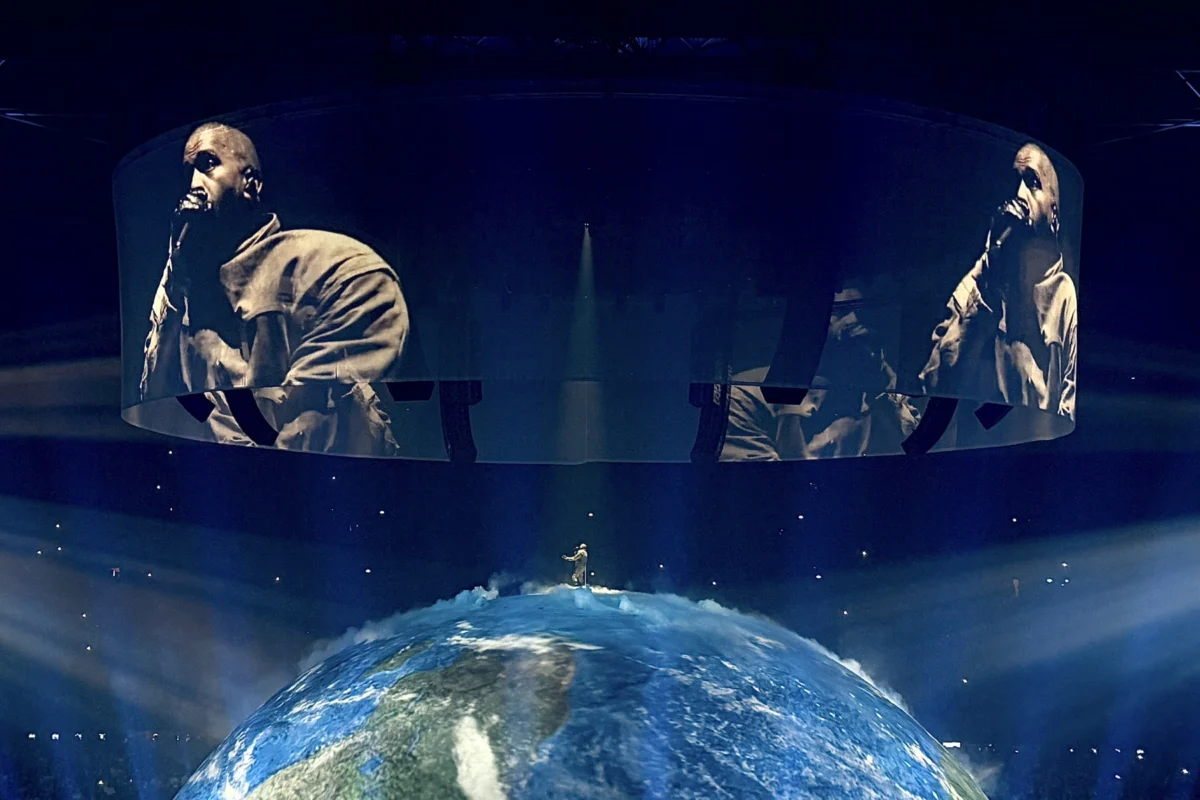
San Antonio, Texas, finds itself at the epicenter of a heated cultural and political debate as Mayor Gina Ortiz Jones publicly advocates for the cancellation of Kanye West’s (also known as Ye) highly anticipated Fourth of July concert at the city-owned Alamodome. The announcement of Ye’s performance, set to commemorate Independence Day, has sparked immediate backlash from city officials and community leaders who cite the artist’s extensive history of antisemitic remarks and hate speech as an unacceptable basis for hosting him in a public facility, especially on such a significant national holiday. The controversy underscores a growing tension between artistic freedom, civic responsibility, and the use of taxpayer-funded venues to host figures whose public statements are widely condemned as divisive and hateful.
The Genesis of the San Antonio Controversy
Kanye West’s Fourth of July performance at the Alamodome, a multi-purpose stadium owned and operated by the City of San Antonio, was officially announced last week, quickly generating buzz and a robust demand for tickets. Prices for the event, distributed via Ticketmaster, range from a standard admission upper-level seat at $127.50 to an exclusive "YE – Front Row Experience" for $1,461.25, promising an immersive experience for dedicated fans. The concert is part of a series of sporadic engagements for the artist, who has not embarked on a full-scale tour in nearly a decade, making each performance a notable event for his global fanbase.
However, the celebratory atmosphere surrounding the announcement was swiftly overshadowed by ethical objections. On Saturday night, June 20, San Antonio Mayor Gina Ortiz Jones, a Democrat and decorated U.S. Air Force veteran, took to social media platform X (formerly Twitter) to voice her unequivocal opposition to the concert. "I support canceling the @kanyewest concert," she declared, directly addressing her stance to her constituents and the broader public. Her statement emphasized San Antonio’s identity as "Military City USA," a moniker reflecting its deep ties to the armed forces and its significant military presence. Ortiz Jones argued that this identity makes the city an inappropriate host for an individual with a documented record of promoting hate speech and antisemitism.
"Military City USA should not host someone with a record of hate speech and antisemitic comments in a city-funded facility like our Alamodome—not ever, and certainly not on July 4th, our Nation’s 250th birthday," Ortiz Jones asserted. She further articulated her principled stand, adding, "Standing up to antisemitism is exactly what it takes to achieve a more perfect Union." Her comments reflect a broader concern that public facilities should not implicitly endorse or provide a platform for rhetoric that contravenes fundamental values of equality and respect, particularly on a day meant to celebrate national unity and freedom. The Alamodome, with a seating capacity exceeding 70,000 for in-the-round concert layouts, presents a substantial platform, amplifying the potential reach and impact of any message, artistic or otherwise.
A History of Divisive Rhetoric and Its Consequences
The calls for cancellation in San Antonio are not isolated incidents but rather the latest in a series of global reactions to Kanye West’s increasingly controversial public persona. His history of making inflammatory statements spans several years, escalating significantly in recent times. While earlier controversies included contentious remarks about slavery being a choice in 2018 and his erratic 2020 presidential campaign, it was primarily in 2022 that his rhetoric drew widespread condemnation for explicit antisemitism.
In October 2022, West faced severe backlash after wearing a "White Lives Matter" T-shirt at Paris Fashion Week and subsequently making a series of antisemitic comments on social media, including a now-infamous post threatening to go "death con 3 on Jewish people." This was followed by an appearance on Alex Jones’s "Infowars" program, where he openly praised Adolf Hitler and made Holocaust denial statements, flanked by prominent white supremacists Nick Fuentes and Milo Yiannopoulos. These statements led to immediate and significant professional repercussions. Major corporations like Adidas, Gap, and Balenciaga severed ties with the artist, resulting in the termination of lucrative partnerships that had underpinned his fashion empire and led to a dramatic reduction in his net worth, effectively costing him his billionaire status. His talent agency, CAA, also dropped him, and numerous other brands and platforms distanced themselves.
The cumulative effect of these controversies has been a profound shift in public perception and a persistent debate about accountability for high-profile figures. Advocacy groups, particularly those combating antisemitism like the Anti-Defamation League (ADL), have consistently highlighted the dangerous impact of such rhetoric, especially when propagated by individuals with large public platforms. Data from organizations like the ADL consistently report a significant rise in antisemitic incidents across the United States in recent years, making the context of West’s remarks particularly sensitive and alarming for many communities.
Echoes Across the Nation: Florida Senator Rick Scott’s Stand
The San Antonio situation mirrors similar efforts to block West’s performances elsewhere. Just weeks prior, Republican U.S. Senator Rick Scott of Florida vocally called for the cancellation of Ye’s scheduled concerts in Tampa. In a statement issued on June 4, Senator Scott articulated grave concerns, asserting, "Kanye West’s consistent antisemitic attacks are an affront to the values of the people of the Hillsborough community. He has openly praised Nazis, called himself one, and slandered Jews across the world. Kanye West also funded a Superbowl ad in 2025 that directed viewers to purchase merchandise featuring swastikas."
Senator Scott underscored the specific implications for his state, which boasts one of the largest Jewish populations in the country. "West’s remarks are vile and a slap in the face to our state’s Jewish community," he stated, adding, "It is troubling that a stadium supported by taxpayer dollars would openly subsidize an event led by an artist known for pushing this dangerous, hateful rhetoric, especially with Florida having one of the largest Jewish populations in our country." The recurrence of these arguments—the use of taxpayer-funded venues, the direct appeal to community values, and the specific emphasis on antisemitism—highlights a national dialogue on the boundaries of artistic expression and public accountability.
A Global Pattern: Tour Dates and Cancellations

Kanye West’s current "summer mini tour," as it has been described, presents a mixed record of success and cancellation. While he has managed to stage performances in various international and domestic locations this year, including Mexico City, Los Angeles, cities in Turkey, the Netherlands, and Georgia, he has also faced significant hurdles. Several planned shows have been pulled in other major global cities, including in England, Poland, and France. These cancellations often stem from venue operators, promoters, or local authorities opting to withdraw support due to the public outcry and ethical concerns surrounding his controversial statements. The specific reasons for each cancellation vary but generally coalesce around the reputational risk and the unwillingness of institutions to be associated with hate speech.
The San Antonio date on July 4th is strategically placed within this itinerary, falling between concerts in Tampa, Florida (June 26, 28), and Tirana, Albania (July 11). The tour then includes dates in Madrid, Spain (July 30), and Algarve, Portugal (August 7), before returning to the U.S. for a pair of homecoming shows in Chicago, Illinois (September 3-4). The erratic nature of the tour, coupled with the ongoing controversies, creates an unpredictable environment for both the artist and the venues he seeks to book.
The Legal and Ethical Quagmire of Public Venues
The debate surrounding the Alamodome concert brings to the forefront complex legal and ethical questions regarding the use of city-funded facilities. While principles of free speech are paramount, the extent to which a government entity is obligated to provide a platform for speech widely considered to be hate speech remains contentious. Contracts for such events often contain clauses relating to public order, reputational damage, and adherence to community standards. The City of San Antonio, as the owner and operator of the Alamodome, finds itself in a precarious position, balancing contractual obligations with public sentiment and ethical responsibility.
Legal experts suggest that canceling a contract, especially one involving a high-profile artist, could lead to significant financial penalties, including breach of contract lawsuits from promoters or the artist’s team. However, municipalities also have a duty to protect their reputation and uphold community values. The argument that hosting an artist with a history of antisemitic remarks on Independence Day in "Military City USA" constitutes a profound misalignment with the city’s values is a powerful one. Such a decision could set a precedent for future bookings, influencing how public venues across the nation navigate similar controversies. The financial implications are not limited to potential legal fees; there’s also the economic benefit of hosting a large concert (tourism, local spending) weighed against potential boycotts or reputational damage that could affect future events and city image.
Public and Industry Reaction
Beyond official statements, the public reaction to the San Antonio concert and calls for its cancellation is markedly divided. A segment of Kanye West’s fanbase expresses loyalty, emphasizing his musical talent and artistic output, often separating the art from the artist. These fans might argue against censorship and for the right of artists to express themselves, regardless of how controversial their views may be. Conversely, a significant portion of the public, including many San Antonio residents and advocacy groups, views the potential hosting of West as an endorsement of his hateful rhetoric, particularly given the city-funded nature of the Alamodome. This sentiment is amplified by the sensitivity surrounding the July 4th holiday, a day meant to celebrate American ideals of freedom and equality.
Within the music industry, there is a growing trend of venues and promoters exercising greater caution when booking artists who have engaged in hate speech. While the industry has historically championed artistic freedom, the increasing awareness of social responsibility and the direct impact of hate speech on marginalized communities has led to a re-evaluation of who gets a platform. Ticketmaster, as the primary vendor, acts as an intermediary, and while it processes sales, ultimate decisions regarding concert cancellations typically rest with the artist’s management, promoters, and venue operators.
Kanye West’s Current Artistic Output Amidst Turmoil
Amidst the swirling controversies and calls for cancellation, Kanye West continues to release new music. Just prior to the San Antonio debate, on Friday, June 19, he released a deluxe edition of his latest album, Bully. This expanded version features updated mixes of its original tracks, alongside new songs such as "OK," featuring Don Toliver, and "Mission Control." This consistent artistic output often creates a paradox for fans and critics alike, who must grapple with the quality of his musical contributions in light of his deeply problematic public statements. For many, the continued creation of music does not absolve the artist of accountability for the harm caused by his rhetoric.
Looking Ahead: San Antonio’s Decision and Broader Implications
The ball now rests firmly in the court of the City of San Antonio and the Alamodome management. They must carefully weigh their contractual obligations, the significant financial implications of a cancellation, and the powerful ethical arguments presented by Mayor Ortiz Jones and other community leaders. The decision will undoubtedly be scrutinized, setting a precedent not only for San Antonio but potentially influencing how other municipalities and venues across the United States approach similar situations involving artists with controversial public profiles.
This incident in San Antonio is more than just a debate about a concert; it is a microcosm of a larger societal struggle over free speech, hate speech, accountability, and the moral responsibilities of public institutions in an increasingly polarized world. As the Fourth of July approaches, the eyes of the nation will be on San Antonio to see how it navigates this complex challenge, balancing legal and financial considerations with the imperative to uphold the values it claims to represent.