
 Indra Aziz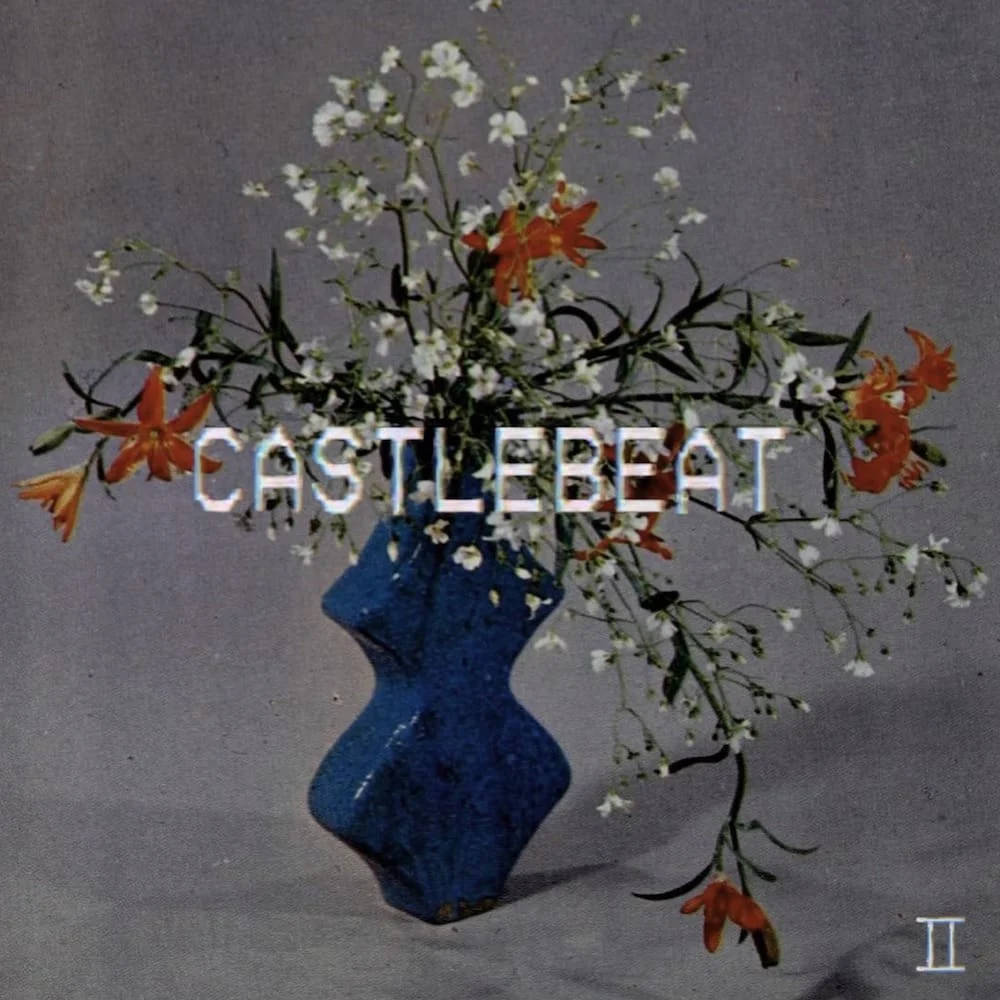
June 25, 2026
Ten years after the release of his debut album, indie dream pop artist CASTLEBEAT, the creative alias of Josh Hwang, has unveiled his highly anticipated sophomore record, "CASTLEBEAT II." This album represents a profound journey of introspection, meticulously crafted around the concept of accumulated wisdom and the enduring power of self-knowledge gained through experience. The intervening decade has been far from dormant for Hwang; he has dedicated significant energy to nurturing his record label, spirit goth, a venture that has undoubtedly shaped his artistic perspective and operational acumen. "CASTLEBEAT II" is not merely a follow-up to his initial offering but a culmination, a landmark project that revisits and reanimates nascent song ideas from his debut, imbuing them with the depth and maturity of a decade’s growth.
The Genesis of "CASTLEBEAT II": Revisiting the Roots, Expanding the Horizon
Hwang’s return to his sonic origins on "CASTLEBEAT II" is marked by a deliberate engagement with the indie dream pop sound that defined his early work. Yet, this is not a mere rehashing of past glories. Instead, the album demonstrates a sophisticated expansion of this genre. Tracks like "This Takes Time" resonate with the unmistakable guitar-driven ethos of 2016, evoking a specific nostalgic sensibility. However, the sonic landscape is significantly broadened through experimentation. The inclusion of electronic drums and intricately layered production on tracks such as "Table and Chair" pushes the boundaries of conventional genre definitions, showcasing a willingness to fuse disparate elements into a cohesive and forward-thinking sound. This deliberate juxtaposition of familiar comfort and innovative exploration is a hallmark of the album’s artistic ambition.
Sonic Narratives: From Californian Sunsets to London Nights
The opening track, "Awake," serves as an immediate invitation into the immersive world of CASTLEBEAT. Its evocative soundscape is designed to conjure vivid imagery, akin to the exhilarating freedom of driving with the windows down through a sun-drenched Californian landscape. This initial immersion sets the stage for a thematic exploration that traverses the terrain of past loves, personal growth, and the rich tapestry of a life lived fully. The album culminates with "Promise," a closing track that offers a reflective counterpoint to the opening. Its mood shifts to one of serene contemplation, evoking the feeling of cruising through the glittering nighttime cityscape of London, a testament to the album’s expansive emotional and geographical scope. These sonic journeys are meticulously designed to resonate with listeners, prompting them to connect with their own memories and experiences.
A Decade of Growth and Artistic Maturation
Hwang describes his approach to the creation of "CASTLEBEAT II" as significantly more "dialed-in." This heightened focus, coupled with the maturation that a decade of artistic endeavor provides, has empowered him to push the boundaries of his creativity further than ever before. The album’s release is framed by Hwang as a deeply personal act, akin to composing a love letter to his past self. It is, in essence, an anniversary celebration of his debut album, a tribute not only to the sounds that defined his early career but also to the artist he was and the audience that has steadfastly supported his evolution. This retrospective yet forward-looking perspective imbues "CASTLEBEAT II" with a unique emotional resonance, appealing to both long-time fans and new listeners.
The Enduring DIY Ethos: Craftsmanship and Cohesion
The foundational DIY ethos that has always been central to the CASTLEBEAT project remains a defining characteristic of "CASTLEBEAT II." Hwang’s complete self-sufficiency in recording, producing, and writing every element of the album underscores a profound commitment to artistic control and personal vision. The resulting project is remarkably cohesive, a testament to his meticulous attention to detail. The album navigates a diverse range of sonic and emotional landscapes, demanding to be experienced at its own deliberate pace. Hwang’s approach is characterized by a tactical precision that never sacrifices emotional depth or authenticity. "CASTLEBEAT II" is presented as Hwang’s personal inquiry into his own identity and evolution, posing a question that resonates beyond his own experience: "Who was I, and how have I grown?" This introspective nature invites listeners to engage in their own self-reflection.
Critical Reception and Commercial Context
"CASTLEBEAT II" has garnered a positive critical reception, with many highlighting its sophisticated blend of nostalgic indie dream pop elements and innovative electronic textures. The album has been lauded for its thematic depth and Hwang’s assured artistic direction. While specific sales figures are not yet publicly available, the album’s release follows a decade of consistent artistic output and dedicated fan engagement, suggesting a strong foundation for commercial success within its niche. The indie music landscape has seen significant shifts over the past ten years, with a growing appreciation for artists who can balance sonic innovation with authentic emotional expression. CASTLEBEAT’s trajectory aligns with this trend, positioning "CASTLEBEAT II" as a significant release in the current music climate.
Broader Implications: The Evolving Landscape of Independent Music
The decade-long gap between CASTLEBEAT’s debut and "CASTLEBEAT II" is a notable aspect of its release, particularly within the contemporary music industry, which often emphasizes rapid output and constant visibility. Hwang’s deliberate pacing suggests a different model of artistic development, one that prioritizes depth and thoughtful evolution over ephemeral trends. This approach has implications for how artists can sustain long-term careers and cultivate a dedicated following. The success of "CASTLEBEAT II," particularly its ability to revisit and reimagine earlier work, also speaks to a growing trend of artists engaging with their back catalogs not just as historical artifacts but as fertile ground for creative renewal. This practice can foster a deeper connection with audiences who have followed an artist’s journey from its inception.
Furthermore, Hwang’s continued commitment to the DIY ethos in an era of increasing industry consolidation and algorithmic curation is a testament to the enduring power of independent artistry. His success in self-producing and writing a cohesive, critically acclaimed album demonstrates that artistic vision and dedication can still be the primary drivers of musical creation and reception. The label spirit goth also plays a crucial role, signifying Hwang’s dedication to building his own platform and supporting a particular artistic vision, which is a growing model for independent musicians seeking creative autonomy.
The CASTLEBEAT Legacy: A Decade of Quiet Influence
While the initial debut album might have established the foundational sound of CASTLEBEAT, the intervening decade has been crucial in shaping the artist’s identity and musical direction. The establishment and operation of the spirit goth label demonstrate a commitment to the broader independent music ecosystem. This period of sustained engagement, even without a full-length album release, likely involved extensive networking, learning, and artistic experimentation that would inform the sophisticated production and thematic complexity of "CASTLEBEAT II." The label’s existence also suggests a community of artists with a shared ethos, potentially influencing Hwang’s creative process and providing a supportive environment for his artistic endeavors.
The decision to revisit and reimagine older material is a strategy employed by many established artists, but Hwang’s framing of "CASTLEBEAT II" as a "love letter to his past self" adds a unique personal dimension. This approach suggests a conscious effort to bridge the gap between his nascent artistic identity and his current creative output, acknowledging the journey and growth that have occurred. This narrative arc can be particularly resonant with audiences who have grown alongside the artist, creating a shared sense of nostalgia and progress.
Future Outlook and Artistic Trajectory
With the successful release of "CASTLEBEAT II," Josh Hwang has solidified his position as a significant voice in the indie dream pop genre. The album’s critical acclaim and its thoughtful exploration of themes such as time, memory, and self-discovery suggest a continued trajectory of artistic growth. The potential implications of this release extend beyond the immediate reception; it sets a precedent for how artists can navigate extended periods between major releases, prioritizing quality and thematic resonance. As Hwang continues to lead spirit goth, his influence on the independent music scene may expand, fostering a new generation of artists who embrace a similar blend of creative autonomy and thoughtful artistic development. The album’s success could also lead to increased touring opportunities and broader recognition, further cementing CASTLEBEAT’s presence in the music landscape. The "7/10" rating indicates a strong, well-received project that resonates with its intended audience and critics alike, signaling a positive outlook for future endeavors.
Words: Rachel Leong