Indra Aziz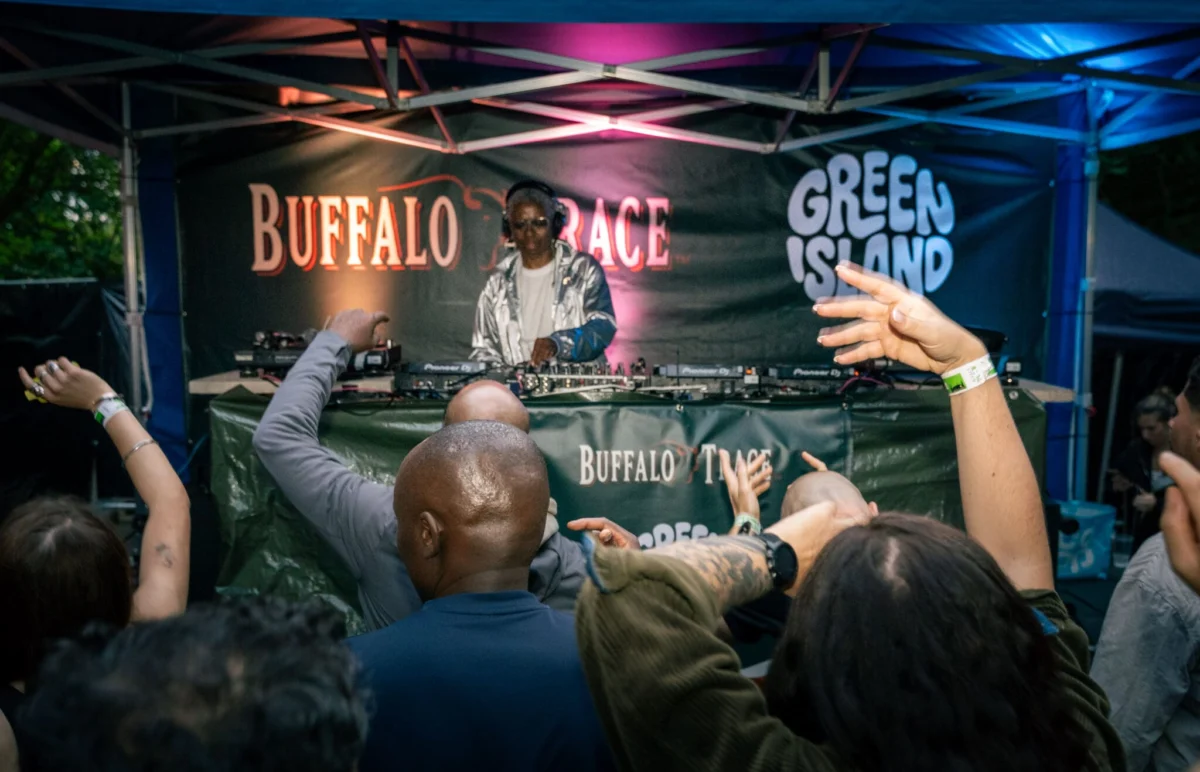
Manchester’s independent music scene is a vibrant tapestry, woven with the threads of historic venues and a deep-seated communitarian spirit. Amidst the towering structures of the Aviva Studios and AO Arenas, smaller, more intimate spaces consistently nurture artistic innovation. At the heart of this ethos lies the Green Island Festival, a triannual celebration that has carved a unique niche by embracing unconventional locations and fostering a strong sense of local identity. This year, the festival continued its tradition of transforming familiar urban landscapes into temporary havens for music lovers, demonstrating how local sounds can flourish in the most unexpected of settings.
The Green Island Festival’s distinctive approach is immediately evident in its choice of venues. This iteration saw the event spread across two key sites in Hulme: the Niamos Centre, a venerable community arts space with a rich history, and the surprisingly apt Hulme Community Garden Centre. This latter choice serves as a powerful metaphor for the festival’s core philosophy – that creativity, much like nature, can take root and thrive with careful cultivation, even in seemingly unlikely environments. The juxtaposition of a bustling urban garden with the dynamic energy of live music creates an atmosphere that is both grounded and exhilarating, a testament to the festival’s commitment to community-driven arts programming.
While Green Island Festival intentionally eschews the pursuit of headline-grabbing "big names," it masterfully curates a lineup that resonates with the cultural heritage of Manchester. This year, the festival paid homage to the city’s pioneering spirit by inviting a selection of artists who have significantly shaped its musical landscape, particularly from the influential 1990s era. These "pioneers" are slated to close out the festival’s Street Stage, a move that underscores the event’s dedication to honoring its roots while looking towards the future.
A Sensory Journey Through Hulme’s Garden of Sound
The festival experience began with an immersive exploration of the Hulme Community Garden Centre. Navigating its winding paths felt akin to stepping into an urban oasis, a departure from the typical festival grounds. The journey led attendees to the Selector Stage, where Paris-born DJ Donna Gibson commanded a significant crowd. Her infectious selection of disco anthems created an atmosphere that defied the encroaching Manchester drizzle. As George Benson’s "Give Me the Night" filled the air, a palpable sense of liberation swept through the audience. Attendees shed their jackets, perched on benches, and embraced the vibrant energy, conjuring the sun-drenched ambiance of a Venice Beach boardwalk despite the autumnal chill. This initial encounter set the tone for the festival, showcasing its ability to transform mundane spaces into vibrant performance areas.
The garden centre itself proved to be a treasure trove of unexpected delights. Beyond the music, attendees could discover a curated selection of market stalls offering handcrafted decor and jewelry, adding an artisanal dimension to the experience. A caravan added a whimsical touch, and a sandpit hinted at family-friendly activities. The "Taberna," a unique bar concept, offered a peculiar but memorable selection of Licor 43 shooters at curiously specific price points, adding to the festival’s quirky charm. It was within this eclectic environment that the rain began to fall, driving festival-goers towards the shelter of the Marquee Stage.
It was here that local rapper Migraine Mowgli captivated the audience with his charismatic performance. His lyrical dexterity and stage presence were matched by a genuine connection with his listeners. Mowgli’s set was characterized by an overwhelming sense of gratitude and camaraderie, as he consistently amplified the achievements of his collaborators, including his producer, Diligent Fingers – a moniker that consistently drew appreciative murmurs. The highlight of his performance came when he rallied the crowd to chant "I’ve got a migraine!" in a powerful display of solidarity, raising awareness for his medical condition and demonstrating the festival’s capacity to support meaningful social messages.
Diverse Sounds Echo Through Historic and Modern Spaces
While the garden centre provided an intimate and experimental setting, the Niamos Centre offered a more traditional stage experience, albeit one that sometimes felt like an appendage to the broader festival layout. It was here that the four-piece band Azamiah, hailing from Glasgow, presented a stark contrast to Migraine Mowgli’s energetic performance. Their music, a form of ambient jazz, was so profoundly laid-back that it bordered on the ethereal. Lead singer India Blue served as the natural focal point, her voice effortlessly floating over the band’s meticulously crafted instrumentation. The ensemble’s ability to create a gently shifting groove provided a spacious canvas for Blue’s emotive vocalizations, transporting the audience to a state of serene contemplation.
Following Azamiah, Blue Lab Beats injected a different kind of energy into the Niamos stage. Their brand of nu-jazz was characterized by impressive technicality, with even their sampling pad receiving a moment in the spotlight for a virtuosic solo. Their performance showcased a sophisticated blend of electronic and live instrumentation, appealing to a discerning audience with its intricate arrangements and dynamic improvisations. The band’s ability to seamlessly integrate complex beats with soulful melodies underscored their status as innovators in the contemporary jazz scene.
The Marquee Stage later welcomed the visually striking Karma Sheen. With their distinctive aesthetic, reminiscent of a Paul Thomas Anderson period drama, complete with moustaches and aviator sunglasses, the band delivered an enthralling hour of music. Their unique sound, a playful fusion of Indian ragas and psychedelic rock, captivated the audience, demonstrating the festival’s commitment to showcasing genre-bending artists. The sitar, a rare sight on many festival stages, added a unique timbre to their performance, further cementing the band’s distinctive artistic identity.

Honoring the Pioneers and the Spirit of Manchester
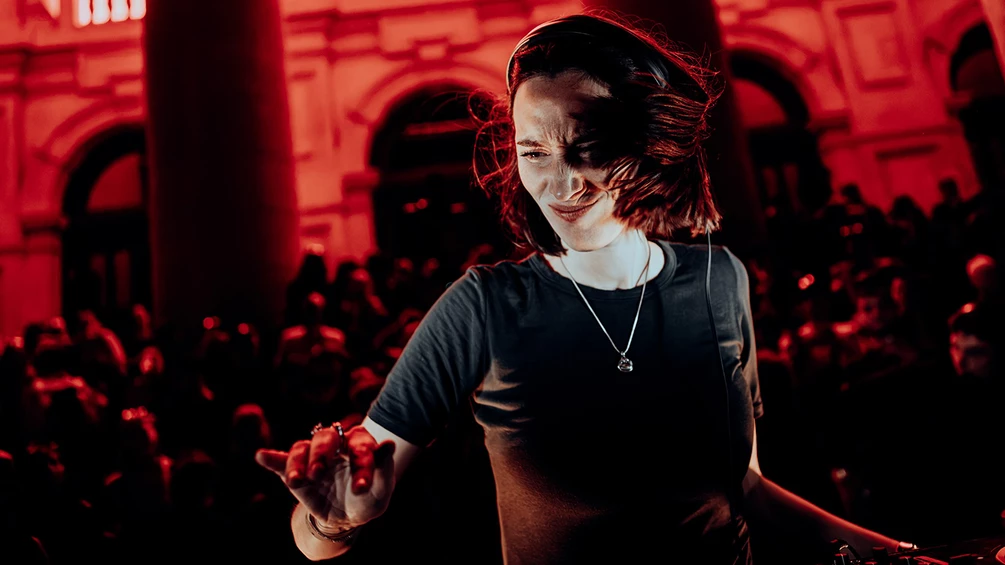
The Street Stage ultimately became the focal point for the festival’s concluding acts, drawing the largest crowds, even for the final segment of DJ Paulette’s electrifying set. Paulette, a seminal figure in Manchester’s club culture, was the first of the festival’s designated "pioneers." The remaining two luminaries, 808 State and A Guy Called Gerald, are scheduled to headline the Street Stage’s block party events in July and September, respectively, further solidifying the festival’s commitment to celebrating Manchester’s electronic music heritage.
While many attendees at DJ Paulette’s set may not have experienced her legendary 1990s residency at the Haçienda firsthand, her performance served as a potent time capsule. For two hours, the garden centre was transformed into a hedonistic phantasmagoria, a vibrant celebration of an era defined by unadulterated fun. Paulette’s setlist, a seamless blend of dance floor anthems from artists like Groove Armada and Goldie, with an unexpected inclusion of System of a Down, was designed for pure enjoyment. The intention was clear: to provide an environment where festival-goers could simply let loose and revel in the music. In this regard, the set was a resounding success, perfectly aligning with the festival’s aim of creating a joyful and uninhibited atmosphere.
A Testament to Community Values and Sustainable Celebration
The Green Island Festival’s consistent sell-out status is a clear indicator of its successful formula. The meticulous planning evident in every aspect of the event, from the "Alice in Wonderland"-esque journey through the festival site to the inclusive range of activities on offer, contributes significantly to its appeal. The sight of numerous children with painted faces enjoying the festivities further highlights the festival’s family-friendly atmosphere and its broad community reach.
What makes Green Island Festival particularly noteworthy is its unwavering commitment to its community values in an industry often driven by commercial imperatives. It stands as a rare example of a festival achieving substantial success while remaining deeply rooted in its local ethos. The festival’s ability to showcase brilliant, lesser-known artists alongside respected pioneers, all within a uniquely unconventional setting, makes it a vital component of Manchester’s cultural landscape. The triannual frequency of the Green Island Festival, while welcome, leaves one with a lingering desire for more, a testament to its profound impact and the enduring appeal of its community-focused approach to music and art.
The festival’s success can also be viewed through the lens of its economic and social implications for the Hulme community. By utilizing local spaces like the Niamos Centre and the Hulme Community Garden Centre, Green Island Festival contributes to the revitalization and visibility of these areas. It creates a platform for local businesses and artisans to showcase their work, fosters a sense of pride among residents, and attracts visitors who contribute to the local economy. The emphasis on accessible ticket prices and a welcoming atmosphere ensures that the festival remains an inclusive event, open to a diverse range of individuals from various socioeconomic backgrounds. This commitment to accessibility and community engagement differentiates Green Island from larger, more commercialized festivals, solidifying its position as a cherished and impactful cultural institution.
Future Outlook and Broader Impact
The continued growth and success of the Green Island Festival suggest a burgeoning demand for authentic, community-driven cultural experiences. As urban landscapes continue to evolve, the festival’s model of reclaiming and reimagining unconventional spaces for artistic expression offers a blueprint for other cities seeking to foster vibrant local music scenes. The festival’s dedication to supporting emerging artists, coupled with its respect for musical heritage, creates a rich ecosystem that benefits both performers and audiences.
The festival’s programming, which balances established figures with up-and-coming talent, ensures a dynamic and evolving lineup that can attract a wide demographic. This approach not only supports the careers of new artists but also provides opportunities for seasoned musicians to connect with a new generation of fans. The "pioneer" series, in particular, serves as an educational tool, introducing younger audiences to the foundational artists who shaped the sounds they enjoy today.
In conclusion, the Green Island Festival is more than just a music event; it is a testament to the power of community, innovation, and the enduring spirit of Manchester’s independent music scene. Its ability to transform ordinary spaces into extraordinary experiences, while staying true to its core values, makes it a model for sustainable and impactful cultural programming. As the festival continues to evolve, its influence is likely to extend beyond Hulme, inspiring a new wave of locally rooted and creatively driven events across the country. The Green Island Festival stands as a vibrant reminder that the most magical musical experiences can often be found in the most unexpected of places, nurtured by a shared sense of purpose and a deep appreciation for the arts.