Kholidah
Context of the Revelation: A Dialogue on Technical Precision
The disclosure occurred during a segment of the interview focused on EVAN’s personal music studio setup and his meticulous nature regarding audio equipment. As a recognized perfectionist in the recording booth, EVAN was discussing the intricacies of audio interfaces and speaker configurations with the host, Jo Hyun Ah. The conversation touched upon the physical maintenance of studio gear, at which point EVAN explained his specific aversion to certain types of equipment based on his psychological tendencies.
"I don’t have a woofer," EVAN stated during the broadcast, referring to the loudspeaker driver designed to produce low-frequency sounds. He elaborated that his decision was rooted in his diagnosis. "I have ADHD, so if I were to press down on a woofer and dent it, it would drive me crazy." The statement was met with immediate curiosity from Jo Hyun Ah, who prompted him to confirm if he was speaking about a formal diagnosis. EVAN confirmed the fact with a lighthearted laugh, which led to a moment of solidarity as Jo Hyun Ah revealed that she also manages the same condition.

The exchange, while brief, marked a significant departure from the highly curated image often maintained by K-pop idols. By framing his ADHD within the context of his professional environment and his "fixations" on equipment integrity, EVAN provided a relatable glimpse into how neurodivergence affects his daily life and his career as a high-profile performer.
Chronology of the Event and Immediate Public Reaction
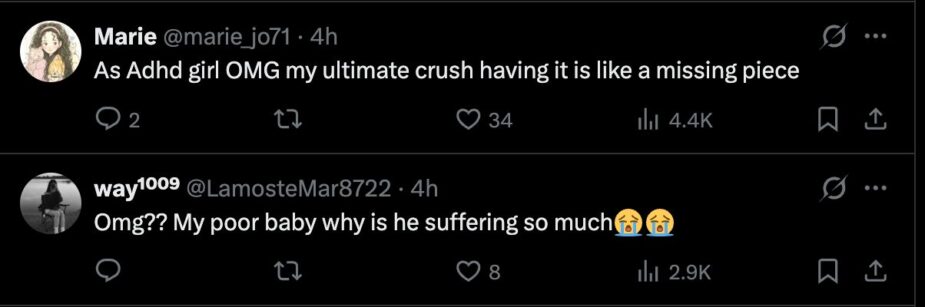
The episode was released on July 2, 2026, and within hours, clips of the interaction began circulating on X (formerly Twitter), TikTok, and various South Korean community portals such as TheQoo and Nate Pann. The initial reaction from the fanbase, known as ENGENE, was one of collective shock, as the artist had not previously alluded to any neurodivergent conditions in official capacities. However, as the news settled, the sentiment shifted toward a "revelatory relief."
For several years, fans had observed specific "quirks" or "tendencies" in EVAN’s behavior—such as his intense hyperfocus during gaming or music production, his occasional "zoning out" during long variety show tapings, and his unique way of processing sensory information. On social media, users began compiling "threads" of these moments, noting that the ADHD diagnosis provided a logical explanation for behaviors that were previously labeled as "mysterious" or "eccentric."

Supporting data from social media analytics indicated that the keywords "EVAN ADHD" and "Heeseung" trended in over 15 countries within the first 24 hours of the video’s release. The discourse was largely positive, with many neurodivergent fans expressing gratitude for his transparency, noting that seeing a successful, top-tier idol speak openly about ADHD helps to destigmatize the condition in a society that has historically been conservative regarding mental health and neurodiversity.
Re-evaluating Recent "Attitude" Controversies
The timing of this revelation is particularly noteworthy given the recent "attitude" controversy that EVAN faced during his solo promotion cycle. Earlier in the year, a viral clip from a promotional event showed the artist looking seemingly distracted or disengaged while others were speaking. This led to a wave of criticism from netizens who accused him of having a "poor attitude" or "losing his rookie mindset."
In light of the recent disclosure, industry analysts and fans alike are re-examining those accusations. ADHD often manifests in adults as difficulty maintaining sustained attention in under-stimulating environments or, conversely, becoming overwhelmed by sensory input in high-pressure settings. What was perceived by critics as "disinterest" may have been a manifestation of executive dysfunction or sensory overload—common symptoms of ADHD.

While neither EVAN nor his agency, BELIFT LAB, have explicitly linked the diagnosis to the previous controversy, the public narrative has shifted. Many commenters are now pointing out the unfairness of judging an artist’s character based on external behaviors that may be tied to a neurodivergent condition. This shift highlights a growing awareness of how mental health and neurodiversity can influence public perception in the entertainment industry.
Supporting Data: The Prevalence of ADHD in Creative Fields
Medical experts and psychologists have long noted a correlation between ADHD and high-functioning individuals in creative and high-energy professions. According to data from the World Health Organization (WHO) and various psychological associations, individuals with ADHD often possess traits such as "hyperfocus," high levels of empathy, and "out-of-the-box" thinking—all of which are beneficial in the arts.
In the context of the K-pop industry, where trainees undergo rigorous, repetitive schedules, the challenges of ADHD can be magnified. However, the "hyperfocus" aspect of the condition often allows artists like EVAN to spend dozens of hours perfecting a single track or choreography, a trait that has contributed to his reputation as one of the most talented "all-rounders" in the fourth and fifth generations of K-pop.
The disclosure by EVAN adds to a small but growing list of South Korean public figures who are opening up about their neurodivergent journeys. This trend is significant in South Korea, where the National Health Insurance Service has reported a steady increase in ADHD diagnoses among adults over the last decade, even as social stigma remains a hurdle for many seeking treatment.
Official Responses and Industry Implications
As of the time of reporting, BELIFT LAB has not issued a formal statement regarding the YouTube appearance, suggesting that the agency is treating the revelation as a personal matter shared by the artist in a comfortable setting. This lack of a "crisis management" response indicates a level of confidence in the artist’s autonomy and the audience’s maturity.
The broader impact of EVAN’s disclosure is likely to be felt across the K-pop industry. For decades, the "Idol System" has demanded a level of behavioral perfection that leaves little room for human fallibility, let alone neurodivergence. When a prominent figure like EVAN—who is celebrated for his visual appeal, vocal prowess, and leadership—reveals a condition like ADHD, it challenges the "perfect idol" archetype.

Industry insiders suggest that this move could pave the way for more comprehensive mental health support systems within entertainment agencies. If more artists feel empowered to speak about their needs, agencies may be encouraged to adapt their training and promotional schedules to better accommodate neurodivergent talent, potentially preventing the burnout and "attitude" misunderstandings that frequently plague the industry.
Broader Impact on the Global Fanbase
Beyond the immediate news cycle, EVAN’s honesty has fostered a deeper connection with his global audience. In fan letters and online posts, many young people have shared that his admission has encouraged them to seek their own diagnoses or to feel less ashamed of their neurological differences.
"Seeing Heeseung (EVAN) talk about his ADHD so casually makes me feel like I don’t have to hide mine either," wrote one user on a popular fan forum. "He is one of the most successful artists in the world right now, and he has ADHD. It’s not a barrier to success; it’s just a different way of being."

As the K-pop industry continues to expand its global footprint, the transparency of its stars regarding mental health and neurodiversity is becoming a key factor in their relatability and longevity. EVAN’s revelation, while "shocking" to some, serves as a milestone in the ongoing evolution of the relationship between idols and their supporters—one defined less by perfection and more by authentic human experience.
The conversation surrounding EVAN’s ADHD is expected to continue as he proceeds with his solo activities and group commitments with ENHYPEN. For now, the artist remains focused on his music, with his recent disclosure serving as a testament to his growth not just as a performer, but as an individual navigating the complexities of fame with honesty and resilience.