Nayara Elvina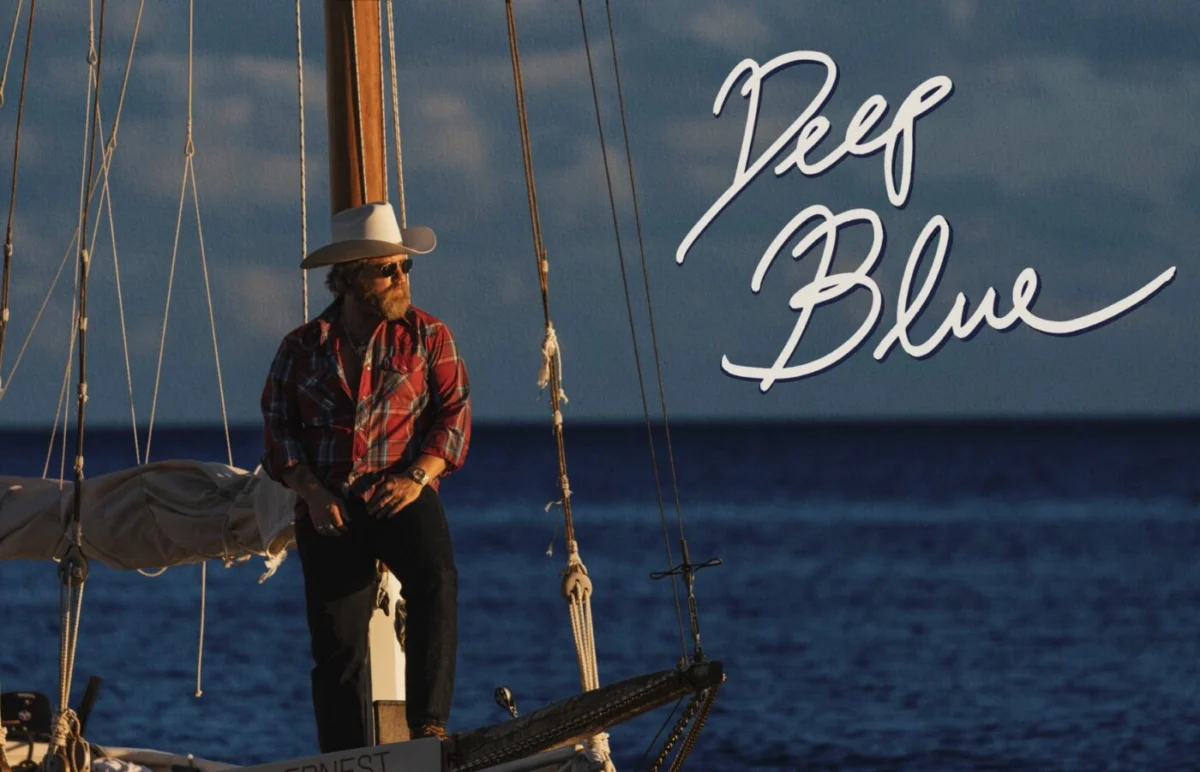
The intersection of the music industry and intellectual property law has reached a new point of contention as country music singer-songwriter Ernest finds himself embroiled in a legal and public relations dispute with a California-based sustainable apparel company. At the heart of the conflict is the title of the artist’s latest studio effort, Deep Blue, and the accompanying merchandise line which the owner of the brand Planet Deep Blue alleges infringes upon her established trademark. The disagreement highlights the growing complexities of brand protection in the digital age, particularly when artistic titles overlap with commercial trademarks in the retail sector.
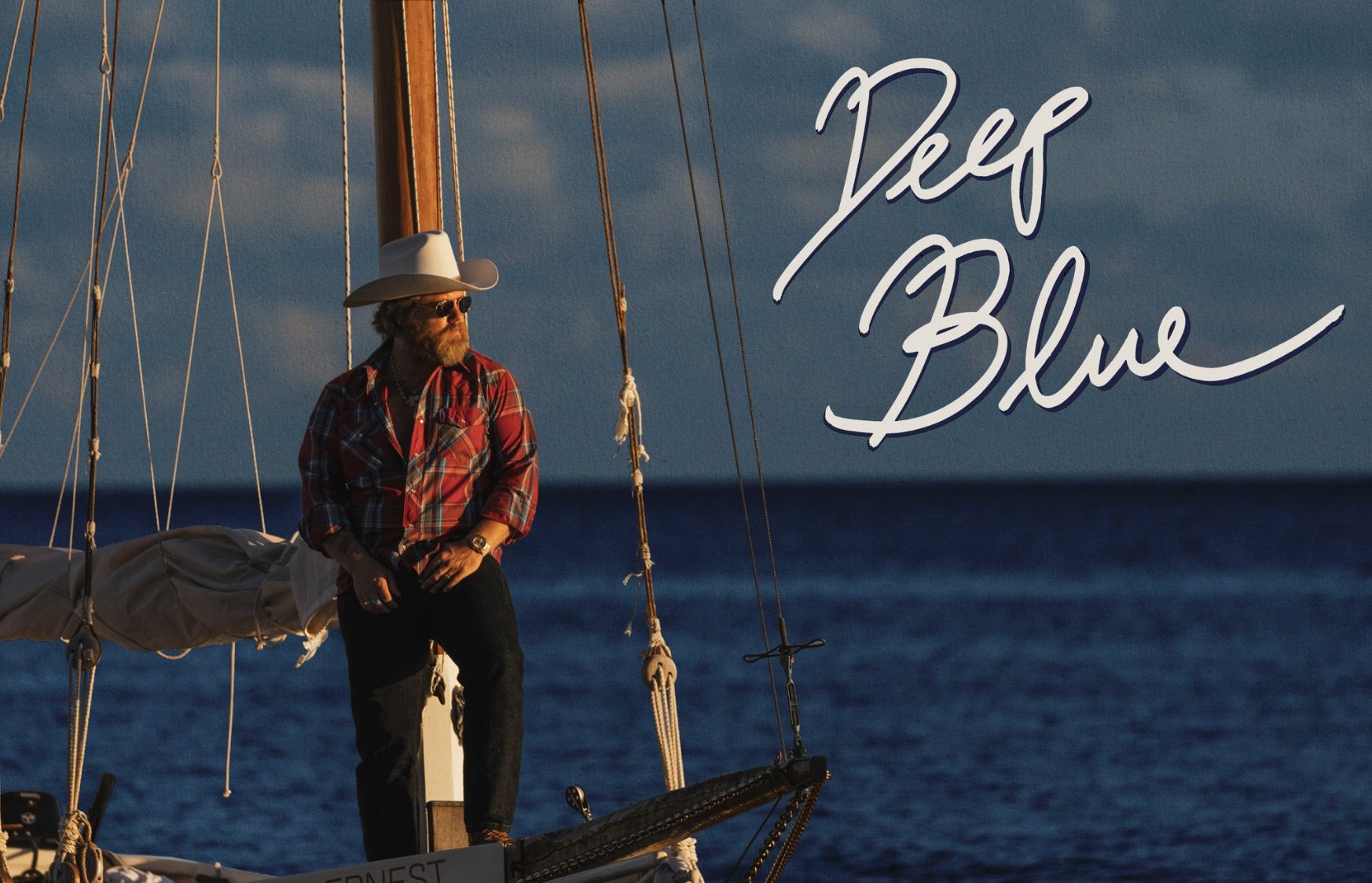
Released on May 1, 2026, Deep Blue has been widely characterized by critics and fans as a seminal work in Ernest’s career. The album represents a stylistic evolution, blending the "island" aesthetic popularized by figures like Jimmy Buffett with the traditional Southern country tropes that defined his earlier work. During an appearance on the Whiskey Riff Raff podcast, Ernest described the project as a maturation of his 2019 debut, Locals Only. He noted that while his earlier work was heavily inspired by time spent in Saint Thomas and Saint John, Deep Blue reflects a decade of personal and vocal growth, characterized by a more "weathered" and "grown-up" perspective.
However, the celebratory atmosphere surrounding the album’s success was tempered when Brooke, the founder and owner of Planet Deep Blue, took to social media to voice concerns over trademark infringement. Planet Deep Blue is a niche sustainable clothing brand dedicated to the elimination of microplastics from the ocean. The company’s core mission is centered on the use of 100% natural fibers, such as organic and reclaimed cotton, specifically avoiding synthetic materials like polyester and nylon which contribute significantly to maritime pollution.
The Foundation of the Trademark Claim
The legal friction stems from the specific trademark protections held by the California company. According to records from the United States Patent and Trademark Office (USPTO), Planet Deep Blue currently holds a registered trademark for a stylized word mark: "DEEP BLUE." with a concluding period. In trademark law, a stylized mark protects the specific visual representation—including font, spacing, and design elements—of a brand name.
The timeline of the dispute suggests a deteriorating relationship between the two parties that began months before the album’s release. Brooke revealed that Ernest’s team initially reached out to her in January 2026 to discuss a potential collaboration. The singer reportedly expressed interest in aligning his album’s aesthetic with the brand’s sustainable mission. However, after several rounds of negotiations, Ernest’s management reportedly withdrew from the partnership. The team allegedly cited financial unfeasibility, suggesting that producing garments to Planet Deep Blue’s rigorous sustainability standards would result in a "losing venture" for the artist.
Following the collapse of the collaboration talks, Ernest’s team offered to purchase the design concepts Brooke had developed for the potential line. Brooke declined this offer, citing a fundamental misalignment of values. In an email to the singer’s representatives, she emphasized that her brand’s reputation is built on fair wages and environmental stewardship, stating that placing her brand on a product that did not meet those standards would constitute a misrepresentation of her mission.
Chronology of Escalation
The dispute escalated significantly following the official launch of the Deep Blue album merchandise. While the collaboration had been abandoned, Ernest’s team proceeded to release a line of apparel featuring the album title. Brooke alleges that the singer’s team utilized design elements, specifically the inclusion of a palm tree motif alongside the words "Deep Blue," that bore a resemblance to her brand’s aesthetic.
The most contentious point for Planet Deep Blue, however, is the material composition of the singer’s merchandise. Ernest’s sweatshirts are manufactured using a cotton and polyester blend. For a brand like Planet Deep Blue, which exists specifically to combat the use of synthetic textiles, this choice was seen as an affront. Brooke publicly stated that synthetic textiles are the primary source of microplastic pollution in the world’s oceans, and the use of the "Deep Blue" name on such products was done without her authorization.
In response to the merchandise launch, Planet Deep Blue filed a new trademark application on May 26, 2026—less than a month after the album’s release. This new filing seeks to protect the standard characters "Deep Blue" for use on clothing, an apparent move to bolster her legal standing beyond the original stylized mark. A cease and desist letter was subsequently sent to Ernest’s management, demanding the immediate removal of the infringing merchandise.
Official Responses and the Likelihood of Confusion
Ernest addressed the situation through a social media broadcast, describing the experience as "fighting for his life" against the backlash of public opinion. He defended his team’s actions by highlighting the distinct differences between his designs and those of the clothing brand. He clarified that while a palm tree is present on both, the other design elements were derived directly from his album’s artwork.
The artist also provided insight into the economic realities of the merchandise industry. He explained that to produce a shirt meeting the sustainability standards of Planet Deep Blue, he would have had to set a retail price of approximately $180 to ensure profitability. This price point, he argued, was inaccessible to his general fan base. Despite the legal tension, Ernest encouraged his followers to support Planet Deep Blue, praising the owner’s mission while maintaining that his team had acted within their rights.
From a legal perspective, the resolution of this dispute often hinges on the "likelihood of confusion" test. Under the Lanham Act, the primary question is whether an ordinary consumer would mistakenly believe that Ernest’s merchandise is produced by, or affiliated with, Planet Deep Blue. Factors considered by courts include:
- The strength of the trademark.
- The similarity of the marks.
- The proximity of the goods in the marketplace.
- Evidence of actual consumer confusion.
- The defendant’s intent in selecting the mark.
Ernest’s defense rests on the argument that consumers visiting a country music artist’s official store are unlikely to confuse tour merchandise with a specialized sustainable fashion boutique. Conversely, Brooke’s position is that the use of the exact phrase "Deep Blue" on apparel—especially after failed negotiations—creates a clear association that damages her brand’s integrity.
Broader Implications for the Industry
This case serves as a cautionary tale for the music industry’s merchandising arms. As artists increasingly look to build lifestyle brands around their musical releases, the potential for overlap with existing trademarks grows. The environmental aspect of this specific case also reflects a growing tension between the fast-fashion model of traditional tour merchandise and the rising consumer demand for sustainability.
Supporting data suggests that the global apparel industry is responsible for an estimated 20% of global wastewater and 10% of global carbon emissions. The "microplastic" issue mentioned by Planet Deep Blue is backed by environmental research indicating that a single load of laundry containing synthetic fibers can release hundreds of thousands of microfibers into the water supply. By utilizing a polyester blend, Ernest’s team followed industry standards for cost-effective merchandising, but in doing so, they ran afoul of a brand whose entire identity is built on the rejection of those very standards.
As of early June 2026, the two parties remain at an impasse. While Ernest’s team initially believed they had until the end of the month to reach a private resolution, the public nature of the dispute has accelerated the need for a formal settlement. Legal experts suggest that a court battle would be prohibitively expensive for both a small business and an independent artist, making an out-of-court settlement the most likely outcome. This could involve a licensing agreement, a redesign of the merchandise, or a formal disclaimer clarifying the lack of affiliation.
For now, the situation remains a prominent example of the friction between creative expression and commercial trademark rights. While Deep Blue continues to perform well on music charts, its commercial legacy may be permanently linked to this debate over brand ethics and intellectual property. Consumers are left to navigate a marketplace where the name of an album and the mission of a brand are caught in the same tide, highlighting the necessity for thorough trademark clearance and the potential pitfalls of high-stakes brand collaborations.